

📊 Killifish Care at a Glance: Key Specifications & Production Benchmarks
| Order & Family | Cyprinodontiformes (Families Nothobranchiidae, Rivulidae, Aplocheilidae) |
| Geographic Range | Tropical and subtropical freshwater habitats in Africa, the Americas, and Asia |
| Life Cycle Classification | Annual (ephemeral pools; diapause eggs) vs Non-Annual (permanent streams) |
| Adult Size Range | 1.0 to 3.5 inches (2.5 to 9.0 cm) depending on species |
| Minimum Aquarium Volume | 5 to 10 gallons for a breeding pair or trio; 20 gallons for community |
| Water Chemistry Parameters | pH: 6.0 to 7.0; Soft water (2 to 8 dGH); Low dissolved solids |
| Optimal Temperature Range | 68°F to 76°F (20°C to 24°C); Avoid overheating above 80°F |
| Signature Behavioral Trait | Exceptional jumping ability; requires an airtight, completely sealed tank lid |
| Dietary Specialization | Micro-carnivore; thrives on live and frozen daphnia, brine shrimp, and worms |
| Breeding Substrate Type | Peat moss for bottom-divers; acrylic yarn spawning mops for plant spawners |
The Killifish encompasses one of the most evolutionarily astonishing, visually breathtaking groups of freshwater fish in the animal kingdom. Comprising over 1,270 distinct species spread across tropical Africa, South America, and southern Asia, killifish are world-renowned for their iridescent jewel-like coloration that rivals coral reef saltwater marine life, paired with extreme adaptations to survive in seasonal puddles, temporary floodplains, and remote jungle streams. Structured culling and biosecurity protocols strengthen Killifish Care genetic quality.
Whether you are setting up a specialized planted nano aquarium or exploring captive breeding through our aquatic livestock and aquaculture portal, killifish offer an unparalleled avicultural journey. Their most extraordinary biological hallmark is the division between ‘annual’ species—whose adult lives span only months during seasonal rains, leaving desiccated eggs buried in dry African mud to hatch when rains return—and ‘non-annual’ species that live multi-year lives in stable rainforest creeks. Maintaining clean feeders and sanitized equipment supports sustainable Killifish Care care.
Their peaceful demeanor, compact physical size, and distinct spawning rituals make them favorites for dedicated hobbyists. In this authoritative technical guide, we evaluate annual versus non-annual biotope parameters, peat moss incubation techniques, micro-predator feeding rations, airtight lid construction, and disease prevention. Consistent daily observation helps keepers spot early changes in Killifish Care health and behavior.
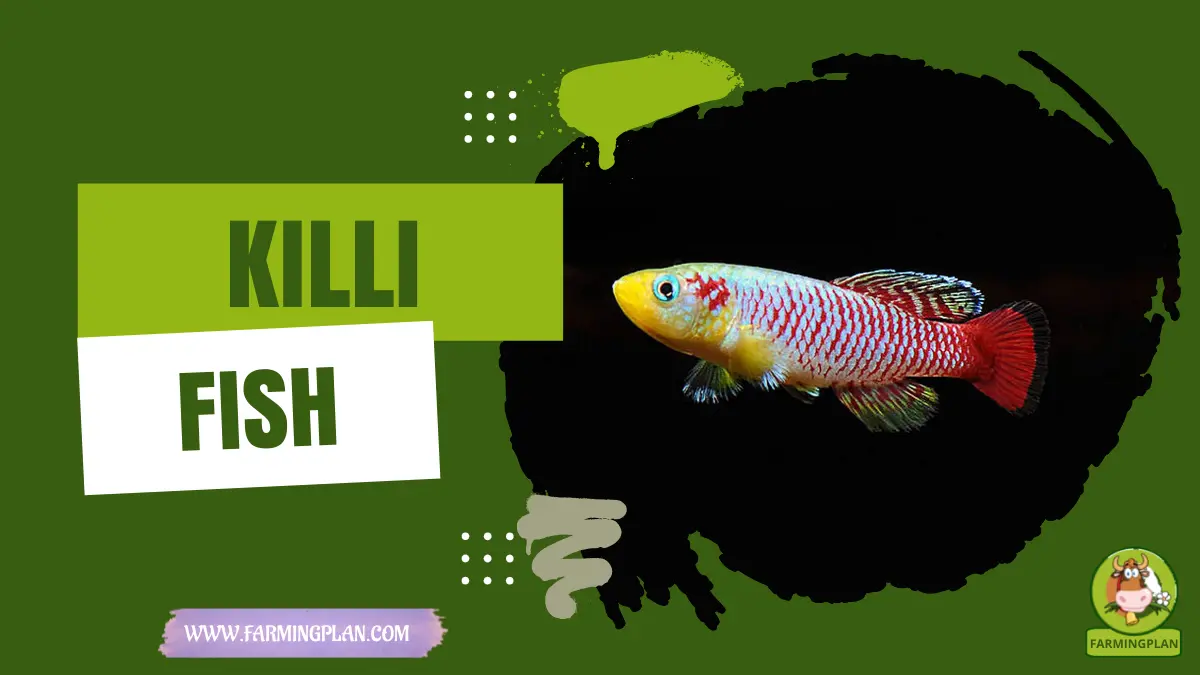
Physical Characteristics & Breed Standards
Killifish display an athletic, elongated, and cylindrical physical conformation engineered for ambush predation in shallow surface waters.
Their flattened skull and upturned, superior mouth structure allow them to snatch fallen insects and mosquito larvae directly from the water surface tension film. Clean housing, fresh water, and balanced nutrition remain essential for Killifish Care productivity.
Conformation Standards & Anatomical Structure
The dorsal fin is set far back along the body, positioned directly above or slightly behind the anal fin, providing explosive forward burst acceleration. The caudal fin varies widely by species: lyretail varieties (such as *Aphyosemion australis*) carry elongated upper and lower fin rays with vivid white edges. Tracking feed intake and body condition supports long-term Killifish Care performance.
Coloration in males is extraordinarily intense, featuring intricate patterns of ruby-red dots, metallic turquoise scales, electric-yellow fin borders, and velvety black trim. Females exhibit cryptic, subdued olive-tan coloration with faint speckling to evade aerial predators in shallow waters. Following biosecurity best practices reduces disease risk in any Killifish Care operation.
The eyes are large and forward-focused, equipped with specialized reflective tapeta that maximize visual acuity in dim, tannin-stained rainforest jungle pools.
Their streamlined body architecture is complemented by broad, paddle-like pectoral fins that enable delicate hovering and micro-maneuvers in shallow leaf litter. Scale alignment is tight and smooth, coated with a protective mucous cuticle that repels aquatic fungi and prevents moisture loss during brief jumps between water bodies. Seasonal adjustments to shelter and diet keep Killifish Care thriving year-round.
Size, Weight Benchmarks & Color Variations
Miniature species like the Clown Killifish (*Epiplatys annulatus*) reach barely 1.0 to 1.25 inches at maturity. Proper record-keeping makes breeding and culling decisions easier for Killifish Care keepers.
Popular garden killifish (*Fundulopanchax gardneri*) and blue gularis (*Fundulopanchax sjoestedti*) grow to 2.5 and 4.5 inches respectively. Providing adequate space and ventilation prevents common stress issues in Killifish Care.
Due to their modest physical mass, a pair or breeding trio thrives in compact 5 to 10-gallon aquariums that fit effortlessly on home desks.
📊 Killifish Care Performance & Production Matrix
| Killifish Group | Annual Killifish (*Nothobranchius*) | Non-Annual (*Aphyosemion*) | Surface Nano (*Clown Killi*) |
|---|---|---|---|
| Natural Habitat | Seasonal Drying Mud Puddles | Permanent Jungle Streams | Slow Vegetated Marsh Waters |
| Adult Lifespan | 8 to 12 Months (Rapid) | 3 to 5+ Years (Standard) | 2 to 3 Years (Nano) |
| Egg Incubation Method | Dry Peat Diapause (2–5 Months) | Water Incubated (14–21 Days) | Floating Plant Mops (12 Days) |
| Spawning Substrate | Peat Moss Bottom Divers | Spawning Mops / Java Moss | Dense Surface Root Floaters |
| Adult Size (Inches) | 1.5 to 2.5 Inches | 2.0 to 3.0 Inches | 1.0 to 1.25 Inches |
Breed History, Heritage & North American Development
The intriguing common name ‘Killifish’ derives not from predatory aggression, but from the seventeenth-century Dutch colonists in New York, where the Dutch word *kil* denoted a small stream, riverbed, or water channel. Dutch naturalists noted small surface-dwelling cyprinodonts inhabiting marsh creeks, naming them ‘stream fish.’ Understanding breed-specific traits helps maximize Killifish Care longevity and output.
In nineteenth-century Europe, German and British naturalists exploring colonial West Africa discovered dazzling *Nothobranchius* and *Aphyosemion* species in isolated forest pools, marveling at how colorful fish could appear spontaneously in temporary mud holes that had been bone-dry weeks earlier. Scientific investigation revealed the phenomenon of embryonic diapause. Routine preventive care saves time and lowers veterinary costs for Killifish Care.
In 1961, the American Killifish Association (AKA) was established, pioneering the exchange of killifish eggs sealed in damp peat moss inside ordinary postal envelopes across international borders. Today, killifish species serve as vital scientific genetic models for aging and developmental biology. Matching forage or ration quality to life stage optimizes Killifish Care growth.
Housing, Shelter Dimensions & Winter Hardiness
Designing a killifish aquarium requires addressing two primary biological imperatives: absolute jumping security and gentle water flow.
Spatial Density & Enclosure Engineering
Killifish are world-class jumpers that can launch themselves through microscopic openings around heater cords and filter tubing. The aquarium must be fitted with an airtight glass canopy with zero gaps, sealed around filter tubes with craft foam or plastic wrap. Gradual dietary transitions protect digestive stability in Killifish Care.
Equip nano tanks with gentle air-driven sponge filters rather than powerful motorized power filters; killifish evolved in still waters and are easily exhausted by strong water currents. Incorporate live floating plants (frogbit, salvinia) and driftwood with Java moss to provide shaded cover and diffuse light. Selecting healthy foundation stock is the cornerstone of successful Killifish Care management.
Substrate selection should reflect natural biotope conditions, utilizing dark, fine aquarium sand or a thin layer of seasoned peat granules. Incorporate botanicals like alder cones and dried oak leaves alongside Indian almond leaves, which naturally acidify the water column, release protective humic compounds, and foster beneficial micro-fauna for constant grazing. Good predator-proofing and dry bedding safeguard Killifish Care comfort in harsh weather.
Nutritional Requirements, Daily Rations & Feeding Protocols
Killifish are obligate micro-predators with short, carnivorous digestive tracts that require live and frozen protein feeds.
Crude Protein Benchmarks Across Life Stages
Many wild-caught and captive killifish will stubbornly reject commercial dry flakes. Feed them primarily living micro-foods: live baby brine shrimp (artemia), daphnia, vinegar eels, grindal worms, and blackworms. Monitoring water quality and mineral balance directly benefits Killifish Care vitality.
Frozen bloodworms, cyclops, and enriched brine shrimp can be introduced gradually. Feed adults small portions once or twice daily, removing any uneaten food immediately to maintain pristine water chemistry. Practical hands-on husbandry ensures consistent results when raising Killifish Care.
Providing live foods rich in natural carotenes and fatty acids is essential for maintaining electric male pigmentation and stimulating heavy egg production in females. Early intervention at the first sign of lethargy protects overall Killifish Care flock or herd health.
Establish self-sustaining home cultures of live foods such as microworms, vinegar eels, and wingless fruit flies to ensure an uninterrupted supply of nutrient-rich prey. Growing juveniles require small, frequent feedings three times daily to support rapid cellular division and intense color pigment synthesis without fouling shallow water.
Health Management, Common Diseases & Biosecurity Standards
Killifish thrive in clean, slightly acidic, soft water, but decline rapidly if organic nitrates and bacterial loads accumulate. Structured culling and biosecurity protocols strengthen Killifish Care genetic quality.
Biosecurity Protocols & Veterinary Defenses
Perform weekly 20 to 25 percent water changes using soft, reverse osmosis (RO) water remineralized with trace buffers, keeping water temperatures stable between 70°F and 74°F. Maintaining clean feeders and sanitized equipment supports sustainable Killifish Care care.
Add natural Indian almond leaves (Catappa leaves) or rooibos tea bags to release beneficial humic acids and tannins. Tannins soften water, provide natural antimicrobial defense, and replicate Amazonian and African blackwater creeks. Consistent daily observation helps keepers spot early changes in Killifish Care health and behavior.
Treat fungal infections and velvet disease (*Piscinoodinium*) promptly with darkness and mild aquarium salt dips. Consult specialized killifish health protocols through the American Killifish Association Care Network.
Quarantine all new arrivals in seasoned, dim aquariums for two weeks, closely monitoring skin and fin margins for signs of velvet or Oodinium parasites. Maintain stable water temperatures between 70°F and 74°F; rapid thermal fluctuations weaken their respiratory defenses and increase vulnerability to systemic bacterial infections. Clean housing, fresh water, and balanced nutrition remain essential for Killifish Care productivity.
Peat Diapause, Spawning Mops & Fry Incubation
For non-annual species (*Aphyosemion*), suspend synthetic acrylic yarn spawning mops in the tank. The female deposits individual adhesive eggs into the yarn strands daily. Pick eggs by hand and incubate in small water dishes treated with methylene blue; fry emerge in 12 to 18 days. Tracking feed intake and body condition supports long-term Killifish Care performance.
For annual species (*Nothobranchius*), place a glass dish filled with boiled, conditioned peat moss on the tank floor. The pair dives deep into the peat to deposit eggs. After two weeks, remove the peat, squeeze out excess water until crumbly, seal in a plastic zip bag, and store in a dark closet for 2 to 5 months of embryonic diapause. To evaluate alternative bloodlines and practical management routines, check our Guppy Fish Care. Following biosecurity best practices reduces disease risk in any Killifish Care operation.
When the embryos display fully formed golden eyes visible through the egg shell, wet the peat with cool, oxygenated water. Fry hatch within two hours and consume live baby brine shrimp immediately.
US Ownership Budget & Annual Maintenance Costs
Establishing a breeding pair of killifish in a planted nano aquarium is one of the most economical, rewarding projects in captive aquaculture. Seasonal adjustments to shelter and diet keep Killifish Care thriving year-round.
💰 Estimated Annual Budget & Maintenance Costs (USD)
| Budget Category | Item Description & Scope | Initial Capital Outlay | Annual Recurring Expense |
|---|---|---|---|
| Breeding Pair / Trio | Pedigreed pair of captive-bred Gardneri or Clown Killifish | $30 – $60 | $0 |
| Nano Tank (10 Gallon) | 10-gallon rimless glass tank with tight glass lid and mat | $45 – $80 | $0 |
| Sponge Filter & Air Pump | Air-driven double sponge filter, airline, and mini air pump | $20 – $35 | $5 – $10 |
| Live Food Culture Kits | Daphnia and microworm live starter cultures and brine eggs | $25 – $45 | $30 – $50 |
| Botanicals & Test Kit | Catappa leaves, peat moss, spawning yarn, and liquid pH test | $25 – $40 | $20 – $35 |
🐟 Killifish Tank & Feed Calculator
Calculate water volume, minimum filtration capacity, water changes, and daily feed amounts for your Killifish.
Frequently Asked Questions (FAQ)
Why do killifish jump out of tanks?
In nature, killifish jump between shallow puddle depressions and leaf pools to escape predators and hunt flying insects. In aquariums, any tiny opening in the lid will result in a fatal jump, requiring an airtight glass canopy.
What is the difference between annual and non-annual killifish?
Annual killifish live in temporary puddles that dry up every year; adults die and their eggs survive buried in dry mud for months in embryonic diapause. Non-annual species live in permanent streams and live multi-year lives without needing dry egg incubation.
Can killifish live in a community tank?
Non-annual species like Gardneri and Clown killifish can live in peaceful community tanks with small, calm tankmates like neon tetras and corydoras catfish, provided the tank has gentle filtration and dense live plants.
Do killifish eat dry flake food?
Most killifish are wild-style micro-predators that prefer live and frozen foods (brine shrimp, daphnia, bloodworms). While some captive strains accept high-protein micro-pellets, live foods are essential for vibrant breeding colors.
Expert Verdict & Next Steps for Nano Biotope Keepers
The Killifish is a living jewel that brings the captivating mystery of African and South American seasonal wetlands directly into the modern home. For aquarists with limited space seeking extraordinary color, fascinating reproductive biology, and rewarding breeding projects, killifish are unmatched. Proper record-keeping makes breeding and culling decisions easier for Killifish Care keepers.
By maintaining airtight tank lids, gentle sponge filtration, and nourishing live food cultures, your killifish will thrive and reproduce. Expand your aquatic knowledge by reviewing our companion guides to schooling Neon Tetra Care, dedicated Goldfish Care, peaceful Molly Fish Care, and armored Plecostomus Care.
📚Agricultural Reference & Scientific Citations
Standards and physiological data referenced in this guide comply with USDA Animal and Plant Health Inspection Service (APHIS), American Veterinary Medical Association (AVMA), and the FAO Domestic Animal Diversity Information System.


