

⚡ Pazardzhik Roller Pigeon at a Glance: Key Specifications & Benchmarks
| Scientific Classification | Columba livia domestica (Performing Roller Pigeon) |
| Breed Heritage Origin | Pazardzhik Region, Upper Thracian Plain, Southern Bulgaria |
| Breeding History | Selectively developed over 200+ years for high-altitude acrobatic rolling |
| Mature Bird Weight | 11.3 to 13.4 oz (320 to 380 grams) |
| Wingspan Benchmark | 24.0 to 26.5 inches (61 to 67 cm) |
| Primary Working Role | High-flying aerial performance, kit competition, exhibition aviculture |
| Aerial Specialization | Ascends to point-of-vision altitude, rolling backward in vertical descents |
| Temperament Profile | Lively, alert, highly homing-oriented, and responsive to trainer whistles |
The Pazardzhik Roller pigeon, celebrated across the Balkan Peninsula and internationally as the Pazardzhishki premetach, stands as one of Bulgaria’s most revered and spectacular aerial performing pigeon breeds. Originating over two centuries ago in the Upper Thracian city of Pazardzhik and its surrounding villages, this medium-sized, muscular flying tumbler was bred by Ottoman-era and Bulgarian pigeon fanciers to perform gravity-defying aerial acrobatics. Aviculturists and hobbyists looking to explore performing birds can examine our complete directory of heritage pigeon breeds and aviary management guides. Proper record-keeping makes breeding and culling decisions easier for Pazardzhik Roller Pigeon keepers.
Unlike sedentary exhibition show pigeons bred purely for ornamental feathers, the Pazardzhik Roller is an endurance athlete engineered for high-altitude kit flying. When released in trained flying kits of 10 to 15 birds, these spirited pigeons ascend rapidly on thermal currents until they appear as tiny specks against the blue sky. Upon a visual signal or instinctive kit turn, elite rollers initiate dramatic sequences of rapid backward somersaults, spiraling downward like spinning saucers for 30 to 50 feet before leveling out gracefully above the loft roof. Providing adequate space and ventilation prevents common stress issues in Pazardzhik Roller Pigeon.
Succeeding with Pazardzhik Roller pigeons requires structured flight training, predator-proof loft engineering, balanced grain nutrition, and disciplined breeding selection. Fanciers must maintain high genetic purity to preserve both physical stamina and controlled rolling velocity. This comprehensive operational manual outlines the breed’s conformation standards, flight training protocols, loft construction blueprints, nutritional requirements, and aviary health budgeting.
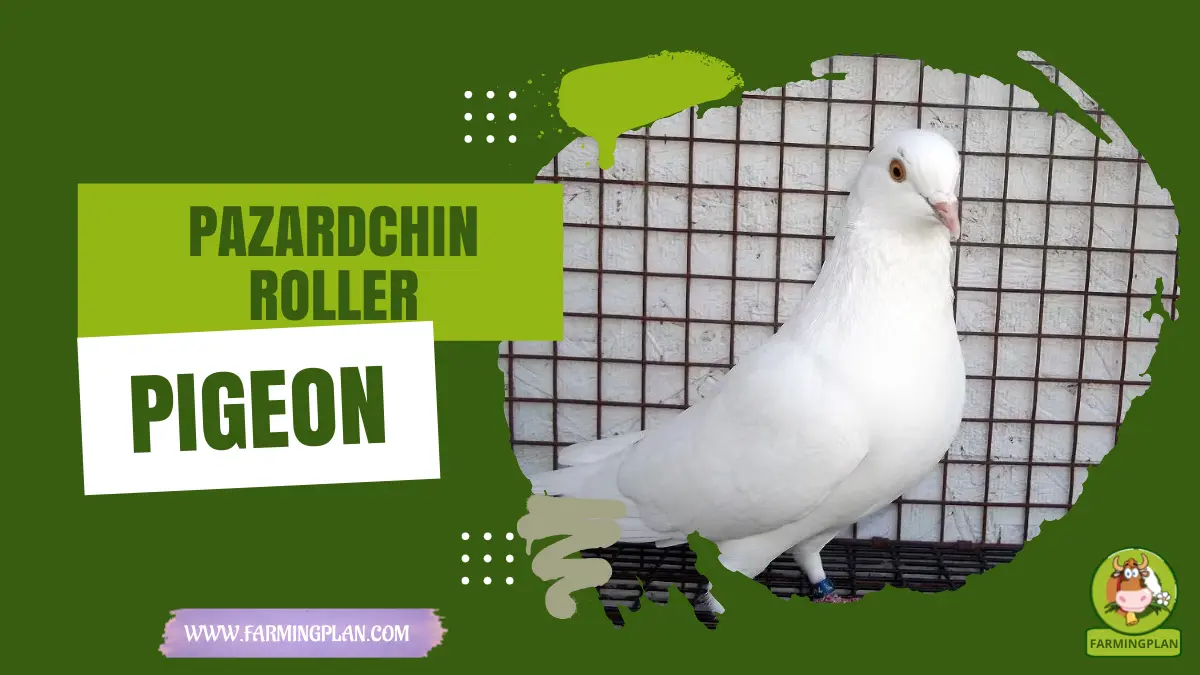
Physical Characteristics & Breed Standards
Conformationally, the Pazardzhik Roller pigeon displays a harmonious, compact, and powerfully muscled aerodynamic frame that balances strength with agile maneuverability. The breast is broad, deep, and slightly prominent, carrying substantial pectoral flight muscle mass that powers rapid vertical climbs. The back is broad across the shoulders and slopes gently downward toward a tight, flat, single-feather-width tail. Breeders interested in comparing housing, diet, and productivity traits should see our Austrian Magpie Cropper Pigeon husbandry guide. Understanding breed-specific traits helps maximize Pazardzhik Roller Pigeon longevity and output.
The plumage is smooth, dense, and tightly adhered to the body, minimizing wind drag during high-speed vertical dives. Coloration in the Pazardzhik Roller is remarkably diverse, including solid black, rich chestnut red, vibrant yellow, dun, blue-bar, and striking splash or magpie-pied patterns. Regardless of color, the feathers must exhibit a rich natural gloss and healthy powder down. Routine preventive care saves time and lowers veterinary costs for Pazardzhik Roller Pigeon.
Conformation Standards & Anatomical Structure
The head is moderate in size, smooth, and gently rounded from the forehead to the nape, free of crests or tufts in the standard classic variety. The eyes are a signature feature: large, clear pearl-white or iridescent silvery-white, encircled by a narrow, pale flesh-colored ceroma that gives the bird a piercing, alert gaze. The beak is medium in length, straight, and colored light horn or white, topped by a fine, powdery white wattle.
The wings are long, broad-bladed, and strong, resting neatly on top of the tail feathers without crossing at the tips. The legs and feet are medium in length, strong, completely free of feathers (clean-legged), and colored bright coral red with pale horn claws that grip wooden perches firmly. Matching forage or ration quality to life stage optimizes Pazardzhik Roller Pigeon growth.
Size, Weight Benchmarks & Color Variations
Mature adult Pazardzhik Rollers weigh between 11.3 and 13.4 ounces (320 to 380 grams), with a wingspan measuring 24.0 to 26.5 inches (61 to 67 cm). Young squeakers reach flight weight within 28 to 32 days of hatching. Gradual dietary transitions protect digestive stability in Pazardzhik Roller Pigeon.
This medium-light body weight provides the optimal thrust-to-weight ratio needed to achieve high-altitude thermal climbs while executing tight rotational torque during rolling descents.
⚡ Pazardzhik Roller Pigeon Performance & Production Matrix
| Performance Parameter | Pazardzhik Roller Standard | Standard Domestic Pigeon | Aerial Value & Score |
|---|---|---|---|
| Altitude Flight Ceiling | High-flying; ascends to point of vision | Low to medium roof cruiser | Thrilling high-altitude visual performance. |
| Rolling Maneuver Style | Rapid, tight backward somersault spins | Straight horizontal flying; no rolls | Executes vertical drop spins of 20 to 50 feet. |
| Kit Flying Cohesion | Flies in tight, synchronized 10-15 bird kits | Scatters erratically when flying | Exhibits synchronized turning and climbing in formation. |
| Homing Sense & Territory | Exceptional homing return to home loft | Moderate homing capability | Returns accurately even when buffeted by winds. |
| Falcon & Hawk Evasion | Sharp diving reflexes and kit evasions | Vulnerable to sudden raptor attacks | High survival rates during rural training flights. |
| Temperament & Trainability | Highly responsive to whistle & dropper birds | Stubborn or skittish | Traps quickly into loft on command after flight. |
Breed History, Heritage & North American Development
The historical genesis of the Pazardzhik Roller pigeon developed over two hundred years in the southern Bulgarian city of Pazardzhik, situated on the Maritsa River in the historical region of Thrace. Influenced by archaic Ottoman Turkish roller lineages brought during centuries of Balkan trade, local Thracian fanciers selectively bred birds that possessed both high-altitude stamina and controlled backward rolling agility. Selecting healthy foundation stock is the cornerstone of successful Pazardzhik Roller Pigeon management.
By the nineteenth century, Pazardzhik had established organized flying competitions where kits were judged on altitude, duration, and rolling form. Today, recognized by the Entente Européenne (EE) Pigeon Commission, the breed is celebrated worldwide by aerial aviculturists. Compare flying performance with heritage poultry in our profile on Indio de León heritage poultry. Good predator-proofing and dry bedding safeguard Pazardzhik Roller Pigeon comfort in harsh weather.
Housing, Shelter Dimensions & Winter Hardiness
Housing architecture for Pazardzhik Roller pigeons requires specialized loft construction that emphasizes dryness, superior cross-ventilation, predator defense, and efficient trapping mechanics. Damp, unventilated lofts ruin athletic lung capacity and encourage respiratory ailments.
A dedicated timber loft elevated 18 to 24 inches off the ground on concrete piers protects against dampness and rodents. The loft should be divided into separate compartments: a young-bird flight section, a breeding section with individual nest boxes, and an aviary sun porch. Equip the loft roof with a traditional sputnik or bobs trap door that allows flying birds to enter immediately upon return while preventing exit. Monitoring water quality and mineral balance directly benefits Pazardzhik Roller Pigeon vitality.
Spatial Density & Enclosure Engineering
Loft space should allocate at least 2.5 to 3.5 square feet of floor space per pair of adult birds. Install individual V-shaped perches or box perches along the walls to prevent birds from soiling plumage below. Practical hands-on husbandry ensures consistent results when raising Pazardzhik Roller Pigeon.
The aviary flight pen should be covered with 1/2-inch galvanized hardware cloth to exclude sparrow disease vectors and predatory weasels. For integrated farm security that deters ground predators, explore our profile on the Spanish Mastiff working dog.
Nutritional Requirements, Daily Rations & Feeding Protocols
Nutritional management for the Pazardzhik Roller must support the extraordinary energy demands of sustained high-altitude flight. Flying athletes require a scientifically formulated grain mixture that provides clean energy, digestible protein, and essential lipids. Early intervention at the first sign of lethargy protects overall Pazardzhik Roller Pigeon flock or herd health.
According to avian nutrition research published by Texas A&M AgriLife Extension, performance pigeons require an active flying ration containing 14% to 16% crude protein composed of Canadian field peas, red flint corn, safflower seed, milo, and whole wheat. Compare avian feeding principles in our guide to Huoyan goose nutrition. Structured culling and biosecurity protocols strengthen Pazardzhik Roller Pigeon genetic quality.
Crude Protein Benchmarks Across Life Stages
During active flight training season, increase safflower and sunflower seeds (rich in linoleic acid) to fuel aerobic flight muscles. Provide a high-calcium red mineral grit mix containing crushed oyster shell, charcoal, and trace minerals in separate hoppers continuously.
Clean, fresh water must be supplied daily in siphon founts fitted with cone tops to prevent perching and fouling. Add natural apple cider vinegar (5 ml per liter) twice weekly to promote an acidic crop environment that suppresses canker. Maintaining clean feeders and sanitized equipment supports sustainable Pazardzhik Roller Pigeon care.
Health Management, Common Diseases & Biosecurity Standards
Pazardzhik Rollers are tough, vigorous birds, but the stress of high-altitude flight and competition demands vigilant disease prevention. The three primary avian health challenges in pigeon lofts are trichomoniasis (canker), coccidiosis, and respiratory mycoplasmosis. Consistent daily observation helps keepers spot early changes in Pazardzhik Roller Pigeon health and behavior.
Daily loft hygiene is the ultimate biosecurity defense. Lofts should be scraped clean daily using a wide scraper to remove droppings, maintaining dry floors that prevent coccidial oocyst sporulation.
Biosecurity Protocols & Veterinary Defenses
Annual vaccination against Pigeon Paramyxovirus (PMV-1) is mandatory for all flying birds before releasing them into open skies. Treat for internal roundworms and hairworms twice annually (pre-breeding and post-molt). Clean housing, fresh water, and balanced nutrition remain essential for Pazardzhik Roller Pigeon productivity.
Control external feather lice and pigeon flies using pyrethrum-based loft sprays or adding bath salts to weekly communal bath pans. Maintain strict quarantine for newly introduced stock. Tracking feed intake and body condition supports long-term Pazardzhik Roller Pigeon performance.
Breeding Management, Reproductive Cycles & Offspring Care
Breeding Pazardzhik Rollers requires meticulous record-keeping and paired-loft selection to perpetuate balanced rolling genetics without creating ‘roll-down’ birds (individuals that roll uncontrollably into the ground). Pair experienced, high-altitude fliers with tight, controlled rollers.
Pairs mate for life and are housed in individual nest boxes (24x14x14 inches) fitted with earthenware nesting bowls and dry pine needles. The hen lays a clutch of two smooth white eggs, incubated by both parents for 17 to 19 days. Following biosecurity best practices reduces disease risk in any Pazardzhik Roller Pigeon operation.
Parents feed squabs crop milk for the first 5 to 7 days, transitioning to regurgitated grain. Squeakers fledge and begin ground pecking at 28 days, after which they enter the young bird flight loft for training. For multi-species farm planning, explore our guide on Bovec sheep farming. Seasonal adjustments to shelter and diet keep Pazardzhik Roller Pigeon thriving year-round.
US Ownership Budget & Annual Maintenance Costs
Establishing a Pazardzhik Roller pigeon loft involves modest capital investment and remarkably low ongoing maintenance costs. Pigeons consume small daily grain rations, and high-quality pedigree performers command strong prices among avicultural enthusiasts.
The economic projection below details setup capital and annual operating expenses for an aviary housing 6 breeding pairs and their flight team on an American homestead. Proper record-keeping makes breeding and culling decisions easier for Pazardzhik Roller Pigeon keepers.
💰 Estimated Annual Budget & Maintenance Costs (USD)
| Budget Category | Item Description & Scope | Initial Capital Outlay | Annual Recurring Expense |
|---|---|---|---|
| Pedigree Breeding Pairs (6 Pairs) | Registered Bulgarian Pazardzhik breeding stock | $300 – $600 | $0 |
| Custom Elevated Timber Loft & Trap | 3-section wood loft with sputnik trap & wire | $500 – $900 | $30 / yr |
| Nest Bowls, Perches & Aviary Sun Porch | Clay nest bowls, box perches & drinkers | $100 – $180 | $15 / yr |
| Premium 16% Flying Grain Mix (Yearly) | Peas, corn, safflower, milo & wheat (600 lbs) | $0 | $200 – $320 / yr |
| Red Mineral Grit, Salts & Supplements | Oyster shell grit, electrolytes & bath salts | $0 | $40 – $70 / yr |
| PMV-1 Vaccines & Canker Treatments | Avian vaccines, dewormers & ronidazole | $0 | $35 – $60 / yr |
| Pedigree Young Performer Returns | Sales of trained young performers & breeders | $0 | +$800 – $1,500 / yr |
🕊️ Pazardzhik Roller Pigeon Loft & Grain Mix Calculator
Estimate daily grain ration (lbs), mineral grit, monthly 50-lb feed bags, and minimum indoor loft and outdoor aviary space (sq ft) for your Pazardzhik Roller Pigeon loft.
Frequently Asked Questions (FAQ)
What is the Pazardzhik Roller pigeon and where did it originate?
The Pazardzhik Roller (Pazardzhishki premetach) is a traditional performing tumbler pigeon developed over 200 years ago in Pazardzhik in the Upper Thracian region of southern Bulgaria. It is famous for high-altitude kit flying and backward rolling spins.
How does the Pazardzhik Roller perform in flight?
Flown in kits of 10 to 15 birds, they ascend on thermal currents to great heights. During flight, individual birds perform rapid backward somersaults and vertical spiral descents of 20 to 50 feet before pulling out smoothly to rejoin the flying kit.
What physical characteristics define the breed?
The Pazardzhik Roller is a medium-sized bird weighing 320 to 380 grams, with a muscular broad breast, pearl-white eyes, clean unfeathered legs, smooth head, and a dense, glossy coat in colors ranging from black, red, yellow, and blue-bar to splashed patterns.
What is a ‘roll-down’ bird and how is it avoided?
A ‘roll-down’ occurs when a pigeon possesses an excessive rolling drive and fails to pull out of its roll, crashing into the ground. Experienced breeders avoid this by pairing tight rollers with high-flying non-excessive birds.
How are young Pazardzhik Rollers trained?
Young birds are settled to the loft roof at 5 weeks, trained to trap immediately to a feed rattle or whistle, and then introduced to daily morning kit flights, gradually building endurance and tumbling coordination.
Expert Verdict & Next Steps for US Homesteaders
The Pazardzhik Roller pigeon is an extraordinary aerial athlete that brings beauty, wonder, and historical Balkan avicultural tradition to any homestead or aviary. Watching a well-trained kit ascend into the clouds and execute vertical rolling somersaults is one of the most rewarding spectacles in all of animal husbandry. Providing adequate space and ventilation prevents common stress issues in Pazardzhik Roller Pigeon.
Prospective fanciers should construct a dry, predator-proof loft with a sputnik trap, invest in high-protein flight grains, and source verified performing genetics from reputable roller clubs. With consistent training routines, these spirited acrobats will delight your family for years.
📚Agricultural Reference & Scientific Citations
Standards and physiological data referenced in this guide comply with American Poultry Association (APA), The Livestock Conservancy, and USDA APHIS Avian Biosecurity Standards.


