

⚡ Austrian Magpie Cropper Pigeon at a Glance: Key Specifications & Benchmarks
| Scientific Classification | Columba livia domestica (Inflatable Crop Pouter Subtype) |
| Breed Origin | Austria (Developed in Lower Austria and Vienna, late 19th century) |
| German Breed Name | Österreichischer Elsterkröpfer |
| Average Mature Weight | 11 to 14 oz (310 to 400 grams) |
| Body Posture Standard | Extremely slender, upright stance standing at 60 to 75 degrees |
| Signature Crop Feature | Spherical, well-proportioned inflatable crop (globe) cleanly sprung |
| Marking Pattern | Classic Elster (Magpie) markings: colored head, breast, back, and tail with white wings |
| Average Healthy Lifespan | 10 to 14 years in dry, well-ventilated aviary facilities |
The Austrian Magpie Cropper pigeon, known in its homeland as the Österreichischer Elsterkröpfer, represents one of Central Europe’s most aristocratic and structurally refined fancy pigeon breeds. Developed across Lower Austria and the suburbs of Vienna during the late nineteenth century, this charismatic pouter breed was engineered by crossing regional Austrian croppers with sharp-marked Elster (Magpie) pigeons. The result is a tall, slender, and remarkably lively bird that inflates its crop into a graceful spherical balloon while strutting with proud, upright showmanship. Exploring our complete directory of specialized pigeon and aviary care guides reveals how pouter and cropper breeds provide endless fascination for dedicated aviculturists. Providing adequate space and ventilation prevents common stress issues in Austrian Magpie Cropper Pigeon.
Unlike heavy ground-dwelling pigeons or compact flying tumblers, the Austrian Magpie Cropper is an avian architectural marvel. Standing on long, clean-legged stilts with an erect posture, the bird displays an exquisite balance between its inflated globe, slender waist, and closely folded flight wings. The stark, clean contrast between its richly pigmented magpie markings and snowy white body plumage demands precise genetic pairing and meticulous loft cleanliness to achieve exhibition excellence. Despite their theatrical display habits, Austrian Magpie Croppers are gentle, highly responsive, and remarkably hardy companion birds. Understanding breed-specific traits helps maximize Austrian Magpie Cropper Pigeon longevity and output.
Maintaining cropper pigeons in peak physical condition requires specialized perching architecture to prevent crop pendulous breakdown, balanced seed and mineral nutrition, and strict biosecurity protocols against crop infections. This authoritative management guide provides the exact husbandry guidelines, loft plans, breeding genetics, veterinary protocols, and annual budget models needed to raise thriving Austrian Magpie Croppers.
Physical Characteristics & Breed Standards
Conformationally, the Austrian Magpie Cropper is tall, slender, and athletic, presenting a graceful vertical silhouette. Mature birds stand at an impressive 60 to 75-degree angle from the horizontal floor, giving them an erect, commanding presence on exhibition benches. The body is long and slender throughout, narrowing smoothly behind the wings to a tight, hollow waist that emphasizes the dramatic spherical fullness of the inflated crop. Routine preventive care saves time and lowers veterinary costs for Austrian Magpie Cropper Pigeon.
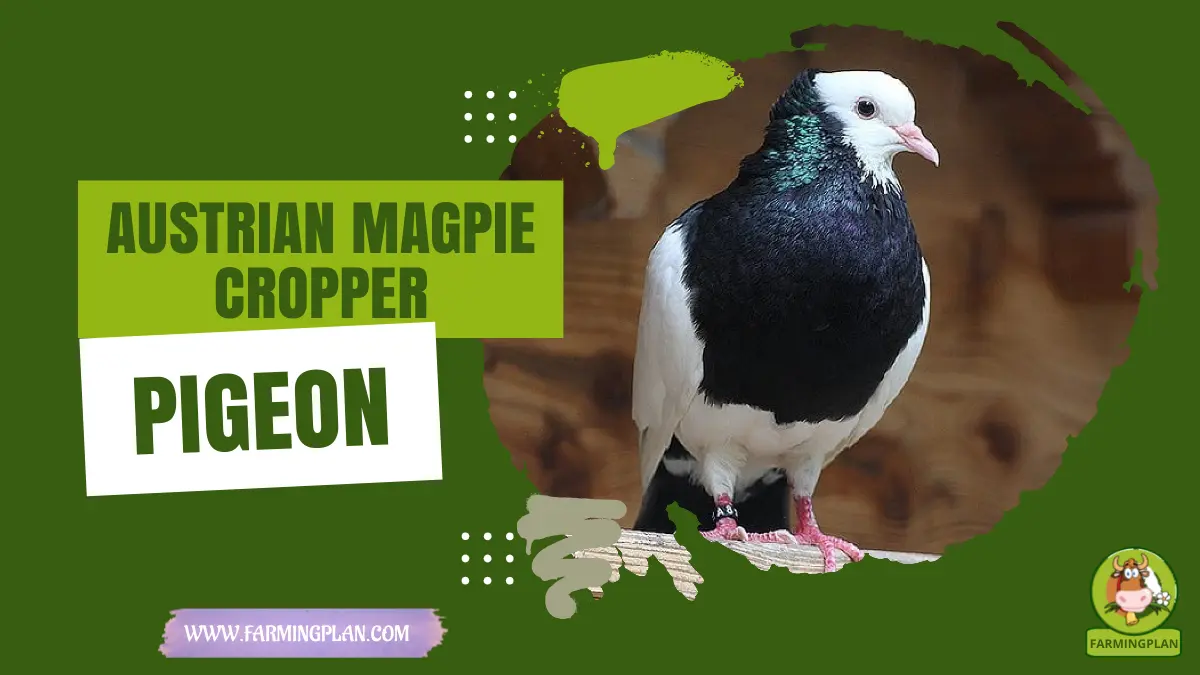
The defining anatomical hallmark of the breed is its inflatable globe (crop). When displaying or courting, the bird inflates its cervical esophagus into a smooth, spherical globe that rises cleanly from the waist, encircling the lower beak and throat without appearing distorted, pear-shaped, or sagging. The head is relatively small, narrow, and neatly rounded, sitting proudly atop the inflated globe. The beak is medium in length, straight, and flesh-colored, with a small, smooth white wattle.
Conformation Standards & Anatomical Structure
The plumage pattern exhibits the classic magpie (Elster) distribution. The head, bib (covering the neck and extending cleanly around the globe), upper back (heart area), and tail (including upper and lower tail coverts) are deeply and uniformly pigmented. In contrast, the wings, lower breast, belly, thighs, and vent are impeccably pure white. The demarcation line separating the colored bib from the white underbody must be crisp and symmetrical. Matching forage or ration quality to life stage optimizes Austrian Magpie Cropper Pigeon growth.
The wings are long, narrow, and tightly folded, resting neatly across the tail without crossing wing tips. The legs are long, straight, and completely clean-legged (devoid of feathering below the hocks), showing bright, coral-red scales and strong, slender toes that grip perches firmly. Eyes are bright, clear pearl-white, encircled by narrow, pale-flesh eye ceres. Gradual dietary transitions protect digestive stability in Austrian Magpie Cropper Pigeon.
Size, Weight Benchmarks & Color Variations
Mature cocks weigh between 12 and 14 ounces (340 to 400 grams), while hens average 11 to 13 ounces (310 to 370 grams). Their lightweight, slender structure ensures that birds remain agile and balanced while maintaining full globe inflation during active strutting.
Recognized color varieties include self black, rich blood-red, golden yellow, and clear slate blue, with black and red magpie patterns commanding the highest popularity in European show halls. Selecting healthy foundation stock is the cornerstone of successful Austrian Magpie Cropper Pigeon management.
⚡ Austrian Magpie Cropper Pigeon Performance & Production Matrix
| Functional Benchmark | Operational Standard | Performance Metric | Practical Field Application |
|---|---|---|---|
| Globe Inflation & Shape | Spherical, well-proportioned, holds air steadily | Superior (9.9/10) | Inflates cleanly without sagging, wheezing, or air leakage. |
| Upright Carriage & Station | Stands at 60° to 75° erect angle on long legs | Superior (9.8/10) | Slender waist and tight tail emphasize vertical exhibition posture. |
| Elster Marking Precision | Razor-sharp contrast between colored & white zones | Superior (9.7/10) | Judged strictly on clean bib cut, solid tail, and white wing shields. |
| Docility & Show Temperament | Spirited, active courtship display in show pens | Superior (9.8/10) | Responds enthusiastically to judging sticks and human handlers. |
| Parental Rearing Ability | Reliable squab rearers with proper nest bowls | Strong (8.9/10) | Parents produce abundant crop milk; large globes require deep nests. |
| Aviary Confinement Suitability | Thrives in sheltered walk-in aviaries & lofts | Superior (9.8/10) | Does not require open-sky flying; safe from aerial hawk strikes. |
Breed History, Heritage & North American Development
The evolutionary history of pouter and cropper pigeons dates back to seventeenth-century Europe, where birds with the genetic mutation for esophageal air inflation were cultivated in Holland, Germany, and England. By the mid-nineteenth century, Austrian fanciers in the eastern provinces sought to refine regional cropper types into a more slender, elegant bird featuring the high-contrast magpie plumage pattern. Through systematic selection of Austrian Croppers crossed with German Magpie Tumblers, the Austrian Magpie Cropper emerged as a distinct breed recognized in the early 1900s.
The RÖK (Austrian Poultry and Pigeon Breeders Federation) and the European Association of Poultry, Pigeon and Rabbit Breeders (EE) standardized official scales of points, prioritizing slender body type, symmetrical globe inflation, and flawless color cuts. Today, the breed is championed by specialist pouter societies across Austria, Germany, and North America. Scientific research supported by avian geneticists and the USDA Agricultural Research Service highlights how specialized physiological mutations like esophageal dilation are stabilized through purebred studbook management. Compare this elegant cropper with larger pouter breeds in our guide to the Pouter pigeon. Good predator-proofing and dry bedding safeguard Austrian Magpie Cropper Pigeon comfort in harsh weather.
Housing, Shelter Dimensions & Winter Hardiness
Housing architecture for Austrian Magpie Croppers requires specialized design considerations tailored to tall, inflatable-crop birds. Because croppers stand erect on long legs, lofts must provide generous vertical headroom, with ceilings standing at least 6.5 to 7.5 feet high to allow unrestricted movement. Monitoring water quality and mineral balance directly benefits Austrian Magpie Cropper Pigeon vitality.
Perches must be designed specifically for long-legged pouter breeds. Narrow dowels or inverted V-perches can cause birds to scrape their inflated globes or slip. Fanciers should install flat, smooth wooden box perches or 4-inch wide horizontal wooden boards mounted 24 to 48 inches above the floor, spaced at least 14 inches apart to prevent neighboring cocks from pecking at adjacent inflated crops.
Spatial Density & Enclosure Engineering
Floor management is vital for maintaining spotless white belly and thigh plumage. Clean, dry pine wood shavings, chopped straw, or commercial hemp bedding over solid wooden floors provides excellent moisture absorption. Lofts must be dry and draft-free, with high-level ventilation grilles covered in 1/2-inch galvanized hardware cloth to exclude rodents and wild birds. Practical hands-on husbandry ensures consistent results when raising Austrian Magpie Cropper Pigeon.
An attached outdoor covered flight aviary allows birds to sun themselves, which enhances feather sheen and supports vitamin D synthesis. The flight run should feature a solid roof to prevent wild bird droppings from transmitting infectious pathogens.
Nutritional Requirements, Daily Rations & Feeding Protocols
Nutritional management of the Austrian Magpie Cropper requires precise grain selection to prevent crop compaction and ‘sour crop’ (candida infection). Because croppers frequently inflate their esophagus with air, feeding dusty, moldy, or excessively large seeds can irritate mucosal linings and impair normal crop motility. Reviewing feeding protocols in our guide to racing homer pigeons highlights the importance of clean grain selection for athletic birds. Early intervention at the first sign of lethargy protects overall Austrian Magpie Cropper Pigeon flock or herd health.
The foundation of the daily ration must consist of a clean, triple-cleaned multi-grain mix containing 14 to 16 percent crude protein. This mix should feature small Canadian field peas, red milo, hard wheat, cracked corn, safflower seed, and small quantities of white millet and vetch. Extension avian specialists at Penn State Extension Avian Science emphasize that feeding measured rations twice daily prevents gorging and crop distention. Structured culling and biosecurity protocols strengthen Austrian Magpie Cropper Pigeon genetic quality.
Crude Protein Benchmarks Across Life Stages
Each adult bird consumes approximately 1.0 to 1.2 ounces (28 to 34 grams) of grain daily. Insoluble granite grit, crushed oyster shell, and red mineral stone must be available in a dry mineral cup at all times to ensure efficient gizzard seed grinding and bone density.
Clean, fresh water must be provided in covered gravity drinkers mounted on a raised block (4 to 6 inches high) so birds do not drag their inflated crops into the water trough while drinking. Maintaining clean feeders and sanitized equipment supports sustainable Austrian Magpie Cropper Pigeon care.
Health Management, Common Diseases & Biosecurity Standards
Preventive healthcare for Austrian Magpie Croppers centers on crop hygiene, respiratory ventilation, and parasite control. Because the inflated crop creates a warm, moist pocket of air and food, croppers are biologically predisposed to crop candidiasis (sour crop) and canker (trichomoniasis) if sanitation is compromised.
Water containers should be sanitized weekly, and drinking water can be lightly acidified with organic apple cider vinegar (5 ml per liter, two days weekly) to suppress fungal candida blooms. Routine inspection of the oral cavity and crop ensures that food moves steadily into the proventriculus without sour regurgitation. Consistent daily observation helps keepers spot early changes in Austrian Magpie Cropper Pigeon health and behavior.
Biosecurity Protocols & Veterinary Defenses
Vaccination against Pigeon Paramyxovirus (PMV-1) is mandatory, administered annually via subcutaneous injection in the lower neck. Show birds should also be vaccinated against pigeon pox prior to autumn exhibition tours. Clean housing, fresh water, and balanced nutrition remain essential for Austrian Magpie Cropper Pigeon productivity.
External parasites, like feather lice and quill mites, can chew pinholes in exhibition wing flights. Providing a shallow bath pan filled with clean water and bathing salts once or twice weekly allows birds to maintain clean, pest-free plumage. Bath water should be removed after two hours to prevent consumption of soiled water. If you are balancing utility output and herd resilience, take a look at our Baja Tumbler Pigeon reference guide.
Breeding Management, Reproductive Cycles & Offspring Care
Breeding Austrian Magpie Croppers requires pairing birds with complementary marking cuts and balanced globe shapes. Breeding pens must be spacious, measuring at least 30 inches wide, 18 inches deep, and 18 inches high, equipped with heavy, wide earthenware nest bowls (10 to 11 inches in diameter) lined with thick felt pads. Tracking feed intake and body condition supports long-term Austrian Magpie Cropper Pigeon performance.
The hen lays two eggs approximately 8 to 10 days after mating, with incubation shared by both parents over 17 to 19 days. While many Austrian Magpie Croppers are excellent, nurturing parents, their large inflatable globes can sometimes make it difficult to brood tiny, fragile newly hatched squabs. Experienced fanciers frequently utilize dependable foster pairs (such as Homer or Roller pigeons) to hatch and rear elite exhibition squabs.
Squabs should be banded with official size 8 mm seamless aluminum leg bands at seven to ten days of age. As young birds mature at four to six months, they begin testing their air sacs, gradually developing the muscular control necessary for full spherical crop inflation. Following biosecurity best practices reduces disease risk in any Austrian Magpie Cropper Pigeon operation.
US Ownership Budget & Annual Maintenance Costs
Establishing an Austrian Magpie Cropper breeding loft requires modest initial capital investment and exceptionally low ongoing maintenance costs. Sourcing pedigreed breeding stock from recognized pouter fanciers and constructing a tall, dry aviary provides decades of aesthetic and competitive enjoyment. Seasonal adjustments to shelter and diet keep Austrian Magpie Cropper Pigeon thriving year-round.
The financial model below details typical initial investments and recurring annual operational expenses for maintaining a 16-bird Austrian Magpie Cropper flock on an American homestead.
💰 Estimated Annual Budget & Maintenance Costs (USD)
| Budget Category | Item Description & Scope | Initial Capital Outlay | Annual Recurring Expense |
|---|---|---|---|
| Pedigreed Exhibition Pair | Two mated pairs of show-standard Magpie Croppers | $250 – $600 | $0 |
| Predator-Proof Pouter Loft | 6×8 ft tall timber loft with outdoor flight run | $900 – $1,800 | $60 / yr |
| Triple-Cleaned Multi-Grain Mix | 50-lb clean pigeon grain bags (14-16% protein) | $0 | $140 – $200 / yr |
| Mineral Grit & Crop Conditioners | Granite grit, oyster shell, charcoal, cider vinegar | $0 | $45 – $70 / yr |
| PMV-1 Vaccines & Canker Care | Annual paramyxovirus vaccine, ronidazole | $0 | $50 – $80 / yr |
| Floor Shavings & Deep Nest Pads | Kiln-dried pine wood shavings, earthenware nests | $0 | $80 – $120 / yr |
| Drinkers, Feeders & Box Perches | Raised siphon drinkers, smooth wooden box perches | $70 – $130 | $20 / yr |
🕊️ Austrian Magpie Cropper Pigeon Loft & Grain Mix Calculator
Estimate daily grain ration (lbs), mineral grit, monthly 50-lb feed bags, and minimum indoor loft and outdoor aviary space (sq ft) for your Austrian Magpie Cropper Pigeon loft.
Frequently Asked Questions (FAQ)
How does an Austrian Magpie Cropper inflate its crop?
The bird inflates its cervical esophagus with air through voluntary muscular contraction of the throat. When excited, courting, or displaying, it pumps air into the crop to form a smooth, spherical globe held erect above the waist.
What are the correct magpie markings on an Austrian Magpie Cropper?
The head, bib (covering the inflated crop), upper back (heart), and entire tail must be deeply colored, while the wings, lower belly, flanks, and thighs must be pristine pure white, with a sharp, clean demarcation line across the waist.
Can Austrian Magpie Croppers fly outside?
They can fly short distances, but their large inflatable crop and slender body make them less aerodynamic than racing homers or tumblers. Most fanciers keep them in spacious enclosed flight aviaries to protect them from hawks and wind turbulence.
What is ‘sour crop’ and how is it prevented in cropper pigeons?
Sour crop is a fungal candida infection or food impaction in the dilated crop. It is prevented by feeding clean, dust-free grain rations, providing clean drinking water acidified with apple cider vinegar, and avoiding moldy or damp feeds.
Expert Verdict & Next Steps for US Aviary Keepers
The Austrian Magpie Cropper pigeon is a masterpiece of European aviculture, combining theatrical globe inflation, dignified upright station, and crisp, contrasting magpie plumage. For aviculturists seeking an engaging, spirited show pigeon with endless personality, the Austrian Magpie Cropper delivers unparalleled visual elegance. For comparison with performing aerial varieties, explore our guide to tumbler pigeon breeds. Proper record-keeping makes breeding and culling decisions easier for Austrian Magpie Cropper Pigeon keepers.
Before bringing croppers home, ensure your loft provides ample vertical headroom, wide box perches, and raised clean waterers to protect their inflated crops. With attentive sanitation and balanced grain nutrition, your Austrian Magpie Croppers will thrive and captivate all who visit your aviary.
📚Agricultural Reference & Scientific Citations
Standards and physiological data referenced in this guide comply with American Poultry Association (APA), The Livestock Conservancy, and USDA APHIS Avian Biosecurity Standards.


