

⚡ Poultry Classifications at a Glance: The 6 Large Fowl Classes
| American Class | Dual-purpose heavy breeds (Plymouth Rock, Rhode Island Red, Wyandotte); yellow skin, red earlobes, brown eggs |
| Asiatic Class | Heavy feathered-shank breeds (Brahma, Cochin, Langshan); large frames, docile temperament, brown eggs |
| Mediterranean Class | Light high-production layers (Leghorn, Ancona, Minorca); active foragers, white earlobes, white eggs |
| English Class | Fleshy meat & table breeds (Orpington, Sussex, Australorp, Cornish); white skin (except Cornish), brown eggs |
| Continental Class | European ornamental & dual-purpose (Faverolles, Polish, Houdan, Marans); crests, beards, dark brown eggs |
| All Other Standard (AOSB) | Game fowl, long-tailed & unusual breeds (Ameraucana, Araucana, Modern Game, Phoenix); blue/green eggs |
| Bantam Classifications | Categorized separately: Game, Single Comb Clean Leg, Rose Comb Clean Leg, All Other Clean Leg, Feather Legged |
| Duck & Goose Classes | Waterfowl divided by adult body weight: Heavy, Medium, Light, and Bantam duck classes; Heavy, Medium, Light geese |
| Turkey Classification | Single recognized class featuring eight historical varieties (Bronze, Narragansett, White Holland, Bourbon Red) |
Poultry Taxonomy & Breed Standards • 2026 Master Guide
Mastering formal poultry classifications provides poultry breeders, show judges, agricultural educators, and homesteaders with the systematic framework needed to navigate the vast world of domesticated fowl. Codified by the American Poultry Association (APA) in its historic American Standard of Perfection, standard large fowl are systematically categorized into six distinct geographical and anatomical classes: American, Asiatic, Mediterranean, English, Continental, and All Other Standard Breeds (AOSB). Understanding class characteristics, breed conformations, and variety color patterns is fundamental for purebred breeding and successful flock stewardship. Early intervention at the first sign of lethargy protects overall poultry classifications flock or herd health. Structured culling and biosecurity protocols strengthen poultry classifications genetic quality.
The APA Taxonomic Hierarchy: Class, Breed & Variety
Navigating poultry taxonomy requires understanding the three-tier classification hierarchy established in 1874 by the American Poultry Association. In avian terminology, “class,” “breed,” and “variety” carry precise biological meanings that dictate show disqualifications and breeding selection criteria. Maintaining clean feeders and sanitized equipment supports sustainable poultry classifications care.
A Class groups breeds sharing common geographical points of origin or functional physical similarities. A Breed identifies a distinct body shape, carriage, and anatomical silhouette; in show judging, the universal rule states that “shape makes the breed.” A Variety subdivides a breed based on plumage color pattern (e.g., Barred, Buff, Silver Laced) or comb conformation (e.g., Single Comb vs. Rose Comb). Exploring this hierarchy unlocks systematic flock breeding. Review flock management in our chicken farming manuals. Consistent daily observation helps keepers spot early changes in poultry classifications health and behavior.
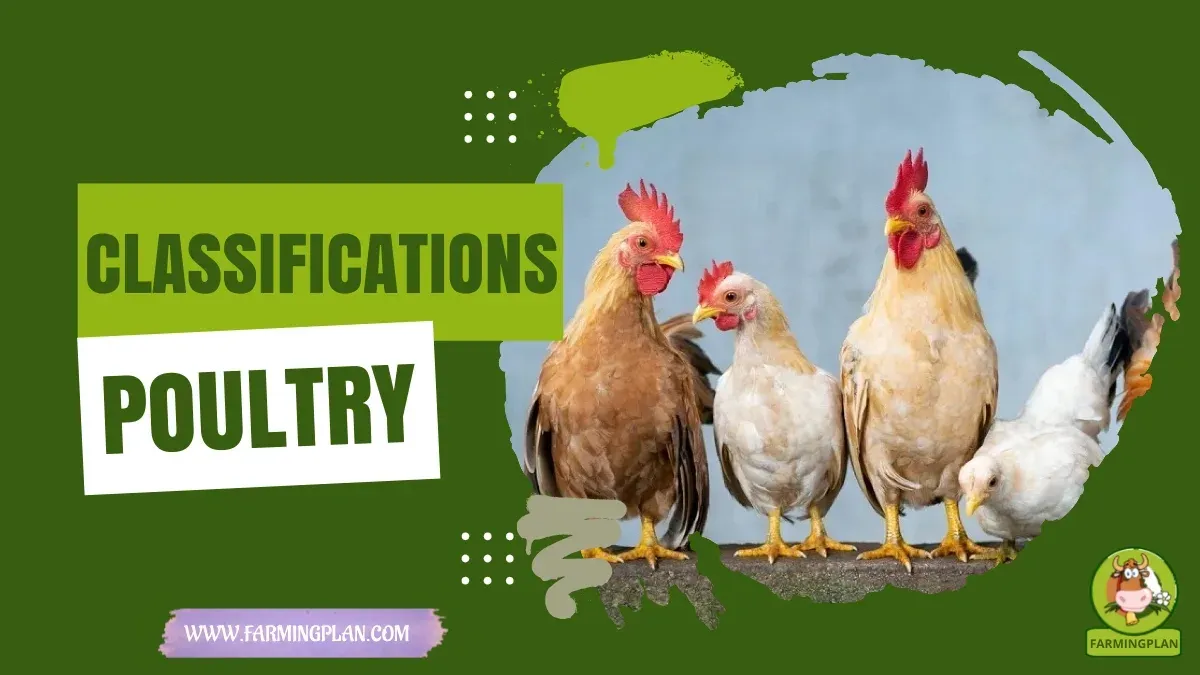
The American Class: Dual-Purpose Pioneers
The American Class represents the pinnacle of 19th-century New England agricultural breeding, engineered specifically for diversified smallholders needing robust chickens capable of laying abundant brown eggs through freezing winters while delivering heavy roasting carcasses. To evaluate alternative bloodlines and practical management routines, check our Cara Blanca Chicken overview. Clean housing, fresh water, and balanced nutrition remain essential for poultry classifications productivity.
Defining traits of the American Class include clean (unfeathered) yellow legs and shanks, red earlobes, medium-to-large body mass, and brown eggshells. Flagship breeds include the Plymouth Rock, Rhode Island Red, New Hampshire, Wyandotte, Jersey Giant, and Delaware. Their yellow skin was preferred by American consumers, while their docile disposition and cold tolerance made them homestead staples across North America. Tracking feed intake and body condition supports long-term poultry classifications performance.
American breeds also feature tight feathering and well-muscled keels that withstand harsh northern winters without frostbite risks on body tissues, making them dependable foundation birds for diverse family smallholdings. Following biosecurity best practices reduces disease risk in any poultry classifications operation.
The Asiatic Class: Heavy Giants of the Orient
Imported to the West from China and Southeast Asia in the mid-19th century, the Asiatic Class triggered the historic “Hen Craze” across Victorian Britain and North America. These massive, stately birds fundamentally transformed domestic poultry genetics. Seasonal adjustments to shelter and diet keep poultry classifications thriving year-round.
The Asiatic Class comprises three iconic breeds: Brahma, Cochin, and Langshan. Characteristics include very large body frames, heavily feathered shanks and outer toes (except Langshans which feature light feathering), docile, calm temperaments, and brown eggs. Brahmas and Cochins possess yellow skin, while Langshans display white skin. Their heavy feathering provides supreme insulation against sub-zero winter temperatures, though wet, muddy paddocks can soil foot plumage. Proper record-keeping makes breeding and culling decisions easier for poultry classifications keepers.
The gentle, placid temperament of Asiatic fowl makes them exceptionally easy to handle and contain, as their massive body weight and modest wing surface area prevent them from flying over low yard fences. Providing adequate space and ventilation prevents common stress issues in poultry classifications.
The Mediterranean Class: High-Volume White Egg Specialists
The Mediterranean Class encompasses agile, light-bodied breeds indigenous to southern Europe, developed for maximum egg production efficiency with minimal feed consumption. Unlike heavy meat classes, these birds channeled their metabolic energy into egg laying. Understanding breed-specific traits helps maximize poultry classifications longevity and output.
Defining physical hallmarks include tight, clean plumage, large single or rose combs, white enamel earlobes, clean yellow or slate shanks, and chalk-white eggshells. Breeds include the Leghorn, Minorca, Ancona, Andalusian, and Spanish. The White Leghorn serves as the genetic foundation for all modern commercial white egg layer strains. They are active, flighty foragers that rarely go broody. Compare commercial management in our layer poultry farming guide. Routine preventive care saves time and lowers veterinary costs for poultry classifications. Matching forage or ration quality to life stage optimizes poultry classifications growth.
Because Mediterranean breeds possess prominent combs and wattles, unheated northern poultry barns require careful frostbite monitoring during sub-zero winter spells to protect comb points from tissue freezing. Gradual dietary transitions protect digestive stability in poultry classifications.
The English & Continental Classes: Table Meat & European Heritage
The English Class focuses heavily on prime table meat conformation, characterized by white skin (with the notable exception of the yellow-skinned Cornish), deep breast muscling, and red earlobes. Famous representatives include the Orpington, Sussex, Australorp, and Dorking (which possesses five toes). The broad-breasted Cornish serves as the primary genetic sire line for virtually all modern industrial broilers. Selecting healthy foundation stock is the cornerstone of successful poultry classifications management.
The Continental Class encompasses diverse breeds from mainland Europe, subdivided into Northern European, Polish, and French categories. This class features ornamental crests, muffs, and beards (such as Polish and Houdans), alongside prized production breeds like the Salmon Faverolles and French Marans, famous for laying dark chocolate-brown eggs. Explore dual-purpose options in our Kuroiler chicken guide. Good predator-proofing and dry bedding safeguard poultry classifications comfort in harsh weather.
Crested Continental breeds require dry, sheltered housing to keep head crests and beards clean. In damp or muddy runs, wet crest feathers can obstruct vision and predispose birds to pecking injuries or eye infections from flockmates. Monitoring water quality and mineral balance directly benefits poultry classifications vitality.
All Other Standard Breeds (AOSB), Bantams & Waterfowl
The All Other Standard Breeds (AOSB) class groups unique breeds that do not fit standard geographical classifications. This includes ancient Oriental and Modern Game fowl bred for tall, tight-feathered game conformation, long-tailed Phoenix chickens, and the South American blue-egg laying Araucana and Ameraucana breeds. Practical hands-on husbandry ensures consistent results when raising poultry classifications.
Bantams represent miniature versions of large fowl (as well as true bantams with no large counterpart), classified into five show groups based on comb style and shank feathering. Waterfowl classifications organize ducks (Heavy, Medium, Light, Bantam) and geese (Heavy, Medium, Light) based on mature body mass. Review commercial equipment requirements in our layer poultry equipment manual. Early intervention at the first sign of lethargy protects overall poultry classifications flock or herd health.
Waterfowl require distinct management considerations, including continuous access to open water troughs deep enough to submerge their entire heads for eye lubrication and nasal gland clearing, while large fowl require dry, elevated perches. Structured culling and biosecurity protocols strengthen poultry classifications genetic quality.
Exhibition Selection, Disqualifications & Flock Health
Show breeding requires meticulous adherence to the APA Standard of Perfection. Judges evaluate birds against ideal point score allocations covering shape (symmetry, back length, breast depth) and color (feather pattern, eye color, shank pigmentation). Maintaining clean feeders and sanitized equipment supports sustainable poultry classifications care.
General disqualifications eliminate birds from competition regardless of breed quality; common faults include crooked breastbones, side sprigs on single combs, split wings, wry tails, and stubs (tiny feathers on shanks of clean-legged breeds). Maintain high biosecurity and immunizations against Marek’s and Newcastle diseases. Review our poultry vaccination schedule, egg-bound chicken protocols, and anthrax livestock guidelines. Consistent daily observation helps keepers spot early changes in poultry classifications health and behavior.
⚡ Estimated Annual Budget & Maintenance Costs (USD)
Maintaining a dedicated purebred exhibition breeding flock of 25 standard heritage large fowl involves modest operational expenses and steady returns from hatching egg and breeding bird sales. Below is an itemized 2026 economic breakdown: Clean housing, fresh water, and balanced nutrition remain essential for poultry classifications productivity.
| Operational Expense Category | Initial Setup (USD) | Annual Recurring Cost (USD) |
|---|---|---|
| Pedigree APA Breeding Stock (2 Trio Sets: 2 Males, 4 Females) | $250 – $450 | $0 |
| Exhibition-Quality Divided Breeding Pens & Predator Wire | $850 – $1,500 | $80 – $150 |
| Forced-Air Digital Egg Incubator & Chick Brooder Setup | $220 – $450 | $30 – $60 |
| High-Protein Breeder Mash (18% CP) & Grower Crumbles | $0 | $650 – $950 |
| Coarse Oyster Shell, Insoluble Granite Grit & Feeder Hoppers | $35 – $60 | $40 – $70 |
| Poultry Vaccines, Dewormers & Show Conditioning Sprays | $60 – $110 | $80 – $140 |
| APA Membership, Show Entry Fees & Transport Coops | $120 – $220 | $150 – $280 |
| Total Estimated Investment | $1,535 – $2,790 | $1,030 – $1,650 / year |
🐔 Poultry Classifications Flock Feed & Egg Yield Calculator
Estimate daily layer feed (lbs), monthly 50-lb feed bags, coop and run requirements, and expected weekly fresh egg yield for your Poultry Classifications flock.
Frequently Asked Questions (FAQ)
What are the six recognized classes of standard large chickens?
The American Poultry Association recognizes six standard large fowl classes: American, Asiatic, Mediterranean, English, Continental, and All Other Standard Breeds (AOSB).
What is the difference between a poultry breed and a variety?
A breed is defined by body shape, carriage, and anatomical silhouette (‘shape makes the breed’), while a variety represents sub-categories based on plumage color or comb type.
What are the main characteristics of the American Class?
American Class chickens are dual-purpose breeds with unfeathered yellow legs, red earlobes, and brown eggs, including Plymouth Rocks, Rhode Island Reds, and Wyandottes.
Which poultry class lays white-shelled eggs?
The Mediterranean Class is famous for laying chalk-white eggs, featuring light-bodied, active foragers with white earlobes and high egg output, such as the Leghorn and Ancona.
What distinguishes the Asiatic Class of chickens?
The Asiatic Class consists of massive, heavily feathered breeds with feathered shanks and calm, docile temperaments that lay brown eggs, including Brahmas and Cochins.
How are bantam chickens classified compared to large fowl?
Bantams are classified into five distinct show categories: Modern Game, Game, Single Comb Clean Legged, Rose Comb Clean Legged, All Other Comb Clean Legged, and Feather Legged.
Key Taxonomic Advantages
- Provides clear genetic blueprints to guide selective flock breeding programs
- Standardized judging criteria ensure fair, consistent competition at shows
- Preserves historic heritage gene pools for disease resistance and climate resilience
- Helps farmers match breed physical traits to local climate and production goals
- Enhances pedigree commercial value for hatching egg and breeding bird sales
Management Considerations
- Rigorous show standards require culling birds with minor physical disqualifications
- Feather-legged Asiatic breeds require dry bedding to prevent foot feather breakage
- Active Mediterranean breeds require high perimeter fencing to contain flyers
- Exhibition breeding requires multi-pen mating setups and individual record keeping
📚Agricultural Reference & Scientific Citations
1. American Poultry Association (APA): American Standard of Perfection: Classes, Breeds & Varieties.
2. Poultry Club of Great Britain: British Poultry Standards: Breeds, Classes & Markings.
3. The Livestock Conservancy: Heritage Poultry Breeds: Conservation Status and Production Traits.


