

⚡ Livestock Anthrax at a Glance: Pathological Benchmarks & Protocols
| Etiological Agent | Bacillus anthracis (Gram-positive, endospore-forming rod) |
| Primary Susceptible Hosts | Cattle, sheep, goats, horses (highly susceptible); swine, dogs (moderate resistance) |
| Primary Clinical Manifestation | Sudden death, dark uncoagulated blood discharge from natural body orifices |
| Spore Environmental Persistence | Decades (up to 50+ years in alkaline, organic, calcium-rich soils) |
| Post-Mortem Necropsy Rule | Strictly prohibited (exposure to air induces immediate vegetative sporulation) |
| Carcass Disposal Method | Deep incineration or deep burial (minimum 6–8 feet) with hydrated lime |
| Preventative Immunization | Live Sterne strain vaccine (administered 2 to 4 weeks prior to seasonal risk) |
| Regulatory Classification | Notifiable federal animal disease; mandatory state/national reporting |
| Zoonotic Transmission Risk | Cutaneous, gastrointestinal, and inhalation risk to human handlers |
When planning anthrax livestock management, Veterinary Epidemiology & Cattle Health • 2026 Guidelines
Controlling anthrax in livestock represents one of the most serious biosecurity responsibilities facing cattle producers, small ruminant graziers, and agricultural veterinarians. Caused by the spore-forming bacterium Bacillus anthracis, anthrax is an acute, peracute zoonotic disease that primarily targets domestic herbivores including cattle, sheep, goats, and horses. Because dormant bacterial endospores persist in alkaline, calcium-rich soils for decades, environmental disturbances such as severe flooding followed by high summer temperatures can trigger explosive pasture outbreaks, resulting in sudden livestock mortality without preliminary clinical signs. Providing adequate space and ventilation prevents common stress issues in anthrax livestock. Understanding breed-specific traits helps maximize anthrax livestock longevity and output.
Etiology & Endospore Ecology of Bacillus anthracis
The etiological agent of anthrax, Bacillus anthracis, possesses an unusual dual-phase life cycle that enables long-term survival in open pastoral environments. Within an infected animal’s living bloodstream, the organism exists as a vegetative, encapsulated bacillus that multiplies rapidly, releasing lethal tripartite toxin complexes (edema factor, lethal factor, and protective antigen). These toxins destroy vascular endothelial integrity, induce severe internal hemorrhaging, and precipitate rapid circulatory collapse. Routine preventive care saves time and lowers veterinary costs for anthrax livestock.
However, when an infected animal dies and body fluids are exposed to atmospheric oxygen, vegetative cells cease multiplication and immediately form microscopic endospores. These endospores are extraordinarily resistant to heat, ultraviolet radiation, desiccation, and standard chemical disinfectants. In neutral to alkaline soils rich in calcium and organic nitrogen—often termed “anthrax zones”—spores remain viable for generations. Heavy rains concentrate spores in topographic depressions, followed by drought conditions that force grazing livestock to crop plants close to contaminated soil roots. Matching forage or ration quality to life stage optimizes anthrax livestock growth. Gradual dietary transitions protect digestive stability in anthrax livestock.
Clinical Signs & Peracute Pathological Symptoms
In ruminants such as beef cattle, dairy cows, and sheep, anthrax most commonly takes a peracute or acute course. In peracute cases, animals appear completely healthy during evening rounds but are found dead the following morning without prior warnings. When acute symptoms are observed, they include extreme pyrexia (temperatures exceeding 106°F or 41°C), violent muscular tremors, dyspnea, congested dark mucous membranes, and terminal convulsions followed by rapid collapse. Selecting healthy foundation stock is the cornerstone of successful anthrax livestock management.
Post-mortem examination of intact carcasses reveals characteristic cardinal indicators: absent or incomplete rigor mortis, rapid abdominal bloating and decomposition, and the exudation of dark, tarry, uncoagulated blood from the mouth, nostrils, vulva, and rectum. In swine, which exhibit higher natural resistance than ruminants, anthrax typically manifests subacutely as severe inflammatory edema of the throat, larynx, and cervical lymph nodes, often causing asphyxiation. Recognizing these clinical profiles is essential to preventing accidental human contamination. If you are balancing utility output and herd resilience, take a look at our Burlina Cattle reference guide. Good predator-proofing and dry bedding safeguard anthrax livestock comfort in harsh weather. Monitoring water quality and mineral balance directly benefits anthrax livestock vitality.
Outbreak Containment & Mandatory Carcass Disposal Protocols
When anthrax is suspected, standard field procedures must be immediately suspended. Under no circumstances should a producer open the carcass or perform a field necropsy. Slicing open an infected animal introduces atmospheric oxygen to trillions of vegetative bacilli, triggering instantaneous, irreversible spore formation that permanently contaminates the pasture for future livestock generations. Practical hands-on husbandry ensures consistent results when raising anthrax livestock.
Veterinary confirmation should be achieved non-invasively through a jugular blood smear or peripheral vein aspiration performed with a sterile needle and syringe. Once confirmed, quarantine the surrounding pasture immediately, preventing livestock, scavengers, and biting insects from accessing the area. Carcasses must be disposed of on-site whenever legally permissible. The primary gold standard disposal technique is complete thermal incineration using commercial incinerators or open timber pyres until the carcass is reduced to ash. Early intervention at the first sign of lethargy protects overall anthrax livestock flock or herd health. Structured culling and biosecurity protocols strengthen anthrax livestock genetic quality.
Where incineration is prohibited by local wildfire restrictions, deep burial at a minimum depth of 6 to 8 feet below grade is required. The carcass must be covered generously with hydrated unslaked lime (calcium hydroxide) before backfilling to deter burrowing carnivores and inhibit earthworm translocation of spores. Review related pasture health frameworks across our dairy farming guidelines and sheep management manual. Maintaining clean feeders and sanitized equipment supports sustainable anthrax livestock care.
Therapeutic Interventions & Antimicrobial Regimens
While peracute anthrax progresses too swiftly for intervention, herd mates showing early pyrexia during an active outbreak can be successfully treated with high-dose bactericidal antimicrobials. Bacillus anthracis remains highly susceptible to beta-lactam antibiotics. Immediate administration of high-dose procaine penicillin G (20,000 to 40,000 IU per kg body weight intramuscularly daily for five consecutive days) is the standard first-line veterinary protocol. Consistent daily observation helps keepers spot early changes in anthrax livestock health and behavior. Clean housing, fresh water, and balanced nutrition remain essential for anthrax livestock productivity.
Oxytetracycline (20 mg per kg long-acting formulation) serves as an effective alternative in large commercial feedlot or range cattle herds. Supportive therapy with anti-inflammatory flunixin meglumine helps mitigate severe endotoxemia. However, antibiotics must never be administered concurrently with live attenuated anthrax vaccines, as circulating antibiotics will destroy the vaccine organisms and neutralize protective immunity. Tracking feed intake and body condition supports long-term anthrax livestock performance.
Herd Immunization, Sterne Strain Vaccine & Biosecurity
Preventative vaccination is the bedrock of herd defense in endemic geographic corridors. The standard veterinary biological is the non-encapsulated live attenuated Sterne strain vaccine (34F2). Because the Sterne strain lacks the poly-D-glutamic acid capsule necessary for virulence, it cannot cause disease in immunocompetent livestock while inducing potent protective antibodies against anthrax protective antigen. Following biosecurity best practices reduces disease risk in any anthrax livestock operation. Seasonal adjustments to shelter and diet keep anthrax livestock thriving year-round.
Administer the vaccine subcutaneously two to four weeks prior to the onset of hot summer conditions or historical seasonal outbreak windows. A single annual booster sustains robust humoral titers in cattle, horses, and small ruminants. Following an active outbreak, vaccinate all healthy exposed animals at least seven to ten days after concluding antibiotic therapy. Strict biosecurity controls—including disinfecting farm equipment with 10% formalin or sporocidal peracetic acid—prevent inter-farm mechanical transmission. Proper record-keeping makes breeding and culling decisions easier for anthrax livestock keepers.
Zoonotic Transmission Vectors & Human Occupational Safety
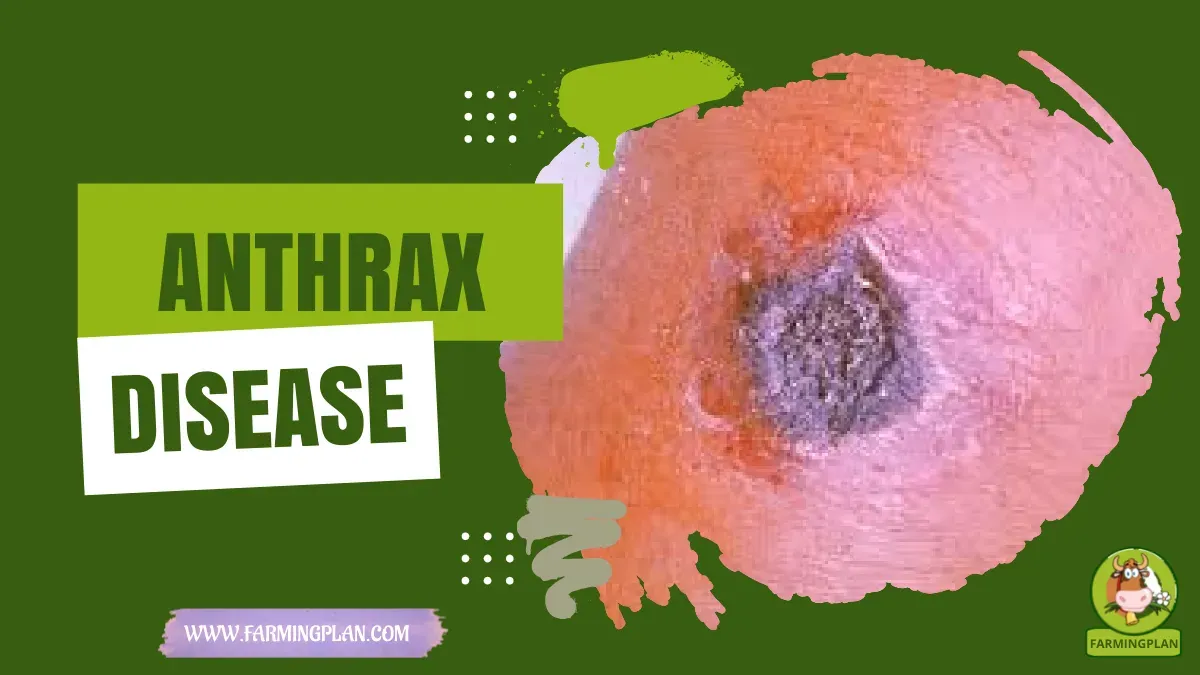
Anthrax is a formidable zoonosis capable of infecting humans through three distinct pathways: cutaneous, gastrointestinal, and inhalation. Cutaneous anthrax, representing over 95% of natural human cases, occurs when viable spores enter abrasions on the hands or arms during hide handling or carcass manipulation. It begins as a painless pruritic papule that rapidly ulcerates into a pathognomonic black necrotic eschar surrounded by gelatinous edema. Providing adequate space and ventilation prevents common stress issues in anthrax livestock. Understanding breed-specific traits helps maximize anthrax livestock longevity and output.
Gastrointestinal anthrax results from consuming undercooked meat originating from infected livestock, leading to severe abdominal pain, hematemesis, and fatal septic shock. Inhalation anthrax (woolsorter’s disease) carries a high mortality rate and occurs when aerosolized spores are inhaled during fleece shearing or milling. Livestock handlers, shearers, and veterinarians must wear impervious coveralls, N95 respirators, and heavy nitrile gloves whenever managing unexplained herd deaths. Routine preventive care saves time and lowers veterinary costs for anthrax livestock.
Pasture Sanitation & Soil Decontamination Strategies
Decontaminating pasture soils where an anthrax carcass has leaked body fluids represents a formidable long-term agronomic challenge. Traditional surface tilling or harrowing must be avoided, as disturbing topsoil merely brings deeply buried spores back to the pasture surface where grazing animals can ingest them during foraging. Matching forage or ration quality to life stage optimizes anthrax livestock growth. Gradual dietary transitions protect digestive stability in anthrax livestock.
Drench the exact death site with 5% to 10% formaldehyde solution or 10% glutaraldehyde at a volume of 50 liters per square meter to saturate the soil column. Erect permanent perimeter fencing around confirmed historical mortality zones to permanently exclude livestock from grazing low depressions. Keepers should cross-reference biosecurity standards with our poultry vaccination protocols and dual-purpose cattle breed guides for comprehensive farm defense. Selecting healthy foundation stock is the cornerstone of successful anthrax livestock management.
⚡ Estimated Annual Budget & Maintenance Costs (USD)
Implementing a comprehensive herd anthrax prevention and biosecurity containment plan for a 100-head commercial cattle enterprise involves modest insurance expenses compared to catastrophic outbreak losses. Below is an itemized 2026 financial projection: Good predator-proofing and dry bedding safeguard anthrax livestock comfort in harsh weather.
| Operational Expense Category | Initial Setup (USD) | Annual Recurring Cost (USD) |
|---|---|---|
| Annual Sterne Vaccine Doses (100 head @ $2.50/dose) | $0 | $250 |
| Veterinary Administration & Annual Herd Health Review | $150 – $250 | $150 – $200 |
| Emergency Antimicrobials (Procaine Penicillin & Oxytetracycline) | $180 – $300 | $50 – $100 |
| PPE Kit (Tyvek Suits, Heavy Nitrile Gloves, N95 Respirators) | $75 – $120 | $25 – $50 |
| Hydrated Lime & Sporocidal Chemical Disinfectants | $60 – $100 | $30 – $50 |
| Pasture Exclusion Fencing for Historical Spore Hotspots | $250 – $500 | $20 – $40 |
| Regulatory Blood Smear Diagnostic Sampling Reserves | $100 | $0 – $50 |
| Total Estimated Investment | $815 – $1,370 | $525 – $690 / year |
🐄 Anthrax Livestock Daily Forage & Bale Calculator
Calculate daily dry matter forage, winter round bale consumption, pasture allocation, and water requirements for Anthrax Livestock cattle.
Frequently Asked Questions (FAQ)
What are the first signs of anthrax in grazing livestock?
In ruminants, anthrax typically presents as sudden, unexpected death with no previous symptoms. If seen alive, animals display high fever (over 106°F), severe muscle tremors, rapid breathing, and sudden collapse.
Why is performing a necropsy on an anthrax suspect prohibited?
Opening an anthrax carcass exposes vegetative bacteria to atmospheric oxygen, inducing rapid spore formation. These durable endospores permanently contaminate the pasture soil for decades and create severe airborne risks for humans.
How long do Bacillus anthracis spores survive in pasture soil?
Anthrax spores can remain dormant and fully infectious in alkaline, organic-rich soil for 50 years or more. Flooding followed by severe summer heat frequently brings dormant spores to the surface.
Can livestock survive anthrax if treated with antibiotics?
Yes, if treated in the earliest stages of fever before terminal toxin shock sets in. High doses of procaine penicillin G or oxytetracycline administered over five consecutive days are effective in neutralizing vegetative bacilli.
How often should livestock be vaccinated against anthrax?
In endemic regions, livestock should receive the live attenuated Sterne strain vaccine annually, administered subcutaneously two to four weeks before the typical hot summer outbreak season begins.
What should you do with a confirmed anthrax animal carcass?
Never move the carcass across open pastures. Dispose of it on-site by complete thermal incineration or deep burial at least six to eight feet deep covered in hydrated unslaked lime before backfilling.
Key Advantages of Preventative Control
- Inexpensive annual Sterne vaccine provides robust immunity across entire herd
- Rapid early penicillin therapy can rescue exposed livestock showing initial pyrexia
- Strict on-site carcass disposal prevents permanent spore seeding across pastures
- Eliminates human occupational risks through standardized biosecurity PPE
- Protects commercial farm reputation and preserves unrestricted livestock marketing
Critical Disease Challenges
- Peracute onset frequently kills healthy livestock before any symptoms appear
- Bacterial endospores survive in alkaline soil for decades without host animals
- High zoonotic danger requiring extreme personal protective equipment during handling
- Field necropsy is strictly prohibited due to explosive atmospheric sporulation
📚Agricultural Reference & Scientific Citations
1. World Organisation for Animal Health (WOAH): Terrestrial Manual: Anthrax Surveillance and Diagnostics.
2. United States Department of Agriculture (USDA-APHIS): National Animal Health Emergency Management System: Anthrax Guidelines.
3. Centers for Disease Control and Prevention (CDC): Zoonotic Anthrax: Clinical Management and Worker Safety.


