Welcome to my homesteading world! If you want a majestic breed for your rabbitry, the Argenté De Champagne Rabbit is an absolute gem. I remember bringing my first pair to my barn years ago, and their gorgeous silver pelts instantly blew me away. This French heritage breed brings amazing charm, rich history, and incredible versatility to any barn or home. Today, they remain a top pick for anyone seeking a true dual-purpose rabbit with deep historical roots.
Whether you are searching for high-quality breeding stock or looking at Champagne D Argent rabbits for sale to start your own herd, this breed delivers top performance. They make wonderful animals for backyard homesteads and show rings alike. Throughout this guide, I will share my firsthand experience with their care, diet, temperament, and breeding requirements so you can raise a happy, healthy herd.
| Attribute / Metric | Specification & Benchmark |
|---|---|
| Classification & Class | Lagomorph / Domestic Rabbit (Oryctolagus cuniculus) |
| Primary Production Focus | Homestead Meat Production, Wool/Angora Fiber & Fertilizer |
| Productivity / Performance Yield | Rapid reproduction; produces rich cold manure for gardens |
| Mature Benchmark Weight / Size | Bucks: 8–11 lbs (3.6–5.0 kg) | Does: 9–12 lbs (4.1–5.4 kg) |
| Temperament & Behavior | Quiet, docile, easy to handle in clean hutches |
| Climate & Environmental Hardiness | Cold hardy; requires shade and cooling in temperatures over 85°F |
| Management & Homestead Rating | Beginner to Intermediate Friendly |
History & Origins of Argent De Champagne Rabbit
The history of this historic breed traces back several centuries to the Champagne region in France. Local farmers in Champagne districts bred these rabbits for their luxurious fur trimmings and delicious meat type yield. By the mid-1800s, breeders showcased these silver beauties at the famous Jardin d’Acclimatation in Paris. Their popularity spread quickly across Europe, reaching England under the name French Silver. British fanciers appreciated their striking coat and solid build, which helped popularize the broader Argente rabbit family, including variations like Argente Brun, Argente Noir, and Argente Bleu. Argenté De Champagne Rabbit guide covering history, price, care, diet, temperament, breeding, health, and practical rabbit-raising tips.
In the early 20th century, dedicated breeders imported these silver rabbits into the United States, landing first in Concord, Vermont, before expanding down to Dallas, Texas, and across the American South. The American Rabbit Breeders Association officially recognized the breed as the Champagne D’Argent, establishing a clear Standard of Perfection for breeders nationwide. Historically featured in publications like the Live Stock Journal, these livestock animals gained a huge following among commercial raisers and small homesteaders. Over the decades, related breeds like the Crème d’Argent and Champagne D Argent developed dedicated fans through groups like the Crème d’Argent Rabbit Federation.
Characteristics of Argenté De Champagne Rabbit
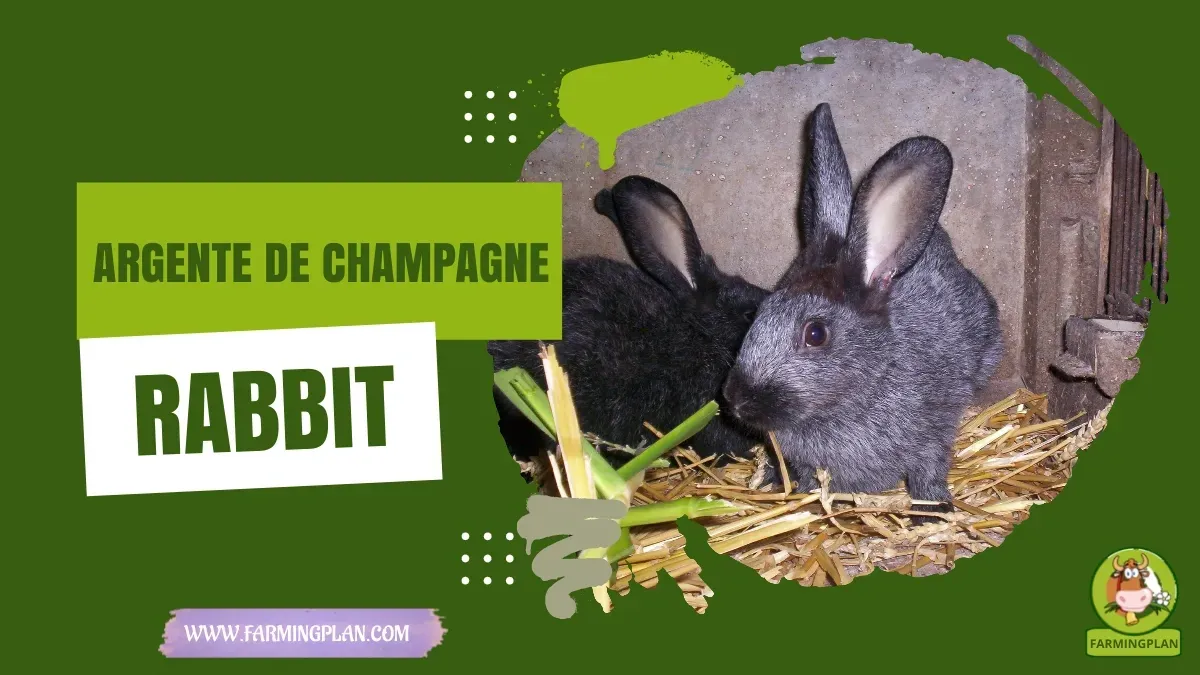
When you first look at an adult Champagne D’Argent, you immediately notice their striking coat. Kits are born solid black, which surprises most new breeders! As young kits grow and shed their baby coat, brilliant silver guard hairs begin to appear across their bodies. By six to eight months of age, they fully develop their signature silver-blue sheen. Their dense, flyback fur feels extraordinarily soft, making their silver pelts highly valued in the fiber and pelt market.
The flesh of the rabbit is firm and well-muscled, filling out their commercial body structure nicely. In terms of size, these full-grown heritage rabbits generally weigh between 9 and 12 pounds. They display a medium-length, commercial body shape with well-rounded hips, deep hindquarters, and strong shoulders. Their ears stand erect and proportioned to their head size, while their eyes shine dark and alert. While the Champagne variant displays a bright silver sheen over a dark slate undercoat, other Argente family members show off distinct colors.
For instance, the Argente Brun features a rich brown undertone, the Argente Noir exhibits deep black undertones, and the Creme d Argent rabbit displays a gorgeous orange-gold coat. Compared to massive giants like the Flemish Giant or striking pattern breeds like the Rhinelander, Dutch, or Golden Palomino, the Argenté offers a perfect balance of size, coat elegance, and meat yield.
Nature/Temperament of Argenté De Champagne Rabbit
In my years of hands-on experience, I have found that these silver rabbits possess one of the sweetest temperaments in the animal kingdom. They are naturally calm, friendly, and deeply curious about their surroundings. Unlike some nervous small breeds, a well-handled Argente de Champagne displays remarkable patience and steadiness. When you walk into the barn, they often hop straight up to the cage door to greet you, sniffing your fingers in search of a treat. Their relaxed attitude makes them ideal for families, young show handlers, and beginner homesteaders.
Their gentle personality turns them into wonderfully loyal rabbit companions when given proper attention. They thrive in calm environments where they can interact with their handlers regularly. If you keep them as house pets, they adjust smoothly to household routines and learn litter box habits quickly. However, you must always provide safe space and respectful handling. Even the calmest rabbit can panic if grabbed roughly. Spending quiet time sitting near their enclosure helps build strong trust, allowing their affectionate personality to shine through completely.
Food & Diet of Argenté De Champagne Rabbit
Feeding your herd a balanced, high-fiber diet is the foundation of long-term health and growth. Fresh, high-quality grass hay like Timothy or Orchard grass must make up at least 80 percent of their daily food intake. Fiber keeps their complex digestive system moving smoothly and wears down their continuously growing teeth naturally. I always keep my hay racks stuffed full so my rabbits can forage continuously day and night. Clean, fresh water must remain accessible at all times using gravity water bottles or heavy ceramic dishes.
To support their larger frame, supplement their hay with commercial, high-fiber rabbit pellets. Young kits and lactating does require slightly higher protein levels, whereas mature adults need controlled pellet portions to prevent weight gain. Offer a fresh daily bowl of dark, leafy greens like romaine lettuce, cilantro, and dandelion greens. Avoid starchy vegetables, sugary fruits, or sudden diet shifts that cause painful gut issues. Here is a helpful nutrition guide for daily care:
| Diet Component | Daily Recommended Portion | Primary Benefit |
| Fresh Grass Hay | Unlimited availability | Prevents GI stasis and wears down teeth |
| Commercial Pellets | 1/2 cup per 6-8 lbs body weight | Provides vital vitamins and protein |
| Leafy Greens | 1 cup per 4 lbs body weight | Supplies natural hydration and nutrients |
| Fresh Clean Water | Unlimited, checked daily | Maintains digestion and body cooling |
Usage/Purpose of Argenté De Champagne Rabbit
The primary appeal of this classic breed rests in its outstanding dual-purpose performance. Historically bred for both meat and pelts, they continue to excel as reliable livestock for modern Backyard Rabbits setups. Their fast growth rate and efficient feed conversion ratio make them a top choice for homesteaders producing high-quality protein. The flesh of the rabbit is lean, tender, and mild, providing healthy food for self-sufficient families. Furthermore, their dense silver pelts create valuable fur trimmings for modern textile crafters.
Beyond homestead farming, these silver beauties hold a prominent spot in the show ring. The American Rabbit Breeders Association evaluates them closely against the official Standard of Perfection, rewarding smooth coats, solid bone structure, and ideal color distribution. Additionally, their docile temperament makes them popular candidates for cross-breeding programs aimed at improving commercial stock quality. Whether you manage a large production rabbitry, raise show litters, or keep a single pet named Buddy or Dolly, these adaptable animals fill every role with excellence.
Special Features of Argenté De Champagne Rabbit
What truly sets this breed apart from other domestic rabbits is its remarkable coat transformation. Watching newborn black kits gradually transform into shimmering silver adults over several months offers a fascinating visual treat. The unique silvering process stems from hair follicles losing pigment at the tips while retaining dark bases, creating an eye-catching contrast under direct sunlight. Their dense pelt also possesses excellent insulation properties, helping them tolerate cooler winter climate conditions smoothly when housed in sheltered outbuildings.
Another notable feature is their exceptional mothering ability. Does typically build magnificent nests, produce abundant milk, and nurture large, healthy litters with minimal intervention. Their steady maternal instincts lower kit mortality rates, which gives new breeders great peace of mind. Furthermore, their quiet confidence makes them less susceptible to stress-induced illnesses than high-strung breeds. Their rare combination of historical prestige, pelt beauty, maternal instincts, and calm behavior makes them a stand-out choice for any homestead setup.
Health Issues & Prevention of Argenté De Champagne Rabbit
Maintaining robust health in your herd requires vigilant daily observation and clean husbandry. Like all domestic rabbits, they can suffer from Gastrointestinal Stasis, a dangerous condition where the digestive tract slows down or stops completely. Low-fiber diets, stress, or dehydration often trigger this condition. Watch closely for warning signs like small or missing fecal droppings, loss of appetite, or lethargy. Prevent digestive trouble by offering unlimited grass hay and keeping fresh water available continuously.
External parasites and damp housing create additional risks for your animals. High humidity and soiled bedding attract flies, leading to fly strike where maggots hatch on dirty fur and damage skin tissue rapidly. You must clean cages frequently, inspect fur trimmings around the rear quarters, and use rabbit-safe products for pest management. Additionally, check ear canals regularly for ear mites and trim long nails to prevent sore hocks. Partner with a local veterinarian for routine health check-ups to keep your breeding stock in prime condition.
Step-By-Step Management of Argenté De Champagne Rabbit
Proper housing and routine care ensure your animals stay healthy, happy, and productive throughout their lives. Following a clear, organized management plan simplifies your daily barn duties immensely.
Step 1: Housing Setup And Pen Preparation
Building a secure enclosure forms the first step in raising healthy animals. Choose heavy-duty wire cages or spacious ground pens that measure at least 30 inches by 36 inches per adult rabbit to allow full movement. Ensure proper ventilation throughout the shelter while eliminating cold direct drafts. Place solid resting boards or rubber mats inside wire cages to protect their hocks from pressure sores. If keeping pets indoors, use rabbit-proofed products to conceal electrical cords and protect wooden furniture from chewing.
Step 2: Nesting Box And Breeding Preparation
When preparing for upcoming litters, clean and sanitize the nesting box thoroughly before placing it into the doe’s cage. Introduce the box around day 28 of pregnancy, packing it with fresh wood shavings and clean straw bedding. The doe will pull fur from her chest to line the nest, creating a warm pocket for her newborn kits. Ensure the box sits flat on the cage floor so fragile newborns cannot tumble out into cold drafts. Keep the surrounding barn area quiet and peaceful during the birthing process.
Step 3: Daily Feeding And Water Management
Set up a reliable daily feeding schedule to keep your animals thriving. Fill hay racks every morning with fresh Timothy hay, clearing out any damp or soiled hay from the previous day. Measure out pellet feed based on body weight, adjusting portions higher for pregnant or nursing does. Refill water bottles with fresh water, scrubbing valves to prevent bacteria build-up. Regular feeding routines keep digestive systems stable and allow you to observe appetite changes early.
Step 4: Hygiene And Barn Sanitation
Routine cleaning prevents unpleasant odors, dampness, and harmful disease outbreaks across your herd. Scoop litter boxes daily and replace soiled bedding under cages at least twice a week. Disinfect feed troughs, water crocks, and resting mats using a diluted vinegar solution or rabbit-safe disinfectant. Keep manure collection trays dry by spreading natural absorbent materials beneath cages. Excellent air quality and dry conditions drastically reduce respiratory issues and pest problems across your entire rabbitry.
Step 5: Routine Handling And Grooming
Groom your silver rabbits weekly using a soft slicker brush to remove loose hair and keep their pelt smooth. Regular brushing prevents hairballs caused by self-grooming during heavy seasonal molts. Check ears for wax or mite signs, inspect feet for red hocks, and clip long nails every four to six weeks using proper animal clippers. Handle your rabbits gently by supporting their hind legs firmly against your body to build trust and prevent kicking injuries.
Expert Tips & Best Practices For Success of Argenté De Champagne Rabbit
- Source your founding animals from proven breeders who provide a full pedigree and complete health records.
- Check official sales platforms or an AVAILABLE RABBIT page early to reserve top-quality kits ahead of spring.
- Maintain clear record cards on every cage listing Sire details, dam info, mating dates, and litter sizes.
- Avoid unplanned cross-breeding if you aim to show standard animals under American Rabbit Breeders Association guidelines.
- Quarantine every new animal brought into your barn for 30 days before introducing it to your herd.
- Keep emergency supplies like critical care mix, syringes, and rabbit-safe grooming sprays on hand.
- Provide clean wooden chew blocks to keep teeth worn down naturally and prevent boredom.
- Use rabbit-proofed products inside house setups to protect household cords from curious teeth.
- Consult online resources like petguide.com and rabbitwelfare.co.uk to expand your care knowledge.
FAQs
How much does a Champagne D’Argent rabbit usually cost?
Prices for this breed generally range between $40 and $100 depending on pedigree quality and show lineage. Purebred stock from award-winning lines or proven breeders may cost more.
Are Champagne D’Argent rabbits good for beginners?
Yes, their calm, gentle, and curious temperament makes them fantastic animals for beginner handlers. They settle into new housing quickly and respond very well to gentle, daily handling.
What do newborn kits look like when they are born?
Kits are born completely hairless and quickly grow a solid black coat during their first week. Their iconic silver hairs start developing around six to eight weeks of age.
How large do adult Champagne D’Argent rabbits grow?
Fully grown adults typically weigh between 9 and 12 pounds at maturity. Does generally grow slightly larger and heavier than bucks of the same age.
How long do Champagne D’Argent rabbits live on average?
With excellent care, proper nutrition, and clean housing, these silver rabbits live between 7 and 10 years. Regular health checks help ensure a long and comfortable life.
Conclusion
Raising these silver heritage animals brings incredible rewards to any farm, backyard homestead, or home setup. Their stunning silver pelts, calm temperament, and outstanding production traits make them a top choice for breeders and pet owners alike. By providing high-fiber food, clean housing, and affectionate care, you will enjoy a healthy and thriving herd for years to come. Are you ready to add these gorgeous French silver animals to your barn? Connect with local breeders today, visit an AVAILABLE RABBIT page, and reserve your first pair to begin your homesteading adventure! Proper Daily Care And High Quality Hay Ensure Your Argenté De Champagne Rabbit Thrives For Years.