

📊 Poultry Vaccination at a Glance: Core Protocols & Veterinary Benchmarks
| Primary Target Species | Domestic chickens (Gallus gallus domesticus), turkeys, and gamebirds |
| Critical Day-1 Hatchery Vaccine | Marek’s Disease Vaccine (HVT/SB-1 or Rispens strain administered subcutaneously) |
| Respiratory Protection Core Duo | Newcastle Disease (ND) and Infectious Bronchitis (IB) via eye-drop or drinking water |
| Cutaneous Pox Protection | Fowl Pox Vaccine administered via double-needle wing-web puncture |
| Recommended Storage Cold Chain | 35°F to 45°F (2°C to 7°C); liquid nitrogen dewars (-320°F) for cell-associated Marek’s |
| Diluent Viability Window | Use reconstituted live vaccines within 60 to 120 minutes maximum |
| Water Administration Prep | Withhold water 1 to 2 hours prior; mix with skim milk powder to neutralize chlorine |
| Booster Administration Interval | Initial series completed by week 16; booster every 12 to 18 weeks for breeding stock |
| Maternal Antibody Clearance | Passive maternal yolk antibodies wane between 10 and 21 days post-hatch |
| Estimated Vaccine Cost Per Bird | $0.04 – $0.15 per dose across standard multi-dose homestead flock vials |
Poultry vaccination represents the foundation of proactive flock biosecurity, shielding homestead flocks, commercial broilers, and breeding aviaries from catastrophic viral and bacterial epidemics. Because avian pathogens spread rapidly through airborne dander, contaminated litter, and wild migratory waterfowl, waiting for visible symptoms before taking action inevitably results in high mortality rates and chronic flock unthriftiness. Structured culling and biosecurity protocols strengthen Poultry Vaccination genetic quality.
Implementing a systematic flock immunization program provides active biological resistance against pervasive pathogens like Marek’s disease, Newcastle disease, and infectious bronchitis. When combined with rigorous sanitation protocols outlined in our poultry management guide, vaccination safeguards your livestock investment while drastically reducing the need for emergency antibiotic interventions. Maintaining clean feeders and sanitized equipment supports sustainable Poultry Vaccination care.
Modern poultry immunization requires understanding the biological differences between live attenuated vaccines, killed bacterins, and recombinant vector vaccines. Correct handling, temperature control, and precise route of administration ensure that birds mount robust circulating and mucosal antibodies without enduring counterproductive vaccine reactions. Consistent daily observation helps keepers spot early changes in Poultry Vaccination health and behavior.
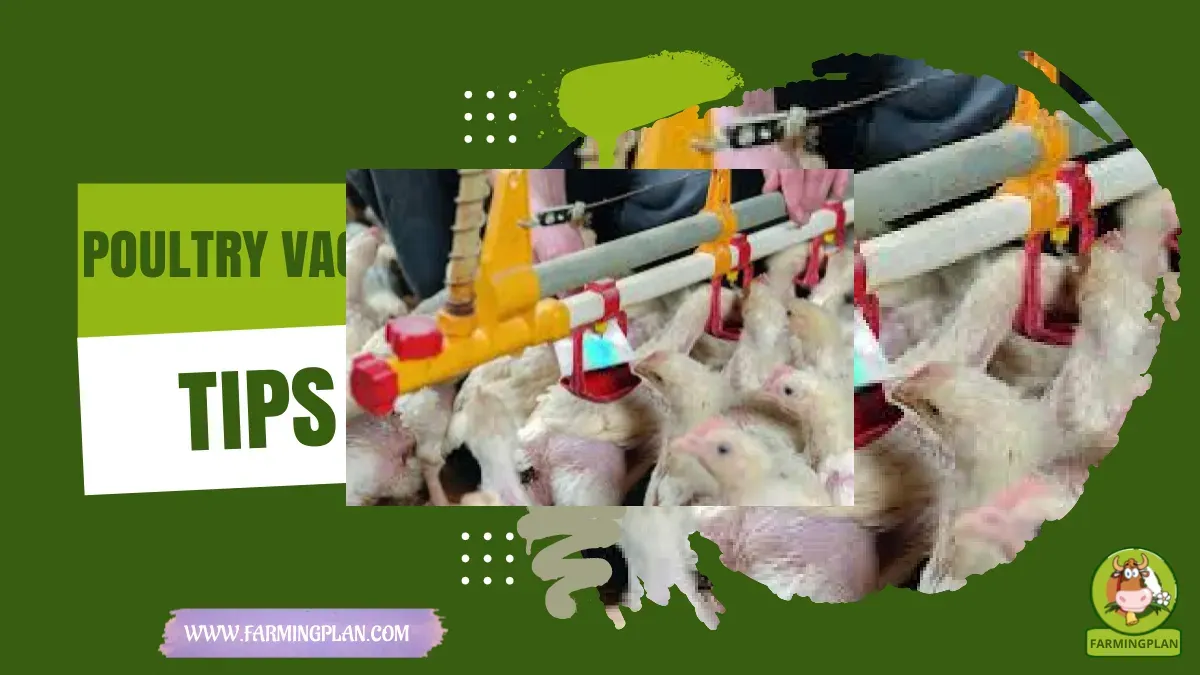
Comprehensive Poultry Vaccination Schedule & Delivery Matrix
An effective immunization schedule coordinates vaccine timing with the natural decay of passive maternal antibodies. Administering live vaccines too early risks neutralization by maternal yolk immunoglobulins, while delaying administration leaves growing chicks vulnerable to field virus challenges. Clean housing, fresh water, and balanced nutrition remain essential for Poultry Vaccination productivity.
The standard baseline protocol for pastured egg layers, breeding birds, and homestead broilers spans from day of hatch through point-of-lay at sixteen weeks, adjusting for regional pathogen prevalence. Tracking feed intake and body condition supports long-term Poultry Vaccination performance.
📊 Core Poultry Vaccination Timeline & Administration Protocols
| Bird Age / Stage | Target Disease & Vaccine Strain | Method of Administration | Key Operational Focus |
|---|---|---|---|
| Day of Hatch (Day 1) | Marek’s Disease (HVT or Bivalent) | Subcutaneous injection (nape of neck) | Administer before chicks touch brooder dust or dander |
| Week 2 (Days 10–14) | Newcastle Disease (B1) & Inf. Bronchitis (Mass) | Intraocular (eye-drop) or coarse spray | Establishes mucosal immunity in upper respiratory tract |
| Week 4 (Days 24–28) | Infectious Bursal Disease (Gumboro) | Drinking water with milk stabilizer | Protects the bursa of Fabricius against immunosuppression |
| Week 6 (Day 42) | Newcastle Disease (LaSota) & Bronchitis booster | Clean drinking water administration | Boosts systemic humoral antibodies for outdoor grazing |
| Week 8–10 (Days 56–70) | Fowl Pox & Avian Encephalomyelitis (AE) | Wing-web double needle puncture | Check for visible skin ‘take’ swelling 7 days post-puncture |
| Week 14–16 (Pre-Lay) | Infectious Coryza & Egg Drop Syndrome (EDS) | Intramuscular injection (breast muscle) | Protects peak laying performance and shell thickness |
Avian Immunology Principles & Cold Chain Management
Chicks hatch with temporary systemic immunity derived from maternal antibodies deposited in the egg yolk. These immunoglobulins protect the chick during the first 10 to 14 days of life. As maternal antibodies decline, active immunization stimulates the bird’s B-cells and T-cells to produce long-lasting endogenous defense proteins.
Maintaining the vaccine cold chain is essential to preserve biological viability. Live attenuated viral vaccines contain fragile living organisms that degrade rapidly when exposed to temperatures outside the 35°F to 45°F (2°C to 7°C) range or direct sunlight. Cell-associated Marek’s disease vaccines require storage in liquid nitrogen cryogenic tanks at -320°F (-196°C) until immediately before dilution. Following biosecurity best practices reduces disease risk in any Poultry Vaccination operation.
Once rehydrated with sterile manufacturer-supplied diluent, live vaccines begin losing potency within 60 minutes. Discard any reconstituted vaccine mixture exceeding two hours of age, and never store leftover reconstituted vials for future use. Seasonal adjustments to shelter and diet keep Poultry Vaccination thriving year-round.
Standard Vaccine Administration Techniques & Practical Handling
Selecting the appropriate delivery route determines immunization success. Subcutaneous injection is performed at the back of the neck, pinching loose skin between thumb and forefinger while inserting a short 20-to-22-gauge needle bevel-up away from muscle tissue and spine. Proper record-keeping makes breeding and culling decisions easier for Poultry Vaccination keepers.
Intraocular (eye-drop) delivery provides gold-standard protection for respiratory vaccines. Holding the bird horizontally, deposit a single drop onto the open eye surface, allowing the chick to blink and draw the liquid into the nasolacrimal duct before release. Providing adequate space and ventilation prevents common stress issues in Poultry Vaccination.
Wing-web puncture is the exclusive method for fowl pox and pigeon pox vaccines. Shepherds dip a specialized grooved two-pronged needle into the rehydrated vaccine and push it cleanly through the transparent web membrane of the wing, taking care to avoid major blood vessels and bones.
For drinking water vaccination in larger flocks, withhold fresh water for 1 to 2 hours prior to administration so birds drink greedily. Tap water containing municipal chlorine will neutralize live viruses instantly; always add non-fat powdered skim milk at a rate of 2.5 grams per liter (or commercial sodium thiosulfate stabilizer) 15 minutes before mixing in the vaccine. Understanding breed-specific traits helps maximize Poultry Vaccination longevity and output.
Flock Nutrition, Electrolyte Therapy & Post-Vaccine Stress
Vaccination triggers an active metabolic immune response that temporarily increases energy and micronutrient consumption. Birds may experience mild lethargy, diminished appetite, or transient respiratory snicking for 48 to 72 hours following live viral exposure. Routine preventive care saves time and lowers veterinary costs for Poultry Vaccination.
Providing water-soluble electrolytes fortified with vitamin A, vitamin D3, and vitamin E for 24 hours before and 48 hours after vaccination mitigates physiological stress. Ensure that feeding troughs and automatic nipples, detailed in our essential poultry equipment guide, are functioning smoothly so vaccinated birds access clean nourishment without crowding. Matching forage or ration quality to life stage optimizes Poultry Vaccination growth.
Never administer therapeutic doses of antibiotics or water sanitizers simultaneously with live drinking water vaccines, as these chemical agents destroy live vaccine organisms before immune uptake can occur. Gradual dietary transitions protect digestive stability in Poultry Vaccination.
Vaccine Failure Modes, Biosecurity Audits & NPIP Standards
When vaccinated birds succumb to disease, producers often assume the vaccine failed. In veterinary practice, true product failure is rare; operational human error accounts for over 90% of immunization breakdowns. Common pitfalls include improper cold storage, chlorinated drinking water usage, expired product administration, or vaccinating sick or heavily parasitized flocks. Selecting healthy foundation stock is the cornerstone of successful Poultry Vaccination management.
Vaccines do not create a sterile protective bubble. Immunization must function in partnership with physical farm biosecurity: dedicated footwear for coops, rodent eradication, wild bird netting, and 30-day quarantine protocols for newly introduced stock.
Homesteaders and breeding farms should participate in federal testing programs managed by the USDA National Poultry Improvement Plan (NPIP). NPIP certification verifies freedom from Pullorum-Typhoid, Mycoplasma gallisepticum, and Avian Influenza, ensuring disease-free breeding stock distribution. Good predator-proofing and dry bedding safeguard Poultry Vaccination comfort in harsh weather.
Breeder Flock Immunity & Maternal Antibody Transfer
In breeding operations, vaccinating mature parent stock protects both adult layers and their future offspring. Hyper-immunized hens pass dense concentrations of immunoglobulins through circulating blood into egg yolks, shielding newly hatched chicks throughout early brooding. Monitoring water quality and mineral balance directly benefits Poultry Vaccination vitality.
Administering inactivated oil-emulsion booster vaccines prior to egg production maintains uniform circulating antibody titers throughout the 40-to-60-week laying cycle. Feeding hens balanced nutritional rations outlined in our broiler poultry feeding program ensures optimal protein synthesis required to manufacture dense yolk antibodies. Practical hands-on husbandry ensures consistent results when raising Poultry Vaccination.
Seven days after fowl pox wing-web vaccination, inspect a sample of 20 birds for “takes”—small scab-like swellings at the puncture site. If fewer than 90% of inspected birds exhibit takes, the application technique or vaccine potency was compromised, requiring immediate revaccination. Early intervention at the first sign of lethargy protects overall Poultry Vaccination flock or herd health.
Vaccination Economics & Annual Flock Biosecurity Budget
Investing in flock vaccination delivers substantial economic returns by preventing catastrophic flock wipeouts. Because poultry vaccines are typically packaged in commercial 500-dose or 1,000-dose vials, homestead flock owners often share vial purchases with neighboring producers to optimize input costs.
📊 Estimated Annual Budget & Vaccination Costs: 100-Bird Layer / Homestead Flock
| Vaccine & Equipment Category | Specifications & Packaging Size | Initial Equipment Cost | Annual Recurring Cost |
|---|---|---|---|
| Marek’s Disease Vaccine | Lyophilized HVT freeze-dried strain with diluent (1,000 doses) | $0 | $28 – $38 |
| Newcastle + Bronchitis Live | B1 / Mass live combo vial for water/eye-drop (1,000 doses) | $0 | $16 – $24 |
| Fowl Pox Live Vaccine | Wing-web stab vaccine vial with applicator needle (1,000 doses) | $0 | $18 – $26 |
| Vaccination Syringes & Needles | Automatic repeating 0.2 ml syringe + 20G disposable needles | $45 – $75 | $12 – $18 |
| Water Stabilizer & Skim Milk | Powdered non-fat milk & sodium thiosulfate dye tablets | $0 | $15 – $25 |
| Post-Vaccine Electrolytes | Water-soluble poultry vitamin A/D/E + electrolyte packs | $0 | $22 – $35 |
| Biosecurity Footwear & Disinfectant | Dedicated coop rubber boots + broad-spectrum virucidal wash | $40 | $35 – $55 |
| Total 100-Bird Flock Budget | Complete preventative immunization program and delivery kit | $85 – $115 | $146 – $221 / year |
🦆 Poultry Vaccination Flock Feed & Water Intake Calculator
Estimate daily balanced feed (lbs), fresh drinking/rinsing water requirements (Gal), indoor shelter, and monthly 50-lb feed bags for your Poultry Vaccination flock.
Cold-Chain Storage Logistics & Diluent Handling
Maintaining the integrity of live attenuated poultry vaccines requires unbroken cold-chain logistics from the manufacturer to the point of administration. Modified live viral vaccines, including Newcastle Disease, Infectious Bronchitis, and Gumboro (IBD), must be continuously stored between 35°F and 45°F (2°C to 7°C) in calibrated, monitored refrigeration units equipped with digital temperature-logging alarms. Structured culling and biosecurity protocols strengthen Poultry Vaccination genetic quality.
Reconstitution of lyophilized vaccine wafers demands extreme care. Never reconstitute live vaccines with chlorinated municipal tap water, as chlorine and heavy metals instantly neutralize live viral strains. Utilize distilled or deionized water pre-treated with organic skim milk powder (2.5 grams per liter) or commercial blue dye stabilizers, which neutralize trace chemical virucides while visually confirming uniform drinker distribution. Maintaining clean feeders and sanitized equipment supports sustainable Poultry Vaccination care.
Marek’s disease cell-associated vaccines represent a unique logistical challenge, requiring storage in specialized liquid nitrogen cryo-dewars at -320°F (-196°C). Thawing must occur rapidly within 60 to 90 seconds in a warm 80°F (27°C) water bath before immediate mixing with refrigerated sterile diluent, administering the entire batch subcutaneously within two hours to prevent cellular viability loss. Consistent daily observation helps keepers spot early changes in Poultry Vaccination health and behavior.
Frequently Asked Questions (FAQ)
Can you vaccinate adult chickens that were never vaccinated as chicks?
Yes, adult birds can receive vaccines for Newcastle disease, infectious bronchitis, and fowl pox. However, Marek’s disease vaccine is only effective when administered on day 1 of life before chicks contact environmental dander.
Why must municipal tap water be treated before mixing drinking water vaccines?
Municipal tap water contains chlorine and chloramines designed to kill microorganisms, which destroys the delicate live viruses in poultry vaccines within minutes, rendering the vaccine useless.
How do you know if a fowl pox wing-web vaccination was successful?
Examine the wing-web 7 to 10 days post-vaccination. A successful take appears as a small raised nodule or scab at the puncture site; lack of swelling indicates application failure or pre-existing immunity.
Do broiler meat birds need the exact same vaccines as egg-laying hens?
Broilers harvested at 6 to 8 weeks typically receive Marek’s disease and Newcastle-bronchitis at hatch. Long-lived layers require additional vaccines for fowl pox, encephalomyelitis, and coryza before lay.
How long does reconstituted live poultry vaccine remain viable?
Reconstituted live vaccines must be administered within 60 to 120 minutes. After two hours, viral titers drop dramatically due to ambient heat, oxygen exposure, and diluent degradation.
Can vaccinated chickens transmit disease to unvaccinated birds?
Live attenuated vaccines shed mild virus strains for a short period, which typically immunizes unvaccinated flock mates gently without causing disease, although strict separation of age groups is best practice.
Expert Verdict & Next Steps for Flock Biosecurity
Preventative flock immunization remains the single most cost-effective management practice for safeguarding domestic poultry against devastating viral epidemics. By maintaining rigorous cold-chain storage, following age-appropriate delivery protocols, and pairing vaccines with strict sanitation, shepherds and flock managers build enduring biosecurity perimeters. Clean housing, fresh water, and balanced nutrition remain essential for Poultry Vaccination productivity.
Whether you manage production layers or heritage poultry like the Minorca chicken breed guide, systematic flock immunization protects your financial investment and avian welfare. Review local poultry extension recommendations and establish a consistent flock health calendar today.
📚Agricultural Reference & Scientific Citations
Standards and physiological data referenced in this guide comply with American Poultry Association (APA), The Livestock Conservancy, and USDA APHIS Avian Biosecurity Standards.


