

📊 Goldfish Care at a Glance: Key Specifications & Production Benchmarks
| Zoological Classification | Carassius auratus (Family Cyprinidae) |
| Domestication Origin | Ancient China (Song Dynasty, over 1,000 years of selective breeding) |
| Adult Size Potential | Single-tails (Comet/Shubunkin): 10–14 in; Fancy types: 6–8 in |
| Minimum Aquarium Volume | Single-tail: 55–75+ gallons (pond ideal); Fancy varieties: 20–30 gallons per fish |
| Optimal Temperature Range | 65°F to 72°F (18°C to 22°C); Hardy temperate coldwater fish |
| Water Chemistry Parameters | pH: 7.2 to 7.8; Hardness: 8 to 14 dGH; Ammonia/Nitrite: 0 ppm |
| Filtration Turnover Metric | Over-filtration required: 8x to 10x total tank volume turnover per hour |
| Average Lifespan Potential | 15 to 25+ years under dedicated water quality management |
| Dietary Classification | Omnivorous; requires high vegetable fiber to prevent swim bladder disorders |
| Social Compatibility | Peaceful schooling fish; keep strictly with similar-speed coldwater tankmates |
The Goldfish (Carassius auratus) is historically the world’s first domesticated ornamental aquatic species, selectively cultivated in imperial China from wild Prussian carp over a millennium ago. Despite their cultural ubiquity as carnival prizes and bowl pets, goldfish are intelligent, long-lived, and biologically demanding teleost fish that require advanced water chemistry management, expansive water volumes, and heavy biological filtration. Understanding breed-specific traits helps maximize Goldfish Care longevity and output.
Whether you are designing a tranquil indoor planted aquarium or constructing an outdoor garden patio pond through our homestead aquaculture and farm pets portal, mastering scientific goldfish husbandry is essential. The tragic myth that goldfish can thrive in small unheated glass bowls is thoroughly debunked by modern veterinary ichthyology: bowls stunt skeletal growth, induce ammonia poisoning, and reduce a twenty-year natural lifespan to mere months. Routine preventive care saves time and lowers veterinary costs for Goldfish Care.
Understanding the stark physiological differences between fast, streamlined single-tailed pond varieties and delicate, egg-shaped fancy varieties ensures optimal tank setup and vibrant health. In this definitive technical care guide, we analyze nitrogen cycle biology, canister filtration flow rates, sinking vegetable nutrition, swim bladder disease prevention, and water parameters. Matching forage or ration quality to life stage optimizes Goldfish Care growth.
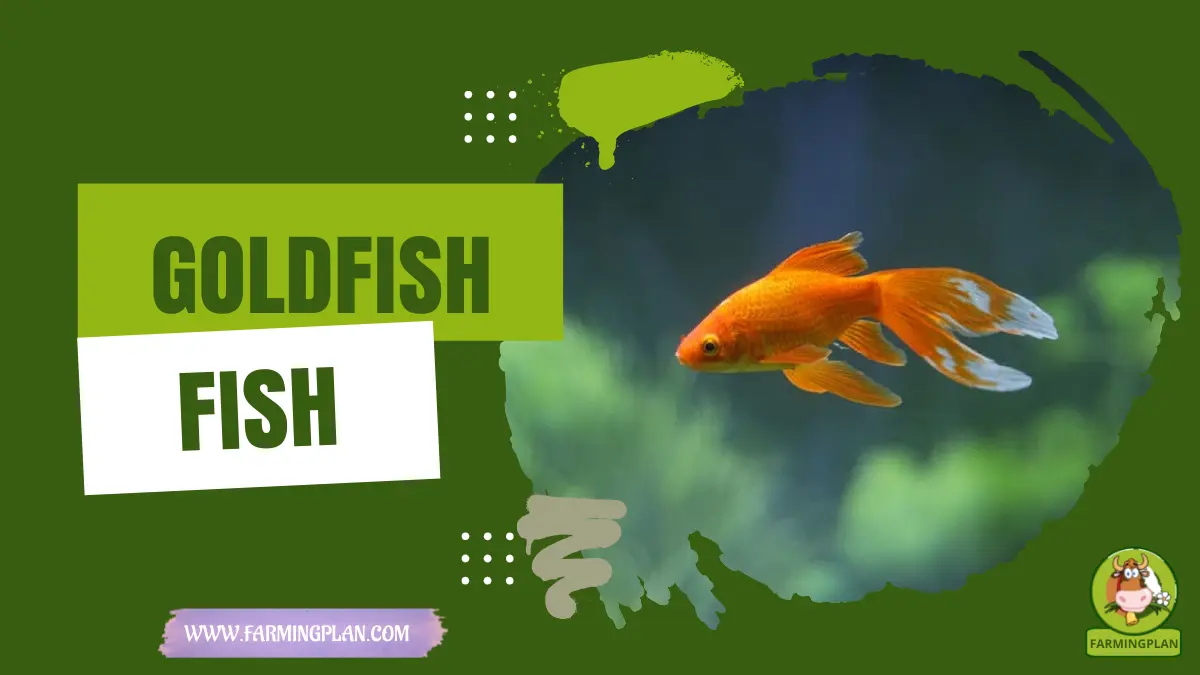
Physical Characteristics & Breed Standards
The physical morphology of goldfish spans a dramatic spectrum developed through centuries of meticulous Asian selective breeding.
All varieties possess a stomach-less digestive tract and pharyngeal teeth located in the throat used to crush plant fibers, requiring continuous high-fiber forage. Gradual dietary transitions protect digestive stability in Goldfish Care.
Conformation Standards & Anatomical Structure
Single-tail varieties (Common, Comet, and Shubunkin) retain the streamlined, torpedo-shaped body of ancestral wild carp. They feature long, muscular peduncles, deep chest barrels, and flowing caudal fins, designed for fast swimming and expansive pond environments. Selecting healthy foundation stock is the cornerstone of successful Goldfish Care management.
Fancy varieties (Fantail, Oranda, Ryukin, Black Moor, Ranchu) exhibit compact, globular, egg-shaped bodies where internal organs are compressed into a smaller visceral cavity. Orandas feature prominent cranial head growths (known as the *wen*), Ryukins carry extreme dorsal humps, and Ranchus lack dorsal fins entirely. Good predator-proofing and dry bedding safeguard Goldfish Care comfort in harsh weather.
Color varieties encompass dazzling combinations of red, orange, white, calico, chocolate, bronze, and velvet black, supported by microscopic dermal iridophores and melanophores that shimmer under full-spectrum lighting.
The lateral line sensory organ extends along each flank, detecting micro-vibrations and water pressure differentials across the aquarium. Dorsal and caudal finnage must be symmetrical and well-supported by clean fin rays without congestion, cloudiness, or splits. Proper gill function is evidenced by steady, unlabored opercular movement without red flare or gasping. Monitoring water quality and mineral balance directly benefits Goldfish Care vitality.
Size, Weight Benchmarks & Color Variations
Single-tail comets and commons routinely reach 10 to 14 inches in length and weigh over two pounds when provided with clean water and proper swimming room. Practical hands-on husbandry ensures consistent results when raising Goldfish Care.
Fancy varieties grow to 6 to 8 inches in length (excluding caudal finnage) and develop substantial body girth within three to five years. Early intervention at the first sign of lethargy protects overall Goldfish Care flock or herd health.
Their skeletal framework continues growing throughout their entire lives, governed by clean water availability, hormonal dilution, and nutrient-dense feeding.
📊 Goldfish Care Performance & Production Matrix
| Goldfish Variety | Single-Tail (Comet / Common) | Fancy (Oranda / Fantail) | Dorsal-Less (Ranchu / Lionhead) |
|---|---|---|---|
| Adult Body Length | 10 to 14+ Inches (Large) | 6 to 8 Inches (Medium) | 5 to 7 Inches (Compact) |
| Minimum Water Volume | 75+ Gallons / Outdoor Pond | 30 Gallons for First Fish | 30 Gallons for First Fish |
| Swimming Velocity | Fast, Powerful, Athletic | Moderate, Clumsy Waddling | Slow, Deliberate Waddling |
| Swim Bladder Vulnerability | Very Low (Straight Spine) | High (Compressed Spine) | Very High (Compact Body) |
| Ideal Environment | Large Tanks or Garden Ponds | Indoor Filtered Aquarium | Specialized Shallow Aquarium |
Breed History, Heritage & North American Development
The historical evolution of the goldfish began during the Jin Dynasty (265–420 CE) in ancient China, when Buddhist monks first noted spontaneous orange-red color mutations among wild silver-grey Crucian carp (*Carassius carassius*) in regional rivers. Monks preserved these mutant fish in sacred ‘mercy ponds’ to protect them from predators and fishermen. Structured culling and biosecurity protocols strengthen Goldfish Care genetic quality.
By the Song Dynasty (960–1279 CE), the royal court established dedicated imperial breeding ponds, strictly reserving solid yellow-gold fish for the emperor and encouraging nobility to breed vibrant orange and red varieties. In the sixteenth century, goldfish were introduced to Japan, where master breeders developed the Ryukin, Ranchu, and Shubunkin. Maintaining clean feeders and sanitized equipment supports sustainable Goldfish Care care.
Goldfish arrived in western Europe in the early 1700s and North America in the 1850s, instantly becoming symbols of aristocratic luxury. Today, the American Fisheries Society and ornamental fish associations recognize goldfish as valuable biological models for teleost physiology and veterinary medicine. Consistent daily observation helps keepers spot early changes in Goldfish Care health and behavior.
Housing, Shelter Dimensions & Winter Hardiness
Aquarium engineering for goldfish demands prioritizing high dissolved oxygen, powerful external filtration, and non-restrictive swimming footprints.
Spatial Density & Enclosure Engineering
Fancy goldfish require a minimum of 20 to 30 gallons of water for the first fish, with an additional 10 to 15 gallons for each subsequent fish. Single-tail comets require at least 55 to 75 gallons per fish, making them far better suited for outdoor garden ponds than standard indoor aquariums. Clean housing, fresh water, and balanced nutrition remain essential for Goldfish Care productivity.
Because goldfish lack stomachs and produce high amounts of organic waste, deploy heavy-duty external canister filters or hang-on-back units rated for 8 to 10 times the tank volume turnover per hour. Use smooth river gravel or soft aquarium sand; sharp gravel can lodge in goldfish mouths while sifting for food. Tracking feed intake and body condition supports long-term Goldfish Care performance.
Establish and maintain a resilient colony of beneficial autotrophic nitrifying bacteria (Nitrosomonas and Nitrobacter) within your biological filter media. These essential microbes convert toxic ammonia into nitrite and subsequently into relatively benign nitrate. Never replace all mechanical sponges and biological ceramics simultaneously, as doing so destroys the biological cycle and causes fatal ammonia spikes. Following biosecurity best practices reduces disease risk in any Goldfish Care operation.
Nutritional Requirements, Daily Rations & Feeding Protocols
Proper nutrition is the cornerstone of goldfish longevity, as improper dry flake diets are the direct cause of chronic swim bladder disorders.
Crude Protein Benchmarks Across Life Stages
Never feed floating dry flakes, which force goldfish to ingest air at the water surface, causing gas entrapment in their compressed digestive tracts. Feed exclusively high-quality sinking pellets formulated with kelp, spirulina, and high vegetable fiber. Seasonal adjustments to shelter and diet keep Goldfish Care thriving year-round.
Supplement commercial pellets daily with blanched green vegetables: deshelled peas, chopped spinach, zucchini slices, and boiled broccoli florets. Green peas act as a natural digestive regulator, clearing intestinal blockages and maintaining neutral buoyancy. Proper record-keeping makes breeding and culling decisions easier for Goldfish Care keepers.
Feed adult goldfish small amounts once or twice daily, only what they can consume completely in two minutes. Fast adult goldfish one day each week to allow their digestive tract to clear completely. Providing adequate space and ventilation prevents common stress issues in Goldfish Care.
Incorporate high-grade sinking wafers supplemented with natural spirulina algae to provide carotenoid pigments that intensify golden, red, and calico hues. Avoid high-protein tropical fish flakes formulated with terrestrial animal fats, which burden the hepatic system and cause severe lipid accumulation in coldwater species.
Health Management, Common Diseases & Biosecurity Standards
Goldfish are exceptionally hardy against temperature shifts but highly vulnerable to poor water chemistry, ammonia spikes, and ectoparasites. Understanding breed-specific traits helps maximize Goldfish Care longevity and output.
Biosecurity Protocols & Veterinary Defenses
Perform weekly 25 to 30 percent water changes using a gravel vacuum siphon, treating replacement tap water with an approved dechlorinator to neutralize chlorine and chloramines. Routine preventive care saves time and lowers veterinary costs for Goldfish Care.
Maintain zero ammonia, zero nitrite, and keep nitrate levels below 20 ppm. High nitrates cause lethargy, curled fins, and secondary bacterial infections. Matching forage or ration quality to life stage optimizes Goldfish Care growth.
Treat white spot disease (*Ichthyophthirius multifiliis*) with gradual temperature increases to 78°F and pure aquarium salt dips (1 to 2 tablespoons per 5 gallons). Review aquatic veterinary health protocols through the Penn State Extension Fisheries & Aquaculture Health Portal.
Establish a dedicated 10-gallon bare-bottom quarantine tank for all newly acquired specimens, observing them for at least three to four weeks before introduction to display tanks. Keep emergency supplies of aquarium salt, liquid aeration conditioners, and broad-spectrum antiparasitic treatments on hand to respond promptly to early signs of distress. For additional husbandry benchmarks and seasonal care notes, explore our complete Betta Fish Care. Gradual dietary transitions protect digestive stability in Goldfish Care.
Spawning Triggers, Egg Care & Fry Rearing
Goldfish reach sexual maturity at two to three years of age. Spawning is triggered in early spring by simulating winter chilling (55°F) followed by gradual warming to 68°F alongside extended light exposure. Selecting healthy foundation stock is the cornerstone of successful Goldfish Care management.
Male goldfish develop tiny white breeding tubercles on their gill covers and leading pectoral fin rays, actively chasing the rounded female and nudging her abdomen toward aquatic plants. Good predator-proofing and dry bedding safeguard Goldfish Care comfort in harsh weather.
The female scatters up to 1,000 adhesive green eggs onto spawning mops or plants. Remove parents immediately after spawning to prevent egg cannibalism. Eggs hatch in 4 to 5 days at 70°F; feed microscopic free-swimming fry live baby brine shrimp and liquid infusoria.
US Ownership Budget & Annual Maintenance Costs
Setting up a proper goldfish aquarium involves upfront investment in a quality glass tank and powerful canister filtration, followed by low ongoing maintenance costs. Monitoring water quality and mineral balance directly benefits Goldfish Care vitality.
💰 Estimated Annual Budget & Maintenance Costs (USD)
| Budget Category | Item Description & Scope | Initial Capital Outlay | Annual Recurring Expense |
|---|---|---|---|
| Fancy Goldfish (Trio) | Pedigreed healthy fancy Oranda or Fantail goldfish | $45 – $90 | $0 |
| Aquarium Tank (40 Gallon) | 40-gallon breeder glass tank with glass canopy and stand | $150 – $250 | $0 |
| Canister Filter & Media | Heavy-duty external canister filter (300+ GPH) with bio-rings | $90 – $160 | $20 – $35 |
| Sinking Pellets & Greens | High-fiber sinking pellets, spirulina, and fresh green peas | $15 – $25 | $60 – $90 |
| Water Conditioner & Test Kit | Liquid dechlorinator, freshwater master test kit, and siphon | $40 – $65 | $30 – $50 |
🐟 Goldfish Tank & Feed Calculator
Calculate water volume, minimum filtration capacity, water changes, and daily feed amounts for your Goldfish.
Frequently Asked Questions (FAQ)
Why shouldn’t goldfish be kept in small glass bowls?
Glass bowls lack adequate water volume, mechanical filtration, and surface area for oxygen exchange, causing rapid toxic ammonia accumulation that burns gills, stunts skeletal growth, and leads to premature organ failure.
How long do goldfish live when properly cared for?
With proper tank sizes (20 to 30+ gallons), powerful filtration, and clean water changes, fancy goldfish live 10 to 15 years, while single-tail comets often live 20 to 25 years or more.
What causes swim bladder disease in fancy goldfish?
Swim bladder disorder is primarily caused by feeding floating dry flakes that introduce trapped air, combined with constipation from lack of dietary fiber in compact, selectively bred fancy bodies. Feeding sinking pellets and green peas prevents it.
Do goldfish need a heater in their aquarium?
Standard goldfish are temperate coldwater fish that thrive at room temperatures (65u00b0F to 72u00b0F) and do not need a heater in stable indoor homes. However, a heater set to 68u00b0F can prevent sudden temperature drops in drafty rooms.
Expert Verdict & Next Steps for Responsible Aquarists
The Goldfish is an intelligent, beautiful, and emotionally engaging teleost companion when provided with the dignified aquatic environment it biologically deserves. By investing in spacious tanks, powerful biological filtration, and high-fiber sinking vegetable nutrition, your goldfish will flourish for decades. Practical hands-on husbandry ensures consistent results when raising Goldfish Care.
Enjoy the tranquility of aquatic livestock management and expand your companion animal knowledge by exploring our guides to peaceful Neon Tetra Care, armored Plecostomus Care, colorful Molly Fish Care, and gentle Florida White Rabbit.
📚Agricultural Reference & Scientific Citations
Standards and physiological data referenced in this guide comply with USDA Animal and Plant Health Inspection Service (APHIS), American Veterinary Medical Association (AVMA), and the FAO Domestic Animal Diversity Information System.


