

📊 Neon Tetra Care at a Glance: Key Specifications & Production Benchmarks
| Zoological Classification | Paracheirodon innesi (Family Characidae) |
| Geographic Origin | Upper Amazon Basin (Southeastern Colombia, Eastern Peru, Western Brazil) |
| Adult Body Length | 1.25 to 1.5 inches (3.0 to 4.0 cm) |
| Minimum Schooling Group | Minimum 8 to 12 individuals (shoaling fish; single fish suffer chronic stress) |
| Minimum Aquarium Volume | 10 to 20 gallons (horizontal swimming footprint preferred) |
| Optimal Temperature Range | 72°F to 78°F (22°C to 26°C); Stable tropical parameters |
| Water Chemistry Parameters | pH: 6.0 to 7.0 (Slightly acidic); Soft water: 2 to 8 dGH |
| Aquascape Preference | Dense live stem plants, dark substrate, and floating botanicals (tannins) |
| Average Lifespan | 5 to 8 years under stable water quality and low-stress management |
| Dietary Classification | Omnivorous micropredator; micro-pellets, baby brine shrimp, daphnia |
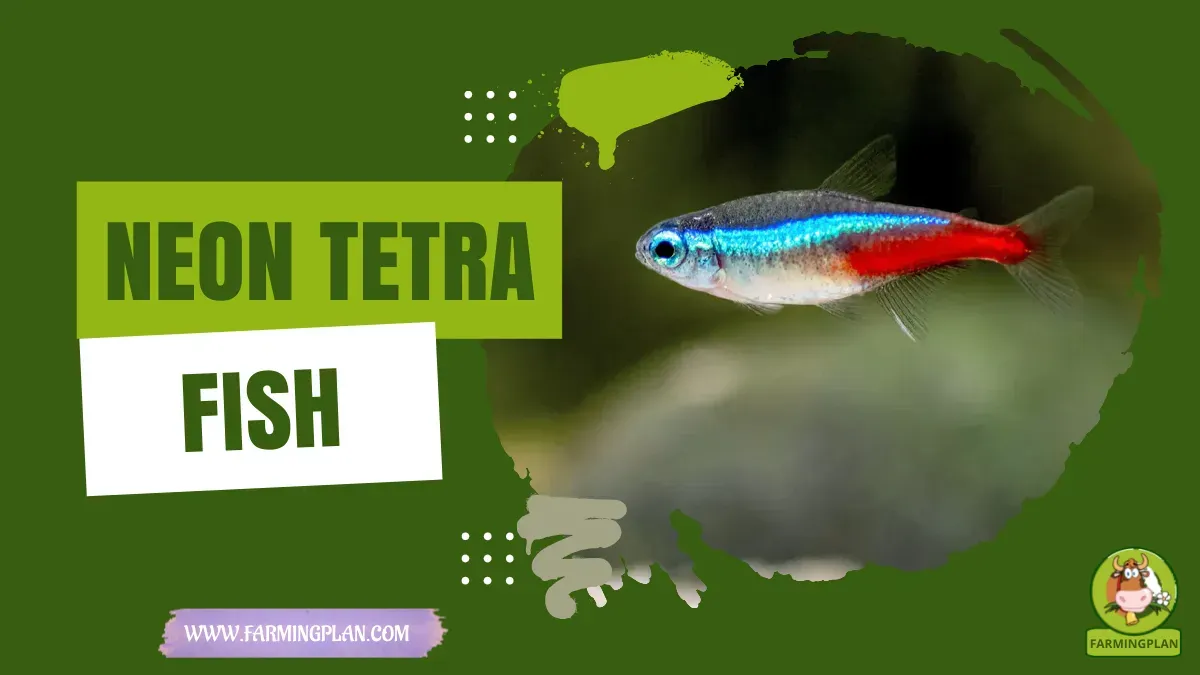
When planning Neon Tetra Fish Care management, the Neon Tetra (Paracheirodon innesi) is universally celebrated as the crown jewel of the freshwater tropical aquarium hobby. Discovered in 1934 by French naturalist Auguste Rabaut in the shaded blackwater tributaries of the upper Amazon basin, this diminutive characin revolutionized tropical fish keeping with its mesmerizing, jewel-like coloration: an incandescent, iridescent horizontal electric-blue stripe running from the snout to the adipose fin, perfectly contrasted by a glowing crimson stripe along the posterior abdomen.
Whether you are designing a high-tech Dutch planted aquascape or adding peaceful schooling fish through our homestead aquaculture and aquarium hub, understanding neon tetra biology is vital. Despite their small 1.5-inch size, neon tetras are obligatory schooling fish that experience severe physiological distress, immune collapse, and faded coloration if kept in isolation or small groups under six individuals. Clean housing, fresh water, and balanced nutrition remain essential for Neon Tetra Fish Care productivity.
Their biological origin in acidic, tannin-rich blackwater streams requires stable water chemistry, low nitrates, and mature biological filtration to thrive for years. In this comprehensive technical guide, we evaluate schooling dynamics, Amazonian biotope parameters, micro-nutrition, planted aquascaping, and Neon Tetra Disease prevention. Tracking feed intake and body condition supports long-term Neon Tetra Fish Care performance.
Physical Characteristics & Breed Standards
The Neon Tetra displays a slender, laterally compressed, and hydrodynamic physical conformation designed for synchronized group maneuvering. Following biosecurity best practices reduces disease risk in any Neon Tetra Fish Care operation.
Their body is adorned with an adipose fin—a small fleshy fin situated between the dorsal fin and caudal fin characteristic of the characin family. Seasonal adjustments to shelter and diet keep Neon Tetra Fish Care thriving year-round.
Conformation Standards & Anatomical Structure
The signature visual feature is the upper lateral horizontal stripe: a band of specialized guanine crystal iridophores that reflects ambient light as an intense electric blue-green laser. This brilliant structural reflection allows schooling fish to maintain formation in murky, tea-colored jungle waters.
Beneath the blue stripe, the posterior abdominal region from the mid-body to the tail base is colored in vivid scarlet red. The belly is silvery-white, and the fins are transparent and delicate. Proper record-keeping makes breeding and culling decisions easier for Neon Tetra Fish Care keepers.
Females display slightly plumper, deeper bellies with a subtle bend in the blue lateral stripe when carrying eggs, whereas males remain slender with a completely straight blue line. Providing adequate space and ventilation prevents common stress issues in Neon Tetra Fish Care.
The delicate opercular gill covers protect bright crimson lamellae that require high dissolved oxygen saturation levels. Their caudal fin is deeply forked, delivering effortless propulsion and rapid acceleration when the school initiates evasive maneuvers against perceived predatory threats. Understanding breed-specific traits helps maximize Neon Tetra Fish Care longevity and output.
Size, Weight Benchmarks & Color Variations
Adult neon tetras reach a maximum size of 1.25 to 1.5 inches at full maturity. Routine preventive care saves time and lowers veterinary costs for Neon Tetra Fish Care.
Due to their small size, a school of ten to fifteen tetras can comfortably inhabit a standard 20-gallon long aquarium.
A longer tank footprint (30 inches in length) is significantly superior to tall, hexagonal tanks, providing essential horizontal swimming room. Matching forage or ration quality to life stage optimizes Neon Tetra Fish Care growth.
📊 Neon Tetra Care Performance & Production Matrix
| Characin Metric | Neon Tetra (*P. innesi*) | Cardinal Tetra (*P. axelrodi*) | Green Neon (*P. simulans*) |
|---|---|---|---|
| Red Stripe Coverage | Half Body (Mid-abdomen to tail) | Full Body (Snout to tail base) | Faint Red / Absent |
| Blue Stripe Color | Electric Blue-Green Line | Intense Neon Blue-Cyan | Brilliant Green-Turquoise |
| Optimal Temperature | 72°F to 78°F (Cooler Tropical) | 76°F to 82°F (Warm Tropical) | 75°F to 82°F (Warm Tropical) |
| Water Hardness (dGH) | 2 to 8 dGH (Soft Water) | 1 to 4 dGH (Very Soft Water) | 1 to 3 dGH (Extreme Soft) |
| Captive Breeding | Widely Commercial Farm-Bred | Mostly Wild-Harvested Amazon | Primarily Wild-Harvested |
Breed History, Heritage & North American Development
The discovery of the neon tetra reads like an adventure novel. In 1934, French adventurer Auguste Rabaut captured unknown glowing fish in the Putumayo jungle basin of Peru and transported live specimens aboard the German airship *Hindenburg* to European and American public aquariums. The fish ignited an international frenzy, with wealthy hobbyists paying the modern equivalent of hundreds of dollars per specimen. Gradual dietary transitions protect digestive stability in Neon Tetra Fish Care.
In 1936, Dr. George S. Myers of Stanford University formally described the species, naming it *Hyphessobrycon innesi* (later revised to *Paracheirodon innesi*) in honor of prominent American aquarist William T. Innes. Selecting healthy foundation stock is the cornerstone of successful Neon Tetra Fish Care management.
While early imports suffered high transit mortality, Asian and eastern European commercial fish hatcheries mastered large-scale captive spawning in the 1950s. Today, neon tetras are among the most popular and commercially produced tropical fish worldwide. Good predator-proofing and dry bedding safeguard Neon Tetra Fish Care comfort in harsh weather.
Housing, Shelter Dimensions & Winter Hardiness
Aquarium engineering for neon tetras centers on establishing mature biological stability, diffuse lighting, gentle surface agitation, and dense natural foliage that mimics the shaded river corridors of South America.
Spatial Density & Enclosure Engineering
Never introduce neon tetras into a brand-new, freshly filled aquarium; their delicate gills require a mature, fully cycled aquarium established for at least 4 to 8 weeks with zero detectable ammonia and nitrites. Monitoring water quality and mineral balance directly benefits Neon Tetra Fish Care vitality.
Provide a school of at least 8 to 12 tetras in a 10 to 20-gallon tank. Use dark black sand or fine gravel substrate, which makes their luminous colors pop while reducing light reflection stress. Incorporate driftwood root tangles and hardy live plants (Amazon swords, Java fern, cryptocorynes) to create sheltered retreats. Practical hands-on husbandry ensures consistent results when raising Neon Tetra Fish Care.
Water circulation should remain gentle to moderate, avoiding high-velocity powerheads that exhaust small characins. Employ spray bars or adjustable hang-on-back filter returns baffled with coarse sponge pre-filters to disperse surface agitation while maintaining pristine dissolved oxygen levels throughout all water layers. Early intervention at the first sign of lethargy protects overall Neon Tetra Fish Care flock or herd health.
Nutritional Requirements, Daily Rations & Feeding Protocols
Neon tetras are omnivorous micropredators that feed continuously in the mid-water column on tiny invertebrates, zooplankton, and insect larvae. Structured culling and biosecurity protocols strengthen Neon Tetra Fish Care genetic quality.
Crude Protein Benchmarks Across Life Stages
Supply a high-quality micro-pellet or crumbled slow-sinking flake formulated with spirulina, krill meal, and vitamins. The particle size must match their small mouths (0.5 to 1.0 mm).
Enrich their diet several times weekly with frozen or live micro-foods: baby brine shrimp, daphnia, cyclops, and finely chopped frozen bloodworms. Maintaining clean feeders and sanitized equipment supports sustainable Neon Tetra Fish Care care.
Feed small pinches once or twice daily, only what the school can consume within ninety seconds. Neon tetras rarely feed from the bottom substrate, so uneaten food that sinks must be removed. Consistent daily observation helps keepers spot early changes in Neon Tetra Fish Care health and behavior.
Alternate daily rations between high-grade micropellets and enriched freeze-dried cyclops or daphnia soaked in liquid garlic extract to stimulate voracious feeding responses. Consistent dietary diversity ensures optimal immune function, prevents nutritional deficiencies, and maintains intense iridescent blue and crimson pigmentation throughout their lifespan. Clean housing, fresh water, and balanced nutrition remain essential for Neon Tetra Fish Care productivity.
Health Management, Common Diseases & Biosecurity Standards
Neon tetras are delicate when subjected to abrupt pH shifts, heavy copper treatments, or organic water pollution. Tracking feed intake and body condition supports long-term Neon Tetra Fish Care performance.
Biosecurity Protocols & Veterinary Defenses
Perform gentle weekly 15 to 20 percent water changes with dechlorinated water closely matched in temperature and pH, keeping total nitrates strictly under 15 ppm.
Beware of Neon Tetra Disease (NTD), caused by the microsporidian parasite *Pleistophora hyphessobryconis*. Symptoms include milky bleaching of the red stripe, spine curvature, and extreme wasting. NTD is incurable; immediately quarantine or euthanize symptomatic fish to protect the school. Following biosecurity best practices reduces disease risk in any Neon Tetra Fish Care operation.
Simulate blackwater creeks by adding Indian almond leaves (Catappa leaves) to tint the water light amber with beneficial tannins, which provide natural antibacterial defense. Review characin health standards through the Aquatic Life Institute Welfare Protocols. Seasonal adjustments to shelter and diet keep Neon Tetra Fish Care thriving year-round.
Because small characins possess low blood volume and delicate dermal tissues, never expose them to aggressive chemical medications or sudden osmotic shifts. Maintain steady water chemistry parameters through small, consistent weekly water changes rather than large, infrequent water replacements that disrupt delicate biological equilibria. Proper record-keeping makes breeding and culling decisions easier for Neon Tetra Fish Care keepers.
Captive Spawning, Soft Water & Egg Care
Breeding neon tetras in captivity requires specialized blackwater condition simulation. Set up a dedicated 5-gallon breeding tank filled with reverse osmosis (RO) water with a pH of 5.5 to 6.2 and water hardness under 2 dGH. Providing adequate space and ventilation prevents common stress issues in Neon Tetra Fish Care.
Line the tank bottom with fine nylon mesh or glass marbles, and black out all four sides with cardboard; neon tetra eggs and early fry are intensely photosensitive and will die if exposed to light.
Introduce a well-conditioned pair in the evening. Spawning occurs at dawn, with the female scattering 60 to 130 tiny transparent adhesive eggs. Remove parents immediately. Eggs hatch in 24 hours in complete darkness; feed microscopic free-swimming fry live infusoria and rotifers for the first week. Breeders interested in comparing housing, diet, and productivity traits should see our Guppy Fish Care. Understanding breed-specific traits helps maximize Neon Tetra Fish Care longevity and output.
US Ownership Budget & Annual Maintenance Costs
Assembling a planted schooling display of neon tetras is one of the most accessible, visually spectacular, and cost-effective pursuits in modern freshwater fishkeeping. By allocating modest capital toward reliable biological sponge filtration, an energy-efficient full-spectrum LED light fixture, and hardy starter live plants, hobbyists establish an enduring aquatic ecosystem with low recurring monthly operating costs. Routine preventive care saves time and lowers veterinary costs for Neon Tetra Fish Care.
💰 Estimated Annual Budget & Maintenance Costs (USD)
| Budget Category | Item Description & Scope | Initial Capital Outlay | Annual Recurring Expense |
|---|---|---|---|
| School of 12 Neon Tetras | Healthy captive-bred schooling group of neon tetras | $25 – $40 | $0 |
| Aquarium Tank (20 Gallon) | Standard 20-gallon long glass aquarium with LED hood | $60 – $110 | $0 |
| Sponge / Hang-On Filter | Gentle hang-on-back or internal sponge filter and heater | $30 – $55 | $10 – $20 |
| Substrate & Live Plants | Dark planted substrate, Java fern, and Amazon sword plants | $35 – $60 | $15 – $25 |
| Micro-Pellets & Test Kit | Color-enhancing micro-pellets and freshwater liquid master test | $30 – $50 | $25 – $40 |
🐟 Neon Tetra Fish Tank & Feed Calculator
Calculate water volume, minimum filtration capacity, water changes, and daily feed amounts for your Neon Tetra Fish.
Frequently Asked Questions (FAQ)
How many neon tetras should be kept together?
A minimum of 8 to 12 neon tetras should be kept together. In smaller groups or pairs, tetras feel insecure, become chronically stressed, lose color vibrancy, and develop weakened immune systems.
What is the difference between Neon Tetras and Cardinal Tetras?
Neon tetras have a red stripe that runs only halfway along their lower body (from mid-abdomen to tail), whereas Cardinal tetras have a solid red stripe extending the entire length of their body from snout to tail.
Can neon tetras live with goldfish?
No, neon tetras should never be kept with goldfish. Goldfish are coldwater fish that grow large enough to easily swallow neon tetras whole, while tetras require tropical temperatures (72u00b0F to 78u00b0F).
What is Neon Tetra Disease?
Neon Tetra Disease is a fatal parasitic microsporidian infection that causes loss of color, white patches, spinal curvature, and muscle wasting. It has no known cure, requiring immediate quarantine of affected fish.
Expert Verdict & Next Steps for Planted Tank Enthusiasts
The Neon Tetra is an enduring triumph of the freshwater aquarium hobby, transforming planted aquariums into vibrant underwater symphonies of electric color and synchronized schooling motion. For beginners and experienced aquascapers alike, a healthy school of neon tetras brings unmatched grace and peaceful beauty. Matching forage or ration quality to life stage optimizes Neon Tetra Fish Care growth.
By maintaining soft, mature water parameters, providing dense live plant cover, and honoring their schooling instincts, your neon tetras will thrive for years. Deepen your aquatic expertise by exploring our companion guides to peaceful Corydoras Catfish, colorful Molly Fish Care, brilliant Killifish Care, and bottom-cleaning Plecostomus Care.
📚Agricultural Reference & Scientific Citations
Standards and physiological data referenced in this guide comply with USDA Animal and Plant Health Inspection Service (APHIS), American Veterinary Medical Association (AVMA), and the FAO Domestic Animal Diversity Information System.


