

⚡ Guppy Fish at a Glance: Key Specifications & Benchmarks
| Scientific Classification | Poecilia reticulata (Family Poeciliidae Livebearing Cyprinodont) |
| Native Geographic Origin | Northeast South America (Trinidad, Venezuela, Guyana, Barbados) |
| Mature Adult Size | Males: 1.2 to 1.6 in (3.0 to 4.0 cm); Females: 1.6 to 2.4 in (4.0 to 6.0 cm) |
| Ideal Water Temperature | 72°F to 78°F (22°C to 26°C) |
| Optimal Water Chemistry | pH: 6.8 to 7.8; General Hardness (GH): 8 to 12 dGH; KH: 4 to 8 dKH |
| Reproductive Classification | Ovoviviparous livebearer; 28-day gestation producing free-swimming fry |
| Minimum Aquarium Volume | 10 gallons (38 liters) for small colony; 20+ gallons recommended |
| Average Expected Lifespan | 2 to 3 years under stable water parameters and balanced feeding |
Guppy fish care stands as the foundational gateway to freshwater aquarium keeping and home aquaculture. Scientifically designated as Poecilia reticulata and celebrated globally as the “millionfish” due to their remarkable reproductive rate, fancy guppies are beloved for their brilliant color patterns, hardy physiology, and playful swimming activity. Clean housing, fresh water, and balanced nutrition remain essential for Guppy Fish Care productivity.
First discovered in Trinidad in 1866 by Robert John Lechmere Guppy, this small tropical livebearer transformed ornamental fish keeping. In our dedicated aquaculture and fish husbandry guides, homesteaders and aquarium enthusiasts appreciate guppies both as dynamic display species and as low-cost foundational breeders for insect larvae bio-control. Tracking feed intake and body condition supports long-term Guppy Fish Care performance.
While often labeled as a beginner fish, maintaining high health, vibrant finnage, and continuous fry survival demands clear understanding of nitrogen cycle biology, stable water chemistry, and precise dietary balance. Unstable water temperatures or elevated ammonia levels quickly deteriorate delicate caudal fins, making proper setup essential. Following biosecurity best practices reduces disease risk in any Guppy Fish Care operation.
Selective breeding over decades has produced dozens of stunning color strains, including Cobra, Moscow, Tuxedo, Grass, and Dragonhead variations. Understanding how to care for guppy fish ensures a flourishing, self-sustaining aquarium community that brings radiant beauty into any home or farmstead. Seasonal adjustments to shelter and diet keep Guppy Fish Care thriving year-round.
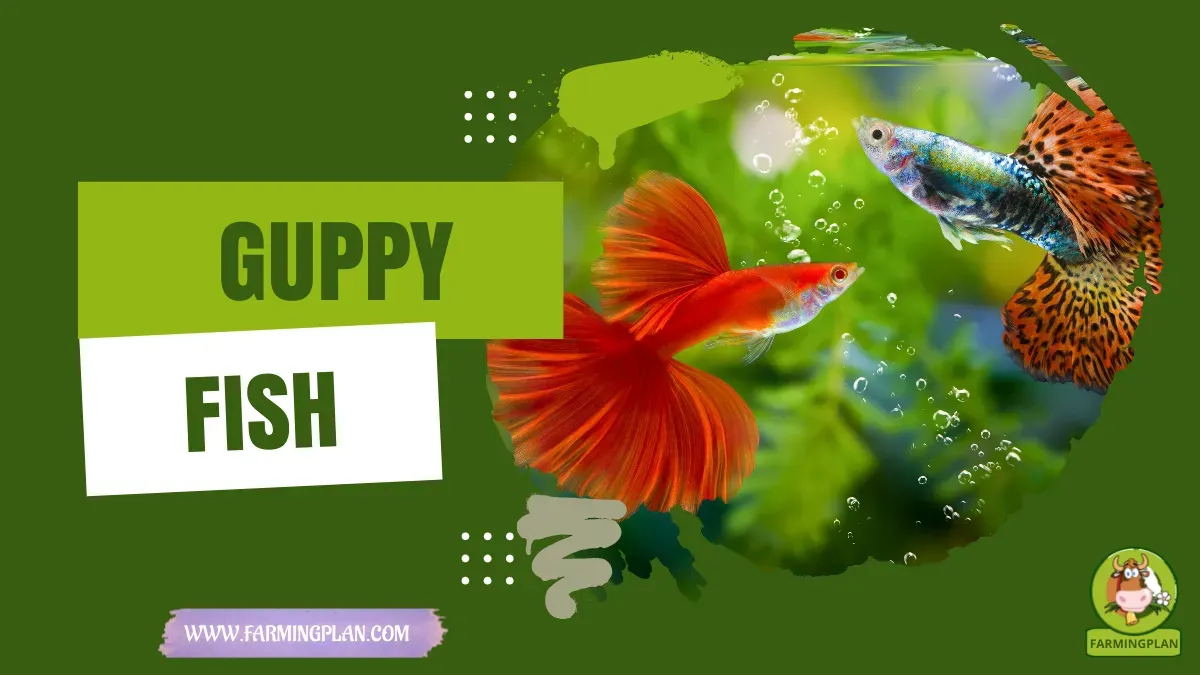
Physical Characteristics & Fancy Guppy Strains
Guppies display pronounced sexual dimorphism. Males are smaller, sleeker, and display breathtaking color saturation across body scales and flowing fins. Females are noticeably larger, rounder in the abdomen, and generally exhibit softer tan bodies with color focused primarily on caudal fins.
Tail Shapes, Color Genetics & The Gravid Spot
The International Fancy Guppy Association (IFGA) recognizes numerous tail conformations, including Delta, Fan, Veil, Swordtail, Lyretail, Round, and Spear tail varieties. The broad delta tail, flaring outward at a 70-degree angle from the peduncle, represents the most popular commercial exhibition standard. Proper record-keeping makes breeding and culling decisions easier for Guppy Fish Care keepers.
Color varieties are governed by complex polygenic and sex-linked traits. Solid colors like Full Red, Blue Moscow, and Midnight Black require careful line-breeding, whereas variegated strains feature snakeskin patterns, leopard spots, or metallic platinum heads. Providing adequate space and ventilation prevents common stress issues in Guppy Fish Care.
Female guppies carry a prominent biological marker known as the “gravid spot” located just forward of the anal fin. As embryonic fry develop within the female’s ovary, this spot darkens from golden-amber to deep charcoal black, serving as a reliable countdown indicator for imminent live birth. Understanding breed-specific traits helps maximize Guppy Fish Care longevity and output.
⚡ Popular Livebearing Freshwater Fish: Care & Parameter Comparison
| Species | Guppy (P. reticulata) | Platy (X. maculatus) | Molly (P. sphenops) |
|---|---|---|---|
| Mature Adult Size | 1.5 to 2.4 inches (4 to 6 cm) | 2.0 to 2.8 inches (5 to 7 cm) | 3.0 to 4.5 inches (7 to 11 cm) |
| Minimum Tank Size | 10 Gallons (38 L) | 15 Gallons (57 L) | 20 Gallons (76 L) |
| Temperature Tolerance | 72°F to 78°F (22°C to 26°C) | 70°F to 77°F (21°C to 25°C) | 75°F to 82°F (24°C to 28°C) |
| Water Hardness Preference | Moderately hard (8 to 12 dGH) | Moderately hard (10 to 15 dGH) | Hard to brackish (15 to 25 dGH) |
| Community Demeanor | Peaceful, active surface swimmer | Peaceful, mid-water browser | Peaceful; males can spar territory |
Aquarium Setup, Tank Sizing & Filtration Engineering
Providing the proper tank infrastructure is essential for long-term guppy vitality. While guppies can survive temporarily in smaller containers, established biological stability requires adequate water volume.
10 to 20 Gallon Tanks, Sponge Filters & Water Flow
A 10-gallon aquarium is the practical minimum for a trio or small bachelor group, but a 20-gallon long tank is ideal for a self-sustaining breeding colony. Larger volumes buffer against sudden temperature drops and dilute waste spikes. Routine preventive care saves time and lowers veterinary costs for Guppy Fish Care.
Filtration selection is critical. Fancy males with heavy delta tails are weak swimmers that struggle against powerful power filter currents. Dual-sponge air-driven filters or hang-on-back filters with intake pre-filter sponges are optimal, providing abundant biological filtration without sucking tiny newborn fry into impellers. Matching forage or ration quality to life stage optimizes Guppy Fish Care growth.
Equip the tank with an adjustable submersible aquarium heater calibrated to 75°F (24°C). Install a modern LED aquarium light set on a 8 to 10-hour daily timer to support living aquatic plants and enhance colorful fish scales. Gradual dietary transitions protect digestive stability in Guppy Fish Care.
Water Parameters, Cycling & Routine Maintenance
Guppies thrive in clean, oxygen-rich water with moderate mineral hardness. Soft, acidic water weakens their immune barriers and leads to clamped fins and spinal deformities. Selecting healthy foundation stock is the cornerstone of successful Guppy Fish Care management.
Temperature, pH, Water Hardness & Cycling
Maintain water temperature between 72°F and 78°F (22°C to 26°C), pH between 6.8 and 7.8, and general hardness between 8 and 12 dGH. Never add guppies to an uncycled aquarium. Complete the four-week beneficial bacterial nitrogen cycle until ammonia and nitrite readings measure strictly 0 ppm.
Perform a 20% to 25% water change weekly using a gravel vacuum to remove decaying organic detritus from substrate crevices. Always treat municipal tap water with a quality aquarium water conditioner to neutralize toxic chlorine, chloramines, and heavy metals before introducing it into the tank. Good predator-proofing and dry bedding safeguard Guppy Fish Care comfort in harsh weather.
Monitor nitrate levels weekly with liquid test kits, keeping concentrations below 20 ppm. Water chemistry stability is far more important than chasing a theoretically perfect numerical value. Monitoring water quality and mineral balance directly benefits Guppy Fish Care vitality.
Aquascape, Live Plants & Fry Hiding Cover
A well-planted aquarium provides natural environmental enrichment, improves water quality through nitrate absorption, and offers essential hiding sanctuaries for newborn fry escaping hungry adult fish. Practical hands-on husbandry ensures consistent results when raising Guppy Fish Care.
Stem Plants, Moss Covers & Floating Vegetation
Incorporate dense clusters of Java Moss (Taxiphyllum barbieri), Guppy Grass (Najas guadalupensis), and Hornwort (Ceratophyllum demersum). These fine-leaved plants provide thick protective mats where newborn fry hide safely while foraging on micro-organisms.
Add floating plants such as Water Sprite or Amazon Frogbit. Floating root curtains diffuse bright lighting, creating secure shaded zones near the surface where surface-dwelling guppies feel calm and confident. Early intervention at the first sign of lethargy protects overall Guppy Fish Care flock or herd health.
Choose smooth, rounded gravel or dark fine sand substrate. Dark substrates make metallic fish colors stand out brilliantly while preventing scratches to delicate belly scales. Structured culling and biosecurity protocols strengthen Guppy Fish Care genetic quality.
Nutritional Requirements & Daily Feeding Schedules
Guppies are opportunistic omnivores with small, upturned mouths designed for feeding at the water surface. Supplying a diverse, nutrient-rich diet maintains energetic behavior, sharp coloration, and active reproduction. Maintaining clean feeders and sanitized equipment supports sustainable Guppy Fish Care care.
Spirulina Flakes, Frozen Mysis & Live Baby Brine Shrimp
Feed a staple diet of premium spirulina-rich tropical flakes or micro-pellets containing at least 40% crude protein. Supplement daily with frozen or live daphnia, mosquito larvae, and freshly hatched baby brine shrimp (artemia). Review general feeding formulation principles in our homestead livestock feed guide.
Feed adult guppies once or twice daily in amounts they consume completely within two minutes. Overfeeding fouls water quickly, triggering deadly bacterial blooms and clogging filter media. Consistent daily observation helps keepers spot early changes in Guppy Fish Care health and behavior.
Fast adult guppies one day per week. A weekly fasting day clears their compact digestive tracts, preventing constipation and swim bladder buoyancy disorders. Clean housing, fresh water, and balanced nutrition remain essential for Guppy Fish Care productivity.
Breeding Mechanics, Fry Rearing & Colony Genetics
Guppies are prolific livebearers. Breeding occurs naturally without human intervention when water quality is high and food is abundant. Tracking feed intake and body condition supports long-term Guppy Fish Care performance.
Male Gonopodium, Gestation & Raising Newborn Fry
Male guppies utilize a modified anal fin called a gonopodium to fertilize females internally. A single mating allows a female to store viable sperm in her oviduct folds, fertilizing several successive broods over subsequent months without additional male contact. Following biosecurity best practices reduces disease risk in any Guppy Fish Care operation.
After a gestation period of 26 to 30 days, the female gives birth to 20 to 50 fully formed, free-swimming fry. To maximize survival in community tanks, provide abundant floating plants, or transfer the heavy gravid female to a separate 5-gallon breeding tank equipped with dense java moss.
Feed newborn fry three to four times daily with microscopic foods, including live baby brine shrimp nauplii, microworms, and finely powdered golden-egg fry starter. Fry fed protein-rich rations grow rapidly, developing recognizable sex markers within 4 to 6 weeks. For comparative agricultural husbandry, explore our guide on Giant Runt utility pigeon breeding. Seasonal adjustments to shelter and diet keep Guppy Fish Care thriving year-round.
Health Management, Disease Prevention & Common Ailments
While hardy, guppies are susceptible to common freshwater pathogens when water conditions decline or when new stock is introduced without quarantine. Proper record-keeping makes breeding and culling decisions easier for Guppy Fish Care keepers.
Fin Rot, Ich & Columnaris Treatment
Fin rot and mouth fungus (Flavobacterium columnare) manifest as white cottony erosion along tail edges, usually triggered by dirty substrate or high ammonia. Treat immediately with clean water changes and mild antibacterial medications. Providing adequate space and ventilation prevents common stress issues in Guppy Fish Care.
White Spot Disease (Ichthyophthirius multifiliis or “Ich”) appears as salt-grain white dots across fish fins and bodies. Treat Ich safely by raising water temperature to 82°F (28°C) over 48 hours and adding pure non-iodized aquarium salt at one tablespoon per 5 gallons.
Quarantine all new fish in an isolated tank for two to three weeks before introducing them to your main display. Maintain aquatic biosecurity aligned with guidelines from the NOAA Fisheries Office of Aquaculture to prevent introducing infectious parasites. Understanding breed-specific traits helps maximize Guppy Fish Care longevity and output.
US Ownership Budget & Aquarium Setup Costs
Establishing a vibrant, planted 10 or 20-gallon guppy tank is one of the most cost-effective aquatic projects available for homesteaders and hobbyists. Routine preventive care saves time and lowers veterinary costs for Guppy Fish Care.
⚡ Estimated Annual Budget & Maintenance Costs (USD)
| Expense Category | Estimated Annual Cost Range (USD) | Management Strategy |
|---|---|---|
| Glass Aquarium (10 to 20 Gallons) | $25.00 – $60.00 initial purchase | Acquire standard glass rimmed tanks during retail dollar-per-gallon sales events |
| Filtration, Air Pump & Heater | $45.00 – $85.00 setup | Install dual sponge filter, quiet diaphragm air pump, and 50W adjustable heater |
| Substrate, Plants & Hardscape | $35.00 – $75.00 setup | Use inert dark sand, smooth river stones, java moss, and bunches of guppy grass |
| Breeding Stock (1 Male, 3 Females) | $20.00 – $60.00 initial purchase | Buy pure strain fancy guppies from local breeders or reputable aquatic stores |
| Spirulina Flakes, Frozen Food & Salt | $40.00 – $75.00 per year | Purchase high-protein tropical flakes, brine shrimp cubes, and aquarium salt |
| Water Conditioner & Liquid Test Kit | $35.00 – $60.00 per year | Use concentrated tap water dechlorinator and master liquid freshwater test kit |
🐟 Guppy Fish Tank & Feed Calculator
Calculate water volume, minimum filtration capacity, water changes, and daily feed amounts for your Guppy Fish.
Frequently Asked Questions (FAQ)
Are guppies easy to take care of for beginners?
Yes, guppies are among the easiest tropical fish to care for due to their hardiness, peaceful temperament, adaptable water tolerances, and willing acceptance of flake foods.
What is the ideal male-to-female ratio for guppies?
Maintain a ratio of one male to two or three females. Males court constantly, so having multiple females disperses male attention and prevents female stress and exhaustion.
How often do guppies give birth to fry?
Female guppies give birth approximately every 28 to 30 days. They can produce 20 to 50 live, free-swimming fry per brood under stable temperatures and good nutrition.
Do adult guppies eat their own newborn fry?
Yes, adult guppies will opportunistic eat tiny newborn fry. Providing dense hiding plants like Java moss or using a separate birthing tank protects fry survival.
What fish can live peacefully with guppies in a community tank?
Peaceful tankmates include neon tetras, harlequin rasboras, corydoras catfish, bristlenose plecos, platies, and freshwater dwarf shrimp. Avoid fin-nipping fish like tiger barbs.
Expert Verdict & Next Steps
Guppy fish care delivers immense satisfaction, uniting brilliant color diversity, fascinating reproductive biology, and active freshwater community dynamics. By establishing a fully cycled, well-planted aquarium with gentle filtration, hobbyists enjoy thriving colonies for years. Matching forage or ration quality to life stage optimizes Guppy Fish Care growth.
Choose high-grade breeding stock from established local breeders and maintain consistent weekly water changes. For broader aquatic and small-scale livestock husbandry, explore our guide on the Silver Appleyard utility duck.
📚Agricultural Reference & Scientific Citations
Standards and physiological data referenced in this guide comply with USDA Animal and Plant Health Inspection Service (APHIS), American Veterinary Medical Association (AVMA), and the FAO Domestic Animal Diversity Information System.


