

⚡ Plecostomus at a Glance: Key Specifications & Benchmarks
| Scientific Classification | Family Loricariidae (Armored Suckermouth Catfish) |
| Common Species | Common Pleco (Hypostomus plecostomus), Bristlenose Pleco (Ancistrus sp.) |
| Adult Body Length | Common: 15 to 24 inches (38 to 60 cm); Bristlenose: 4 to 6 inches (10 to 15 cm) |
| Minimum Tank Volume | Bristlenose: 30 gallons (114 L); Common Pleco: 125 to 150 gallons (475 to 570 L) |
| Water Temperature Range | 73°F to 80°F (23°C to 27°C) with consistent thermal stability |
| Water Chemistry Targets | pH 6.5 to 7.6; General Hardness (GH) 4 to 15 dGH; Carbonate Hardness (KH) 3 to 10 dKH |
| Nutritional Classification | Herbivorous, detritivorous, and wood-grazing xylivore requiring bogwood fiber |
| Average Lifespan | 10 to 15+ years under disciplined husbandry and stable biological filtration |
Maintaining a healthy aquarium requires understanding the biological demands of bottom-dwelling scavengers. The plecostomus stands among the most popular yet frequently misunderstood aquatic species in modern fishkeeping. Often sold as juvenile two-inch algae grazers in retail pet stores, common plecos quickly outgrow modest community aquariums, developing into heavy-bodied armored giants that demand substantial swimming space and massive biological filtration. Seasonal adjustments to shelter and diet keep plecostomus care thriving year-round. Proper record-keeping makes breeding and culling decisions easier for plecostomus care keepers.
Aquarists and commercial breeders working with diverse species across our freshwater fish farming guides recognize that plecostomus care extends far beyond relying on opportunistic glass cleaning. These resilient catfish possess specialized digestive tracts requiring fibrous bogwood lignin, complex sinking vegetable rations, and pristine dissolved oxygen levels to avoid chronic intestinal disorders and premature organ failure. Providing adequate space and ventilation prevents common stress issues in plecostomus care.
Whether you manage a compact planted display featuring dwarf bristlenose varieties or house a mature sailfin pleco in an expansive riverine biotope alongside peaceful schooling species like neon tetras, delivering tailored water parameters and targeted nutrition is essential. Modern husbandry protocols emphasize stable biofiltration, low nitrate concentrations, and sheltered daytime hiding grottos to maintain long-term vitality. Understanding breed-specific traits helps maximize plecostomus care longevity and output.
This master plecostomus guide examines taxonomy, species differentiation, water chemistry parameters, dietary formulations, disease prevention, and reproductive management. Following these practical benchmarks guarantees an optimal aquatic habitat for your armored suckermouth catfish. Routine preventive care saves time and lowers veterinary costs for plecostomus care.
Breed Origin, Evolutionary History & Taxonomy
The term plecostomus historically referred to Hypostomus plecostomus, a freshwater catfish native to tropical river drainages across northeastern South America. Over decades of commercial trade, the moniker expanded into an umbrella term covering hundreds of armored suckermouth catfish belonging to the expansive taxonomic family Loricariidae. Loricariids represent the largest family of catfish on Earth, encompassing over eight hundred scientifically described species categorized across dozens of specialized genera. Matching forage or ration quality to life stage optimizes plecostomus care growth.
In their wild native river basins, including the Amazon, Orinoco, and Rio de la Plata systems, these fish inhabit fast-flowing streams, rocky riverbeds, and flooded jungle forests. Over millions of years of evolutionary adaptation, they developed specialized ventral suction mouths that allow them to anchor securely against powerful aquatic currents while rasping periphyton, microscopic algae, and decaying detritus from submerged logs and granite boulders. Gradual dietary transitions protect digestive stability in plecostomus care.
Rather than possessing typical dermal scales, loricariids are protected by overlapping rows of tough bony plates known as scutes. This armor plating, paired with stiff, spine-loaded pectoral and dorsal fins, provides formidable defense against predatory river fish such as piranhas, river rays, and large cichlids. Understanding their wild riverine heritage helps keepers replicate their natural flow, oxygenation, and dietary requirements in captive systems. Selecting healthy foundation stock is the cornerstone of successful plecostomus care management.
Physical Characteristics & Popular Aquarium Species
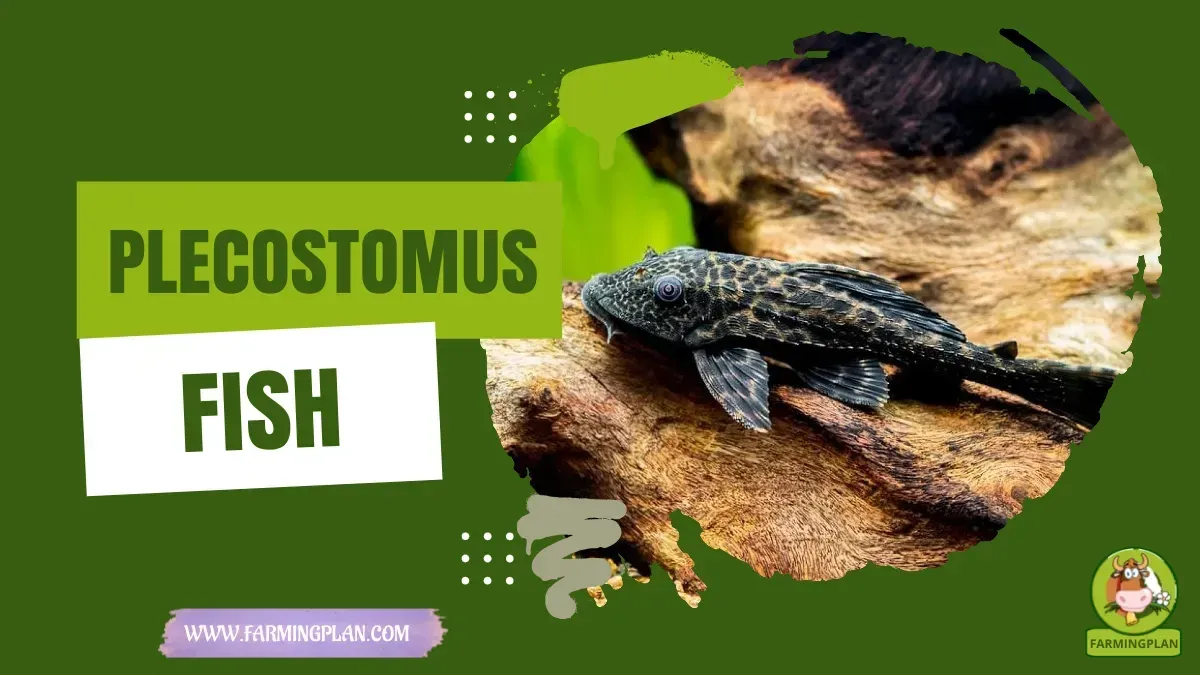
The morphological structure of the plecostomus is built for bottom-dwelling efficiency. Their dorsally flattened bodies taper smoothly toward a strong caudal peduncle. Their specialized mouth forms an adhesive disc lined with tiny, rasping teeth designed to scrape organic matter from abrasive surfaces. Their eyes possess an omega-iris, a crescent-shaped dorsal flap that expands or contracts over the pupil to regulate bright light exposure in shallow river waters. Good predator-proofing and dry bedding safeguard plecostomus care comfort in harsh weather.
Two primary categories dominate the ornamental trade: large standard varieties and dwarf species. The common pleco (Hypostomus plecostomus or Pterygoplichthys pardalis) displays mottled brown and black patterns, reaching mature lengths between fifteen and twenty-four inches. Because of their tremendous growth rate and mass, common plecos rapidly outgrow standard community tanks, requiring specialized large-volume habitats. Monitoring water quality and mineral balance directly benefits plecostomus care vitality.
Conversely, bristlenose plecos (genus Ancistrus) remain manageable favorites for home aquariums, maturing at only four to six inches. Mature males develop prominent fleshy tentacle-like bristles across their snout, which serve sensory and brooding functions. Other popular varieties include the clown pleco (Panaqolus maccus), which stays under four inches and feeds heavily on submerged wood, and the vivid gold nugget pleco (Baryancistrus xanthellus), celebrated for its bright yellow spots and fin margins. Practical hands-on husbandry ensures consistent results when raising plecostomus care.
Behavioral Characteristics, Temperament & Activity Cycles
Plecostomus species are primarily crepuscular and nocturnal creatures. During daylight hours under intense aquarium illumination, they instinctively seek dark retreats beneath smooth rock formations, hollow ceramic tubes, or tangled driftwood roots. As ambient light fades in the evening, they venture out across substrates and glass panes, methodically rasping surfaces in search of biofilm, fallen vegetable matter, and sinking food morsels. Early intervention at the first sign of lethargy protects overall plecostomus care flock or herd health.
Their general temperament toward other fish is peaceful and passive. They rarely display predatory aggression toward smaller tank companions, making them compatible with docile bottom foragers like corydoras catfish and active schooling species. However, plecos can demonstrate pronounced territorial hostility toward their own kind or other bottom dwellers when competing for limited hiding caves and food resources. Providing multiple distinct territories prevents stressful territorial disputes. Structured culling and biosecurity protocols strengthen plecostomus care genetic quality.
An important behavioral anomaly occurs when underfed large plecos develop an appetite for the protective slime coats of broad-bodied, slow-moving fish. If left without adequate sinking vegetable rations, mature common plecos may latch onto sleeping goldfish or broad cichlids during the night, eroding epidermal tissue and causing severe bacterial vulnerabilities. Consistent targeted feeding completely eliminates this opportunistic behavior. Maintaining clean feeders and sanitized equipment supports sustainable plecostomus care care.
Housing, Space & Environmental Requirements
Selecting appropriate tank dimensions is the foundational step in plecostomus husbandry. Dwarf varieties like bristlenose and clown plecos thrive comfortably in thirty-gallon aquariums featuring generous horizontal floor space. In contrast, common and sailfin varieties demand minimum tank volumes of one hundred twenty-five to one hundred fifty gallons as adults to accommodate their physical length, turning radius, and substantial metabolic output. Consistent daily observation helps keepers spot early changes in plecostomus care health and behavior.
Filtration must be robust. Plecos produce substantial amounts of solid waste due to their continuous grazing and fibrous wood consumption. Heavy mechanical and biological canister filtration delivering water turnover rates of six to eight times the total tank volume per hour is recommended. Supplementing canister filters with internal powerheads or wavemakers mimics natural river currents while maintaining high dissolved oxygen levels near the substrate. Clean housing, fresh water, and balanced nutrition remain essential for plecostomus care productivity.
Water chemistry must remain stable within a temperature span of 73°F to 80°F (23°C to 27°C). Maintain a neutral to slightly acidic pH between 6.5 and 7.6, general hardness between 4 and 15 dGH, and zero detectable ammonia or nitrite. Keep nitrate levels strictly below twenty parts per million through disciplined weekly twenty-five to thirty percent water changes. Incorporate rounded river stones and smooth fine sand to protect sensitive mouth barbels from abrasive injuries. Tracking feed intake and body condition supports long-term plecostomus care performance. Following biosecurity best practices reduces disease risk in any plecostomus care operation.
Nutritional Management & Feeding Strategies
A widespread misconception is that plecostomus can survive solely on opportunistic green algae growing on glass surfaces. In reality, aquarium algae growth supplies only a tiny fraction of their daily caloric and trace nutrient needs. A dedicated nutritional protocol must be administered nightly just before tank lights extinguish, preventing diurnal tank mates from intercepting their food. Seasonal adjustments to shelter and diet keep plecostomus care thriving year-round.
High-quality sinking spirulina wafers, kelp tablets, and vegetable-based bottom feeder pellets form the core of their diet. Supplement these manufactured rations two to three times per week with blanched fresh produce. Fresh zucchini medallions, peeled cucumber slices, shelled green peas, blanched spinach leaves, and steamed sweet potato slices provide essential vitamins, minerals, and moisture. Weigh down fresh vegetables with stainless steel food clips or ceramic plant anchors. Proper record-keeping makes breeding and culling decisions easier for plecostomus care keepers.
Additionally, species within genera such as Panaque and Panaqolus are obligate or facultative xylivores that require real natural bogwood in their enclosures. These catfish possess specialized symbiotic gut bacteria capable of breaking down cellulose and lignin fibers into digestible carbohydrates. Depriving them of natural driftwood leads to severe metabolic distress, hollow belly, and fatal digestive impactions. Providing adequate space and ventilation prevents common stress issues in plecostomus care.
Health, Disease Management & Biosecurity
Maintaining exemplary water hygiene is the most effective defense against common freshwater ailments. Because plecos possess bony scutes and thick dermal skin rather than traditional scales, they exhibit heightened vulnerability to copper-based medications, concentrated formalin solutions, and elevated aquarium salt levels. Administering therapeutic treatments must be approached with caution, utilizing reduced dosages or gentle herbal alternatives when treating external parasites. Understanding breed-specific traits helps maximize plecostomus care longevity and output.
Ichthyophthiriasis, commonly known as freshwater white spot or ich, manifests as small white salt-like cysts across the fins and body. Ich is typically triggered by sudden thermal drops during water exchanges. Gradually increasing water temperature to 82°F (28°C) while boosting surface aeration accelerates parasite lifecycle termination. Fungal fin rot and columnaris can occur when water quality degrades; prompt water changes and broad-spectrum antibiotic therapies resolve these infections effectively. Routine preventive care saves time and lowers veterinary costs for plecostomus care.
Another frequent issue is starvation-induced sunken belly, characterized by an inwardly hollowed ventral contour. This occurs when keepers rely exclusively on natural algae blooms without supplemental sinking feeds. Newly acquired specimens should undergo a three-week biosecurity quarantine in a bare-bottom isolation tank, where their feeding vigor, fecal consistency, and body mass can be evaluated before entering established community displays alongside species like freshwater angelfish. Matching forage or ration quality to life stage optimizes plecostomus care growth.
Breeding, Reproduction & Lifecycle Management
Captive breeding difficulty varies dramatically depending on the species. Large common plecos rarely reproduce in standard indoor home aquariums, as their natural spawning behavior requires extensive muddy riverbanks where adults dig long subterranean nesting burrows several feet deep. Commercial supply of common plecos originates primarily from outdoor aquaculture mud ponds located in Florida, Southeast Asia, and South America. Gradual dietary transitions protect digestive stability in plecostomus care.
In contrast, bristlenose plecos (Ancistrus) breed readily in home aquariums when provided with suitable conditions. Successful spawning requires conditioned breeding pairs, cool water temperature drops of two to three degrees to simulate rainy season conditions, and dedicated spawning caves made from terracotta, slate, or hollow bamboo. The cave opening must be slightly larger than the male fish, allowing him to defend the interior. If you are balancing utility output and herd resilience, take a look at our Pearl Gourami Care. Selecting healthy foundation stock is the cornerstone of successful plecostomus care management.
The female enters the cave to deposit an adhesive clutch of thirty to one hundred bright orange eggs before the male fertilizes them. Following fertilization, the male assumes sole parental care, remaining inside the grotto for five to ten days. He vigorously fans the clutch with his pectoral fins to maintain oxygen flow and prevent fungal spores. Once hatched, fry absorb their yolk sacs before grazing on infusoria, micro-algae, and crushed spirulina powder. Good predator-proofing and dry bedding safeguard plecostomus care comfort in harsh weather.
Financial Budgeting & Equipment Planning
Establishing and maintaining a dedicated plecostomus habitat involves specific upfront capital investments and ongoing operational expenditures. Primary capital costs include the aquarium vessel, robust multi-stage canister filtration systems, submersible heaters, natural river driftwood pieces, and dimmable LED lighting. Operating expenses encompass replacement filter media, sinking vegetable feeds, fresh produce, water conditioning agents, and electrical consumption. Monitoring water quality and mineral balance directly benefits plecostomus care vitality.
Homesteaders and multi-tank aquarists benefit from modeling long-term equipment depreciation, utility costs, and seasonal dietary requirements. Proper budgetary planning prevents under-filtering or undersizing habitats as juvenile specimens reach full maturity over their multi-year lifespans. Utilize our interactive calculator below to evaluate stocking costs, filtration capacities, and recurring feed budgets for your freshwater setup. Practical hands-on husbandry ensures consistent results when raising plecostomus care.
🐟 Plecostomus Tank & Feed Calculator
Calculate water volume, minimum filtration capacity, water changes, and daily feed amounts for your Plecostomus.
Frequently Asked Questions
What is the minimum tank size for a common pleco compared to a bristlenose pleco?
A common plecostomus requires a minimum tank volume of 125 to 150 gallons because adults easily reach 15 to 24 inches in length and produce heavy bioloads. In contrast, dwarf bristlenose plecos mature at 4 to 6 inches and thrive comfortably in a 30-gallon aquarium with strong biofiltration and floor space.
Do all plecostomus species need driftwood in their aquarium?
Yes, natural driftwood is essential for nearly all plecos. Wood provides a substrate for nutrient-rich biofilm and beneficial microorganisms. Additionally, wood-grazing species like clown plecos and royal plecos require real wood lignin fibers in their digestive tract to maintain proper gut motility and digest nutrients.
What should I feed my plecostomus to keep it healthy?
Feed your pleco sinking spirulina wafers, high-fiber herbivore bottom-feeder pellets, and blanched fresh vegetables such as zucchini, cucumber, spinach, and shelled peas. Feed them at night after turning off tank lights so faster diurnal fish do not consume their food before they can graze.
Why is my plecostomus hiding during the daytime?
Plecos are naturally nocturnal and crepuscular, meaning they are biologically wired to hide in dark caves, hollow logs, or beneath plants during peak daylight hours. They become active at dusk and through the night to forage. Providing secure hiding grottos reduces stress and promotes natural behavior.
Can plecostomus live peacefully with other community fish?
Yes, plecos are generally peaceful community companions when given adequate space and food. They coexist well with tetras, rasboras, barbs, and dwarf cichlids. However, make sure they receive enough sinking food so they do not attempt to graze the protective slime coat of large, slow-moving fish like sleeping goldfish.
Strategic Takeaways & Long-Term Husbandry Benchmarks
Successful long-term plecostomus care rests on recognizing that these armored catfish are active, long-lived biological entities rather than passive tank maintenance tools. By choosing species tailored to your enclosure dimensions, such as dwarf bristlenose varieties for modest home setups or heavy-duty setups for common plecos, you establish an environment where these prehistoric bottom dwellers can thrive across their decade-long lifespans. Early intervention at the first sign of lethargy protects overall plecostomus care flock or herd health.
Maintain consistent thermal stability between 73°F and 80°F, perform regular water changes to suppress nitrate accumulation, and operate oversized canister filtration to handle biological waste loads. Pair manufactured sinking spirulina feeds with fresh blanched greens and real natural driftwood to safeguard gastrointestinal health and maintain radiant armored pigmentation. Structured culling and biosecurity protocols strengthen plecostomus care genetic quality.
By blending scientific water management with compassionate husbandry, aquarists support both individual fish health and overall aquarium equilibrium. For broader stocking strategies and companion species profiles, explore our comprehensive guides covering coldwater and community pond management. Maintaining clean feeders and sanitized equipment supports sustainable plecostomus care care.
📚Agricultural Reference & Scientific Citations
Standards and physiological data referenced in this guide comply with USDA Animal and Plant Health Inspection Service (APHIS), American Veterinary Medical Association (AVMA), and the FAO Domestic Animal Diversity Information System.


