

⚡ Freshwater Fish Farming at a Glance: Key Specifications & Benchmarks
| Primary Production Systems | Earthen farm ponds, recirculating aquaculture systems (RAS), flow-through raceways |
| Major Commercial Species | Channel Catfish, Largemouth Bass, Bluegill Sunfish, Nile Tilapia, Rainbow Trout |
| Dissolved Oxygen Minimum | > 5.0 mg/L (ppm) for warmwater species; > 6.5 mg/L for coldwater salmonids |
| Water Temperature Regimes | Warmwater: 75°F – 85°F (24°C – 29°C); Coldwater: 50°F – 65°F (10°C – 18°C) |
| pH & Total Alkalinity | pH 6.5 – 8.5; Total Alkalinity > 50 – 100 mg/L as CaCO3 (prevents diurnal pH crashes) |
| Total Ammonia Nitrogen (TAN) | Un-ionized toxic ammonia (NH3) must remain < 0.05 mg/L (Total TAN < 1.0 mg/L) |
| Standard Pond Stocking Ratio | 100 Largemouth Bass + 500 Bluegill Sunfish + 100 Channel Catfish per surface acre |
| Commercial Feed Conversion (FCR) | 1.2 to 1.8 lbs of floating pelleted feed (28% to 36% protein) per 1.0 lb fish gain |
| Aeration Infrastructure | Subsurface bottom ceramic diffusers or electric paddlewheel surface aerators |
| Harvest Timeline | 12 to 24 months from fingerling to market plate size (1.5 to 2.5 lbs) |
Freshwater fish farming and farm pond management represent powerful avenues for agricultural diversification, sustainable protein production, and recreational resource enhancement. From rural earthen farm ponds stocked with channel catfish and bluegill to intensive indoor recirculating aquaculture systems (RAS) producing tilapia, freshwater teleosts convert commercial feed and natural aquatic biomass into high-quality food with remarkable efficiency. Selecting healthy foundation stock is the cornerstone of successful freshwater fish management. Good predator-proofing and dry bedding safeguard freshwater fish comfort in harsh weather.
Operating a thriving aquatic ecosystem requires disciplined management of water chemistry, dissolved oxygen levels, and predator-prey balancing. Producers managing integrated homesteads and livestock facilities can explore biosecurity and parasite protocols in our comprehensive livestock parasite control and management guide to prevent runoff contamination and protect animal drinking sources. Monitoring water quality and mineral balance directly benefits freshwater fish vitality.
Unlike terrestrial livestock that can seek shade or alter grazing locations when stressed, captive fish live entirely enclosed within their aquatic medium. Every metabolic byproduct—ammonia excreted through the gills, solid feces, and decomposing uneaten feed—remains trapped within the water column unless actively processed by biological filtration, phytoplankton photosynthesis, or mechanical drainage. This guide provides an authoritative reference covering pond stocking, aeration, feeding, disease management, and operating budgets. Practical hands-on husbandry ensures consistent results when raising freshwater fish.
Routine pond monitoring prevents catastrophic midnight fish kills. In warm summer months, dense phytoplankton blooms consume massive quantities of dissolved oxygen during nocturnal respiration. Measuring dissolved oxygen levels at dawn and operating mechanical aeration systems ensures aquatic stock survives hot, cloudy weather without lethal respiratory suffocation. Early intervention at the first sign of lethargy protects overall freshwater fish flock or herd health.
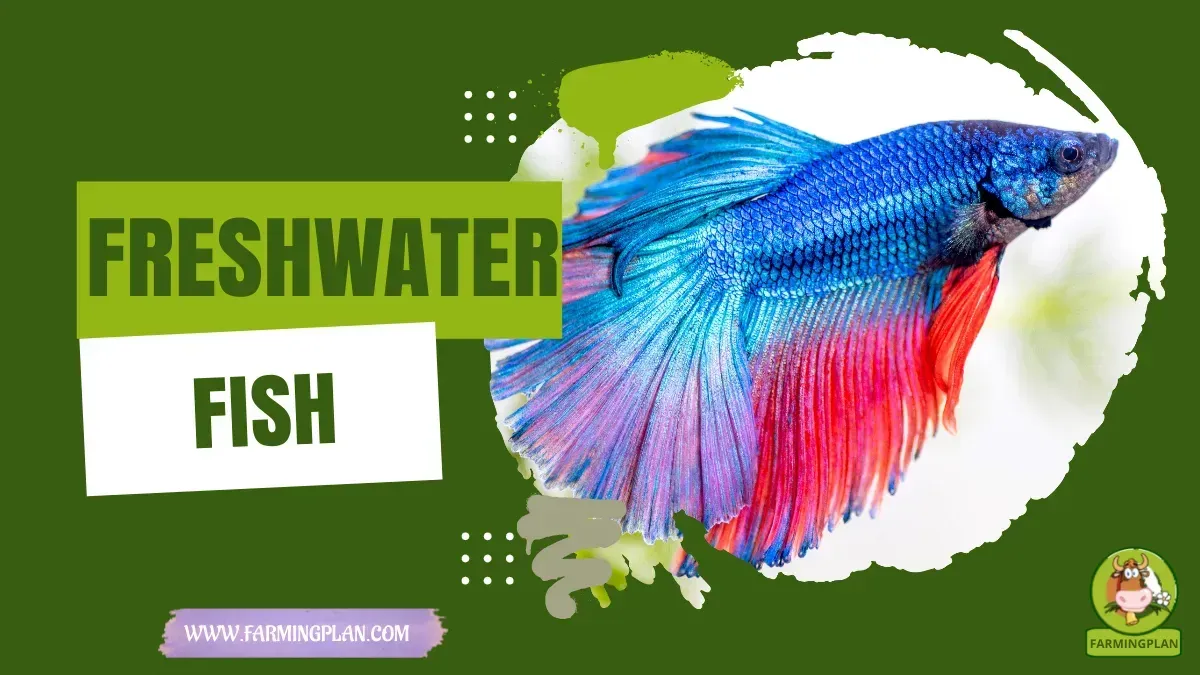
Freshwater Aquaculture Species & Temperature Regimes
Selecting the appropriate fish species begins with evaluating your water source temperature profile. Aquaculture species fall into two major physiological classifications: warmwater species that thrive in water between 75°F and 85°F (24°C to 29°C), and coldwater species that require oxygen-rich water maintained strictly below 65°F (18°C). Structured culling and biosecurity protocols strengthen freshwater fish genetic quality.
Channel Catfish (*Ictalurus punctatus*) stand as the backbone of North American commercial warmwater aquaculture. Extremely hardy, disease-resistant, and adaptable to artificial floating pelleted feeds, catfish convert 1.6 pounds of feed into one pound of gain and tolerate wider water parameter fluctuations than any other native sportfish. Bluegill Sunfish (*Lepomis macrochirus*) serve as prolific forage producers and tasty panfish, laying thousands of eggs per season to sustain predatory fish populations. Maintaining clean feeders and sanitized equipment supports sustainable freshwater fish care.
Largemouth Bass (*Micropterus salmoides*) represent the premier apex predator in farm pond management, controlling sunfish numbers to prevent overpopulation and stunting while delivering world-class recreational angling. Nile Tilapia (*Oreochromis niloticus*) are fast-growing herbivorous/omnivorous cichlids ideal for tank aquaculture and warm southern ponds, converting aquatic algae and low-cost grain rations into firm white fillets in six to nine months. Consistent daily observation helps keepers spot early changes in freshwater fish health and behavior.
⚡ Freshwater Aquaculture Species Comparison & Stocking Benchmarks
| Aquaculture Species | Temperature Tolerance | Optimum Feed Protein | Growth to Market Size | Primary Commercial / Farm Role |
|---|---|---|---|---|
| Channel Catfish | Warm (75°F – 85°F) | 28% – 32% Floating Pellets | 12 – 18 Months (1.5 – 2.0 lbs) | Commercial food fish, fee-fishing, pond bottom gleaner |
| Largemouth Bass | Warm (72°F – 82°F) | 40% – 45% (or live forage) | 18 – 24 Months (2.0 – 3.0 lbs) | Apex biological predator, trophy sport fishery management |
| Bluegill Sunfish | Warm (68°F – 80°F) | 32% – 36% Sinking/Floating | 12 – 16 Months (0.5 – 0.75 lbs) | Primary forage base for bass, exceptional family panfish |
| Nile Tilapia | Tropical (78°F – 88°F) | 28% – 32% Extruded Pellets | 6 – 9 Months (1.25 – 1.75 lbs) | Intensive tank production, RAS systems, weed/algae control |
| Rainbow Trout | Cold (50°F – 62°F) | 40% – 45% High-Lipid Pellet | 10 – 14 Months (1.0 – 1.5 lbs) | Spring-fed raceways, winter pond stocking, gourmet food market |
Water Quality Dynamics & Dissolved Oxygen Management
Dissolved oxygen (DO) is the single most critical water parameter in freshwater fish culture. Warmwater fish require DO levels above 5.0 milligrams per liter (parts per million) for healthy feeding, immune function, and growth. When DO falls below 3.0 mg/L, fish cease feeding and experience severe metabolic distress; levels below 1.5 to 2.0 mg/L cause widespread mortality within hours. Clean housing, fresh water, and balanced nutrition remain essential for freshwater fish productivity.
In earthen ponds, oxygen is generated during daylight hours by single-celled phytoplankton through photosynthesis, reaching peak saturation in late afternoon. However, throughout the night, both fish and phytoplankton consume oxygen via respiration. Consequently, the lowest oxygen levels occur right before sunrise. Installing high-efficiency subsurface diffuser aeration or solar-powered surface agitators breaks thermal stratification and prevents nocturnal suffocation. Tracking feed intake and body condition supports long-term freshwater fish performance.
Total alkalinity measures the concentration of carbonate and bicarbonate ions, functioning as a chemical buffer against drastic pH swings. Ponds with alkalinity below 20 mg/L experience severe diurnal pH fluctuations (swinging from pH 6.5 at dawn to pH 10.0 at dusk), which damages delicate gill lamellae. Applying agricultural limestone (calcium carbonate) to the pond basin establishes total alkalinity above 50 to 100 mg/L, stabilizing pH within the optimal 7.0 to 8.2 range. Following biosecurity best practices reduces disease risk in any freshwater fish operation.
Pond Stocking Ratios & Predator-Prey Balance
Establishing balanced fish populations prevents the common pitfall of stunted panfish or malnourished predators. For a newly constructed, unfertilized one-acre farm pond, standard state fisheries recommendations call for stocking fingerlings in a 5:1 or 10:1 forage-to-predator ratio. Seasonal adjustments to shelter and diet keep freshwater fish thriving year-round.
A proven stocking recipe consists of 500 Bluegill Sunfish and 100 Redear Sunfish fingerlings (1 to 2 inches) stocked in early autumn, followed by 100 Channel Catfish fingerlings (4 to 6 inches). This allows the forage base to mature, establish territories, and spawn in spring. In early summer, introduce 100 Largemouth Bass fingerlings (2 to 3 inches). The bass will feed voraciously on newly hatched sunfish fry, maintaining balanced population densities. Proper record-keeping makes breeding and culling decisions easier for freshwater fish keepers.
For commercial catfish-only production, stocking rates range from 1,000 to 2,500 fingerlings per surface acre if supplemental aeration and daily pelleted feeding are practiced. In intensive tank systems and recirculating aquaculture setups (RAS), stocking densities can reach 0.5 to 1.0 pound of fish per gallon of water, provided continuous oxygenation and mechanical drum filtration are maintained. Providing adequate space and ventilation prevents common stress issues in freshwater fish.
Nutritional Protocols & Feeding Schedules
Commercial aquaculture feeds are formulated as extruded floating pellets. Floating pellets allow managers to observe feeding vigor, monitor population health, and gauge feed intake accurately, preventing feed waste that decomposes and pollutes the pond bottom. Channel catfish and bluegill thrive on 28% to 32% crude protein grain-and-fishmeal pellets, while carnivorous bass fingerlings require specialized 40% protein rations until transitioned to live prey. Understanding breed-specific traits helps maximize freshwater fish longevity and output.
Feed fish once or twice daily at the same time and location, typically mid-morning and late afternoon when dissolved oxygen levels are high. Apply only as much feed as the fish consume vigorously within 15 minutes, generally averaging 2% to 3% of estimated total fish biomass daily during peak growing water temperatures (75°F to 85°F). When water temperatures drop below 60°F in autumn, reduce feeding frequency, switching to sinking wheat-germ pellets once or twice weekly. Routine preventive care saves time and lowers veterinary costs for freshwater fish.
Automated solar-powered directional feeders mounted on shoreline piers provide consistent feeding cadences, conditioning fish to assemble predictably. High-quality commercial aquaculture feeds deliver Feed Conversion Ratios (FCR) between 1.4 and 1.8, meaning 1.5 pounds of dry feed yields one pound of harvestable live fish weight. Matching forage or ration quality to life stage optimizes freshwater fish growth.
Health Management, Aquatic Pathogens & Biosecurity
Disease outbreaks in freshwater fish are almost always secondary opportunistic infections triggered by underlying environmental stress: low dissolved oxygen, high ammonia, overstocking, or rough netting handling. Maintaining optimal water quality is the primary defense against bacterial, parasitic, and fungal pathogens. Gradual dietary transitions protect digestive stability in freshwater fish.
Columnaris disease (*Flavobacterium columnare*) is a common warm-water bacterial infection presenting as yellowish-white lesions around the mouth (saddleback condition) and frayed fins. Motile Aeromonad Septicemia (*Aeromonas hydrophila*) causes hemorrhagic red sores and dropsy bloating during sudden spring temperature transitions. Treating food fish requires adhering to strict FDA-approved veterinary feed directives (VFD) for antibiotics like florfenicol. Selecting healthy foundation stock is the cornerstone of successful freshwater fish management.
Parasitic protozoans include freshwater Ich (*Ichthyophthirius multifiliis*), which produces distinct white spots and flashing behavior, and *Trichodina*, which infests gills and causes respiratory gasping. Aquaculture health specialists at Mississippi State University Extension (Thad Cochran National Warmwater Aquaculture Center) emphasize that stocking certified disease-free fingerlings from biosecure hatcheries eliminates 90% of commercial farm pathogen risks. Good predator-proofing and dry bedding safeguard freshwater fish comfort in harsh weather.
Integrated livestock producers managing grazing animals near farm ponds should reference our practical protocols for mite prevention across poultry and livestock and our guide to barnyard lice treatment. In addition, livestock producers grazing cattle or small ruminants near farm ponds must review our clinical manual on livestock tapeworm eradication to prevent pasture runoff from contaminating aquatic watersheds with encysted parasite eggs. Monitoring water quality and mineral balance directly benefits freshwater fish vitality.
Harvest Techniques, Purging & Market Processing
Harvesting pond fish begins when stock reaches commercial plate size, typically 1.25 to 2.0 pounds for catfish and tilapia, and 0.5 to 0.75 pounds for bluegill. In commercial production, seine netting equipped with mud lines and top floats allows selective harvesting without draining the pond basin. For homestead operations, targeted hook-and-line angling or wire cage traps yield fresh fish on demand. Practical hands-on husbandry ensures consistent results when raising freshwater fish.
Prior to harvesting for food consumption, fish raised in muddy or algae-heavy earthen ponds may absorb geospatial compounds (geosmin and 2-methylisoborneol produced by cyanobacteria), causing an earthy off-flavor. Holding harvested live fish in clean, well-aerated flow-through tanks or holding pens for 48 to 72 hours purges these off-flavors, ensuring sweet, flaky, restaurant-quality fillets. Early intervention at the first sign of lethargy protects overall freshwater fish flock or herd health.
Process fish immediately using humane electrical or percussive stunning followed by clean bleeding in an ice-slurry bath. Maintain processed fillets at 34°F (1°C) to inhibit bacterial spoilage. Processing offal can be recycled via high-heat aerobic composting into nutrient-dense organic fertilizer for pasture and garden enhancement. Breeders interested in comparing housing, diet, and productivity traits should see our Saltwater Fish Care. Structured culling and biosecurity protocols strengthen freshwater fish genetic quality.
⚡ Estimated Annual Budget & Maintenance Costs (USD)
| Aquaculture Component | Year 1 Setup Cost | Annual Recurring Cost | Practical Fisheries Management Notes |
|---|---|---|---|
| Fingerling Stocking (1-Acre Pond) | $350 – $650 | $50 – $150 | 500 Bluegill, 100 Bass, 100 Catfish certified disease-free |
| Electric Diffuser Aeration System | $850 – $1,600 | $120 – $220 | 1/2 HP rocking piston compressor, weighted hose, dual diffusers |
| Commercial Floating Pellets | $180 – $360 | $180 – $360 | 50 lb bags of 32% crude protein floating catfish/panfish pellets |
| Solar Timed Directional Feeder | $220 – $450 | $20 – $40 | Digital programmable timer, solar recharging panel, steel hopper |
| Agricultural Limestone (Liming) | $120 – $250 | $40 – $80 | 1 to 2 tons per acre to buffer total alkalinity above 50 ppm |
| Water Quality Test Kits & DO Probe | $90 – $220 | $30 – $60 | Dissolved oxygen, pH, ammonia, nitrite chemical test kits |
| Harvest Nets & Fish Traps | $80 – $180 | $20 – $40 | Heavy nylon seine net, wire minnow/catfish traps, holding livewells |
| Predator Netting & Bird Deterrents | $60 – $140 | $15 – $35 | Reflective scare tape, perimeter netting against herons and cormorants |
| Total Estimated Investment | $1,950 – $3,850 | $475 – $985 | Produces hundreds of pounds of fresh organic farm protein |
Calculate your pond volume, fingerling stocking density, and feed requirements with our interactive aquaculture calculator: Maintaining clean feeders and sanitized equipment supports sustainable freshwater fish care.
🐟 Freshwater Fish Tank & Feed Calculator
Calculate water volume, minimum filtration capacity, water changes, and daily feed amounts for your Freshwater Fish.
Frequently Asked Questions (FAQ)
What dissolved oxygen and ammonia levels are required for farm fish ponds?
Warmwater fish like Channel Catfish, Bluegill, and Tilapia require dissolved oxygen above 5.0 mg/L (6.5+ mg/L for trout). Un-ionized toxic ammonia (NH3) must remain strictly below 0.05 mg/L, with pH between 6.5 and 8.5 and total alkalinity above 50 to 100 mg/L CaCO3.
What is the classic bass-bluegill-catfish stocking ratio per surface acre?
For balanced recreational and food ponds in the United States, extension guidelines recommend stocking 500 Bluegill Sunfish, 100 Largemouth Bass, and 100 Channel Catfish fingerlings per surface acre so forage fish sustain predator growth.
What water temperatures separate warmwater and coldwater aquaculture?
Warmwater species (Channel Catfish, Largemouth Bass, Nile Tilapia) achieve peak growth at 75°F to 85°F, whereas coldwater salmonids like Rainbow Trout require cool, oxygen-rich water between 50°F and 65°F.
What feed conversion ratio (FCR) do farmed freshwater fish achieve?
Using 28% to 36% protein extruded floating pellets, well-managed catfish and tilapia achieve efficient feed conversion ratios of 1.2 to 1.8 lbs of feed per 1.0 lb of fish weight gain.
How long does it take freshwater farm fish to reach harvest size?
Depending on species, water temperature, and aeration, fingerlings generally reach a marketable 1.5 to 2.5 lb plate size within 12 to 24 months, and should be purged in clean flowing water prior to processing to eliminate off-flavors.
Expert Verdict & Husbandry Roadmap
Freshwater aquaculture represents one of the most rewarding and productive enterprises in modern agriculture. Whether managing an existing rural farm pond or constructing a specialized recirculating aquaculture facility, fish farming converts modest land and water assets into hundreds of pounds of lean, healthy protein while enhancing property biodiversity. Consistent daily observation helps keepers spot early changes in freshwater fish health and behavior.
Long-term success rests upon three core practices: maintaining robust mechanical aeration to keep dissolved oxygen above 5.0 mg/L, enforcing balanced predator-prey stocking ratios, and feeding high-grade floating pellets that allow direct observation of fish health. By applying these scientific aquaculture principles, your farm water resources will yield abundant, sustainable harvests for generations. Clean housing, fresh water, and balanced nutrition remain essential for freshwater fish productivity.
📚Agricultural Reference & Scientific Citations
Standards and physiological data referenced in this guide comply with USDA Animal and Plant Health Inspection Service (APHIS), American Veterinary Medical Association (AVMA), and the FAO Domestic Animal Diversity Information System.


