

⚡ Mite Species, Biology & Control Benchmarks at a Glance
| Taxonomic Classification | Class Arachnida, Subclass Acari (eight-legged ectoparasitic arthropods) |
| Major Poultry Species | Red Roost Mite (Dermanyssus gallinae), Northern Fowl Mite (Ornithonyssus sylviarum) |
| Major Livestock Species | Sarcoptic Mange Mite (Sarcoptes scabiei), Psoroptic Ear/Body Mite (Psoroptes ovis) |
| Reproductive Life Cycle | Rapid 7 to 10 days from egg to reproducing adult under warm barn conditions |
| Primary Clinical Impacts | Severe anemia, blood loss, pale combs, egg drop of 15% – 30%, self-mutilation, mortality |
| Nocturnal Feeding Behavior | Red mites hide in wooden coop crevices by day and feed aggressively on birds by night |
| Permanent Host Dwellers | Northern fowl mites spend their entire lifecycle directly on host feathers around the vent |
| Chemical Control Agents | Permethrin (0.5% dust or 0.25% liquid spray), Spinosad (Elector PSP), Ivermectin pour-on |
| Non-Chemical Physical Barriers | Food-grade diatomaceous earth, sulfur powder baths, high-pressure steam cleaning |
| Eradication Strategy | Simultaneous treatment of all host animals and complete chemical wash of shelter surfaces |
When planning mite control management, mites represent one of the most stealthy, destructive, and economically costly ectoparasites in poultry yards, livestock barns, and homestead operations. Measuring less than one millimeter across, these microscopic arachnids multiply with explosive speed during warm, humid weather. A minor infestation of a few dozen mites in early summer can explode into a debilitating colony of hundreds of thousands within weeks, literally draining the life out of laying hens, sheep, cattle, and goats.
Successfully controlling external parasites requires a methodical understanding of vector life cycles, seasonal pest dynamics, and biological sanitation. Producers can explore foundational pest protocols in our comprehensive integrated pest and parasite control manual to design clean barn perimeters and non-toxic prevention schedules. Clean housing, fresh water, and balanced nutrition remain essential for mite control productivity. Tracking feed intake and body condition supports long-term mite control performance.
The difficulty in controlling mites stems from their diverse biological habits. While Northern fowl mites dwell permanently upon host skin, red roost mites abandon the host during daylight hours, retreating into microscopic seams, screw holes, and roost crevices. Treating only the animal while ignoring the housing guarantees an immediate re-infestation within days. This comprehensive eradication guide covers species identification, clinical signs, shelter washdowns, chemical protocols, and long-term prevention. Following biosecurity best practices reduces disease risk in any mite control operation.
Physical Characteristics & Common Farm Mite Species
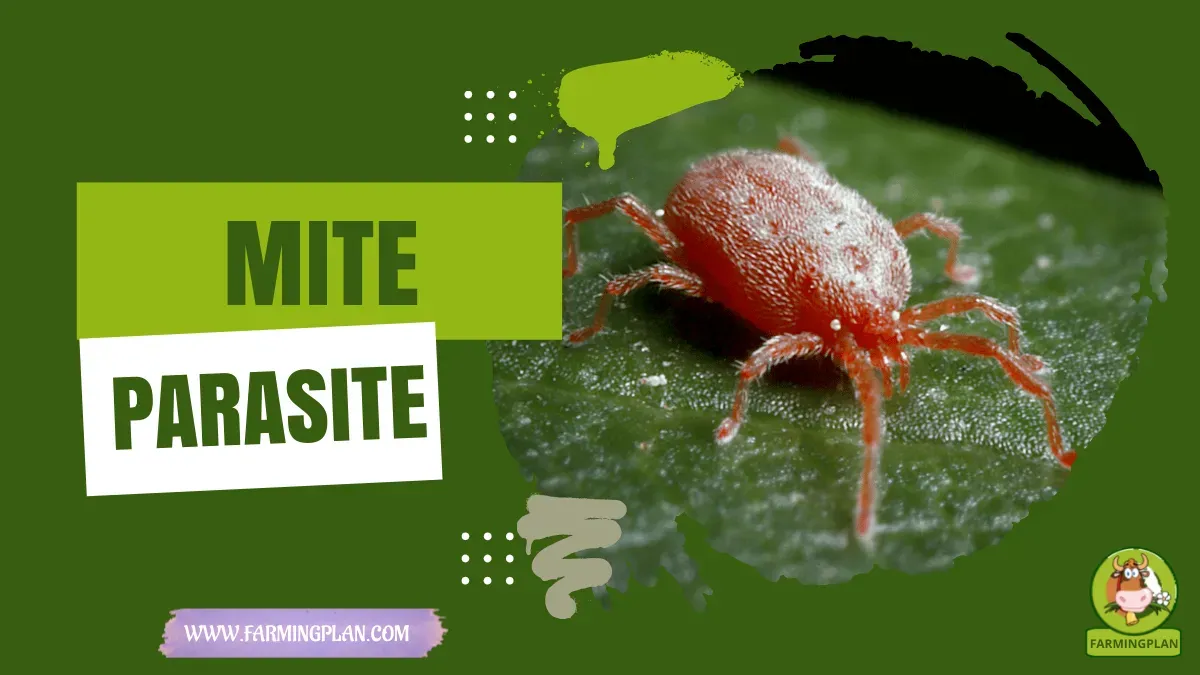
Adult mites possess eight legs and oval bodies lacking distinct abdominal segmentation. When unfed, they appear grayish-white, translucent, and barely visible to the naked eye. Following an evening blood meal, their bodies engorge, turning vibrant crimson to dark purplish-black, which gives the red poultry mite its common name. Seasonal adjustments to shelter and diet keep mite control thriving year-round.
Correct clinical identification between the two primary avian species dictates your eradication strategy. The Northern fowl mite (Ornithonyssus sylviarum) completes its entire 7-day life cycle on the host, depositing sticky gray egg masses on vent feathers. Conversely, the red roost mite (Dermanyssus gallinae) visits birds only at night for 30 to 60 minutes to engorge on blood, spending daylight hours hiding in coop construction seams. Proper record-keeping makes breeding and culling decisions easier for mite control keepers. Providing adequate space and ventilation prevents common stress issues in mite control.
Comparative Livestock & Poultry Mite Matrix
⚡ Major Agricultural Mite Species & Clinical Comparison
| Mite Species | Target Animals | Daytime Location | Diagnostic Signs | Primary Control Method |
|---|---|---|---|---|
| Red Roost Mite (D. gallinae) | Chickens, turkeys, gamebirds | Coop joints, roost cracks, nest bottoms | Pale combs, birds refusing to enter coops, egg stains | Coop strip-down & Spinosad/Permethrin spray |
| Northern Fowl Mite (O. sylviarum) | Chickens, ducks, pheasants | Feathers around vent and cloaca | Dirty black crusting at vent, severe anemia, scabbing | Direct bird dusting with Permethrin or sulfur baths |
| Scaly Leg Mite (K. mutans) | Chickens, turkeys, bantams | Under shank and toe scales | Raised, crusty shank scales, lameness, swollen toes | Suffocating oil soaks & petroleum jelly coatings |
| Sarcoptic Mange Mite (S. scabiei) | Pigs, cattle, dogs, goats | Burrowed inside dermal epidermis | Intense scratching, thickened crusty skin, hair loss | Systemic Ivermectin / Doramectin injectables |
| Psoroptic Sheep Scab (P. ovis) | Sheep, cattle, horses | Skin surface under fleece scabs | Fleece shedding, skin biting, emaciation, wool tags | Plunge dipping or macrocyclic lactone injections |
Life Cycle, Rapid Reproduction & Survival Mechanisms
Under optimal summer temperatures (75°F to 85°F), the red poultry mite progresses from egg to six-legged larva, protonymph, deutonymph, and reproducing adult in fewer than seven days. Female mites lay 4 to 8 eggs after every single blood meal, producing hundreds of offspring across their adult lifespan. This exponential reproductive speed explains why coops can seem completely clean one week and heavily infested the next. Understanding breed-specific traits helps maximize mite control longevity and output.
Field trials demonstrate that unfed adult red mites possess remarkable survival endurance. They can enter a dormant state and survive up to nine months inside an empty, unheated chicken coop without feeding on a single bird. Depopulating an infested coop over the winter without aggressive chemical decontamination will not starve the mites; they will emerge to attack the new flock in spring. Routine preventive care saves time and lowers veterinary costs for mite control.
High ambient coop temperatures accelerate this reproductive explosion. While temperatures below 50°F slow mite egg production, temperatures above 80°F cut development time down to barely five days. Establishing weekly roost inspections during mid-summer heat enables flock managers to intervene before populations overwhelm flock immune reserves. Matching forage or ration quality to life stage optimizes mite control growth. Gradual dietary transitions protect digestive stability in mite control.
Coop Decontamination & Sanitation Protocols
Eliminating red mites requires a thorough chemical strip-down of the shelter. Remove all birds, strip out all wood shavings and straw, and burn or bag the bedding off-site. Never compost mite-infested bedding near your poultry coops or livestock paddocks. Selecting healthy foundation stock is the cornerstone of successful mite control management.
Pressure-wash all interior surfaces using a hot detergent solution, driving high-pressure water directly into corners, perches, and nest boxes. Once the shelter dries completely, spray all surfaces with an EPA-registered poultry insecticide such as Spinosad (Elector PSP) or liquid permethrin (0.25% dilution). Ensure the chemical penetrates deep into cracks where mites cluster. Repeat the chemical spray 7 days later to kill newly hatched nymphs before they reach reproductive maturity. Good predator-proofing and dry bedding safeguard mite control comfort in harsh weather.
Nutritional Support & Recovery Rations
Because blood-feeding mites consume large quantities of hemoglobin, infested birds suffer chronic anemia, electrolyte depletion, and rapid egg production declines of 20% to 35%. During recovery, increase dietary crude protein to 18% to 20% to stimulate red blood cell regeneration and repair feather loss. Flock owners can consult our targeted poultry nutrition and feeding guides to formulate fortifying recovery mashes. Monitoring water quality and mineral balance directly benefits mite control vitality. Practical hands-on husbandry ensures consistent results when raising mite control.
Add poultry vitamin supplements containing iron, vitamin B12, and vitamin K to drinking water for 5 consecutive days. Offer fresh greens, mealworms, and black oil sunflower seeds to supply trace lipids and minerals that restore vibrant red comb color and stimulate egg laying. Early intervention at the first sign of lethargy protects overall mite control flock or herd health.
Chemical Treatments, Biosecurity Standards & Natural Remedies
Spinosad represents the modern gold standard in avian mite eradication. Derived from natural soil bacterium fermentation, it paralyzes the insect nervous system without leaving toxic chemical residues in poultry meat or eggs, allowing zero egg withdrawal periods. Alternatively, permethrin dust (0.5%) applied directly to bird vents and rubbed into feathers provides rapid knockdown against Northern fowl mites. Structured culling and biosecurity protocols strengthen mite control genetic quality.
Natural control methods serve primarily as preventative maintenance rather than emergency rescue. Provide deep dust baths filled with dry soil, wood ash, and food-grade diatomaceous earth (DE). The sharp microscopic silica particles in DE scratch the wax epicuticle of crawling mites, causing fatal dehydration. Review official biosecurity protocols from the USDA Defend the Flock Resource Hub to prevent wild songbirds and rodents from reintroducing mites into your facility. Maintaining clean feeders and sanitized equipment supports sustainable mite control care. Consistent daily observation helps keepers spot early changes in mite control health and behavior.
A proven homestead dust bath formula combines two parts dry screened builder sand, two parts clean hardwood ash, and one part food-grade diatomaceous earth. Situate dust bathing shelters under rain roofs so the mixture stays bone dry. Hens will instinctively dust bathe multiple times daily, coating their feather quills and smothering crawling parasites naturally. Clean housing, fresh water, and balanced nutrition remain essential for mite control productivity.
Differential Diagnostics & Co-Infestations
Flock keepers often confuse poultry mites with biting poultry lice (Menacanthus stramineus). While mites are eight-legged blood-feeders that appear red, gray, or black, poultry lice are six-legged insects with straw-colored, elongated bodies that chew skin dander and feather quills. For distinguishing clinical features, compare our diagnostic breakdown in the livestock and poultry lice treatment guide to ensure correct chemical selection. Tracking feed intake and body condition supports long-term mite control performance.
Perform the “white paper towel test” at night: wipe the underside of roost bars with a clean white paper towel. If small red or brownish streaks appear, your coop harbors an active nocturnal red mite colony requiring immediate treatment. Following biosecurity best practices reduces disease risk in any mite control operation. Seasonal adjustments to shelter and diet keep mite control thriving year-round.
US Ownership Budget & Annual Maintenance Costs
Managing mite control across a backyard flock or small livestock holding requires routine supplies for dust baths, sprays, and protective equipment. The table below itemizes typical annual costs for maintaining a 20-bird flock completely mite-free. Proper record-keeping makes breeding and culling decisions easier for mite control keepers.
⚡ Estimated Annual Mite Prevention & Treatment Budget (USD)
| Control Intervention | Product & Application Details | Estimated Annual Cost (USD) |
|---|---|---|
| Chemical Sprays (Spinosad/Permethrin) | Elector PSP or permethrin concentrate for biannual washdown | $75 – $120 |
| Permethrin Poultry Dust | 4 lbs shaker canister for direct vent and bird application | $25 – $40 |
| Food-Grade Diatomaceous Earth | 50 lb bag for dust baths and coop floor bedding base | $35 – $55 |
| Scaly Leg Oil & Ointments | Coconut oil and mineral jelly for leg mite soaks | $18 – $30 |
| Coop Cleaning Sprayer & PPE | Compression pump sprayer, N95 masks, and gloves | $35 – $60 |
| Total Estimated Annual Operating Cost | Comprehensive annual mite eradication and prevention program | $188 – $305 / year |
🛡️ Mite Control Herd & Barn Sanitization Estimator
Estimate barn surface area coverage, wash/spray solution volume (gallons), quarantine downtime, and annual preventative biosecurity supply costs for Mite Control.
Frequently Asked Questions (FAQ)
How can you tell if your chicken coop has mites?
Inspect perches at night using a flashlight. Run a white paper towel along the underside of roost bars; reddish or brownish smears indicate engorged mites. Daytime signs include pale combs, dirty feathers around the vent, and hens refusing to sleep on roosts.
What kills poultry mites immediately?
Spinosad (Elector PSP) and liquid permethrin spray (0.25% dilution) kill mites rapidly on contact. Spray all coop cracks, nest boxes, and perch joints thoroughly, repeating the treatment 7 days later to eliminate newly hatched nymphs.
Can poultry mites live on humans?
Poultry mites can crawl onto humans, causing intensely itchy, red bites on the skin. However, avian mites cannot reproduce or complete their life cycle on human hosts, dying off within a few days once removed from avian prey.
How do you treat scaly leg mites on chickens?
Soak the chicken’s shanks in warm soapy water to soften crusts, dry thoroughly, and apply a thick coating of petroleum jelly or coconut oil mixed with a drop of tea tree oil. The thick oil suffocates the mites burrowed beneath the scales.
Does diatomaceous earth really work for mite control?
Food-grade diatomaceous earth acts as an effective preventive barrier in dust baths by scratching the waxy outer shell of mites and dehydrating them. However, for active, severe infestations, chemical treatments like Spinosad are required for full control.
How long can red roost mites survive in an empty coop?
Adult red roost mites can enter dormancy and survive for up to 9 months inside empty, unheated coops without a single blood meal. Always decontaminate empty coops chemically before introducing new birds.
Expert Verdict & Long-Term Biosecurity
Eradicating mites demands persistence, simultaneous treatment of birds and facilities, and strict biosecurity to keep external reservoirs at bay. By inspecting roost bars weekly, maintaining clean sulfur dust baths, and applying targeted insecticides twice annually, poultry keepers protect flock health and preserve high egg yields. To compare external parasite challenges across other livestock species, explore our practical guide to pasture and yard tick control. Providing adequate space and ventilation prevents common stress issues in mite control.
With clean housing designs, regular roost monitoring, and prompt chemical intervention at the first sign of mites, your birds will remain vigorous, comfortable, and productive. Understanding breed-specific traits helps maximize mite control longevity and output.
📚Agricultural Reference & Scientific Citations
Standards and physiological data referenced in this guide comply with USDA Animal and Plant Health Inspection Service (APHIS), American Veterinary Medical Association (AVMA), and the FAO Domestic Animal Diversity Information System.


