

⚡ Livestock Tick Control at a Glance: Key Specifications & Benchmarks
| Primary Vector Species | Lone Star Tick (*Amblyomma americanum*), Blacklegged Tick, American Dog Tick, Cattle Fever Tick |
| Major Livestock Pathogens | Bovine Anaplasmosis (*Anaplasma marginale*), Babesiosis, Lyme Disease (*Borrelia burgdorferi*) |
| Economic Injury Impact | Severe blood-loss anemia, tick paralysis, hide punctures, reduced milk yield and average daily gain |
| On-Animal Chemical Acaricides | Synthetic pyrethroid pour-ons (permethrin 5%), macrocyclic lactones (ivermectin, moxidectin) |
| Insecticide Ear Tag Lifespan | Controlled-release pyrethroid / organophosphate tags provide 3 to 5 months of active protection |
| Pasture Cultural Management | Brush and cedar clearing, 3-foot mowed buffer strips, rotational pasture resting (60–90 days) |
| Biological Control Agents | Free-range Guinea fowl flocks, beneficial entomopathogenic nematodes (*Steinernema carpocapsae*) |
| Tick Questing Season | Peak activity from early spring through autumn (soil temperatures >45°F; humidity >65%) |
| Chemical Rotation Mandate | Rotate chemical classes annually (pyrethroids vs organophosphates) to prevent target-site resistance |
| Pasture Prescribed Fire | Controlled late-winter dormant burning eliminates over 85% of overwintering tick populations |
Ticks represent one of the most insidious, debilitating, and economically costly ectoparasites confronting pastured livestock operations. Unlike biting flies that cause temporary annoyance, hard ticks (*Ixodidae*) embed sharp hypostomes into animal skin for days, extracting heavy blood meals that induce debilitating anemia, unthriftiness, and hide damage. More critically, ticks serve as primary vectors for devastating systemic pathogens, transmitting bovine anaplasmosis, babesiosis (cattle fever), and Lyme borreliosis across herds. Seasonal adjustments to shelter and diet keep tick control thriving year-round.
Achieving durable, long-term tick suppression requires abandoning reactive, piecemeal sprays in favor of an Integrated Pest Management (IPM) framework. Livestock managers designing whole-farm biosecurity can explore vector suppression principles in our comprehensive livestock parasite control and herd health guide to coordinate pasture rotations with on-animal topical treatments. Proper record-keeping makes breeding and culling decisions easier for tick control keepers.
An effective livestock tick IPM strategy attacks the parasite on three distinct fronts: applying residual on-animal acaricide pour-ons and ear tags to break feeding cycles, managing pasture micro-climates through brush clearing and rotational resting to desiccate questing nymphs, and deploying biological predators. This field manual details tick biology, pathogen transmission, chemical acaricide rotations, pasture manipulation, and operational budgeting. Providing adequate space and ventilation prevents common stress issues in tick control.
Daily inspection of cattle, sheep, goats, and equines allows producers to spot initial tick attachments before pathogens transmit into host bloodstreams. Most tick-borne bacteria and protozoa require 24 to 48 hours of continuous attachment and feeding before salivary glands activate pathogen transmission. Establishing weekly chute inspections and treating tailheads, dewlaps, and udder folds protects livestock from clinical anaplasmosis outbreaks. Understanding breed-specific traits helps maximize tick control longevity and output.
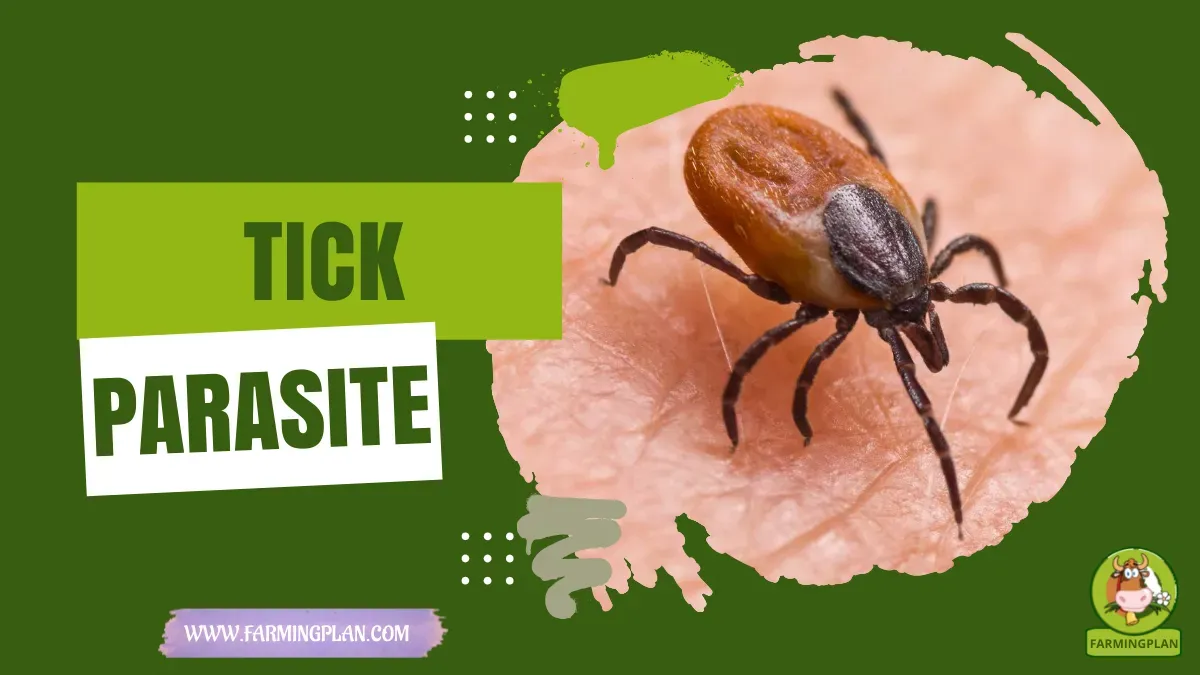
Tick Identification, Species Biology & Questing Dynamics
Effective pasture control begins with identifying the primary tick species active in your region. The four major hard tick species affecting North American livestock operations include the Lone Star tick, the Blacklegged tick (deer tick), the American dog tick, and the historically regulated Cattle Fever tick. Each exhibits specific habitat preferences and vector capabilities. Routine preventive care saves time and lowers veterinary costs for tick control.
The Lone Star tick (*Amblyomma americanum*) is distinguished by a silvery-white dot on the female’s dorsal scutum. Aggressive and non-discriminatory, all life stages (larvae, nymphs, and adults) feed voraciously on livestock, dogs, and humans, transmitting *Ehrlichia* and causing severe tissue inflammation. The Blacklegged tick (*Ixodes scapularis*) thrives in cool, deciduous woodlands, serving as the sole vector of Lyme disease (*Borrelia burgdorferi*) and anaplasmosis. Matching forage or ration quality to life stage optimizes tick control growth.
The American dog tick (*Dermacentor variabilis*) is common in overgrown pastures and along fence lines, transmitting *Anaplasma marginale* to cattle. The Cattle Fever tick (*Rhipicephalus annulatus* and *R. microplus*) is a one-host tick capable of transmitting *Babesia bovis*, triggering fatal destruction of red blood cells. The USDA maintains an active permanent quarantine buffer along the southern Texas border to prevent cattle fever tick re-establishment. Gradual dietary transitions protect digestive stability in tick control.
⚡ Livestock Tick Species Identification & Disease Vector Matrix
| Tick Species | Physical Identifiers | Preferred On-Animal Attachment Site | Primary Livestock Pathogen |
|---|---|---|---|
| Lone Star Tick (*Amblyomma americanum*) | White dorsal spot on females; long mouthparts | Udder, scrotum, inner thighs, dewlap, ears | Bovine Theileriosis, *Ehrlichia chaffeensis*, tick worry |
| Blacklegged Deer Tick (*Ixodes scapularis*) | Dark brown body, black legs, no festoons | Neck, shoulder flanks, tailhead, brisket | Lyme Disease (*Borrelia*), Equine Anaplasmosis |
| American Dog Tick (*Dermacentor variabilis*) | Ornate silver-gray mottled scutum | Ears, poll, neck, base of horns, tailhead | Bovine Anaplasmosis (*Anaplasma marginale*), paralysis |
| Gulf Coast Tick (*Amblyomma maculatum*) | Ornate silvery lines; long palps | Ears (causes “gotch ear” cartilage deformity) | *Hepatozoon americanum*, secondary screwworm sites |
| Cattle Fever Tick (*Rhipicephalus annulatus*) | Short mouthparts, hexagonal basis capituli | Belly, groin, inner legs, brisket | Bovine Babesiosis (Texas Cattle Fever; Redwater) |
Lifecycle Dynamics & Environmental Vulnerabilities
Most livestock ticks are three-host ticks, completing their complex lifecycle over two to three years across four developmental stages: egg, six-legged larva (“seed tick”), eight-legged nymph, and mature adult. At each active stage, the tick must locate a vertebrate host, engorge on blood for 4 to 10 days, detach, drop into pasture thatch, and molt to the next stage. Selecting healthy foundation stock is the cornerstone of successful tick control management.
Ticks find hosts through a behavioral process called questing. Ticks climb up tall grass stems, weeds, or low brush branches, extending their front legs to detect carbon dioxide plumes, body heat, and vibrations from passing cattle or horses. Because ticks cannot jump or fly, direct contact with questing vegetation is required for attachment. Good predator-proofing and dry bedding safeguard tick control comfort in harsh weather.
The tick’s primary biological vulnerability is desiccation. Ticks lose internal moisture rapidly and must descend down grass stems into moist soil thatch to absorb water vapor from micro-climates maintaining greater than 80% relative humidity. Exploiting this vulnerability through brush clearing, solar pasture exposure, and rotational resting forms the core of non-chemical pasture tick eradication. Monitoring water quality and mineral balance directly benefits tick control vitality.
Pasture Habitat Manipulation & Cultural Control
Cultural pasture manipulation removes the micro-climates ticks require to survive. Overgrown cedar brakes, briar patches, and dense brush along fence lines provide ideal shade and humidity for questing ticks and shelter for intermediate wildlife hosts like white-tailed deer and rodents. Clearing fence line brush and shredding woody undergrowth eliminates tick questing perches. Practical hands-on husbandry ensures consistent results when raising tick control.
Establish a 3-to-4-foot mowed buffer strip along all pasture margins, corral perimeters, and barn pathways. Short grass exposed to direct sunlight and wind warms above 95°F and drops humidity below 50%, creating a lethal desiccation zone that questing ticks cannot cross without dying of dehydration. Early intervention at the first sign of lethargy protects overall tick control flock or herd health.
Rotational pasture resting exploits tick starvation thresholds. When a pasture paddock is completely destocked of cattle and livestock for 60 to 90 days during hot summer months, questing seed ticks and nymphs expend their stored metabolic energy without finding a blood meal, resulting in massive population die-offs. In native warm-season grass pastures, controlled late-winter dormant burning eliminates over 85% of overwintering ticks nestled in leaf litter. Structured culling and biosecurity protocols strengthen tick control genetic quality.
Chemical Acaricide Protocols, Pour-Ons & Ear Tags
Chemical control provides rapid on-animal protection when pasture tick pressure exceeds economic thresholds. Synthetic pyrethroid pour-ons containing 5% permethrin or cyfluthrin applied along the backline from poll to tailhead provide excellent contact knockdown and repelling action for three to four weeks. The lipophilic acaricide binds to natural skin oils, distributing across the animal’s body. Maintaining clean feeders and sanitized equipment supports sustainable tick control care.
Insecticide ear tags impregnated with organophosphates (diazinon, coumaphos) or synthetic pyrethroids (zeta-cypermethrin) deliver continuous, low-dose acaricide as the animal moves and grooms, protecting ears and neck tissues against Gulf Coast and Lone Star ticks for up to five months. Always rotate chemical classes annually—switching from pyrethroids to organophosphates—to prevent target-site sodium channel mutations and chemical resistance. Consistent daily observation helps keepers spot early changes in tick control health and behavior.
Macrocyclic lactone pour-ons and injectables (ivermectin, doramectin, moxidectin) provide systemic control, killing ticks when they ingest host blood. Forced-use backrubbers and hanging oilers charged with 1% permethrin dissolved in mineral oil installed at water gates provide automatic, continuous self-treatment as cattle move between paddocks. Clean housing, fresh water, and balanced nutrition remain essential for tick control productivity.
Tick-Borne Diseases, Treatment & Biosecurity
Bovine Anaplasmosis (*Anaplasma marginale*) represents the primary tick-transmitted pathogen of cattle. The rickettsial bacterium infects and destroys red blood cells, causing severe progressive anemia, jaundice, rapid weight loss, and sudden aggression due to brain hypoxia. Mature cattle over two years old suffer high mortality, whereas calves under six months display mild symptoms and develop lifelong immunity. Tracking feed intake and body condition supports long-term tick control performance.
Clinical anaplasmosis cases require immediate veterinary administration of long-acting oxytetracycline (20 mg/kg deep intramuscularly) along with supportive electrolytes. Veterinary parasitology specialists at Oklahoma State University College of Veterinary Medicine recommend feeding continuous chlortetracycline (CTC) mineral blocks at 0.5 mg/lb body weight daily during peak vector seasons to suppress active anaplasmosis transmission in high-risk herds. Following biosecurity best practices reduces disease risk in any tick control operation.
Comprehensive external parasite programs must also address biting flies, which act as mechanical vectors transferring infected blood between animals via contaminated mouthparts. Utilize our field guide on barn fly control and pest suppression, and cross-reference our field manuals on poultry and livestock mite control and livestock lice eradication to maintain broad ectoparasite clearance. Seasonal adjustments to shelter and diet keep tick control thriving year-round.
On pasture ranges, producers should also monitor internal helminths by referencing our technical overview on livestock tapeworm protocols, ensuring pasture animals maintain strong immune defenses against concurrent infections. Proper record-keeping makes breeding and culling decisions easier for tick control keepers.
Biological Tick Control & Free-Range Poultry
Biological tick control harnesses natural avian and microbial predators to reduce pasture tick burdens without chemical residues. Helmeted Guinea fowl (*Numida meleagris*) are renowned as the premier avian tick predators on farm acreage. A small flock of 10 to 15 free-ranging guinea fowl will patrol homestead yards, paddocks, and corral edges, consuming thousands of questing ticks, grasshoppers, and beetles weekly. Providing adequate space and ventilation prevents common stress issues in tick control.
Domestic chickens, turkeys, and ducks also consume ticks around barnyards, scratching open damp leaf thatch and exposing tick larvae to direct solar desiccation. Integrating mixed poultry pasturing along cattle holding pens creates a biological buffer that suppresses tick populations before livestock enter. Understanding breed-specific traits helps maximize tick control longevity and output.
In concentrated loafing yards and corrals, beneficial entomopathogenic nematodes (*Steinernema carpocapsae* and *Heterorhabditis bacteriophora*) can be applied via water sprayers onto damp soil. These microscopic organisms enter engorged tick bodies through natural spiracles, releasing symbiotic bacteria that kill the tick within 48 hours, providing clean biological suppression around water troughs and holding pens. Routine preventive care saves time and lowers veterinary costs for tick control.
⚡ Estimated Annual Budget & Maintenance Costs (USD)
| Tick Control Component | Year 1 Setup Cost | Annual Recurring Cost | IPM Protocol & Economic Value |
|---|---|---|---|
| On-Animal Pour-On Acaricides | $90 – $180 | $90 – $180 | 5% Permethrin pour-on jugs for seasonal herd backline treatments |
| Insecticide Ear Tags (Pair/Head) | $75 – $160 | $75 – $160 | Organophosphate / pyrethroid dual tags for 25 cattle head |
| Forced-Use Backrubbers & Wicks | $140 – $280 | $40 – $80 | Heavy hanging mineral-oil cattle backrubber canvas wicks |
| Pasture Mowing & Brush Clearing | $120 – $350 | $80 – $220 | Rotary shredder fuel, fenceline herbicide clearing, fire breaks |
| Biological Guinea Fowl Flock (10) | $60 – $140 | $30 – $60 | Day-old keets, starter crumble, predator-safe roost shelter |
| CTC Mineral Suppressive Tubs | $110 – $240 | $110 – $240 | Chlortetracycline mineral blocks for anaplasmosis prevention |
| Veterinary Blood Diagnostic Tests | $75 – $160 | $40 – $90 | Fecal flotations, PCV hematocrit tubes, anaplasma serology |
| Total Estimated Investment | $670 – $1,510 | $465 – $1,030 | Prevents thousands in lost calf gain, anemia & death losses |
Calculate your herd acaricide volume, ear tag requirements, and annual tick management budget with our interactive calculator: Matching forage or ration quality to life stage optimizes tick control growth.
🛡️ Tick Control Herd & Barn Sanitization Estimator
Estimate barn surface area coverage, wash/spray solution volume (gallons), quarantine downtime, and annual preventative biosecurity supply costs for Tick Control.
Frequently Asked Questions (FAQ)
Which tick species and diseases pose the biggest threat to pastured livestock?
Lone Star ticks, Blacklegged ticks, American Dog ticks, and Cattle Fever ticks inflict anemia and hide damage while vectoring serious systemic pathogens including Bovine Anaplasmosis, Babesiosis, and Lyme disease.
When are livestock ticks most active during the grazing season?
Hard ticks actively quest on tall brush and pasture edges from early spring through late autumn whenever soil temperatures exceed 45°F and relative humidity rises above 65%.
How effective are insecticide ear tags and pour-ons for cattle tick control?
Controlled-release pyrethroid or organophosphate ear tags provide 3 to 5 months of season-long vector suppression when combined with strategic 5% permethrin pour-ons or macrocyclic lactone treatments.
How do pasture management and rotational resting reduce tick populations?
Clearing brush and cedar undergrowth, maintaining 3-foot mowed perimeter strips, resting paddocks for 60 to 90 days, or conducting late-winter prescribed burns (which eliminate over 85% of overwintering ticks) dramatically cuts tick burdens.
Can free-range poultry help control ticks around livestock barns?
Yes, integrating free-range Guinea fowl flocks around barn lots and pasture edges naturally consumes large numbers of questing larval and nymphal ticks as part of an ecological Integrated Pest Management plan.
Expert Verdict & Husbandry Roadmap
Ticks are among the most persistent and costly threats in pasture-based livestock farming. Because ticks transmit life-threatening pathogens like anaplasmosis while directly depleting blood volume and reducing grazing efficiency, relying on sporadic treatment after cows become visibly infested is an invitation to economic loss. Gradual dietary transitions protect digestive stability in tick control.
Sustainable herd protection requires executing an unbroken seasonal IPM strategy: clearing fenceline brush and creating mowed buffer strips, applying residual pour-ons and rotating ear tag chemical classes, and utilizing rotational pasture resting to starve questing nymphs. By integrating cultural pasture management with targeted acaricides, your livestock will graze comfortably, maintaining peak weight gains and robust health all season long. Selecting healthy foundation stock is the cornerstone of successful tick control management.
📚Agricultural Reference & Scientific Citations
Standards and physiological data referenced in this guide comply with USDA Animal and Plant Health Inspection Service (APHIS), American Veterinary Medical Association (AVMA), and the FAO Domestic Animal Diversity Information System.


