

⚡ Barn Fly Control at a Glance: Key Specifications & Benchmarks
| Primary Pest Species | House fly (*Musca domestica*), Stable fly (*Stomoxys calcitrans*), Horn fly, Face fly |
| Lifecycle Duration | 7 to 14 days from egg to adult in summer conditions (80°F to 90°F) |
| Economic Injury Threshold | 5 biting stable flies per front leg on cattle; 100 to 200 horn flies per animal side |
| Primary Disease Vectors | Bovine pinkeye (*Moraxella bovis*), mastitis pathogens, Salmonella, E. coli |
| Core Management Strategy | Integrated Pest Management (IPM): Cultural sanitation, biological, mechanical, chemical |
| Biological Control Agents | Pupal parasitoid wasps (*Spalangia nigroaenea*, *Muscidifurax raptor*) |
| Chemical Larvicide Class | Insect Growth Regulators (IGRs: Diflubenzuron, Cyromazine, Methoprene) |
| Mechanical Trapping Systems | Odor-baited jug traps for house flies; translucent fiberglass sticky traps for stable flies |
| Cultural Sanitation Cadence | Manure scrape and compost every 3 to 5 days to disrupt larval development cycles |
| Economic Impact | Unchecked infestations cause 10% to 20% drops in milk yield and 0.25 lb daily gain loss |
Flies represent one of the costliest and most persistent pest challenges across livestock barns, horse stables, and poultry facilities. In warm weather, unmanaged fly populations explode exponentially, inflicting intense physical stress, blood loss, and behavioral exhaustion upon cattle, equine, sheep, goats, and poultry. Beyond animal discomfort, flies serve as mechanical and biological vectors for devastating pathogens, transmitting bovine keratoconjunctivitis (pinkeye), summer mastitis, and enteric bacterial infections. Tracking feed intake and body condition supports long-term fly control performance. Following biosecurity best practices reduces disease risk in any fly control operation.
Achieving durable, long-term fly suppression requires abandoning reliance on reactionary chemical sprays in favor of a science-based Integrated Pest Management (IPM) program. Producers seeking to safeguard herd biosecurity can explore foundational vector eradication principles in our comprehensive livestock parasite control and management guide to synchronize barn sanitation, pasture rotation, and veterinary health programs. Seasonal adjustments to shelter and diet keep fly control thriving year-round.
An effective livestock IPM framework systematically attacks every stage of the dipteran life cycle: eliminating larval breeding substrate through rigorous manure management, deploying beneficial parasitoid wasps to destroy pupae, capturing host-seeking adults with targeted mechanical traps, and applying judicious insect growth regulators. This comprehensive field manual examines fly biology, economic injury thresholds, biological control protocols, chemical choices, and physical trapping systems. Proper record-keeping makes breeding and culling decisions easier for fly control keepers.
On commercial dairies and pastured beef operations, fly pressure directly erodes profitability. Agitated livestock expend vital metabolic energy stomping feet, swishing tails, and bunching into defensive circles rather than grazing or resting. Research demonstrates that maintaining fly numbers below established economic thresholds restores calm herd behavior, protects daily rate of gain, and preserves peak lactation output throughout summer heat. Providing adequate space and ventilation prevents common stress issues in fly control.
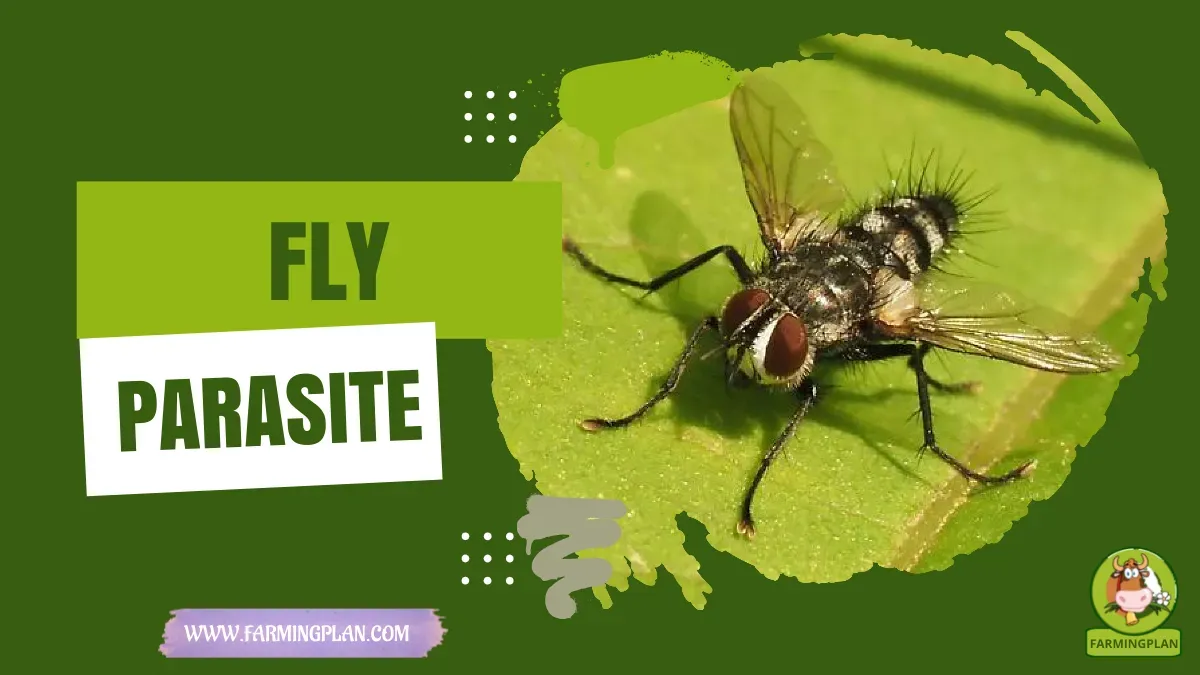
Barn Fly Biology & Key Livestock Species
Successful suppression begins with accurate pest identification, as different fly species exhibit distinct mouthpart anatomy, feeding behaviors, and breeding habitats. The four primary pest species afflicting livestock operations include the house fly, the stable fly, the horn fly, and the face fly. Each requires customized intervention strategies. Understanding breed-specific traits helps maximize fly control longevity and output.
The house fly (*Musca domestica*) possesses sponging mouthparts and cannot pierce skin. Instead, it feeds on liquid manure, spilled milk, silage leachate, and ocular secretions. However, female house flies deposit thousands of eggs in moist organic matter, and adults transmit over 60 animal diseases mechanically on hairy legs and through regurgitation drops. Routine preventive care saves time and lowers veterinary costs for fly control. Matching forage or ration quality to life stage optimizes fly control growth.
The stable fly (*Stomoxys calcitrans*) closely resembles the house fly but features a dagger-like proboscis projecting forward from its head. Both males and females take painful blood meals, targeting the lower front legs of cattle and horses. Stable flies breed in decaying organic material mixed with animal urine and manure, such as wet round hay bale feeding rings, calf hutch bedding, and compost edges. Gradual dietary transitions protect digestive stability in fly control.
⚡ Livestock Fly Identification & Treatment Target Matrix
| Pest Species | Primary Feeding Site | Breeding Substrate | Economic Threshold | Primary Control Method |
|---|---|---|---|---|
| House Fly (*Musca domestica*) | Feed bunks, eye fluids, open wounds, milk buckets | Fresh animal manure, rotting silage, moist feed residues | General nuisance / regulatory inspection failure | Pupal parasites, manure scraping, bait stations |
| Stable Fly (*Stomoxys calcitrans*) | Lower legs, belly, flank of cattle and horses | Decaying wet hay, soiled bedding straw, compost margins | 5 flies per front leg per animal | Translucent sticky traps, hay ring cleanup, leg repellents |
| Horn Fly (*Haematobia irritans*) | Back, shoulders, withers of pasture cattle | Fresh, undisturbed cattle manure pats on open pasture | 100 – 200 flies per side per cow | Feed-through IGRs, backrubbers, insecticide ear tags |
| Face Fly (*Musca autumnalis*) | Muzzle, tearducts, nostrils of pastured livestock | Fresh undisturbed cattle manure pats | 10 flies per animal face | Face dust bags, oilers, systemic pour-ons |
Lifecycle Dynamics & Population Exponential Curves
Flies undergo complete holometabolous metamorphosis comprising four distinct developmental stages: egg, larva (maggot), pupa, and adult. The entire cycle length depends heavily upon environmental temperature and substrate moisture. In moderate spring weather (65°F), the cycle takes three to four weeks. During sweltering midsummer conditions (85°F to 95°F), the entire cycle accelerates to a rapid 7 to 10 days. Selecting healthy foundation stock is the cornerstone of successful fly control management.
A single mated female house fly produces 4 to 6 clutches containing 100 to 150 eggs each during her 20-to-30-day adult lifespan, totaling up to 900 potential offspring. Eggs hatch into legless white maggots within 12 to 24 hours, feeding on moist bacterial broth inside organic bedding for 4 to 7 days before migrating to dry margins to pupate inside hard, dark reddish-brown puparia. Good predator-proofing and dry bedding safeguard fly control comfort in harsh weather.
Because adult flies represent merely 15% of the total barn fly population at any given moment—with 85% existing invisibly as eggs, maggots, and pupae hidden in bedding—spraying adulticides alone produces only brief temporary knockdown. Sustainable suppression requires relentless intervention focused on eliminating immature stages before they emerge as winged vectors. Monitoring water quality and mineral balance directly benefits fly control vitality.
Cultural Sanitation & Manure Management
Sanitation forms the bedrock of any successful fly management plan, accounting for at least 70% of total population suppression. Without eliminating wet larval breeding habitats, chemical sprays and traps will be overwhelmed within days. Barn managers must institute a rigid 3-to-5-day manure cleanout schedule in stalls, calf pens, and loafing sheds to break the larval developmental window. Practical hands-on husbandry ensures consistent results when raising fly control. Early intervention at the first sign of lethargy protects overall fly control flock or herd health.
Moisture control is essential. Fly larvae cannot survive in organic material containing less than 40% moisture or greater than 85% liquid immersion. Fix leaking automatic waterer valves, grade stall aprons to divert surface runoff, and apply agricultural hydrated lime or dry zeolite minerals along stall corners to desiccate damp floor bedding. Structured culling and biosecurity protocols strengthen fly control genetic quality.
Round hay bale feeding rings situated in unpaved pastures represent the single greatest breeding source for stable flies. Trampled hay mixed with cattle urine and manure creates an ideal fermentation matrix that generates millions of stable flies throughout summer. Producers should relocate hay rings periodically, scrape accumulated residue down to bare soil, and spread old hay into thin layers exposed to sunlight or incorporate it into high-heat compost piles. Maintaining clean feeders and sanitized equipment supports sustainable fly control care.
Biological Control & Fly Parasite Wasps
Biological control harnesses natural beneficial predators to suppress fly pupae continuously without chemical residues or resistance development. The most effective biological tools are tiny, gnat-sized parasitoid wasps (*Spalangia nigroaenea*, *Spalangia cameroni*, and *Muscidifurax raptor*). These stingless micro-wasps do not sting humans, livestock, or pets, living exclusively to hunt fly pupae in manure and bedding. Consistent daily observation helps keepers spot early changes in fly control health and behavior.
The female parasitoid wasp searches through bedding and manure margins, locates a fly puparium, drills through the outer shell with her ovipositor, and deposits an egg inside while feeding on fly hemolymph. The wasp larva consumes the developing pest pupa from the inside, killing the fly before it ever hatches. Three to four weeks later, an adult beneficial wasp emerges to repeat the hunting cycle. Clean housing, fresh water, and balanced nutrition remain essential for fly control productivity.
Successful wasp biological programs require proactive seasonal scheduling. Order parasitized pupae early in spring as soon as average daytime temperatures reach 55°F to 60°F, before adult fly populations surge. Release wasp colonies bi-weekly across known fly breeding hot spots—along fence lines, calf hutches, manure heaps, and under feed troughs—at a rate of 250 to 500 wasps per head of cattle or horse throughout the warm season. Tracking feed intake and body condition supports long-term fly control performance. Following biosecurity best practices reduces disease risk in any fly control operation.
Trapping Systems, Insect Growth Regulators & Biosecurity
Mechanical trapping provides continuous adult fly reduction without chemical risks. Odor-baited attractant jug traps using fermented protein lures are exceptionally effective against house flies, capturing tens of thousands of breeding adults. Always suspend odor traps at least 30 to 50 feet away from barn doors and animal pens to draw flies away from livestock rather than luring them inside. Seasonal adjustments to shelter and diet keep fly control thriving year-round.
Because stable flies are visual hunters attracted to leg silhouettes and light reflections rather than odor baits, they ignore standard stink jugs. Instead, deploy translucent Alsynite fiberglass biting fly traps coated with sticky adhesive, mounted 2 to 3 feet off the ground along pasture perimeters, or cylindrical bite-free sticky wraps wrapped around fence posts where stable flies patrol. Proper record-keeping makes breeding and culling decisions easier for fly control keepers.
Insect Growth Regulators (IGRs) represent the gold standard in chemical intervention. Unlike broad-spectrum neurotoxins that breed rapid resistance and slaughter beneficial wasps, IGR compounds such as diflubenzuron, cyromazine, and methoprene specifically disrupt chitin synthesis or juvenile hormone regulation in fly larvae. When fed through mineral supplements or sprayed directly onto manure, IGRs prevent maggots from developing into adult flies. Peer-reviewed entomological studies from University of Nebraska-Lincoln Extension demonstrate that feed-through IGRs achieve up to 85% pupal inhibition in feedlot environments. Providing adequate space and ventilation prevents common stress issues in fly control.
Homestead livestock managers operating multi-species facilities should combine fly suppression with broader external parasite defenses. Check animals regularly using our field guide for livestock and poultry mite eradication and our protocols for barnyard lice treatment. On pasture lands, producers must also monitor herd parasite burdens by reviewing our technical manual on livestock tapeworm protocols to sustain comprehensive biosecurity. Understanding breed-specific traits helps maximize fly control longevity and output.
Seasonal IPM Execution Schedule & Treatment Rotations
Executing an effective fly control program requires following a disciplined calendar. In early spring (March to April), before flies become visible, conduct a comprehensive barn cleanup, removing winter manure packs and scraping feeding pads to bare gravel. Release the first shipment of parasitoid wasps and initiate feed-through IGR mineral blocks across pastured cattle herds. Routine preventive care saves time and lowers veterinary costs for fly control. Matching forage or ration quality to life stage optimizes fly control growth.
During peak summer (June through August), maintain bi-weekly wasp shipments, inspect and replenish perimeter odor traps, and apply spot granular baits containing spinosad or dinotefuran in elevated bait stations out of reach of animals. Rotate chemical classes annually between organophosphates, avermectins, and spinosyns on on-animal backrubbers to prevent insect target-site gene mutations. Gradual dietary transitions protect digestive stability in fly control.
In autumn (September to October), continue parasitoid releases until the first hard killing freeze to prevent overwintering pupae from surviving in warm compost heaps. Clean and store reusable traps, scrape calf bedding thoroughly, and spread remaining manure onto crop fields where direct sun and freezing temperatures eliminate dormant larvae. Selecting healthy foundation stock is the cornerstone of successful fly control management.
⚡ Estimated Annual Budget & Maintenance Costs (USD)
| Pest Control Component | Year 1 Setup Cost | Annual Recurring Cost | IPM Protocol & Economic Value |
|---|---|---|---|
| Beneficial Parasitoid Wasps | $120 – $240 | $120 – $240 | Bi-weekly shipments (April–Sept) for 10–25 livestock head |
| Odor Jug & Sticky Trapping Units | $80 – $150 | $40 – $75 | Perimeter reusable fly jugs, sticky traps, attractant lures |
| Feed-Through IGR Minerals | $100 – $220 | $100 – $220 | Chitin-inhibitor tubs (Diflubenzuron) for pasture herds |
| Spot Baits & Residual Sprays | $60 – $140 | $50 – $110 | Spinosad/Dinotefuran baits, target surface spray solutions |
| On-Animal Repellents & Pour-Ons | $75 – $160 | $65 – $140 | Natural and permethrin pour-ons, backrubber mineral oils |
| Manure Bedding Desiccants | $40 – $90 | $40 – $90 | Hydrated barn lime, natural zeolites for moisture control |
| Application Hardware & Oilers | $90 – $180 | $20 – $40 | Hand compression sprayers, hanging backrubber wicks |
| Total Estimated Investment | $565 – $1,180 | $435 – $915 | Protects hundreds in milk yield, calf gain & vet bills |
Calculate your parasitoid wasp quantity, trap requirements, and annual pest management investment with our livestock calculator: Good predator-proofing and dry bedding safeguard fly control comfort in harsh weather.
🛡️ Fly Control Herd & Barn Sanitization Estimator
Estimate barn surface area coverage, wash/spray solution volume (gallons), quarantine downtime, and annual preventative biosecurity supply costs for Fly Control.
Frequently Asked Questions (FAQ)
Which fly species cause the most economic damage in livestock barns?
The four primary livestock pest flies are house flies (Musca domestica), blood-feeding stable flies (Stomoxys calcitrans), cattle horn flies, and face flies. Just 5 biting stable flies per front leg or 100 to 200 horn flies per side crosses the economic injury threshold.
How fast do barn flies reproduce in summer weather?
At warm summer barn temperatures between 80°F and 90°F, house and stable flies complete their full lifecycle from egg to biting adult in just 7 to 14 days, allowing unchecked populations to explode exponentially.
What is the most effective sanitation schedule for stopping fly larvae?
Scraping manure, damp spilled feed, and soiled wet bedding out of pens and composting or drying it every 3 to 5 days breaks the 7-to-14-day fly breeding cycle before maggots can pupate into adults.
How do biological fly parasite wasps work in an IPM program?
Pupal parasitoid wasps such as Spalangia nigroaenea and Muscidifurax raptor are tiny stingless beneficial insects released every 2 to 4 weeks from spring through fall; they lay eggs inside fly puparia and kill developing flies without harming livestock.
What diseases do barn flies transmit and how much production do they cost?
Flies mechanically vector bovine pinkeye (Moraxella bovis), summer mastitis bacteria, Salmonella, and E. coli. Heavy infestations commonly cause 10% to 20% drops in dairy milk production and 0.25 lb daily weight gain losses in beef cattle.
Expert Verdict & Husbandry Roadmap
Flies are not an inevitable cost of raising livestock; they are a direct symptom of moisture accumulation, delayed sanitation, and fractured pest management. Operations that rely entirely on periodic insecticide fogging enter an endless treadmill of chemical resistance, killing beneficial predators while leaving millions of subterranean maggots untouched. Real herd protection requires adopting a holistic, multi-tiered IPM framework. Monitoring water quality and mineral balance directly benefits fly control vitality.
By establishing a strict 3-to-5-day manure removal routine, releasing fly parasite wasps early in spring, setting perimeter odor and sticky traps, and supplementing pasture herds with feed-through IGRs, producers achieve durable 80% to 90% fly population suppression. The result is calmer animals, higher milk yields, protected calf weights, and a clean, biosecure agricultural facility. Practical hands-on husbandry ensures consistent results when raising fly control.
📚Agricultural Reference & Scientific Citations
Standards and physiological data referenced in this guide comply with USDA Animal and Plant Health Inspection Service (APHIS), American Veterinary Medical Association (AVMA), and the FAO Domestic Animal Diversity Information System.


