

⚡ Lice Parasite Biology & Treatment Benchmarks at a Glance
| Taxonomic Classification | Order Phthiraptera: Suborders Mallophaga (Chewing Lice) & Anoplura (Sucking Lice) |
| Host Specificity | Strictly host-specific; poultry lice cannot live on cattle, and cattle lice cannot infest humans |
| Common Livestock Species | Cattle Biting Louse (Bovicola bovis), Short-nosed Cattle Louse (Haematopinus eurysternus) |
| Common Poultry Species | Chicken Body Louse (Menacanthus stramineus), Shaft Louse (Menopon gallinae) |
| Egg Morphology (Nits) | Oval, white, operculated eggs glued cement-tight to hair shafts or feather quill bases |
| Complete Life Cycle Duration | 3 to 4 weeks (egg incubation 7 – 12 days; three nymphal instars over 14 days) |
| Seasonal Prevalence Peak | Late autumn and winter (thick winter coats and close barn confinement accelerate spread) |
| Diagnostic Clinical Signs | Excessive rubbing against fence posts, ragged hair coats, feather chewing, restlessness |
| Primary Chemical Insecticides | Permethrin pour-ons and dusts, Pyrethrins, Spinosad, systemic Macrocyclic Lactones |
| Critical Retreatment Interval | Mandatory second treatment at 10 to 14 days to eliminate newly hatched nymphs |
When planning lice treatment management, lice infestations, clinically known as pediculosis, represent a chronic, frustrating animal welfare problem across North American pastures, feedlots, and poultry yards. As cold autumn weather arrives, livestock develop dense winter hair coats and gather into sheltered barns. In these crowded winter conditions, populations of these wingless, obligate ectoparasites surge, causing relentless itching, hair loss, skin sores, and significant economic losses from reduced weight gain and milk yield.
Effective herd management begins with understanding the distinct biological mechanisms separating chewing and sucking lice. Livestock keepers can explore integrated parasite defense strategies in our central parasite and pest control guide to design seasonal herd health calendars and biosecurity protocols. Understanding breed-specific traits helps maximize lice treatment longevity and output. Routine preventive care saves time and lowers veterinary costs for lice treatment.
Fortunately for anxious producers, lice exhibit absolute host specificity. Unlike opportunistic pests that feed on multiple species, poultry lice cannot survive on sheep, and livestock lice cannot survive or reproduce on humans. In addition, because lice spend their entire lifecycle permanently on the host, treatments targeting the animal directly achieve complete eradication when timed correctly. This clinical guide covers morphology, transmission, pour-on treatments, and herd biosecurity. Matching forage or ration quality to life stage optimizes lice treatment growth.
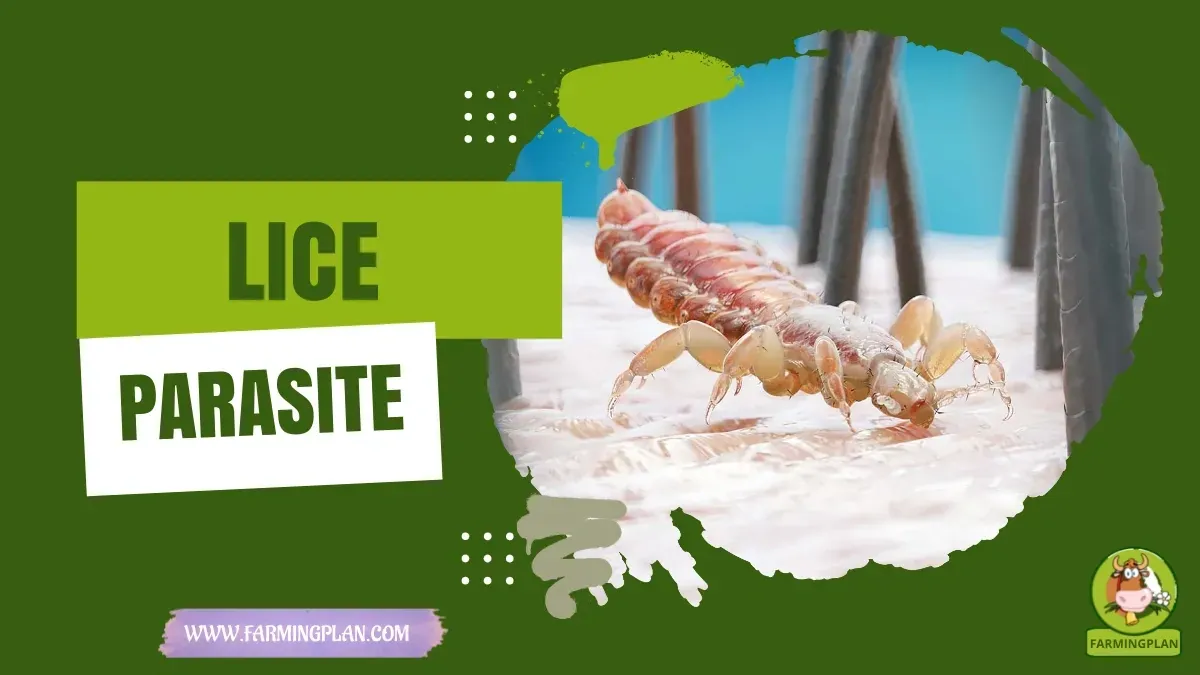
Physical Characteristics: Chewing vs. Sucking Lice
Lice are wingless, dorsoventrally flattened insects measuring between 1 and 5 millimeters in length. Their bodies feature a distinct head, thorax with three pairs of legs terminating in powerful recurved claws designed to grasp hair shafts or feathers, and an elongated segmented abdomen. Gradual dietary transitions protect digestive stability in lice treatment. Selecting healthy foundation stock is the cornerstone of successful lice treatment management.
Parasitologists divide lice into two functional suborders. Chewing lice (Mallophaga) possess wide, blunt heads that are broader than their thorax, equipped with sharp mandibles that scrape epidermal scales, sebaceous secretions, and feather barbules. Sucking lice (Anoplura) feature narrow, pointed heads narrower than their thorax, housing piercing mouthparts that penetrate skin capillaries to feed on host blood. Sucking lice afflict mammals only, never birds. Good predator-proofing and dry bedding safeguard lice treatment comfort in harsh weather.
Comparative Farm Lice Species Matrix
⚡ Common Livestock & Domestic Animal Lice Species
| Louse Species | Louse Type | Primary Host | Primary Feeding Site | Clinical Signs & Damage |
|---|---|---|---|---|
| Bovicola bovis | Chewing (Biting) | Cattle | Topline, neck, shoulders, tailhead | Hair loss from rubbing, rough coat, skin scaling |
| Haematopinus eurysternus | Sucking | Mature Cattle | Poll, base of horns, neck, brisket | Severe chronic anemia, weakness, weight loss |
| Linognathus vituli | Sucking (Long-nosed) | Dairy Calves & Cattle | Dewlap, shoulders, inner thighs | Stunted calf growth, dark scabs, pale gums |
| Menacanthus stramineus | Chewing (Body Louse) | Chickens, turkeys | Skin around vent, breast, and thighs | Red scabs on skin, egg drop of 10% – 20%, broken quills |
| Haematopinus suis | Sucking (Hog Louse) | Swine (Pigs) | Folds around ears, neck, inner belly | Intense wallowing/scratching, skin thickening |
| Felicola subrostratus | Chewing | Domestic Cats | Face, neck, dorsal spine | Matted dull coat, mild itching, visible white nits |
Life Cycle, Nit Incubation & Transmission Vectors
Lice undergo simple, incomplete metamorphosis consisting of three stages: egg (nit), nymph, and adult. The female louse deposits between 50 and 100 oval white eggs throughout her adult life, secreting a durable chitinous cement that binds the nit firmly to the base of the hair shaft or feather rachis near the skin where warmth incubates the egg. Monitoring water quality and mineral balance directly benefits lice treatment vitality.
Nits hatch in 7 to 12 days into miniature nymphs that feed immediately on skin dander or blood. Nymphs pass through three successive molts over roughly two weeks, becoming sexually mature adults 21 to 28 days after the egg was laid. Because lice cannot fly, hop, or survive for more than 48 to 72 hours off their host, transmission occurs almost exclusively through direct physical contact between animals standing in pens or feed bunks. Practical hands-on husbandry ensures consistent results when raising lice treatment. Early intervention at the first sign of lethargy protects overall lice treatment flock or herd health.
Environmental Shelter Sanitation & Winter Herd Management
Because lice cannot persist in the environment away from living skin warmth, prolonged pasture contamination is not a significant concern. However, rubbing posts, chute walls, and grooming equipment can briefly transfer dislodged female lice to uninfected animals. Clean and disinfect cattle brushes and halters using a 10% bleach solution before sharing between pens. Structured culling and biosecurity protocols strengthen lice treatment genetic quality.
Overwintering housing requires adequate ventilation to minimize heat and moisture build-up that encourages parasite reproduction. When grouping animals for winter feeding, separate young calves and heifers from mature carriers that maintain subclinical louse populations without showing severe distress. Maintaining clean feeders and sanitized equipment supports sustainable lice treatment care.
In beef feedlots and dairy dry lots, providing free-access mechanical back-rubbers saturated with an approved insecticide-mineral oil mix encourages self-treatment. Cattle instinctively rub itchy toplines against the rollers, dispensing calibrated micro-doses that suppress winter louse populations between scheduled herd roundups. Consistent daily observation helps keepers spot early changes in lice treatment health and behavior. Clean housing, fresh water, and balanced nutrition remain essential for lice treatment productivity.
For poultry coops, install low dust bathing boxes stocked with clean sand, wood ash, and sulfur dust. Chickens instinctively preen and dust bathe, working fine abrasive particles through down feathers down to the skin, which suffocates chewing lice and dislodges glued nit clusters before infestations spread. Tracking feed intake and body condition supports long-term lice treatment performance.
Nutritional Support & Ruminant Recovery Rations
Louse infestations are strongly correlated with winter nutritional stress and unthriftiness. Healthy, well-nourished livestock on balanced diets groom themselves vigorously and maintain oily skin secretions that suppress louse populations. Supplying adequate crude protein and energy helps livestock regrow lost hair coats. Review our practical guide to complete cattle rations and dietary protocols to balance winter energy reserves. Following biosecurity best practices reduces disease risk in any lice treatment operation. Seasonal adjustments to shelter and diet keep lice treatment thriving year-round.
Provide free-choice cattle minerals containing zinc, copper, and vitamin A to stimulate epithelial healing and skin barrier integrity. In recovering calves, supplemental protein meals restore normal growth velocity and reinforce immune resilience. Proper record-keeping makes breeding and culling decisions easier for lice treatment keepers.
Chemical Insecticides, Pour-Ons & The Two-Week Rule
Selecting the appropriate chemical treatment depends on whether you are targeting chewing or sucking lice. Topical pour-on synthetic pyrethroids (e.g., permethrin, cyfluthrin) spread through the natural skin oils along the topline and kill both chewing and sucking species effectively. Systemic injectable macrocyclic lactones (e.g., ivermectin, doramectin) circulate in the bloodstream and kill blood-sucking lice reliably, but fail to eliminate surface-chewing lice that do not consume host blood. Providing adequate space and ventilation prevents common stress issues in lice treatment.
THE CRITICAL TWO-WEEK RETREATMENT MANDATE: No approved livestock insecticide penetrates the protective outer shell of the nit. As a result, eggs glued to hairs survive initial treatment completely unharmed. Producers MUST administer a second treatment 10 to 14 days later to kill the newly emerged nymphs before they begin depositing a second generation of eggs. Reference official livestock biosecurity publications from the USDA Animal and Plant Health Inspection Service (APHIS) to establish compliant withdrawal schedules. Understanding breed-specific traits helps maximize lice treatment longevity and output. Routine preventive care saves time and lowers veterinary costs for lice treatment.
Differential Diagnostics & Co-Infestations
Lice infestations are frequently confused with mange mites (Sarcoptes and Psoroptes) or ringworm fungus (Trichophyton verrucosum). While ringworm forms circular, crusty, hairless patches without intense itching, lice produce diffuse hair loss accompanied by frantic rubbing against fences and barn timbers. To differentiate ectoparasites, compare clinical signs with our guide to poultry and livestock mite eradication. Matching forage or ration quality to life stage optimizes lice treatment growth.
Perform a thorough physical skin parting under direct sunlight: part the animal’s hair along the shoulder, neck, and tailhead. Lice are visible to the naked eye as small, pale straw-colored or slate-blue insects scurrying rapidly toward the skin surface. Gradual dietary transitions protect digestive stability in lice treatment.
US Ownership Budget & Annual Maintenance Costs
Preventing and treating seasonal lice across cattle herds, sheep flocks, or domestic farm animals requires budgeting for pour-on insecticides, dusting powders, and applicator guns. The table below outlines annual management expenses for a herd of 10 beef or dairy cattle. Selecting healthy foundation stock is the cornerstone of successful lice treatment management. Good predator-proofing and dry bedding safeguard lice treatment comfort in harsh weather.
⚡ Estimated Annual Livestock Lice Control Budget (USD)
| Management Intervention | Product & Application Details | Estimated Annual Cost (USD) |
|---|---|---|
| Permethrin Pour-On (1 Gallon) | Biannual topline treatment for 10 head (including 14-day repeat) | $75 – $115 |
| Pour-On Applicator Gun | Adjustable 30ml metered dosing applicator | $30 – $50 |
| Poultry / Livestock Dust | Permethrin dust for spot treating calves and shelter crevices | $25 – $45 |
| Skin Mineral Supplements | Zinc-methionine and skin health mineral tubs | $60 – $95 |
| Chute & Halter Disinfectants | Quaternary ammonium sanitizers for grooming gear | $20 – $35 |
| Total Estimated Annual Operating Cost | Complete annual lice control and prevention program | $210 – $340 / year |
🛡️ Lice Treatment Herd & Barn Sanitization Estimator
Estimate barn surface area coverage, wash/spray solution volume (gallons), quarantine downtime, and annual preventative biosecurity supply costs for Lice Treatment.
Frequently Asked Questions (FAQ)
Can livestock or animal lice live on humans?
No, animal lice are strictly host-specific parasites. Cattle lice can only survive on cattle, chicken lice can only live on poultry, and dog lice only parasitize canines. If animal lice crawl onto a human, they will die within 24 to 48 hours without reproducing.
What is the most effective treatment for lice on cattle?
Topical synthetic pyrethroid pour-ons (such as permethrin or cyfluthrin) are highly effective against both chewing and sucking cattle lice. Apply along the topline from poll to tailhead, and repeat the application 10 to 14 days later to kill newly hatched nits.
Why do you have to treat lice twice?
Chemical insecticides kill only live nymphs and adult lice; they do not penetrate the protective shell of the glued nit (egg). A second treatment 10 to 14 days later kills the newly hatched nymphs before they mature into egg-laying adults.
Why are lice worse in the winter on farm animals?
Lice thrive in winter because livestock grow dense, insulating hair coats that trap body warmth and create dark, humid microclimates ideal for lice. Additionally, winter herd confinement in close barn quarters allows lice to transfer easily between animals.
What is the difference between chewing lice and sucking lice?
Chewing lice have broad, blunt heads wider than their thorax and scrape dead skin scales, hair, and feather barbules. Sucking lice have narrow, pointed heads narrower than their thorax and pierce capillaries to feed directly on host blood, causing severe anemia.
Does ivermectin pour-on kill all types of lice?
Ivermectin pour-on kills blood-sucking lice effectively because the chemical is absorbed into the bloodstream. However, it exhibits variable and sometimes poor efficacy against surface-chewing biting lice that do not ingest blood.
Expert Verdict & Biosecurity Roadmap
Lice control is an achievable winter management milestone when herds are monitored closely and treated on a synchronized schedule. By administering timely pour-on treatments to the entire herd simultaneously and honoring the mandatory 14-day retreatment window, producers break the reproductive cycle and restore animal comfort. To compare other winter health considerations in livestock, explore our comprehensive guide to cattle diseases and winter herd management. Monitoring water quality and mineral balance directly benefits lice treatment vitality.
With clean barns, balanced mineral nutrition, and vigilant early-season skin inspections, livestock operations maintain thriving, comfortable animals throughout the coldest winter months. Practical hands-on husbandry ensures consistent results when raising lice treatment.
📚Agricultural Reference & Scientific Citations
Standards and physiological data referenced in this guide comply with USDA Animal and Plant Health Inspection Service (APHIS), American Veterinary Medical Association (AVMA), and the FAO Domestic Animal Diversity Information System.


