

⚡ Grey Troender Sheep at a Glance: Key Specifications & Benchmarks
| Breed Classification | Rare heritage dual-purpose sheep; medium wool and meat landrace |
| Geographical Origin | Trøndelag county, central coastal Norway |
| Mature Ram Body Mass | 200 – 265 lbs (90 – 120 kg); broad chest and strong bone structure |
| Mature Ewe Body Mass | 150 – 190 lbs (70 – 85 kg); feminine, roomy body conformation |
| Fleece Coloration | Variegated shades of silver-grey to dark charcoal with subtle brownish undertones |
| Fleece Fiber Diameter | 25 – 32 microns; exceptionally soft with gentle crimp and natural luster |
| Annual Fleece Clip | 6.5 – 9.0 lbs (3.0 – 4.2 kg) of clean unwashed greasy wool |
| Prolificacy & Lambing | 1.7 – 2.1 lambs per lambing cycle; outstanding maternal milk yield |
| Conservation Status | Critical / Endangered heritage population with active studbook protection |
Heritage Sheep & Wool Production • 2026 Breed Guide
Raising the grey troender sheep (Grå trøndersau) introduces shepherds, fiber artisans, and conservation breeders to one of the rarest and most historically intriguing ovine breeds in Scandinavia. Originating in the Trøndelag region of central Norway during the late 19th century through targeted crosses between native Old Norwegian landrace ewes and imported Merino rams, this dual-purpose sheep is renowned for its remarkably soft, silver-grey wool fleece, robust mountain grazing hardiness, and calm flock temperament. Today, passionate breeders and artisanal textile producers are safeguarding this endangered heritage sheep for future generations. Good predator-proofing and dry bedding safeguard grey troender sheep comfort in harsh weather.
Historical Development & The Merino Crossing Heritage
The Grey Troender sheep traces its genetic roots back to the late 1800s when rural Norwegian farmers in Trøndelag sought to upgrade the fiber softness of local coastal sheep without sacrificing their legendary mountain grazing hardiness. Breeders crossed native Old Norwegian sheep (Gammalnorsk sau) with imported Spanish or German Merino rams, followed by infusion with local Tautra sheep—an extinct fine-wool Norwegian insular breed. Monitoring water quality and mineral balance directly benefits grey troender sheep vitality.
The resulting hybrid combined the cold tolerance, strong flocking behavior, and mountain climbing agility of northern short-tailed sheep with the crimp and tactile luxury of Merino wool. By the mid-20th century, however, modernization and white crossbred meat sheep displaced regional grey sheep, pushing the breed to near extinction. A tiny remnant flock of approximately 50 animals was rediscovered on an isolated farm in Telemark in 1992, sparking a dedicated national revival program coordinated by the Norwegian Genetic Resource Centre.
Physical Characteristics & Distinctive Facial Markings
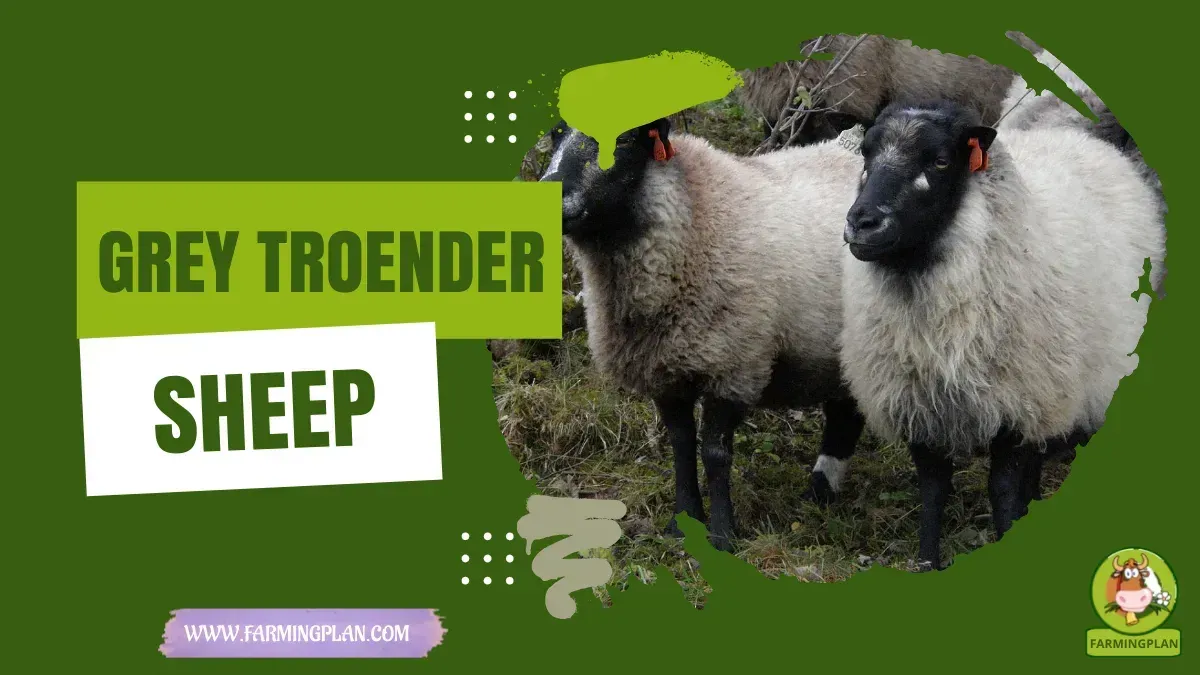
The Grey Troender is a medium-to-large framed sheep exhibiting clean, balanced proportions and sturdy legs built for traversing rocky slopes. The head is cleanly chiseled, typically polled in both rams and ewes, with alert semi-horizontal ears and bright, intelligent eyes. A defining breed hallmark is the presence of distinctive white “tear-drop” markings beneath the eyes, contrasting sharply with the darker grey or black facial skin. Practical hands-on husbandry ensures consistent results when raising grey troender sheep.
The body displays a deep rib cage, level back, and wide rump, providing ample room for vigorous twin lambs. The tail is semi-short to medium length, covered with short wool. The legs are strong-boned and free of heavy wool below the knees and hocks, ending in dense, dark hooves that exhibit outstanding resistance to foot rot in damp coastal climates.
Wool Quality, Fiber Characteristics & Artisan Handspinning
The wool of the Grey Troender sheep is widely considered one of the finest natural fibers produced in Scandinavia. Unlike coarse primitive carpet wools, Troender fleece exhibits a remarkably uniform fiber diameter ranging between 25 and 32 microns, with individual staple lengths of 3 to 4.5 inches. The wool possesses a distinctive crimp and a silky, non-scratchy hand feel inherited from its Merino ancestors. If you are balancing utility output and herd resilience, take a look at our White Polled Heath Sheep reference guide. Early intervention at the first sign of lethargy protects overall grey troender sheep flock or herd health.
Fiber artists and specialty woolen mills prize Troender fleece for its extraordinary color variation. The wool contains a delicate blend of silver, steel grey, charcoal, and warm brownish-grey fibers that can be spun directly into rich, undyed yarns with dimensional visual depth. Annual shearing yields 6.5 to 9 pounds of fleece per ewe, with high clean wool yield after gentle scour washing. For broader wool insights, see our livestock farming guides.
Meat Production Profile & Pasture Growth Rates
While prized for its luxury fleece, the Grey Troender is an accomplished meat producer. Because the breed evolved on unimproved mountain pastures, lambs convert diverse herbs, bilberry shrubs, and mountain grasses into lean, finely textured meat with delicate herbal flavor notes and no greasy tallow aftertaste. Structured culling and biosecurity protocols strengthen grey troender sheep genetic quality.
On good summer mountain pasture, single and twin lambs achieve daily weight gains of 250 to 320 grams, reaching market finished live weights of 95 to 110 pounds (43 to 50 kg) by five to six months of age. The carcass yields a dressing percentage of 46% to 49%, producing well-fleshed chops and compact, flavorful roasting legs that command premium pricing in heritage meat markets.
Nutritional Requirements & Mountain Foraging Thriftiness
Grey Troender sheep are thrifty ruminants capable of maintaining excellent body condition score on rough, low-protein forage that would fail to support commercial lowland breeds. During the summer grazing season, they thrive on open hill ground, woodland browse, and mountain meadows without requiring supplemental grain. Maintaining clean feeders and sanitized equipment supports sustainable grey troender sheep care.
During winter housing and the last six weeks of gestation, provide high-quality grass-legume hay or haylage offering 11% to 13% crude protein. Supplement pregnant and lactating ewes with 0.5 to 1.2 pounds of balanced sheep concentrate daily to prevent pregnancy toxemia (ketosis) in ewes carrying multiple lambs. Always provide specialized sheep mineral mixes formulated strictly without added copper, as sheep are physiologically sensitive to copper toxicity. Consistent daily observation helps keepers spot early changes in grey troender sheep health and behavior.
Forage mineral analysis is beneficial in coastal Norwegian regions where heavy rainfall leaches selenium and cobalt from soils. Providing organic kelp meal or loose sheep salt enriched with bioavailable cobalt supports robust ruminal vitamin B12 synthesis and fleece pigmentation.
Housing Infrastructure, Fencing & Winter Care
Equipped with a dense fleece and cold-adapted physiology, Grey Troender sheep thrive in unheated, well-ventilated pole barns or three-sided loafing sheds. Shelter is primarily required during winter storms and lambing season. Allocate 16 to 20 square feet of clean, dry bedded pen space per pregnant ewe, using dry wheat or barley straw bedding. Clean housing, fresh water, and balanced nutrition remain essential for grey troender sheep productivity.
Pasture fencing should consist of 42-inch woven wire field fencing topped with an electric scare wire, or high-tensile multi-strand electric fencing maintaining 4,500 volts. Troender sheep possess calm pasture manners and rarely challenge properly constructed fences. Ensure fresh, unfrozen water is available year-round, with adult ewes consuming 1.5 to 2.5 gallons daily during lactation.
During severe sub-arctic cold snaps, maintain deep bedding using fresh dry straw over an absorbent wood shaving base. Good bedding insulation keeps newborn lambs warm and prevents fleece staining from damp manure, preserving the commercial value of raw fleece clips. Tracking feed intake and body condition supports long-term grey troender sheep performance.
Maternal Instincts, Lambing & Flock Health Management
The reproductive performance of Grey Troender ewes is outstanding. Ewes reach breeding age at 7 to 9 months, though first breeding is commonly scheduled at 18 months for optimal lifetime longevity. Lambing rates average 1.7 to 2.1 lambs per ewe, with triplets occurring occasionally in mature, well-nourished ewes.
Ewes exhibit attentive maternal care, cleaning lambs vigorously and producing copious volumes of rich colostrum. Lambing difficulties are uncommon due to proper pelvic dimensions and medium lamb birth weights (7.5 to 9.5 pounds). Implement a standard annual vaccination program against clostridial diseases (CD&T) four weeks prior to lambing, and monitor intestinal parasites using targeted FAMACHA eye mucous membrane scoring. For broader livestock disease biosecurity, review our anthrax livestock protocols and vaccination schedules. Following biosecurity best practices reduces disease risk in any grey troender sheep operation.
⚡ Estimated Annual Budget & Maintenance Costs (USD)
Operating a breeding conservation flock of 10 Grey Troender ewes and 1 registered ram involves straightforward farm expenses. Below is an itemized 2026 economic overview:
| Operational Expense Category | Initial Setup (USD) | Annual Recurring Cost (USD) |
|---|---|---|
| Registered Heritage Breeding Stock (10 Ewes, 1 Ram) | $4,500 – $7,000 | $0 |
| Pasture Perimeter Woven Wire Fencing & Gates | $1,500 – $2,800 | $100 – $180 |
| Three-Sided Loafing Barn & Lambing Jug Panels | $1,800 – $3,500 | $150 – $250 |
| Winter High-Quality Grass-Legume Hay (5 Months) | $0 | $1,400 – $2,100 |
| Ewe Gestation Concentrates & Copper-Free Minerals | $0 | $450 – $700 |
| Veterinary CD&T Vaccines, Deworming & Hoof Trims | $120 – $200 | $220 – $380 |
| Professional Shearing & Wool Packaging Supplies | $80 – $150 | $120 – $200 |
| Total Estimated Investment | $8,000 – $13,650 | $2,440 – $3,810 / year |
🐑 Grey Troender Sheep Flock Forage & Pasture Calculator
Calculate winter hay bales, daily pasture forage intake, minerals, and water needs for your Grey Troender Sheep flock.
Frequently Asked Questions (FAQ)
What is the origin of the Grey Troender sheep?
The Grey Troender sheep originated in central Norway’s Trøndelag region in the late 19th century by crossing native Old Norwegian landrace sheep with imported Merino rams, producing a hardy sheep with exceptionally fine, soft grey wool.
What does Grey Troender wool feel like and how is it used?
Grey Troender fleece is soft and lustrous with a fiber diameter of 25 to 32 microns, inheriting a gentle crimp from Merino heritage. Fiber artists cherish it for handspinning into soft, dimensional, undyed garments.
Are Grey Troender sheep polled or horned?
Grey Troender sheep are predominantly polled in both rams and ewes, displaying a clean, hornless head profile with distinctive white markings beneath their eyes.
How many lambs do Grey Troender ewes typically produce?
Grey Troender ewes are prolific and attentive mothers, consistently producing between 1.7 and 2.1 lambs per lambing cycle. They have abundant milk and deliver unassisted calvings with ease.
How rare is the Grey Troender sheep breed today?
The Grey Troender is an endangered heritage breed with only several hundred registered breeding animals primarily maintained in Norway and Nordic conservation centers, supported by dedicated genetic preservation efforts.
Can Grey Troender sheep tolerate severe winter cold?
Yes, having evolved in the harsh climate of central Norway, Grey Troender sheep possess dense, weather-resistant fleeces and hardy constitutions that allow them to thrive in cold climates with simple open-fronted shelter.
Key Breed Advantages
- Exquisite silver-grey Merino-cross wool prized by luxury fiber artisans
- Excellent mothering ability and high prolificacy (1.7 to 2.1 lambs/ewe)
- Naturally polled eliminating horn injuries and head entrapment in fencing
- Superior thriftiness and digestive efficiency on coarse mountain browse
- Docile, steady temperament makes management enjoyable for smallholders
Management Considerations
- Critically endangered breed with very limited international availability
- Highly sensitive to dietary copper toxicity like all heritage sheep
- Requires biosecure fleece management to keep fleeces free of vegetable debris
- Moderate growth rates compared to industrial commercial terminal meat sires
📚Agricultural Reference & Scientific Citations
1. Norwegian Genetic Resource Centre (NIBIO): Conservation of Native Sheep Breeds: Grey Troender Studbook.
2. Nordic Genetic Resource Center (NordGen): Nordic Farm Animal Genetic Resources: Sheep Status and Fiber Profiling.
3. Food and Agriculture Organization (FAO): Domestic Animal Diversity Information System: Grey Troender Sheep.


