

| Aquatic Parameter | Species Specification Benchmark |
|---|---|
| Scientific Nomenclature | Pterophyllum scalare |
| Taxonomic Family | Cichlidae (South American Cichlids) |
| Adult Body Dimension | 6 inches body length, 8 – 10 inches tall fin-span |
| Minimum Tank Volume | 30 gallons minimum for a pair, 55+ gallons for small group (tall tanks preferred) |
| Optimal Water Temperature | 76°F – 84°F (24°C – 29°C) |
| Water Chemistry pH Range | 6.5 – 7.4 (slightly acidic to neutral) |
| General Hardness (dGH) | 3 – 10 dGH (soft to moderately soft) |
| Dietary Classification | Omnivore / micropredator (high-protein pellets, bloodworms, brine shrimp) |
| Temperament & Sociability | Semi-aggressive cichlid (territorial during breeding) |
| Average Captive Lifespan | 10 – 12 years with pristine water chemistry |
| Water Column Swimming Zone | Mid-water to upper-water swimmer |
| Reproductive Spawning Mode | Egg depositor on vertical slate or broad aquatic plant leaves |
Species Overview & Tank Parameters
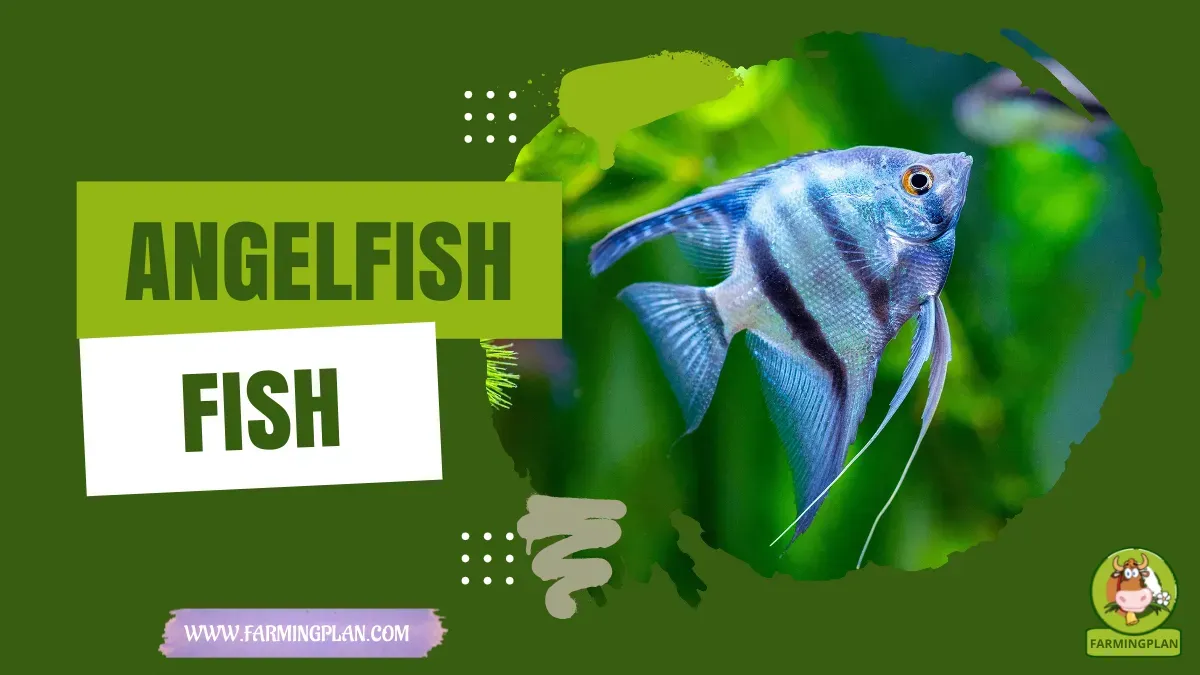
Mastering Freshwater Angelfish Care represents one of the most rewarding endeavors in modern freshwater aquatics and home aquaculture. Whether you are curating a tranquil biotope display, establishing a community display tank, or operating a dedicated breeding setup, providing biologically stable conditions ensures vibrant coloration, energetic foraging, and multi-year longevity. Tracking feed intake and body condition supports long-term Freshwater Angelfish Care performance.
Aquatic livestock demand precise environmental equilibrium, where water chemistry, nitrogen cycling, and proper diet harmonize to ward off opportunistic pathogens. Applying structured biological management derived from our closed-loop agricultural homestead systems establishes clean, self-sustaining aquatic habitats that support both ornamental joy and farm-scale aquaculture initiatives. To evaluate alternative bloodlines and practical management routines, check our Shrimp Farming. Following biosecurity best practices reduces disease risk in any Freshwater Angelfish Care operation.
In this technical care guide, our aquatic biology specialists analyze water chemistry parameters, filtration designs, compatible tank mates, nutritional formulations, and disease prevention protocols essential for long-term husbandry success. Seasonal adjustments to shelter and diet keep Freshwater Angelfish Care thriving year-round.
Physical Characteristics, Anatomy & Color Morphologies
The morphological traits of the Freshwater Angelfish Care reflect thousands of generations of evolutionary adaptation to wild freshwater environments. From specialized gill rakers and lateral line sensory systems to unique fin structures, their anatomy allows precise maneuvering and acute predator detection.
In captive aquatic settings, careful selective breeding has produced a stunning array of color variants and fin types that enrich home and commercial displays. Maintaining optimum water conditions preserves vivid pigmentation, whereas dull tones or clamped fins frequently serve as an early clinical warning of water quality degradation or osmotic stress. Proper record-keeping makes breeding and culling decisions easier for Freshwater Angelfish Care keepers.
| Husbandry Parameter | Target Biological Metric | Health & Welfare Advantage |
|---|---|---|
| Mature Body Scale | 6 inches body length, 8 – 10 inches tall fin-span | Hydrodynamic body optimized for natural foraging |
| Water Temperature Target | 76°F – 84°F (24°C – 29°C) | Maintains metabolic rate and active immune defenses |
| Aquarium Volume Need | 30 gallons minimum for a pair, 55+ gallons for small group (tall tanks preferred) | Prevents waste accumulation and territorial aggression |
| Dietary Profile | Omnivore / micropredator (high-protein pellets, bloodworms, brine shrimp) | Supports rich coloration and natural vitality |
| Life Expectancy | 10 – 12 years with pristine water chemistry | Long-lived species under stable water parameters |
Natural Biotope, Wild Origins & Habitat Evolution
Native to the slow-moving, warm, vegetated tributaries of the Amazon, Orinoco, and Essequibo River basins in South America, freshwater angelfish inhabit tannin-stained blackwaters and clear waters flanked by submerged tree roots, fallen timber, and expansive stands of Vallisneria. Their laterally compressed disk-shaped bodies allow them to navigate dense vertical vegetation effortlessly. Providing adequate space and ventilation prevents common stress issues in Freshwater Angelfish Care.
In nature, seasonal flooding cycles trigger breeding migrations, alter water hardness, and deliver abundant flushes of live micro-invertebrates. Replicating these ecological rhythms through gentle water changes and live food feeding stimulates natural behavioral repertoires that captive-conditioned fish readily express. Understanding breed-specific traits helps maximize Freshwater Angelfish Care longevity and output.
Tank Dimensions, Filtration Engineering & Aquascaping
Providing appropriate aquarium dimensions represents the single most vital factor in avoiding territorial friction and physiological stunting. The Freshwater Angelfish Care requires 30 gallons minimum for a pair, 55+ gallons for small group (tall tanks preferred) to accommodate natural swimming behaviors and maintain water volume buffer against rapid temperature or chemical fluctuations.
Filtration must provide triple-stage mechanical, chemical, and biological efficiency. Utilizing canister filters, multi-stage hang-on-back units, or heavy-duty air-driven sponge filters maintains crystal-clear clarity while cultivating dense colonies of beneficial nitrifying bacteria (Nitrosomonas and Nitrospira). Integrating technology derived from precision environmental temperature controllers prevents mechanical failures and maintains consistent water circulation throughout the water column. Routine preventive care saves time and lowers veterinary costs for Freshwater Angelfish Care.
Aquascaping should mimic native waterways by incorporating smooth driftwood, inert river gravel or fine sand, and dense thickets of hardy live aquatic plants such as Java Fern, Anubias, Amazon Swords, and Cryptocorynes. These botanical elements provide essential visual barriers, shelter zones, and natural surface grazing areas for biofilm foraging. Matching forage or ration quality to life stage optimizes Freshwater Angelfish Care growth.
Water Quality, Nitrogen Cycling & Temperature Control
Water quality stability is far more important than chasing textbook perfection. The ideal water parameters for the Freshwater Angelfish Care encompass a temperature of 76°F – 84°F (24°C – 29°C), a pH range of 6.5 – 7.4 (slightly acidic to neutral), and a general hardness of 3 – 10 dGH (soft to moderately soft). Always ensure the aquarium completes a full fishless nitrogen cycle before introducing stock. Gradual dietary transitions protect digestive stability in Freshwater Angelfish Care.
Ammonia and nitrite concentrations must measure absolute zero parts per million at all times, with nitrates maintained strictly below 20 parts per million through scheduled weekly 20 to 30 percent water changes. Utilize quality dechlorinators that neutralize both chlorine and chloramines during water changes, and match replacement water temperatures within one degree to eliminate thermal shock.
Installing dual submerged heaters paired with digital temperature controllers protects your investment against mechanical heater failures. Testing water parameters weekly using liquid reagent master test kits allows aquarists to intercept rising organic loads and calibrate stocking densities proactively. Selecting healthy foundation stock is the cornerstone of successful Freshwater Angelfish Care management.
Establishing a separate quarantine observation tank for four weeks before introducing new livestock into an established community setup prevents virulent aquatic pathogens from devastating resident populations. Quarantine oversight allows keepers to treat common parasitic protozoa such as freshwater ich and velvet disease with gentle salt baths or heat elevation without disrupting delicate biological filtration in the primary display tank. Good predator-proofing and dry bedding safeguard Freshwater Angelfish Care comfort in harsh weather.
Nutritional Requirements, Daily Rations & Feeding Protocols
Providing a diverse, species-specific diet is fundamental to boosting immune defenses, enhancing skin and scale coloration, and supporting regular spawning. As an Omnivore / micropredator (high-protein pellets, bloodworms, brine shrimp), the Freshwater Angelfish Care flourishes on high-grade staple rations supplemented by frozen and live foods.
Incorporate premium slow-sinking micro pellets, spirulina-enriched crisps, and freeze-dried plankton alongside nutrient-dense treats like live or frozen bloodworms, daphnia, and enriched brine shrimp. Applying nutritional feed insights similar to formulated nutritional feed efficiency ensures balanced amino acid profiles and bioavailable vitamins that guard against intestinal bloat and organ lipidosis. Monitoring water quality and mineral balance directly benefits Freshwater Angelfish Care vitality.
Feed modest rations once or twice daily, offering only what the fish consume completely within two minutes. Remove uneaten food promptly with a fine net or siphon gravel vacuum to prevent organic breakdown, phosphate spikes, and nuisance cyanobacteria blooms. Practical hands-on husbandry ensures consistent results when raising Freshwater Angelfish Care.
Reviewing diagnostic protocols and aquatic nutrition guidelines from University of Florida IFAS Tropical Aquaculture Laboratory helps aquarists formulate balanced vitamin fortifications and intercept opportunistic pathogens before clinical symptoms appear. Early intervention at the first sign of lethargy protects overall Freshwater Angelfish Care flock or herd health.
Culturing live micro-foods at home, such as microworms, vinegar eels, or baby brine shrimp hatched in aerated saline cones, provides unmatched bio-available proteins for conditioning breeding stock. Gut-loading live daphnia and adult brine shrimp with liquid spirulina or chlorella microalgae prior to feeding delivers essential carotenoids and fatty acids directly into the digestive tract of your fish, promoting brilliant fin luster and active spawning readiness.
Community Dynamics, Tank Mates & Breeding Management
Selecting harmonious tank mates requires matching water parameter preferences, temperament profiles, and adult sizes. The Freshwater Angelfish Care displays semi-aggressive cichlid (territorial during breeding), making compatible selections vital to prevent stress or predatory snacking. Structured culling and biosecurity protocols strengthen Freshwater Angelfish Care genetic quality.
Good community companions include peaceful peaceful bottom dwellers, gentle schooling tetras or rasboras, and clean-up invertebrates that share similar soft water demands. Avoid mixing with fin-nipping barbs or large aggressive carnivores that will harass or outcompete your fish for food. Reviewing stocking principles from our sustainable agricultural stocking systems helps balance bioloads and maintain social tranquility across community tanks. Maintaining clean feeders and sanitized equipment supports sustainable Freshwater Angelfish Care care.
For breeding initiatives, establish dedicated spawning quarters equipped with gentle sponge filtration and appropriate breeding substrates such as vertical slate tiles, spawning mops, or fine-leaved mosses. Conditioning breeding pairs with live blackworms and slightly raising water temperature often triggers courtship displays and successful egg deposition. Consistent daily observation helps keepers spot early changes in Freshwater Angelfish Care health and behavior.
US Ownership Budget & Annual Maintenance Costs
Constructing a detailed aquatic budget helps fishkeepers project startup equipment costs against ongoing supplies, test kits, and replacement filtration media. Investing in high-grade filters and reliable heating controllers upfront prevents catastrophic livestock losses and reduces long-term maintenance labor.
⚡ Estimated Annual Budget & Maintenance Costs (USD)
| Expense Category | Item Description & Scope | Initial Capital Investment | Annual Recurring Cost |
|---|---|---|---|
| Aquarium Livestock Stocking | Healthy quarantine-cleared foundation specimens | $8 – $25 per juvenile fish | $0 (sustainable captive breeding) |
| Glass Tank & Structural Stand | Appropriately sized aquarium with secure glass canopy | $180 – $350 (30-55 gal tall tank & stand) | $0 (multi-year durable hardware) |
| Filtration & Aeration Gear | High-capacity biological filter, powerhead, air pump | $50 – $100 (canister or multi-stage HOB) | $20 – $40 (replacement media sponges) |
| Premium Nutritional Feeds | Staple pellets, spirulina flakes, frozen live cultures | $20 – $35 (starter supply) | $30 – $60 annually (quality crisps, frozen bloodworms) |
| Water Care & Testing Kits | Dechlorinators, liquid master reagent test kit, heaters | $40 – $75 | $25 – $45 |
| Estimated Total Investment | Comprehensive baseline per established aquarium unit | $290 – $665 | $95 – $185 / year |
*Note: Cost estimates reflect average US retail prices for aquarium equipment and supplies. Operational electrical costs vary according to regional utility rates.
Interactive Production & Cost Estimator
Estimate your aquarium volume, water conditioning outlays, and ongoing maintenance budget using our interactive livestock calculator. Adjust tank gallons, feeding frequencies, and equipment selections to calculate projected expenditures for your aquatic setup. Clean housing, fresh water, and balanced nutrition remain essential for Freshwater Angelfish Care productivity.
🐟 Freshwater Angelfish Tank & Feed Calculator
Calculate water volume, minimum filtration capacity, water changes, and daily feed amounts for your Freshwater Angelfish.
Frequently Asked Questions (FAQ)
What size aquarium do freshwater angelfish require?
A single angelfish or mated pair requires at least a 30-gallon tall aquarium, while a small group of 4 to 6 angels needs a 55-gallon or larger tank to support their vertical fin growth.
Can angelfish live peacefully with neon tetras?
While juvenile angelfish coexist peacefully with small tetras, mature angelfish often view small slender fish like neon tetras as natural food; larger deep-bodied tetras make better tank mates.
What water temperature and pH are best for freshwater angelfish?
Angelfish thrive in warm water between 76u00b0F and 82u00b0F with a stable pH range of 6.5 to 7.4 and low to moderate carbonate hardness.
How can you tell a male angelfish from a female?
Gender determination is difficult until spawning, when the female extends a blunt, cylindrical breeding ovipositor tube and the male displays a smaller, pointed reproductive papilla.
How often should you feed angelfish?
Feed juvenile angelfish 2 to 3 times daily with high-protein micro pellets, and feed adult fish once or twice daily with a varied diet of flakes, spirulina, and frozen bloodworms.
Expert Verdict & Next Steps for Aquarists
The Freshwater Angelfish Care represents a brilliant addition to freshwater aquariums, rewarding attentive caretakers with dynamic natural behaviors, stunning visual appeal, and engaging feeding habits. By establishing robust biological filtration, maintaining strict water chemistry standards, and feeding varied high-protein diets, you can cultivate a thriving aquatic display. Tracking feed intake and body condition supports long-term Freshwater Angelfish Care performance.
Whether your interest lies in breeding rare color variants or maintaining an exquisite home biotope, sound husbandry practices guarantee years of enjoyment. Explore integrated agricultural and micro-livestock guides across our closed-loop agricultural homestead systems to discover how aquatic and terrestrial systems complement sustainable homestead management.
📚Agricultural Reference & Scientific Citations
Standards and physiological data referenced in this guide comply with USDA Animal and Plant Health Inspection Service (APHIS), American Veterinary Medical Association (AVMA), and the FAO Domestic Animal Diversity Information System.


