

⚡ Pearl Gourami Care at a Glance: Key Specifications & Benchmarks
| Scientific Taxonomy | Trichopodus leerii (Formerly Trichogaster leerii, Osphronemidae) |
| Common Industry Names | Pearl Gourami, Lace Gourami, Diamond Gourami, Mosaic Gourami |
| Adult Body Length | 4.0 – 5.0 inches (10 – 12 cm); laterally compressed oval profile |
| Minimum Tank Volume | 30 gallons for a bonded pair; 40–55+ gallons for small harems or community setups |
| Optimal Water Temperature | 77°F – 82°F (25°C – 28°C); warm, stable conditions support labyrinth organ health |
| Water Chemistry Targets | pH 6.0 – 7.2; General Hardness (GH) 4 – 10 dGH; KH 2 – 6 dKH |
| Specialized Respiration | Labyrinth organ; obligate surface air breather requiring warm humid air space |
| Sensory Anatomy | Elongated, modified pelvic fins (filiform feelers) packed with taste receptors |
| Dietary Classification | Omnivorous micropredator (mosquito larvae, freeze-dried bloodworms, vegetable flake) |
| Average Domestic Lifespan | 5 – 8 years under gentle water flow, clean water, and dense live plant cover |
The pearl gourami stands as one of the most breathtaking, regal, and peaceful centerpiece species available for mid-sized community aquariums. Native to the low-oxygen peat swamps and sluggish river systems of Thailand, Malaysia, and the Indonesian islands of Sumatra and Borneo, Trichopodus leerii captivates aquarists with its mosaic of iridescent pearly spots, lace-like fins, and graceful, contemplative demeanor. Maintaining clean feeders and sanitized equipment supports sustainable pearl gourami care care. Consistent daily observation helps keepers spot early changes in pearl gourami care health and behavior.
Operating an aquatic ecosystem demands strict control over water turnover, biological maturation, and dissolved gas exchange. Explore comprehensive aquaculture fundamentals and system architecture in our fish farming knowledge base to engineer gentle biofiltration setups and nutrient reduction pathways. Clean housing, fresh water, and balanced nutrition remain essential for pearl gourami care productivity.
While many gourami species display territorial belligerence toward conspecifics, pearl gouramis are remarkably gentle and social. However, their unique labyrinth organ requires warm, humid air above the water surface, and turbulent filter currents cause chronic stress and fin degradation. This complete care guide details tank parameters, nutrition, water management, sexual dimorphism, and bubble nest breeding protocols for thriving pearl gouramis. Tracking feed intake and body condition supports long-term pearl gourami care performance.
Physical Characteristics, Sensory Feelers & Anatomy
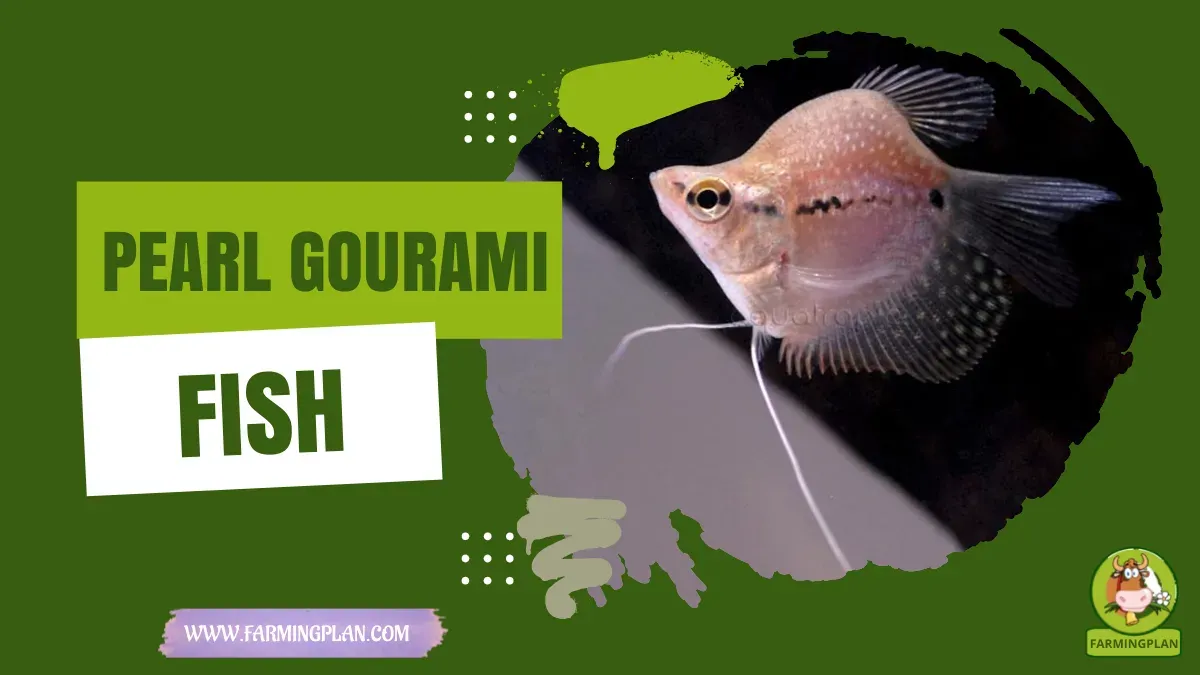
The pearl gourami features a deep, laterally compressed oval body adorned with thousands of tiny, gleaming mother-of-pearl spots that shimmer over a brownish-violet base. A distinctive jagged dark horizontal line extends from the snout through the eye, terminating in a soft spot at the base of the caudal fin. Its broad anal fin extends nearly the entire length of the lower body, trimmed with lace-like fringes. Following biosecurity best practices reduces disease risk in any pearl gourami care operation. Seasonal adjustments to shelter and diet keep pearl gourami care thriving year-round.
The Sensory Pelvic Feelers and Sexual Dimorphism
One of the most remarkable anatomical adaptations of the pearl gourami is its modified thread-like pelvic fins. These elongated “feelers” are packed with chemical and tactile sensory receptors that the fish uses to navigate murky waters, locate food items, and communicate gently with tank mates. Telling males from females is simple once fish reach 3 inches: mature males develop an extended, pointed dorsal fin and flush with fiery orange-red pigmentation across their throat and breast, whereas females retain a rounded dorsal fin and silvery-white belly. Proper record-keeping makes breeding and culling decisions easier for pearl gourami care keepers.
⚡ Pearl Gourami Biological Standards & Conformation Matrix
| Parameter Category | Male Specification | Female Specification | Husbandry Relevance |
|---|---|---|---|
| Throat & Chest Color | Vibrant glowing scarlet-orange | Soft pearlescent silver to cream | Primary visual indicator of breeding readiness |
| Dorsal Fin Shape | Elongated, slender, sharply pointed tip | Short, curved, softly rounded margin | Reliable sex identification in juvenile grow-outs |
| Adult Body Length | 4.5 – 5.0 inches (11 – 13 cm) | 4.0 – 4.5 inches (10 – 11 cm) | Requires generous swimming room and territory |
| Anal Fin Fringing | Heavy lace-like trailing ray extensions | Smooth, compact, unextended margin | Requires peaceful tank mates that will not nip |
| Social Disposition | Mildly territorial toward rival males | Completely docile, passive community member | Maintain harems of one male to two females |
Southeast Asian Peat Swamps & Labyrinth Organ Biology
In their wild Southeast Asian range, pearl gouramis inhabit acidic peat swamps, shallow drainage ditches, and sluggish jungle streams choked with decaying leaf litter and thick surface vegetation. These stagnant backwaters routinely suffer from severe oxygen depletion during dry seasons, which would prove lethal to standard gill-breathing fish. Providing adequate space and ventilation prevents common stress issues in pearl gourami care.
To overcome this environmental bottleneck, anabantoids evolved the labyrinth organ—a highly vascularized auxiliary breathing apparatus located in a suprabranchial cavity above the gills. This evolutionary marvel allows the fish to gulp atmospheric air directly from the water surface, absorbing oxygen into its bloodstream. In captivity, aquarists must ensure a humid air layer remains trapped beneath a sealed tank hood; breathing cold, dry room air can inflame the delicate labyrinth organ and cause fatal respiratory distress. Understanding breed-specific traits helps maximize pearl gourami care longevity and output. Routine preventive care saves time and lowers veterinary costs for pearl gourami care.
Aquarium Architecture, Floating Cover & Flow Dynamics
A 30-gallon aquarium is the absolute minimum requirement for a single specimen or bonded pair, but a 40-to-55-gallon tank provides a far superior footprint for a harem of one male and two or three females. The tank should be furnished with tall stem plants, driftwood roots, and subdued background lighting to replicate their native peat swamp ambiance. Matching forage or ration quality to life stage optimizes pearl gourami care growth.
Water temperature must remain warm and stable between 77°F and 82°F (25°C to 28°C). Maintain water chemistry between pH 6.0 and 7.2 with general hardness from 4 to 10 dGH. Pearl gouramis detest brisk water currents. Heavy powerheads or unbaffled hang-on-back filters push them into corners and dissolve bubble nests. Utilize oversized sponge filters or canister filters equipped with spray bars pointed toward the glass to provide high biological turnover with minimal surface agitation. Gradual dietary transitions protect digestive stability in pearl gourami care.
Surface cover is non-negotiable for their psychological well-being. Floating plants such as Amazon frogbit, Salvinia minima, and water lettuce offer protective shade, anchor male bubble nests, and absorb excess dissolved nitrates. Leave 2 to 3 inches of open space between the water surface and the aquarium lid to maintain warm, humid air pockets for labyrinth breathing. Selecting healthy foundation stock is the cornerstone of successful pearl gourami care management. Good predator-proofing and dry bedding safeguard pearl gourami care comfort in harsh weather.
Nutritional Protocols, Insectivorous Diets & Feed Schedules
Pearl gouramis are natural micropredators that hunt small aquatic insects, mosquito larvae, tiny crustaceans, and soft algae. Their small, upturned mouths require small-to-medium food particles rather than large pellets. Compare nutritional regimes with our comprehensive guide on freshwater fish feeding practices to balance protein density with dietary variety. Monitoring water quality and mineral balance directly benefits pearl gourami care vitality.
Provide two moderate feedings daily that the fish consume within two to three minutes. A high-quality spirulina-enriched flake serves as a dependable staple, supplemented daily with frozen or live treats like bloodworms, daphnia, brine shrimp, and white mosquito larvae. Pearl gouramis are deliberate, thoughtful feeders; avoid housing them with aggressive schooling fish that snatch all available food before the gouramis can approach. Practical hands-on husbandry ensures consistent results when raising pearl gourami care.
- High-Grade Tropical Flake: Fortified with natural carotenoids to sustain rich orange throat pigments and immune defenses.
- Frozen Bloodworms & Tubifex: Caloric, protein-rich treats that trigger spawning readiness and rapid condition building.
- Live or Frozen Daphnia: Excellent biological roughage that cleanses the digestive tract and prevents constipation.
- Blanched Peas & Spirulina Wafers: Digestible vegetal fibers that balance heavy animal protein intake and support gut flora.
Health Management, Labyrinth Ailments & Biosecurity
Pearl gouramis are hardy when kept in stable, warm water, but poor husbandry exposes them to specific anabantoid health challenges. The most prevalent threat is Gourami Iridovirus, an incurable systemic pathogen that causes abdominal dropsy, darkened coloration, and rapid mortality. Always purchase stock from reputable domestic hatcheries to avoid carrier specimens. Early intervention at the first sign of lethargy protects overall pearl gourami care flock or herd health.
Another common concern is respiratory shock caused by cold ambient drafts entering an open-top aquarium. Keep the tank covered tightly with glass canopy lids to maintain air temperature equal to water temperature. For technical aquaculture biosecurity standards and disease management protocols, review guidelines from the USDA APHIS Aquaculture Health Center. Structured culling and biosecurity protocols strengthen pearl gourami care genetic quality. Maintaining clean feeders and sanitized equipment supports sustainable pearl gourami care care.
Quarantine all new specimens in an isolated 15-to-20-gallon holding tank for 30 days. Maintain calm water and low lighting, treating prophylactically with praziquantel to clear internal worms and external skin flukes before introducing them to your display ecosystem. Consistent daily observation helps keepers spot early changes in pearl gourami care health and behavior.
Bubble Nest Architecture, Courtship & Fry Propagation
Breeding pearl gouramis is a spectacular display of bubble nest engineering and devoted paternal care. When conditioned on live foods at 82°F, the male begins constructing an intricate floating nest of mucus-coated air bubbles among surface plants, spanning up to 6 inches across and 1 inch deep. Clean housing, fresh water, and balanced nutrition remain essential for pearl gourami care productivity.
Once the nest is fortified, the male courts the female with displays of glowing orange throat coloration, coaxing her beneath the nest. Compare anabantoid parental mechanics with our guide on cherry barb care and egg-scattering breeding to evaluate bubble-nest builders against unguided plant scatterers. Tracking feed intake and body condition supports long-term pearl gourami care performance. Following biosecurity best practices reduces disease risk in any pearl gourami care operation.
During the spawning embrace, the male wraps his body around the female, turning her belly upward as she releases 200 to 500 buoyant eggs. The male collects stray eggs in his mouth, spitting them securely into the bubble nest. Remove the female immediately after spawning concludes, as the male becomes aggressively protective. The male tends the nest until eggs hatch in 24 to 36 hours. Once fry become free-swimming on day four, remove the male and feed microscopic infusoria and green water before offering baby brine shrimp. Seasonal adjustments to shelter and diet keep pearl gourami care thriving year-round.
US Ownership Budget & Annual Maintenance Costs
Establishing a dedicated 40-gallon planted pearl gourami biotope is an accessible investment for aquarists. Operating costs are predictable, with electricity and premium frozen feeds representing the primary recurring line items. Below is an itemized breakdown of expenses in the United States. Proper record-keeping makes breeding and culling decisions easier for pearl gourami care keepers.
⚡ Estimated Annual Pearl Gourami Aquarium Budget (USD)
| Budget Category | Hardware & Husbandry Schedule | Initial Capital Cost | Annual Operating Cost |
|---|---|---|---|
| Glass Aquarium & Tight Hood | 40-gallon breeder glass tank with glass canopy | $110 – $165 | $0 (Equipment asset) |
| Filtration & Dual Heaters | Twin large sponge filters + air pump + 150W heater | $50 – $80 | $15 – $25 (Air lines, valves, media) |
| Planted Substrate & Floating Flora | Fine dark gravel + Amazon frogbit, Java fern, Crypts | $55 – $90 | $15 – $25 (Plant fertilizers) |
| Initial Gourami Livestock Stock | 1 bonded pair or harem trio (1M, 2F @ $8 – $14 ea) | $24 – $42 | $0 (Multi-year companion stock) |
| Flake Feeds & Frozen Supplements | Spirulina flakes, micro-pellets, frozen bloodworms | $20 – $30 | $45 – $70 |
| Conditioner & Botanicals | Water conditioner + Indian almond leaves & test kits | $25 – $40 | $25 – $40 |
| Electrical Consumption | Air pump, 150W heater, plant LED (approx. 240 kWh/yr) | $0 | $32 – $50 |
| Total System Projections | 40-gallon planted pearl gourami biotope aquarium | $284 – $447 | $132 – $210 / year |
🐟 Pearl Gourami Tank & Feed Calculator
Calculate water volume, minimum filtration capacity, water changes, and daily feed amounts for your Pearl Gourami.
Frequently Asked Questions (FAQ)
What water temperature do pearl gouramis need?
Pearl gouramis thrive in warm water between 77u00b0F and 82u00b0F (25u00b0C to 28u00b0C). Keeping water consistently warm supports their labyrinth organ, stimulates hearty appetites, and encourages breeding males to build bubble nests.
What size tank does a pearl gourami require?
A 30-gallon tank is the minimum size for a single specimen or bonded pair. However, a 40-to-55-gallon aquarium is strongly recommended when keeping a trio of one male and two females alongside peaceful community fish.
Are pearl gouramis aggressive toward other fish?
No, pearl gouramis are among the most peaceful centerpiece fish in the hobby. They rarely harass other species, though males can be mildly territorial toward rival male gouramis in aquariums lacking visual plant barriers.
How do you distinguish male from female pearl gouramis?
Mature males feature a pointed dorsal fin, lace-like anal fin extensions, and a glowing orange-red throat and breast. Females remain slightly smaller, retain a rounded dorsal fin, and exhibit a silvery-white throat.
Why do pearl gouramis need floating plants?
Floating plants provide essential surface cover that reduces stress and diffuses harsh overhead light. In addition, males require floating vegetation like Amazon frogbit or Salvinia to anchor their delicate bubble nests during spawning.
Can you keep two male pearl gouramis in the same tank?
Keeping multiple males is only recommended in aquariums 55 gallons or larger that are densely planted. In smaller tanks, dominant males will chase subordinate rivals, causing chronic stress, fin fraying, and loss of coloration.
Expert Summary & Centerpiece Aquarium Harmony
The pearl gourami combines timeless physical majesty with a tranquil personality that enriches any planted aquarium. By providing gentle sponge filtration, warm stable water chemistry, floating surface flora, and respectful community companions, aquarists enjoy one of the most rewarding aquatic centerpieces in the world. Providing adequate space and ventilation prevents common stress issues in pearl gourami care. Understanding breed-specific traits helps maximize pearl gourami care longevity and output.
For homesteaders scaling up property water management, examine our technical analysis of farm pond and waterway management to understand aquatic weed control, dissolved oxygen dynamics, and ecosystem carrying capacity. Routine preventive care saves time and lowers veterinary costs for pearl gourami care.
Expert Verdict & Next Steps for Pearl Gourami Keepers
Successful management of Pearl Gourami hinges on rigorous adherence to species-specific housing dimensions, precision daily nutrition, and proactive biosecurity protocols. Whether you are managing commercial production or establishing a self-sufficient homestead breeding flock, maintaining disciplined husbandry standards ensures long-term vitality, exceptional output yields, and sustainable enterprise profitability. Matching forage or ration quality to life stage optimizes pearl gourami care growth.
By pairing predator-proof shelter infrastructure with high-quality rations and regular veterinary wellness monitoring, growers can confidently optimize productive longevity across all life stages. For comprehensive operational management blueprints and companion breed guides, explore our complete technical library in Farming Plan Agricultural Guides. Gradual dietary transitions protect digestive stability in pearl gourami care.
📚Agricultural Reference & Scientific Citations
Standards and physiological data referenced in this guide comply with USDA Animal and Plant Health Inspection Service (APHIS), American Veterinary Medical Association (AVMA), and the FAO Domestic Animal Diversity Information System.


