

📊 Molly Fish Care at a Glance: Key Specifications & Production Benchmarks
| Zoological Genus | Poecilia (Primary: P. sphenops, P. latipinna, P. velifera) |
| Geographic Origin | Coastal and freshwater habitats of Central America and Southeastern USA |
| Adult Size Range | Shortfin mollies: 3.0 to 4.0 inches; Giant Sailfins: 5.0 to 6.0 inches |
| Reproductive Strategy | Ovoviviparous Livebearer (females give birth to fully formed free-swimming fry) |
| Minimum Aquarium Volume | 20 gallons for shortfin varieties; 30 to 40+ gallons for Sailfin mollies |
| Water Chemistry Mandate | Hard, alkaline water required: pH 7.5 to 8.5; Hardness: 12 to 25+ dGH |
| Optimal Temperature Range | 75°F to 82°F (24°C to 28°C); Warm tropical conditions |
| Salinity Adaptability | Euryhaline species; thrives in pure freshwater, brackish, or full marine reef setups |
| Dietary Classification | Omnivorous grazer; requires high vegetable fiber, spirulina, and algae |
| Average Lifespan | 3 to 5 years under stable hardwater conditions |
The Molly Fish, comprising several magnificent species within the genus Poecilia native to the coastal streams, estuaries, and limestone springs of Central America and the southern United States, is one of the most versatile, active, and rewarding livebearing freshwater aquarium fish on earth. Celebrated for their striking color varieties, impressive sailfin dorsal fins, and fascinating live birth reproductive biology, mollies are an enduring cornerstone of the global tropical fish hobby. Structured culling and biosecurity protocols strengthen Molly Fish Care genetic quality.
Whether you are establishing a colorful planted community aquarium or breeding livebearers through our homestead aquaculture and aquarium hub, understanding molly water chemistry is critical. The most common cause of molly illness is housing them in soft, acidic water: mollies possess a strict biological requirement for hard, mineral-rich, alkaline water (pH 7.5 to 8.5, dGH > 12). In soft water, their immune system collapses, leading to clamped fins and the dreaded neurological ‘shimmies.’ Maintaining clean feeders and sanitized equipment supports sustainable Molly Fish Care care.
Remarkably euryhaline, mollies can adapt to pure freshwater, brackish estuaries, and even full marine saltwater reef aquariums. In this comprehensive technical guide, we evaluate species varieties, mineral water chemistry balancing, algae-rich vegetable nutrition, livebearer gestation management, and disease prevention. Consistent daily observation helps keepers spot early changes in Molly Fish Care health and behavior.
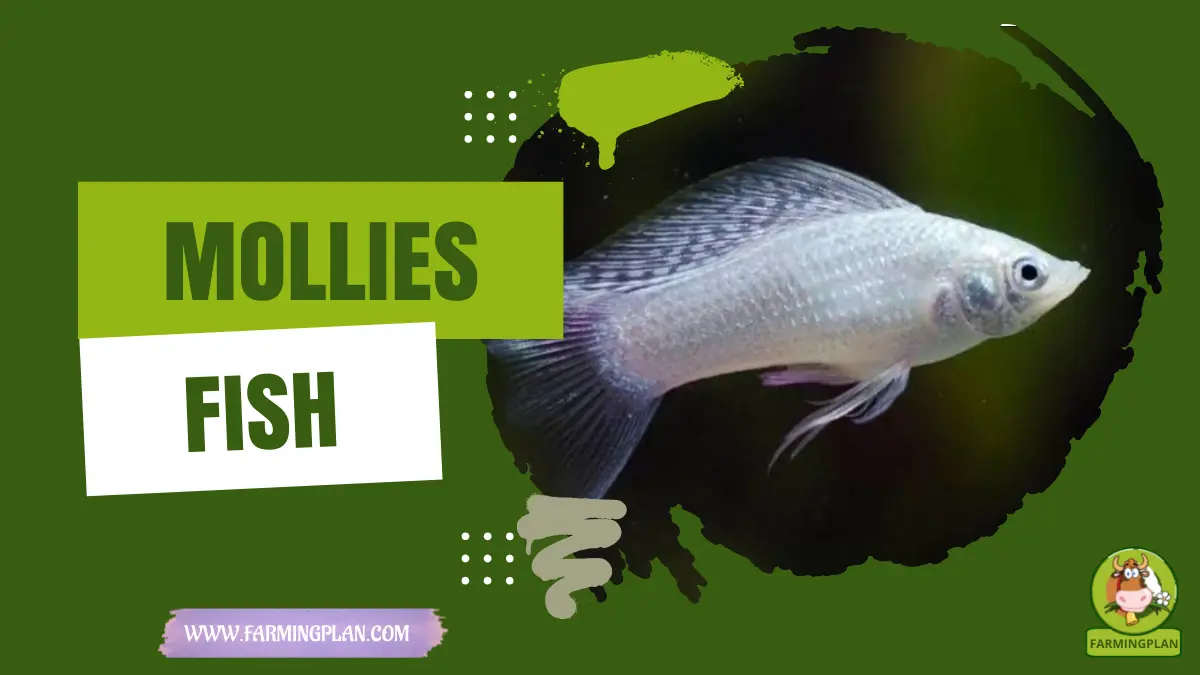
Physical Characteristics & Breed Standards
The Molly fish displays a deep, sturdy, and laterally compressed physical conformation designed for active mid-water and surface swimming.
Their body is muscular and streamlined, featuring a broad peduncle and wide, paddle-like caudal fin that delivers continuous forward propulsion. Clean housing, fresh water, and balanced nutrition remain essential for Molly Fish Care productivity.
Conformation Standards & Anatomical Structure
The head is small and slightly flattened, with an upturned superior mouth lined with fine scraping teeth specialized for peeling filamentous algae from rocks. The eyes are bright and alert, ringed with gold or silver irises. Tracking feed intake and body condition supports long-term Molly Fish Care performance.
In Sailfin species (*Poecilia latipinna* and *P. velifera*), mature males develop a colossal, sail-like dorsal fin containing up to 14 to 19 rays that stands upright in dazzling territorial displays. In shortfin varieties (*Poecilia sphenops*), the dorsal fin is compact and rounded. Following biosecurity best practices reduces disease risk in any Molly Fish Care operation.
Color varieties encompass velvety midnight Black Mollies, bright Golden Mollies, pristine White/Silver Mollies, and Dalmatian Mollies patterned with irregular black flecks over a white background, alongside Lyretail finnage varieties.
Their broad, flattened skull and flexible operculum enable efficient surface skimming and rapid water exchange across the gills. The muscular caudal peduncle is notably deep, anchoring a powerful caudal fin that allows these energetic fish to swim effortlessly against strong filter currents and brackish tidal flows. Seasonal adjustments to shelter and diet keep Molly Fish Care thriving year-round.
Size, Weight Benchmarks & Color Variations
Common shortfin mollies reach 3.0 to 4.0 inches in length, with females growing substantially larger and plumper than males. Proper record-keeping makes breeding and culling decisions easier for Molly Fish Care keepers.
Giant Mexican Sailfin mollies (*Poecilia velifera*) achieve impressive lengths of 5.0 to 6.0 inches under spacious aquarium conditions.
Due to their active swimming behavior and social hierarchy, a group of five to six mollies requires an aquarium of at least 20 to 30 gallons. Providing adequate space and ventilation prevents common stress issues in Molly Fish Care.
📊 Molly Fish Care Performance & Production Matrix
| Molly Species / Variety | Black Molly (*P. sphenops*) | Sailfin Molly (*P. latipinna*) | Dalmatian Lyretail Molly |
|---|---|---|---|
| Adult Female Size | 3.0 to 4.0 Inches | 5.0 to 6.0 Inches | 3.0 to 4.5 Inches |
| Dorsal Fin Profile | Short Rounded (8–10 Rays) | Massive Sailfin (14–19 Rays) | Medium Lyretail Trailing |
| Minimum Tank Size | 20 Gallons | 30 to 40 Gallons | 20 to 29 Gallons |
| Salinity Tolerance | Fresh to Brackish Water | Fresh, Brackish, to Full Marine | Fresh to Brackish Water |
| Algae Grazing Drive | High (Active Algae Picker) | Very High (Continuous Grazer) | High (Biofilm & Algae) |
Breed History, Heritage & North American Development
The genus *Poecilia* was first described by German-Russian naturalist Marcus Elieser Bloch in 1801. The common name ‘Molly’ derives from the former genus classification *Mollienesia*, named in honor of French statesman Count François Nicolas Mollien. Understanding breed-specific traits helps maximize Molly Fish Care longevity and output.
Mollies inhabit an astonishing variety of natural aquatic habitats from North Carolina down through the Gulf of Mexico, the Yucatan Peninsula, and Colombia. They thrive in crystal-clear limestone cenotes, stagnant coastal mangrove swamps, and tidal estuaries where salinity fluctuates wildly from zero to full seawater. Routine preventive care saves time and lowers veterinary costs for Molly Fish Care.
During the 1920s and 1930s, commercial livebearer hatcheries in New Orleans and Tampa selectively bred the all-black melanistic morph from wild green spotted stock, creating the world-famous ‘Midnight Black Molly.’ Today, the American Livebearer Association safeguards wild-type species strains and promotes ethical captive breeding.
Housing, Shelter Dimensions & Winter Hardiness
Aquarium engineering for mollies requires strict attention to mineral hardness, alkaline buffering, and open swimming corridors. Matching forage or ration quality to life stage optimizes Molly Fish Care growth.
Spatial Density & Enclosure Engineering
Maintain a breeding trio or small colony in an aquarium of at least 20 to 30 gallons. Always maintain a sex ratio of one male to two or three females; vigorous males pursue females relentlessly, and keeping multiple females distributes courtship attention safely. Gradual dietary transitions protect digestive stability in Molly Fish Care.
Water must be hard and alkaline: incorporate crushed coral or aragonite sand into the substrate or filter media to maintain a stable pH between 7.5 and 8.2 and water hardness above 12 dGH. Adding marine aquarium salt (1 tablespoon per 5 gallons) enhances gill function and provides natural protection against fungal infections.
Provide moderate filtration with steady water flow and live plants that thrive in hard water (Vallisneria, Anubias, Java fern, and Hornwort). Selecting healthy foundation stock is the cornerstone of successful Molly Fish Care management.
Maintain stable carbonate hardness (KH) levels between 10 and 18 dKH to provide a robust chemical buffer against organic acid buildup and sudden pH drops. If municipal water is naturally soft, incorporate bags of crushed oyster shells or dolomitic limestone into the filter basket to steadily enrich the water column with calcium and magnesium ions. Good predator-proofing and dry bedding safeguard Molly Fish Care comfort in harsh weather.
Nutritional Requirements, Daily Rations & Feeding Protocols
Mollies are primarily herbivorous grazers with long digestive tracts designed to extract nutrition from vegetable matter, micro-algae, and plant detritus. Monitoring water quality and mineral balance directly benefits Molly Fish Care vitality.
Crude Protein Benchmarks Across Life Stages
Feed a high-grade spirulina flake or vegetable-based micro-pellet as the staple diet. Commercial foods containing high terrestrial animal fats cause fatty liver degeneration and premature mortality in mollies.
Supplement their diet with blanched green vegetables: chopped spinach, zucchini slices, and boiled deshelled peas, alongside live natural tank algae. Practical hands-on husbandry ensures consistent results when raising Molly Fish Care.
Provide occasional protein treats (frozen brine shrimp or daphnia) once or twice weekly. Feed small portions two to three times daily, only what they consume in two minutes. Early intervention at the first sign of lethargy protects overall Molly Fish Care flock or herd health.
Allow moderate green algae growth to develop on rear aquarium glass panels and natural rocks, providing a continuous, natural grazing pasture that adult mollies and growing fry will browse throughout daylight hours. This natural foraging satisfies essential behavioral drives and promotes healthy gastrointestinal transit. Structured culling and biosecurity protocols strengthen Molly Fish Care genetic quality.
Health Management, Common Diseases & Biosecurity Standards
Mollies are remarkably robust in hard alkaline water, but succumb rapidly to opportunistic pathogens if water turns soft or acidic.
Biosecurity Protocols & Veterinary Defenses
Perform weekly 20 to 25 percent water changes with conditioned tap water, maintaining high carbonate hardness (KH) to prevent catastrophic pH crashes. Maintaining clean feeders and sanitized equipment supports sustainable Molly Fish Care care.
Watch for ‘the shimmies’—a condition where the molly hovers in place, trembling its body with clamped fins. The shimmies is not a bacterial infection, but a physiological symptom of cold water or soft acidic water; correct it immediately by raising temperature to 78°F and adding aquarium salt and mineral buffers. Consistent daily observation helps keepers spot early changes in Molly Fish Care health and behavior.
Treat Ich and velvet disease with temperature elevation (82°F) and marine salt. Review livebearer veterinary protocols through the American Livebearer Association Health Standards.
When acclimating newly acquired mollies, utilize slow drip acclimation over two hours to allow their sensitive osmoregulatory systems to adjust to your tank’s specific mineral hardness and salinity profile. Avoid abrupt transfers from brackish holding tanks to pure freshwater, which can induce severe osmotic shock and fin clamping. Clean housing, fresh water, and balanced nutrition remain essential for Molly Fish Care productivity.
Livebearer Gestation, Fry Protection & Rearing
Mollies are prolific livebearers that reproduce effortlessly. Males possess a modified, rod-like anal fin known as the *gonopodium*, used to transfer spermatophores internally into the female. Tracking feed intake and body condition supports long-term Molly Fish Care performance.
Gestation lasts 28 to 35 days. As birth approaches, the female’s abdomen swells into a boxy shape and her dark ‘gravid spot’ near the anal fin darkens intensely. Following biosecurity best practices reduces disease risk in any Molly Fish Care operation.
The female delivers between 20 and 80+ fully developed, free-swimming fry. To maximize fry survival without stressing the mother in cramped plastic breeding traps, provide dense thickets of live floating plants (Hornwort, Guppy Grass, and Java Moss) where newborn fry can hide from adult fish. Feed fry powdered spirulina and baby brine shrimp.
US Ownership Budget & Annual Maintenance Costs
Establishing a thriving colony of colorful Molly fish is one of the most economical, family-friendly projects in freshwater aquaculture. Seasonal adjustments to shelter and diet keep Molly Fish Care thriving year-round.
💰 Estimated Annual Budget & Maintenance Costs (USD)
| Budget Category | Item Description & Scope | Initial Capital Outlay | Annual Recurring Expense |
|---|---|---|---|
| Molly Fish Trio (1M/2F) | Healthy active Black, Sailfin, or Dalmatian mollies | $12 – $25 | $0 |
| Aquarium Tank (20 Gallon) | Standard 20-gallon long glass aquarium with LED hood | $50 – $95 | $0 |
| Power Filter & Heater | Hang-on-back filter (100+ GPH) and 100W submersible heater | $35 – $60 | $10 – $20 |
| Crushed Coral & Plants | Aragonite buffer substrate, marine salt, and live Hornwort | $25 – $45 | $15 – $25 |
| Spirulina Flakes & Test Kit | Vegetable spirulina flakes and liquid pH/hardness test kit | $20 – $35 | $20 – $35 |
🐟 Molly Fish Tank & Feed Calculator
Calculate water volume, minimum filtration capacity, water changes, and daily feed amounts for your Molly Fish.
Frequently Asked Questions (FAQ)
Why do molly fish need hard, alkaline water?
Mollies evolved in coastal limestone waters rich in dissolved minerals. Soft, acidic water impairs their osmotic regulation, weakens their immune system, and causes ‘the shimmies,’ requiring water with a pH above 7.5 and hardness above 12 dGH.
How can you tell a male molly from a female molly?
Males have a pointed, rod-like modified anal fin called a gonopodium and are generally smaller with larger dorsal fins. Females have a standard triangular, fan-shaped anal fin and a plumper, rounded belly.
Do molly fish give birth to live babies or lay eggs?
Mollies are ovoviviparous livebearers: eggs develop and hatch inside the mother’s body, and the female gives birth to 20 to 80 fully formed, free-swimming live fry every 30 days.
What causes ‘the shimmies’ in molly fish?
The shimmies is a physiological stress response caused by water that is too cold, too soft, or too acidic. It is easily cured by raising the temperature to 78u00b0F, adding mineral buffers, and adding a tablespoon of aquarium salt per 5 gallons.
Expert Verdict & Next Steps for Livebearer Aquarists
The Molly Fish is an extraordinary, vibrant, and hardy livebearing gem that brings continuous activity, brilliant coloration, and captivating reproductive behavior to any home aquarium. By providing mineral-rich hard water, plant-rich grazing nutrition, and proper male-to-female ratios, your molly colony will flourish for generations. Proper record-keeping makes breeding and culling decisions easier for Molly Fish Care keepers.
Complete your aquarium and farm livestock journey by exploring our companion guides to peaceful Neon Tetra Care, armored Plecostomus Care, interactive Oscar Fish Care, and coldwater Goldfish Care.
📚Agricultural Reference & Scientific Citations
Standards and physiological data referenced in this guide comply with USDA Animal and Plant Health Inspection Service (APHIS), American Veterinary Medical Association (AVMA), and the FAO Domestic Animal Diversity Information System.


