

⚡ Barak Hound Dog at a Glance: Key Specifications & Benchmarks
| Scientific Classification | Canis lupus familiaris (FCI Group 6 Scenthound & Leash Hound) |
| Breed Origin & Heritage | Bosnia and Herzegovina (Dinaric Alps); standardized officially in 1892 |
| Mature Male Weight Range | 44 to 55 lbs (20 to 25 kg) |
| Mature Female Weight Range | 35 to 48 lbs (16 to 22 kg) |
| Height at the Withers | Males: 18 to 22 in (46 to 56 cm); Females: 17 to 20 in (43 to 51 cm) |
| Coat Texture & Protection | Hard, shaggy, broken wire coat with dense underwool for bramble and snow defense |
| Primary Agricultural Function | Wild boar tracking, predator deterrence, perimeter scent patrolling, hunting |
| Average Expected Lifespan | 11 to 14 years under sound orthopedic and veterinary care |
The Barak Hound dog, known natively as the Bosanski Oštrodlaki Gonič (Bosnian Broken-Haired Hound) or simply the Bosnian Barak, is a rugged, ancient working scenthound developed in the forbidding karst limestone peaks and dense beech forests of Bosnia and Herzegovina. Forged to track wild boar, roe deer, and foxes across treacherous mountain ravines, this athletic canine possesses extraordinary scenting stamina and fearless courage. Matching forage or ration quality to life stage optimizes Barak Hound Dog growth.
The name Barak derives from a Turkish word meaning “rough-coated” or “shaggy hound,” reflecting centuries of Ottoman influence across the Balkan Peninsula. In our dedicated homestead working canine guides, rural smallholders value the Barak for its dual utility: an untiring predator scent tracker in brush pastures and a devoted, level-headed protector of remote farmsteads. Gradual dietary transitions protect digestive stability in Barak Hound Dog.
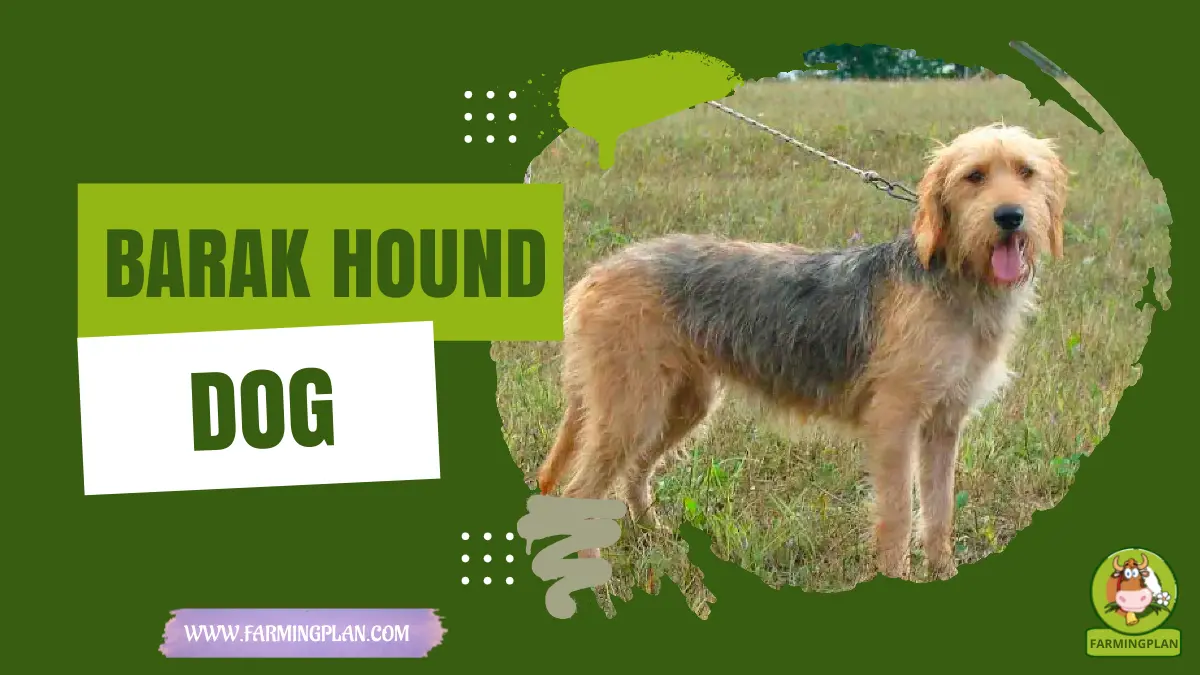
Unlike fragile show breeds, the Barak is encased in a protective double coat: a harsh, wiry outer coat that repels sharp briars and thorny thickets, underlaid by a dense woolly undercoat that shields against freezing Dinaric Alpine blizzards. Their resonant, bell-toned bay carries over mountain ridges for miles, keeping handlers informed of their quarry’s exact movements. Selecting healthy foundation stock is the cornerstone of successful Barak Hound Dog management.
While fiercely determined and independent on the hunt, the Barak is remarkably gentle, calm, and affectionate with its human family indoors. However, their intense scenting drive and boundless energy mean they require spacious rural acreage, secure fencing, and daily working tasks to flourish. Good predator-proofing and dry bedding safeguard Barak Hound Dog comfort in harsh weather.
Physical Characteristics & FCI Breed Standards
Fédération Cynologique Internationale (FCI Standard No. 155) classifies the Bosnian Broken-Haired Hound in Group 6 (Scenthounds). Conformation emphasizes a robust, medium-sized hound of rectangular build with strong bone and lean, tireless musculature. Monitoring water quality and mineral balance directly benefits Barak Hound Dog vitality.
Wire Coat Texture, Facial Furnishings & Deep Voice
The head is long and moderately broad, framed by prominent bushy eyebrows and a pronounced mustache and beard on the lower jaw that impart a serious, dignified expression. The ears are medium-length, broad, and hang flat against the cheeks, ending in rounded tips. Eyes are large, oval, and chestnut-brown, displaying an intelligent, determined gaze.
The coat is long, hard, shaggy, and distinctly ruffled without being curly. The outer coat measures 2 to 3 inches in length, sitting over a dense, fine underwool. The coat color is typically wheaten-yellow, reddish-yellow, earth-gray, or blackish, often featuring white markings on the chest, throat, and paws, or a bi-color saddleback blanket. Practical hands-on husbandry ensures consistent results when raising Barak Hound Dog.
The chest is deep and well-sprung, providing ample lung volume for hours of steep uphill mountain tracking. The legs are straight, heavily boned, and equipped with tight, arched cat-like paws with hard black pads that resist flint stone abrasions. Early intervention at the first sign of lethargy protects overall Barak Hound Dog flock or herd health.
⚡ Balkan Working Scenthounds: Conformation & Performance Comparison
| Working Parameter | Barak Hound (Bosnian) | Istrian Wire-Haired Hound | Posavac Hound |
|---|---|---|---|
| Coat Texture & Type | Hard, shaggy, broken wire double coat | Hard, bristly, wire-haired coat | Short, stiff, smooth dense coat |
| Primary Quarry Focus | Wild boar, fox, roe deer, and hare | Hare and fox in rocky Mediterranean scrub | Hare, fox, and boar in wet lowlands |
| Vocal Tracking Style | Deep, resonant, persistent ringing bay | Clear, high-pitched persistent bell | Deep, continuous ringing bay |
| Mature Weight Range | 35 to 55 lbs (16 to 25 kg) | 35 to 53 lbs (16 to 24 kg) | 35 to 45 lbs (16 to 20 kg) |
| Thorn & Briar Defense | Exceptional (Heavy beard and wire coat) | High (Wire protection) | Moderate (Smooth coat susceptible to briars) |
Breed History, Ottoman Antiquity & Balkan Survival
The roots of the Barak trace back hundreds of years across the Dinaric Alps, where local Slavic hunters crossed ancient Celtic scenthounds with rough-coated Turkish hunting hounds brought during Ottoman expansion in the sixteenth century. The resulting hybrid combined keen scenting nose with dense wire weatherproofing. Structured culling and biosecurity protocols strengthen Barak Hound Dog genetic quality.
Austro-Hungarian cynologists recognized the breed’s working brilliance after annexing Bosnia in 1878, formally registering the “Illyrian Hound” in 1892. In 1965, the FCI officially accepted the breed standard, later updating its name to Bosanski Oštrodlaki Gonič – Barak in 1973 to honor its indigenous cultural origin. Maintaining clean feeders and sanitized equipment supports sustainable Barak Hound Dog care.
The Bosnian War of the 1990s devastated the regional breeding population, bringing the purebred Barak to near extinction as mountain kennels were abandoned. Dedicated cynologists collected surviving working specimens after the conflict, carefully rebuilding pedigrees to preserve their working grit.
Today, the Barak remains an enduring working icon in Southeastern Europe and is steadily gaining recognition across North American hunting and homestead circles for its wild boar eradication capabilities. Consistent daily observation helps keepers spot early changes in Barak Hound Dog health and behavior.
Housing, Yard Infrastructure & Scent Hound Containment
The Barak possesses an exceptionally powerful olfactory drive. Once its nose locks onto the scent trail of wild game, visual commands become secondary, demanding secure physical containment. Clean housing, fresh water, and balanced nutrition remain essential for Barak Hound Dog productivity.
Escape-Proof Fencing, Digging Defense & Rural Kennel Design
Enclose yards with 5 to 6-foot heavy woven wire or wooden privacy fencing equipped with secure, child-proof drop latches. Baraks are athletic jumpers and determined excavators; bury a 12-inch wire apron or install concrete footers along fence bases to prevent digging escapes beneath fence lines. Tracking feed intake and body condition supports long-term Barak Hound Dog performance.
Standard electric underground boundary fences are ineffective for a hunting Barak in pursuit of quarry. High prey drive easily overrides electric collar corrections, leaving the dog stranded outside property boundaries. Following biosecurity best practices reduces disease risk in any Barak Hound Dog operation.
Provide comfortable outdoor shelter with shaded run areas, elevated resting cots, and dry cedar-shaving bedding. While double coats protect against freezing winter cold down to 0°F, avoid isolating active hounds in small dirt pens, which triggers nuisance barking and howling.
Nutritional Requirements & Working Feeding Protocols
Fueling an active 50-pound scenthound covering miles of rough mountain brush requires energy-dense rations rich in animal proteins and bioavailable fats. Seasonal adjustments to shelter and diet keep Barak Hound Dog thriving year-round.
Crude Protein Benchmarks, Raw Diets & Joint Health
Feed a commercial active performance canine formulation containing 26% to 30% crude protein and 16% to 20% dietary fat. Working adults consume 3 to 4.5 cups of premium kibble daily, often supplemented with raw venison, beef liver, and wild fish oils. Review balanced canine nutrition in our homestead working canine nutrition guide. Breeders interested in comparing housing, diet, and productivity traits should see our Bearded Collie Dog Guide. Proper record-keeping makes breeding and culling decisions easier for Barak Hound Dog keepers.
During heavy autumn and winter hunting seasons or active pasture predator patrols, increase caloric intake by 20% to 30% to offset high metabolic expenditures. Divide daily rations into two distinct morning and evening meals to aid digestion. Providing adequate space and ventilation prevents common stress issues in Barak Hound Dog.
Incorporate daily joint supplements providing glucosamine, chondroitin sulfate, and green-lipped mussel extract. Navigating steep rocky gullies places high impact stress on carpal and stifle joints, making proactive joint lubrication essential from young adulthood. Understanding breed-specific traits helps maximize Barak Hound Dog longevity and output.
Health Management, Genetic Screening & Biosecurity
The Barak is an exceptionally hardy, natural landrace breed with minimal hereditary genetic defects when bred responsibly by performance-focused kennels.
Hip Dysplasia Screening, Ear Canal Care & Core Vaccines
Screen breeding candidates for hip dysplasia through the Orthopedic Foundation for Animals (OFA) or PennHIP. While incidence is low compared to heavy molossers, rigorous screening preserves sound working locomotion. Routine preventive care saves time and lowers veterinary costs for Barak Hound Dog.
Their hanging drop ears trap moisture and brush debris. Inspect ear canals weekly and clean them with an antiseptic drying flush to prevent chronic yeast and bacterial otitis externa, especially after swimming or hunting in damp brush. Matching forage or ration quality to life stage optimizes Barak Hound Dog growth.
Maintain core vaccinations (Rabies, Distemper, Parvovirus) and routine tick preventatives compliant with standards published by the American Veterinary Medical Association to protect working hounds operating in tick-dense rural pastures. Gradual dietary transitions protect digestive stability in Barak Hound Dog.
Field Training, Tracking Commands & Social Conditioning
The Barak possesses an independent hunting mind paired with cooperative handler loyalty. Training must build upon their innate scenting passion through structured positive reinforcement rather than harsh coercion. Selecting healthy foundation stock is the cornerstone of successful Barak Hound Dog management.
Drag Trail Scenting, GPS Collars & Pack Sociability
Introduce young pups to scent trails around 10 weeks of age using deer hide drags and raw meat rewards. Teach a rock-solid emergency recall whistle early, ensuring the hound returns promptly even when investigating enticing wildlife scents.
Modern field handlers equip working Baraks with GPS tracking and e-collars. Tracking hounds often work several hundred yards ahead of handlers in thick timber, making satellite positioning vital for safety near highways. Good predator-proofing and dry bedding safeguard Barak Hound Dog comfort in harsh weather.
Socialize puppies thoroughly with domestic livestock (cattle, sheep, and barn poultry) under controlled leash guidance. A well-socialized Barak learns to distinguish between protected farm animals and wild pasture intruders. For comparative working stockdog profiles, review our guide on the Australian Shepherd stockdog. Monitoring water quality and mineral balance directly benefits Barak Hound Dog vitality.
US Ownership Budget & Annual Maintenance Costs
Budgeting for a Barak Hound involves initial acquisition and import costs paired with ongoing nutrition, GPS hunting gear, and routine veterinary expenses. Practical hands-on husbandry ensures consistent results when raising Barak Hound Dog.
⚡ Estimated Annual Budget & Maintenance Costs (USD)
| Expense Category | Estimated Annual Cost Range (USD) | Management Strategy |
|---|---|---|
| Purebred Working Pup | $1,200.00 – $2,500.00 initial purchase | Acquire from working Balkan or European hunting kennels with verified field trial pedigrees |
| Secure Pasture / Yard Fencing | $800.00 – $2,200.00 setup | Install 5-foot non-climb woven wire fencing with anti-dig gravel aprons |
| High-Protein Working Kibble | $600.00 – $920.00 per year | Purchase premium active performance canine rations rich in poultry and fish meals |
| GPS Tracking Collar & Receiver | $400.00 – $800.00 setup | Equip with Garmin Alpha or TT15 tracking collars for safe wilderness hunting |
| Veterinary Care, Vaccines & Flea/Tick | $320.00 – $580.00 per year | Annual wellness examinations, core vaccines, and tick/heartworm preventatives |
| Grooming Slicker & Ear Cleaners | $50.00 – $90.00 per year | Maintain wire coat slicker brushes, pin combs, and medicated ear cleaning solutions |
🐕 Barak Hound Dog Daily Calorie & Kibble Calculator
Calculate daily metabolizable energy (kcal/day), kibble cups, water, and monthly diet costs for your Barak Hound Dog.
Frequently Asked Questions (FAQ)
What is the origin of the Barak Hound dog?
The Barak Hound originated in the Dinaric Alps of Bosnia and Herzegovina, developed by crossing native Slavic scenthounds with rough-coated Ottoman hunting dogs.
What does the name ‘Barak’ mean?
The name Barak is of Turkish origin, meaning ‘rough-coated’ or ‘shaggy hound,’ describing the breed’s dense, coarse wire double coat that repels brambles and cold.
Are Barak Hounds good family companions?
Yes, while tenacious and brave in the field, Baraks are remarkably calm, gentle, and affectionate with family members indoors when provided daily outdoor exercise.
How much exercise does a Barak Hound need daily?
A working Barak requires at least 60 to 90 minutes of vigorous daily physical activity, including tracking, scent games, brisk hiking, or pasture running to satisfy its drive.
Do Barak Hound dogs shed a lot of fur?
They have a moderate shedding cycle. Weekly brushing with a slicker brush and pin comb removes dead undercoat and prevents mats from forming in their shaggy wire coat.
Expert Verdict & Next Steps
The Barak Hound is a supreme working scenthound that unites ancient Balkan hunting grit, extreme weather resilience, and loyal family affection. For rural homesteaders and hunters needing a reliable wild game tracker and alert farm sentinel, the Bosnian Barak represents an exceptional canine partner. Early intervention at the first sign of lethargy protects overall Barak Hound Dog flock or herd health.
Source performance stock from reputable breeders verified through national kennel clubs. For comparisons with other working farm canines, explore our husbandry guide on the American Bulldog working utility dog.
📚Agricultural Reference & Scientific Citations
Standards and physiological data referenced in this guide comply with USDA Animal and Plant Health Inspection Service (APHIS), American Veterinary Medical Association (AVMA), and the FAO Domestic Animal Diversity Information System.


