

⚡ Oscar Fish at a Glance: Key Specifications & Benchmarks
| Scientific Classification | Astronotus ocellatus (Family Cichlidae) |
| Common Color Morphs | Tiger Oscar, Red Oscar, Albino Oscar, Lutino, Veil-Tail Oscar |
| Adult Body Size | 12 to 14 inches (30 to 35 cm); robust, deep-bodied predatory cichlid |
| Minimum Tank Volume | 75 gallons (284 L) for single adult; 125+ gallons (475 L) for compatible pair |
| Water Temperature Range | 74°F to 81°F (23°C to 27°C) with consistent tropical heating |
| Water Chemistry Targets | pH 6.5 to 7.5; General Hardness (GH) 5 to 15 dGH; Nitrates strictly < 20 ppm |
| Dietary Classification | Carnivorous and omnivorous predator requiring high-protein cichlid pellets and invertebrates |
| Average Lifespan | 10 to 15+ years under dedicated water stewardship and balanced nutrition |
When planning oscar fish care management, few freshwater aquarium species capture the admiration and devotion of hobbyists quite like the Oscar fish (Astronotus ocellatus). Renowned within the aquatic community as “water dogs,” Oscars display remarkable cognitive intelligence, recognizing their caretakers, actively begging for food at the surface, and responding to activity across the room. Their expressive personalities, combined with vivid tiger striping and bold territorial presence, make them true centerpieces in the freshwater hobby.
Aquarists and farm managers exploring our comprehensive freshwater fish farming resources quickly learn that keeping Oscars demands serious long-term dedication. Reaching mature lengths of twelve to fourteen inches within just twelve to eighteen months, Oscars produce heavy biological waste loads that quickly overwhelm subpar filtration systems. Without large enclosures and rigorous maintenance routines, keepers risk fatal water quality crashes and chronic health conditions. Monitoring water quality and mineral balance directly benefits oscar fish care vitality. Practical hands-on husbandry ensures consistent results when raising oscar fish care.
Unlike small schooling fish such as neon tetras or peaceful bottom grazers like corydoras catfish, Oscars possess powerful jaws and territorial instincts, frequently rearranging decor and uprooting plants. Maintaining an Oscar habitat requires durable hardware, heavy pool filter sand, securely anchored rocks, and high-capacity filtration to sustain clear, pristine water. Early intervention at the first sign of lethargy protects overall oscar fish care flock or herd health.
This master Oscar care guide provides comprehensive analysis across species origin, anatomical adaptations, tank sizing protocols, water chemistry benchmarks, balanced nutrition, biosecurity measures, and responsible tank mate pairings. Implementing these guidelines guarantees an enriching, long-lasting environment for your cichlids. Structured culling and biosecurity protocols strengthen oscar fish care genetic quality.
Breed Origin, Riverine Ecology & Taxonomy
Astronotus ocellatus belongs to the diverse Neotropical cichlid family Cichlidae, native to the tropical river systems of South America. Wild populations inhabit the slow-moving, tannin-stained waters of the Amazon, Orinoco, and Rio Paraguay river basins across Brazil, Colombia, Peru, and French Guiana. In their native ecosystems, Oscars thrive in calm oxbow lakes, flooded forest margins, and quiet river backwaters characterized by submerged tree roots, sandy banks, and dense overhanging canopies. Maintaining clean feeders and sanitized equipment supports sustainable oscar fish care care.
These riverine environments undergo massive seasonal shifts between wet flood seasons and dry low-water periods. Oscars adapted to survive these fluctuations through hardy physical physiology, opportunistic feeding habits, and protective parental instincts. Their scientific name references the distinctive circular spots, or ocelli, located near the base of the caudal fin. Consistent daily observation helps keepers spot early changes in oscar fish care health and behavior.
These ocelli resemble large eyes, functioning as an evolutionary defense mechanism against fin-nipping piranhas and avian predators by obscuring head orientation. Over the past century, selective captive breeding has produced striking domestic color morphs that now populate aquariums worldwide while retaining their wild riverine hardiness. Clean housing, fresh water, and balanced nutrition remain essential for oscar fish care productivity.
Physical Characteristics & Popular Domestic Varieties
Morphologically, the Oscar fish possesses a robust, laterally compressed oval body supported by strong spiny and soft dorsal rays. Their head is large and wedge-shaped, featuring a broad terminal mouth lined with small predatory grasping teeth and powerful pharyngeal jaws designed to crush the shells of snails, crustaceans, and insects. Mature specimens frequently reach twelve to fourteen inches (30 to 35 cm) and can weigh up to three pounds. Tracking feed intake and body condition supports long-term oscar fish care performance.
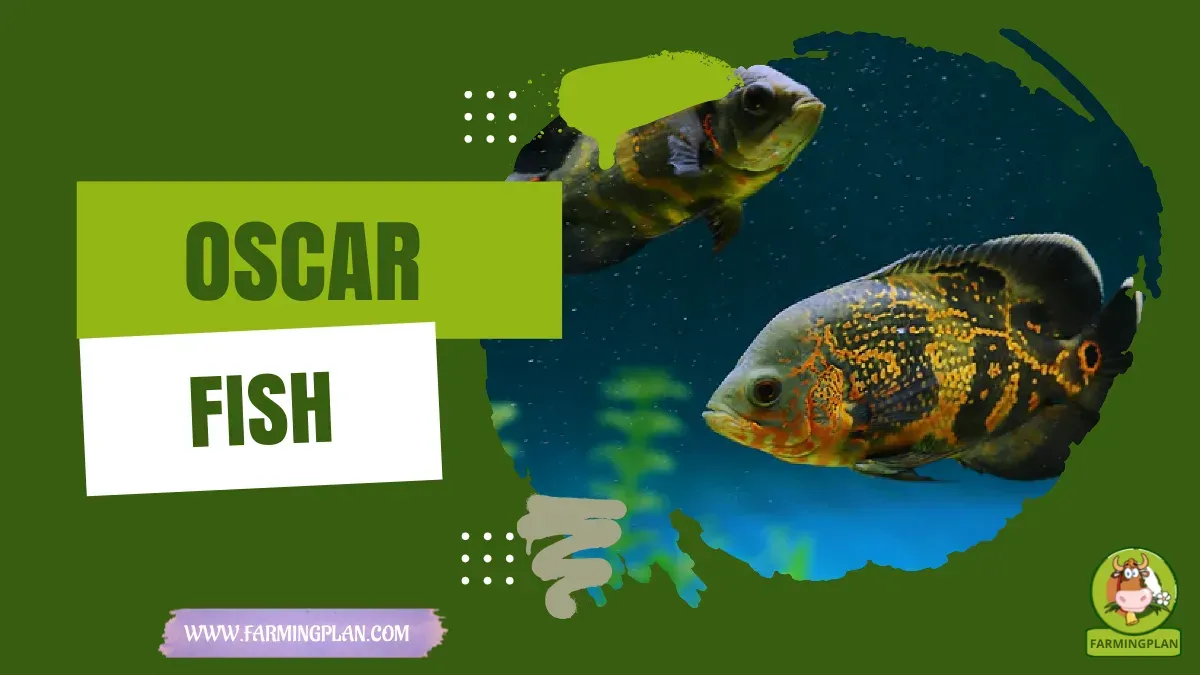
The classic Tiger Oscar displays a dark charcoal or olive base contrasted by vibrant, irregular orange and crimson vertical markings resembling tiger stripes. The Red Oscar variety exhibits solid, fiery scarlet flanks over a dark grey back and head. Albino and Lutino Oscars showcase white or cream bodies adorned with brilliant orange marbling and pink or orange eyes, creating stunning visual contrast in well-lit displays. Following biosecurity best practices reduces disease risk in any oscar fish care operation.
Selective breeders have also established long-finned or veil-tail variations, which feature elongated, flowing caudal and dorsal fins. Regardless of color morphology, all domestic Oscar varieties share identical water quality standards, high metabolic rates, and assertive behavioral characteristics. Seasonal adjustments to shelter and diet keep oscar fish care thriving year-round.
Cognitive Intelligence, Behavioral Traits & Tank Mates
The behavioral repertoire of Astronotus ocellatus is what truly elevates them above ordinary aquarium inhabitants. Oscars demonstrate high cognitive function, showing curiosity about room surroundings and learning feeding schedules within days of introduction. They readily recognize their specific keeper, swimming excitedly to the front glass, fluttering their pectoral fins, and accepting food morsels directly from fingers. Proper record-keeping makes breeding and culling decisions easier for oscar fish care keepers. Providing adequate space and ventilation prevents common stress issues in oscar fish care.
However, Oscars also possess strong interior design instincts. They will persistently excavate substrate, dig hollows near tank corners, move lightweight driftwood, and uproot live plants. Keepers should view this aquascaping behavior as natural behavioral expression rather than defiance. Provide smooth heavy rocks and anchored driftwood branches while avoiding fragile decorative items that could lead to physical injury. Understanding breed-specific traits helps maximize oscar fish care longevity and output.
Tank mate selection requires careful planning. While not inherently hyper-aggressive like certain Central American cichlids, Oscars will swallow any fish small enough to fit inside their mouths. Suitable companions for large aquariums of one hundred twenty-five gallons or more include robust armored plecostomus species, peaceful silver dollars, severums, large geophagus earth-eaters, and docile medium-sized cichlids like freshwater angelfish if given ample territory. Routine preventive care saves time and lowers veterinary costs for oscar fish care.
Housing, Space & Environmental Requirements
Providing sufficient physical volume is the most critical benchmark for long-term Oscar health. A juvenile three-inch Oscar might look small in a thirty-gallon tank, but their explosive growth will overwhelm such spaces within eight months. The absolute minimum tank volume for a single mature adult Oscar is seventy-five gallons (284 liters), featuring dimensions of at least forty-eight inches in length by eighteen inches in width. Housing a bonded pair or community requires one hundred twenty-five to one hundred fifty gallons. Matching forage or ration quality to life stage optimizes oscar fish care growth.
Filtration must be oversized to manage their biological impact. Oscars consume high-protein meals and produce large amounts of solid and dissolved nitrogenous waste. Multi-stage canister filters rated for twice the actual tank volume, delivering an hourly water turnover rate of eight to ten times, are standard practice. Keepers often pair heavy canister filters with internal sponge filters to maximize biological surface area and mechanical particle trapping. Gradual dietary transitions protect digestive stability in oscar fish care.
Maintain consistent water temperatures between 74°F and 81°F (23°C to 27°C) using durable titanium or shatterproof glass heaters equipped with protective plastic heater guards. Oscars can easily crack unprotected glass heater elements during sudden bursts of energy. Maintain pH between 6.5 and 7.5 and perform weekly thirty to fifty percent water changes to keep nitrate concentrations below twenty parts per million. Selecting healthy foundation stock is the cornerstone of successful oscar fish care management.
Nutritional Management & Feeding Protocols
In their natural South American habitats, Oscars are opportunistic omnivores that feed on insects, aquatic crustaceans, small mollusks, worms, fallen fruit, and small fish. Replicating this diverse nutritional balance in captivity is essential for maintaining vibrant coloration, preventing skeletal deformities, and sustaining long-term immune vigor. Good predator-proofing and dry bedding safeguard oscar fish care comfort in harsh weather.
The foundation of an adult Oscar diet should consist of premium, high-protein floating cichlid pellets or sticks formulated with whole krill, fish meal, spirulina, and balanced vitamin complexes. Floating pellets allow keepers to monitor food intake accurately and skim away uneaten remnants after five minutes, preventing organic decay on the aquarium substrate. Monitoring water quality and mineral balance directly benefits oscar fish care vitality.
Supplement dry pellets three to four times weekly with nutrient-dense fresh or frozen foods. Earthworms, nightcrawlers, blanched mealworms, crickets, gut-loaded dubia roaches, raw shelled shrimp, and freeze-dried krill are enthusiastically accepted. Avoid feeding cheap live feeder goldfish or rosy red minnows from retail pet shops, as these fish often harbor dangerous parasites, carry bacterial pathogens, and contain high levels of thiaminase, an enzyme that destroys vital vitamin B1. Practical hands-on husbandry ensures consistent results when raising oscar fish care.
Health, Disease Management & Biosecurity
While Oscars are hardy fish with strong constitutions, poor water hygiene rapidly leads to life-threatening ailments. The most prevalent health affliction in captive Oscars is Hole-in-the-Head (HITH) disease, also known as Head and Lateral Line Erosion (HLLE). HITH manifests as small, pitted sensory pore lesions across the snout, forehead, and lateral line, often linked to the protozoan parasite Hexamita, vitamin C and D deficiencies, and chronically elevated nitrate levels. Early intervention at the first sign of lethargy protects overall oscar fish care flock or herd health.
Treating HITH requires immediate water quality improvements, aggressive partial water changes, removing activated carbon from filters, and supplementing foods with garlic extract and liquid multivitamins. In advanced cases, administering metronidazole-medicated feeds effectively clears internal protozoan infections. Structured culling and biosecurity protocols strengthen oscar fish care genetic quality. Maintaining clean feeders and sanitized equipment supports sustainable oscar fish care care.
Another common concern is digestive bloat or constipation, typically caused by low-fiber diets or overfeeding dry pellets without prior soaking. Fasting the fish for forty-eight hours followed by feeding deshelled green peas restores smooth gut motility. Always quarantine newly introduced companion fish in an isolated tank for three weeks before introducing them to an established Oscar enclosure. Consistent daily observation helps keepers spot early changes in oscar fish care health and behavior.
Breeding, Pair Bonding & Fry Management
Breeding Oscars in captivity is an engaging experience that requires patience, spacious facilities, and careful environmental conditioning. Oscars are sexually monomorphic, meaning males and females display identical outward coloration, fin lengths, and body shapes. The only reliable methods to determine sex are observing the shape of their genital papillae during spawning or allowing a juvenile group of six specimens to form natural bonded pairs as they reach maturity. Clean housing, fresh water, and balanced nutrition remain essential for oscar fish care productivity.
Once a compatible pair forms, they establish a shared territory and begin courtship rituals. Courtship behaviors include flaring gill opercula, intense tail-slapping, lip-locking, and meticulously cleaning flat slate rocks or ceramic tiles using their mouths. During this phase, aggression between the pair can spike; providing visual barriers and sufficient swimming space prevents serious injuries. Tracking feed intake and body condition supports long-term oscar fish care performance.
The female deposits between one thousand and two thousand small opaque eggs onto the cleaned substrate, which the male promptly fertilizes. Both parents exhibit devoted brood care, taking turns fanning the clutch with pectoral fins and driving away potential threats. Eggs hatch within seventy-two hours, with fry becoming free-swimming after four to five days. Feed free-swimming fry freshly hatched baby brine shrimp, microworms, and micro-encapsulated liquid fry diets. Following biosecurity best practices reduces disease risk in any oscar fish care operation.
Financial Budgeting & Equipment Planning
Responsible Oscar stewardship begins with realistic financial planning. While juvenile specimens are inexpensive to purchase, the specialized equipment required to house an adult Oscar represents a substantial financial investment. Essential upfront hardware includes a seventy-five to one hundred fifty gallon glass or acrylic aquarium, a heavy-duty reinforced stand, an oversized canister filter, protected dual heating systems, and tight-fitting canopy lids. Seasonal adjustments to shelter and diet keep oscar fish care thriving year-round.
Recurring monthly operational expenses include high-protein cichlid pellets, frozen and live invertebrate supplements, water conditioning agents, replacement filter media, and utility electricity for continuous filtration and heating. Modeling these recurring costs guarantees that keepers can maintain stable, high-standard aquatic environments throughout the fish’s fifteen-year lifespan. Use our interactive planning calculator below to project hardware and maintenance costs. Proper record-keeping makes breeding and culling decisions easier for oscar fish care keepers.
🐟 Oscar Fish Tank & Feed Calculator
Calculate water volume, minimum filtration capacity, water changes, and daily feed amounts for your Oscar Fish.
Frequently Asked Questions
What is the minimum tank size for a single adult Oscar fish?
The absolute minimum recommended tank size for a single mature adult Oscar is 75 gallons (284 liters). While young juveniles can be started in smaller quarantine tanks, Oscars grow rapidly, reaching 10 to 12 inches within their first year, requiring significant swimming space and heavy water volume to dilute wastes.
How fast do Oscar fish grow?
Oscars are among the fastest growing freshwater cichlids in the hobby. When provided with clean warm water and a protein-rich diet, juvenile Oscars typically grow at a rate of approximately one inch per month during their first 8 to 10 months, reaching 10 to 12 inches before their second year.
Can you keep two Oscar fish together in the same aquarium?
Yes, but keeping two Oscars requires an aquarium of at least 125 to 150 gallons. Two random adult Oscars placed together may fight violently over territory unless they grew up together or formed a bonded breeding pair. Providing visual barriers and abundant swimming space is essential to prevent territorial aggression.
What causes Hole-in-the-Head disease in Oscars?
Hole-in-the-Head (HITH) disease is primarily caused by chronically poor water quality with high nitrate levels, nutritional vitamin deficiencies, and secondary infections from the flagellate parasite Hexamita. Maintaining nitrates below 20 ppm and providing vitamin-enriched foods prevents and reverses early lesions.
Why does my Oscar fish constantly rearrange the tank decor?
Rearranging decor, digging pits in gravel, and moving lightweight rocks is normal, healthy cichlid behavior. Oscars are intelligent territorial fish that actively modify their environment to establish nesting sites, survey surroundings, and mark territorial boundaries. Secure all heavy rocks to prevent glass breakage.
Strategic Takeaways & Long-Term Husbandry Benchmarks
Caring for Astronotus ocellatus is one of the most rewarding endeavors in freshwater fishkeeping. By honoring their evolutionary origins with spacious habitats, powerful filtration, balanced high-protein nutrition, and stimulating environments, aquarists enjoy charismatic companion animals that thrive for well over a decade. Providing adequate space and ventilation prevents common stress issues in oscar fish care.
Maintain consistent thermal conditions between 74°F and 81°F, perform disciplined weekly water changes to prevent nitrate accumulation, and offer a rotating diet of specialized cichlid pellets and clean invertebrate treats. Secure all heavy aquarium hardware to prevent accidents caused by their impressive strength and inquisitive nature. Understanding breed-specific traits helps maximize oscar fish care longevity and output.
By blending attentive aquatic husbandry with respect for their natural instincts, your Oscar fish will become a vibrant, responsive presence in your home or facility. For further guidance on maintaining hardy aquatic species, explore our in-depth guides on killifish breeding setups and specialized community management. Routine preventive care saves time and lowers veterinary costs for oscar fish care.
📚Agricultural Reference & Scientific Citations
Standards and physiological data referenced in this guide comply with USDA Animal and Plant Health Inspection Service (APHIS), American Veterinary Medical Association (AVMA), and the FAO Domestic Animal Diversity Information System.


