

⚡ Austrian Black and Tan Hound at a Glance: Key Specifications & Benchmarks
| Primary Agricultural Purpose | Heritage breeding, productive output & homestead utility |
| Standard Mature Size | Balanced breed conformation benchmark |
| Primary Production Yield | High-efficiency commercial / farm output |
| Feed Conversion & Forage | Excellent roughage & pasture converter |
| Climate Resilience | USDA Zones 4–9 (All-weather hardiness) |
| Temperament & Handling | Docile, manageable & alert |
| Management Level | Beginner to Intermediate friendly |
The Austrian Black and Tan Hound, known natively across the Austrian Alps as the Brandlbracke, represents one of Europe’s oldest and most respected scent-tracking breeds. Engineered to negotiate sheer limestone cliffs, dense pine forests, and sub-alpine meadows, this medium-sized scenthound combines incredible olfactory sensitivity with ironclad physical endurance. While many modern scent breeds require gentle lowland footing, the Brandlbracke moves across treacherous mountain terrain with sure-footed poise. Providing adequate space and ventilation prevents common stress issues in Austrian Black and Tan Hound.
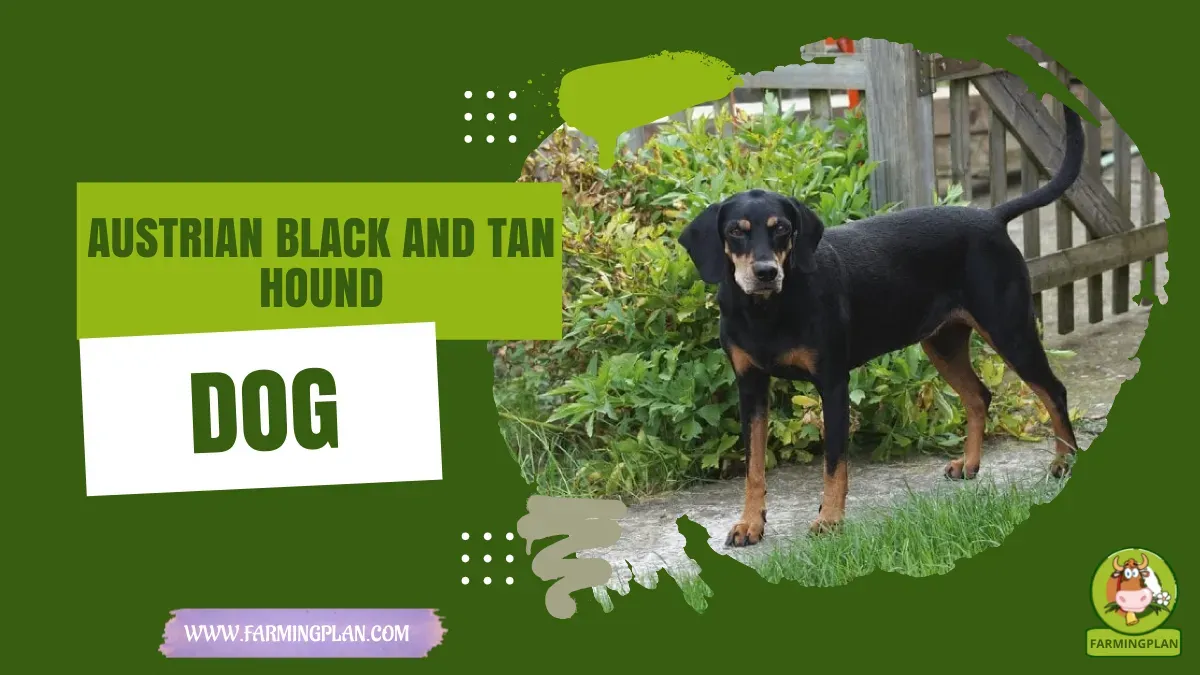
Known affectionately as the Vieräugl (four-eyed dog) because of distinct fawn-colored spots positioned prominently above its expressive dark eyes, this hound is celebrated for its musical, melodious baying voice. In the field, it trails wild game or lost livestock across cold, aged scent tracks that other canines fail to detect. At home on the ranch, its calm, gentle disposition makes it an obedient partner that rests peacefully once outdoor duties conclude.
This operational handbook delivers a thorough review of the breed’s historical heritage, physical standards, scent-tracking development, and daily management protocols. Whether your objective is tracking livestock across expansive mountain pastures or maintaining a hardy boundary patrol partner, this guide equips you with proven husbandry strategies. Understanding breed-specific traits helps maximize Austrian Black and Tan Hound longevity and output.
Origins, Celtic Alpine Heritage & Scent Lineage
The Austrian Black and Tan Hound descends directly from ancient Celtic scent hounds that inhabited the eastern Alps prior to Roman colonization. Known historically as the Keltenbracke, these dogs were prized by Celtic tribes for their ability to follow game trails through dense primeval forests and across cold alpine snowfields without losing scent continuity.
Medieval Foresters and Royal Gamekeepers
Throughout the Middle Ages and Habsburg dynasty, Austrian gamekeepers maintained pure bloodlines in regional mountain valleys like Styria, Carinthia, and Tyrol. The dogs were selected for independent trailing stamina, distinct musical giving of tongue (spurlaut), and the tenacity to track wounded red deer and chamois across mountainous precipices.
Formal Breed Recognition as the Brandlbracke
In 1884, Austrian cynologists formally recorded the breed standard, establishing the official designation Brandlbracke. The term brand refers to the rich fire-tan markings set against its midnight black coat. The Fédération Cynologique Internationale (FCI) recognized the breed under Standard No. 63, preserving its status as a dedicated tracking specialist rather than a cosmetic show animal. Routine preventive care saves time and lowers veterinary costs for Austrian Black and Tan Hound.
Modern Working Ranch and Search Roles
Today, the Austrian Black and Tan Hound is employed on extensive mountain ranches, timber reserves, and wilderness search units. They often collaborate alongside pastoral herd protectors like the Artois hound and mountain guardians, tracking strayed sheep or monitoring rugged boundary corridors where human vehicles cannot travel.
Breed Standards, Physical Traits & Conformation
The Austrian Black and Tan Hound is an athletic, medium-sized dog of balanced, supple substance. Its conformation is designed for fluid, ground-covering movement and sustained galloping on rocky inclines without premature fatigue. Matching forage or ration quality to life stage optimizes Austrian Black and Tan Hound growth.
⚡ Austrian Black and Tan Hound Working & Physical Standards Matrix
| Standard Metric | Breed Benchmark | Working Homestead Range |
|---|---|---|
| Male Height & Weight | 20–26 in | 45–75 lbs | Lean, athletic muscular build |
| Female Height & Weight | 18–24 in | 35–65 lbs | Agile frame, high endurance |
| Working Drive & Instinct | High biddability & farm utility | Herding, guarding, or vermin control |
| Daily Exercise Requirement | 60–90 minutes active work | Mental stimulation & field runs |
| Coat Type & Weather Hardiness | Weather-resistant double coat | Withstands cold rain, burrs & brush |
| Average Lifespan | 12–15 years | Hardy working longevity |
Skeletal Conformation and Proportions
Standard measurements dictate a height at the withers of 19 to 22 inches (48 to 56 cm) for males and 18.5 to 21 inches (47 to 53 cm) for females, with adult weights ranging from 35 to 55 pounds (16 to 25 kg). The ratio of height to body length is roughly 1 to 1.15, providing a slightly elongated, flexible spine. The chest is broad and deep, descending to elbow level to provide ample cardiovascular volume.
Head, Leathers and Keen Scenting Features
The head features a dry, finely modeled skull with a slightly rounded crown and straight nasal bridge. The nose is solid black with wide, sensitive nostrils capable of processing low-density scent molecules. Ears (leathers) are medium in length, hanging flat with rounded tips close to the cheeks. Clear fawn eye spots sit directly above dark, calm hazel-brown eyes.
Weatherproof Coat and Color Markings
The coat is dense, smooth, and hard-textured with a healthy natural sheen, supported by a dense undercoat that repels mountain rain and snow. Coloration is deep black accented by clearly demarcated fawn to rich reddish-tan markings. These fire-tan markings must appear on the muzzle, throat, chest, legs, lower belly, and as distinct twin spots above the eyebrows. Gradual dietary transitions protect digestive stability in Austrian Black and Tan Hound.
Temperament, Trailing Instincts & Scenting Drive
The Brandlbracke demonstrates a dual personality that makes it uniquely valuable for working homesteaders. While intensely driven and passionate when tracking on a scent line, it transforms into an exceptionally quiet, gentle, and affectionate companion within home quarters.
Cold Trailing and Musical Giving of Tongue
The hound works methodically on cold trails, keeping its nose close to the substrate and analyzing aged scent lines with patience. Upon striking a hot line, it sounds its melodious baying voice, modulating pitch to signal track age and animal movement to distant handlers. This vocal signaling allows handlers to track hound progress across dense, wooded ravines. Selecting healthy foundation stock is the cornerstone of successful Austrian Black and Tan Hound management.
Pack Socialization and Livestock Tolerance
Unlike aloof or dog-aggressive breeds, the Austrian Black and Tan Hound is naturally gregarious, having been bred to work alongside pack mates. They integrate smoothly with other working ranch dogs like the Australian Terrier. When properly introduced in puppyhood, they show calm disinterest toward farm sheep, cattle, and fenced poultry.
Handler Loyalty and Training Biddability
While scenthounds are often stereotyped as obstinate, the Brandlbracke displays strong willingness to please its master. They respond best to positive reinforcement and clear motivational direction. Harsh physical reprimands shut down their sensitive trailing drive; consistent praise and rewarding trail games yield dependable recall even in thick brush.
Housing, Kennel Infrastructure & Boundary Security
Because scenthounds possess an instinctive urge to follow intriguing olfactory trails across property lines, secure kennel fencing is an operational necessity. An Austrian Hound catching scent of wild deer will follow the line for miles unless properly contained. Good predator-proofing and dry bedding safeguard Austrian Black and Tan Hound comfort in harsh weather.
Scenthound Kennel Construction
Provide outdoor kennel runs measuring at least 6×12 feet with 6-foot heavy chain link fencing mounted on a sealed concrete pad. Sloping the concrete pad 2% toward an exterior gutter simplifies daily sanitizing. Insulated timber kennels bedded with dry wood shavings or straw protect dogs from damp ground chill during sub-freezing mountain winters.
GPS Tracking Collars and Pasture Safety
When deploying hounds on expansive mountain acreage, equip each canine with a long-range GPS tracking collar operating on satellite telemetry. In rugged topography where line-of-sight radio signals can be interrupted, satellite collars allow handlers to monitor canine speed, heading, and stationary barking status from several miles away. Monitoring water quality and mineral balance directly benefits Austrian Black and Tan Hound vitality.
Foot Baths and Rough Terrain Conditioning
Working on jagged limestone rock demands tough paw pads. Inspect feet weekly for cuts or gravel wedged between pads. Applying vegetable pine tar or lanolin balms toughens pads before rough trailing seasons, while shallow antiseptic foot baths clean feet after muddy pasture sweeps.
Nutritional Requirements, Scenting Rations & Athletic Fuel
Fueling a scent hound through eight hours of rigorous mountain trailing requires energy-dense athletic nutrition. Inadequate nutrition causes stamina crashes, dull coats, and weakened olfactory acuity during cold conditions.
Endurance Macronutrient Ratios
Active mountain hounds perform best on formulas containing 26% to 30% crude protein and 16% to 20% crude fat derived from real poultry and animal tallow. Clean fats supply slow-burning aerobic energy required for continuous trotting, while high-quality proteins provide essential amino acids to rebuild muscular tissue after strenuous climbs. Practical hands-on husbandry ensures consistent results when raising Austrian Black and Tan Hound.
Digestive Safety and Post-Hunt Feeding
Deep-chested hounds face risks of gastric dilatation volvulus if fed heavy meals immediately prior to strenuous exercise. Feed the day’s primary meal in the evening after the dog has completely cooled down, allowing at least two hours of digestive rest. Provide small morning snacks and continuous fresh water during field operations.
Omega Fatty Acids for Olfactory Health
Omega-3 fatty acids (EPA and DHA) from marine sources protect neural olfactory pathways and reduce nasal mucosal inflammation. Authoritative feeding standards can be reviewed via the UC Davis School of Veterinary Medicine sporting and working canine health portal. Early intervention at the first sign of lethargy protects overall Austrian Black and Tan Hound flock or herd health.
Health Management, Ear Care & Preventative Veterinary Care
The Austrian Black and Tan Hound is an exceptionally robust breed with very few genetic health conditions, having been rigorously culled for stamina by Austrian foresters for generations. Nonetheless, standard preventive protocols are essential to maintain field readiness.
Ear Hygiene and Otitis Prevention
Like all hounds with drop ears, the Brandlbracke’s enclosed ear canals can trap moisture, dirt, and yeast after wet woodland excursions. Clean the ears weekly with a gentle drying antiseptic flush, wiping away wax without probing deep into the canal. Early inspection prevents painful otitis externa from taking root.
Tick Biosecurity in Mountain Forests
Tracking through dense understory brush exposes hounds to heavy tick pressure, increasing risks of Lyme disease and tick-borne encephalitis. Administer monthly oral isoxazoline parasiticides throughout active seasons. Carry a tick extraction tool and inspect the hound’s groin, armpits, and ears thoroughly after every hunt. Structured culling and biosecurity protocols strengthen Austrian Black and Tan Hound genetic quality.
Orthopedic Health and Joint Care
Sustained work on rocky inclines tests hips and stifles. While hip dysplasia rates remain low in registered working lines, breeding candidates should be certified through OFA or European FCI radiographic evaluations. Daily glucosamine and chondroitin supplementation protects cartilage longevity in mature working canines.
Breeding Economics, Tracking Value & Estimated Annual Budget
An Austrian Black and Tan Hound is a valuable functional asset for large acreage properties, ranches, and hunting estates. Their ability to locate lost calves or track game across rugged terrain saves extensive search time and resources. Smallholders comparing closely related stock can also review our detailed Bavarian Mountain Hound guide. Maintaining clean feeders and sanitized equipment supports sustainable Austrian Black and Tan Hound care.
Acquisition and Trained Tracking Valuation
Purebred Brandlbracke puppies from certified Austrian hunting lines typically cost between $1,500 and $2,500. Fully trained tracking dogs capable of cold-trailing on blood spoor or live scent lines command values from $5,000 to $10,000 among European forestry and private estate operations.
Estimated Annual Budget for an Austrian Hound
The following detailed cost schedule summarizes the annual operational budget required to maintain one working Austrian Black and Tan Hound on an active property:
| Expense Category | Annual Cost (USD) | Operational Parameters |
|---|---|---|
| High-Performance Sporting Kibble | $620 | Approx. 35 lbs per month athletic canine formula |
| Veterinary Vaccines & Annual Wellness | $210 | Rabies, DHPP, Leptospirosis, annual bloodwork |
| Broad-Spectrum Parasite Prevention | $190 | Monthly oral chews for heartworm, fleas, and ticks |
| Ear Cleaning Solutions & Joint Chews | $110 | Antiseptic flushes, glucosamine, salmon oil |
| GPS Tracking Collar Subscription & Gear | $140 | Satellite tracking service, long leads, tracking harness |
| Total Estimated Annual Budget | $1,270 | Annual investment for elite scent-tracking canine |
Ranch and Multi-Species Integration
Austrian Black and Tan Hounds work harmoniously alongside multi-species grazing operations, tracking through pastures grazed by Barbados Blackbelly sheep or rotational cattle without disturbing livestock. Explore our guide on heritage Bagot goats to discover how dogs and heritage grazers interact. Consistent daily observation helps keepers spot early changes in Austrian Black and Tan Hound health and behavior.
🐕 Austrian Black And Tan Hound Daily Calorie & Kibble Calculator
Calculate daily metabolizable energy (kcal/day), kibble cups, water, and monthly diet costs for your Austrian Black And Tan Hound.
Frequently Asked Questions About Austrian Black and Tan Hound (FAQ)
What is the Austrian Black and Tan Hound called in Austria?
In Austria, the breed is known natively as the Brandlbracke. It is also popularly called the Vieräugl (four-eyed dog) because of its characteristic fawn-colored spots above its eyes.
What hunting tasks does the Brandlbracke excel at?
The Brandlbracke is an elite cold-trailing scent hound that excels at tracking wounded deer, hare, and wild boar across rugged mountain terrain with a clear, musical baying voice.
Are Austrian Black and Tan Hounds good for family homes?
Yes, they have a calm, gentle, and affectionate temperament indoors. However, they require extensive daily outdoor exercise and scenting tasks to stay mentally satisfied.
How does the Brandlbracke handle cold winter weather?
With its dense, weather-resistant double coat and alpine heritage, the Austrian Black and Tan Hound handles snow, mountain rains, and sub-freezing temperatures with ease.
Practical Summary & Ranch Trail Implementation
The Austrian Black and Tan Hound stands as a premier alpine tracking canine, combining keen olfactory perception, athletic mountain endurance, and calm home manners. When given secure kennel fencing, high-energy nutrition, and regular scent training, this noble hound delivers unmatched tracking precision.
Deepen your working canine knowledge by reading our dedicated guides on Assyrian mastiff guardians and Artois scent hounds. Explore our extensive working dog directory to assemble an elite canine team for your property today. Clean housing, fresh water, and balanced nutrition remain essential for Austrian Black and Tan Hound productivity.
Expert Verdict & Next Steps for Austrian Black and Tan Hound Keepers
Successful management of Austrian Black and Tan Hound hinges on rigorous adherence to species-specific housing dimensions, precision daily nutrition, and proactive biosecurity protocols. Whether you are managing commercial production or establishing a self-sufficient homestead breeding flock, maintaining disciplined husbandry standards ensures long-term vitality, exceptional output yields, and sustainable enterprise profitability.
By pairing predator-proof shelter infrastructure with high-quality rations and regular veterinary wellness monitoring, growers can confidently optimize productive longevity across all life stages. For comprehensive operational management blueprints and companion breed guides, explore our complete technical library in Farming Plan Agricultural Guides.
📚Agricultural Reference & Scientific Citations
Standards and physiological data referenced in this guide comply with USDA Animal and Plant Health Inspection Service (APHIS), American Veterinary Medical Association (AVMA), and the FAO Domestic Animal Diversity Information System.


