

⚡ Bavarian Mountain Hound at a Glance: Key Specifications & Benchmarks
| Scientific Classification | Canis lupus familiaris (Alpine Scenthound / Leash Tracker) |
| Native Origins & German Name | Bavarian Alps, Germany; known as Bayrischer Gebirgsschweisshund |
| Adult Body Mass & Height | Weight: 44 to 66 lbs (20 to 30 kg); Height: 17 to 20.5 in (44 to 52 cm) |
| Specialized Field Capability | Cold trail blood tracking (Schweisshund) across steep mountain terrain |
| Coat Texture & Colors | Dense, harsh, close-lying coat; deer red, tan, reddish-brown, dark brindle mask |
| Exercise & Work Demands | High (90+ minutes daily of active trail hiking or specialized nose-work tracking) |
| Temperament & Family Role | Calm, poised, gentle, deeply devoted to primary handler, reserved with strangers |
| Average Lifespan & Soundness | 11 to 14 years; exceptionally sound orthopedic conformation and stamina |
The Bavarian Mountain Hound (Bayrischer Gebirgsschweisshund) represents the pinnacle of Alpine scent tracking precision. Developed in southern Germany during the late nineteenth century, this agile, medium-sized scenthound specializes in following cold blood trails of cloven-hoofed game across challenging rocky precipices and thick mountain forests. Consistent daily observation helps keepers spot early changes in Bavarian Mountain Hound health and behavior.
Combining extraordinary olfactory acuity with steady patience and deep human attachment, the breed serves foresters, wildlife managers, and rural homesteaders as both an unmatched tracker and a calm, reliable working partner. This guide details their breeding history, scent tracking mechanics, daily conditioning, nutritional plans, and health protocols.
⚡ Bavarian Mountain Hound Working & Physical Standards Matrix
| Standard Metric | Breed Benchmark | Working Homestead Range |
|---|---|---|
| Male Height & Weight | 20–26 in | 45–75 lbs | Lean, athletic muscular build |
| Female Height & Weight | 18–24 in | 35–65 lbs | Agile frame, high endurance |
| Working Drive & Instinct | High biddability & farm utility | Herding, guarding, or vermin control |
| Daily Exercise Requirement | 60–90 minutes active work | Mental stimulation & field runs |
| Coat Type & Weather Hardiness | Weather-resistant double coat | Withstands cold rain, burrs & brush |
| Average Lifespan | 12–15 years | Hardy working longevity |
Breed History & Alpine Tracking Heritage
During the nineteenth century, changing hunting laws and firearm developments in Central Europe necessitated specialized tracking hounds. The traditional Hanoverian Scenthound excelled at tracking in flat lowland forests, but its heavy bone structure hindered mobility across the steep, loose scree and rocky ravines of the high Bavarian Alps.
In the 1870s, Baron Karg-Bebenburg of Reichenhall crossed Hanoverian hounds with nimble red mountain hounds (Tiroler Bracke and Alpine Dachsbracke). The resulting progeny possessed a lighter, more agile frame while retaining elite olfactory capabilities. The Bavarian Mountain Hound Club was formally established in Munich in 1912, setting stringent field performance testing standards that preserve the breed’s working excellence today.
Physical Conformation & Scenthound Morphology
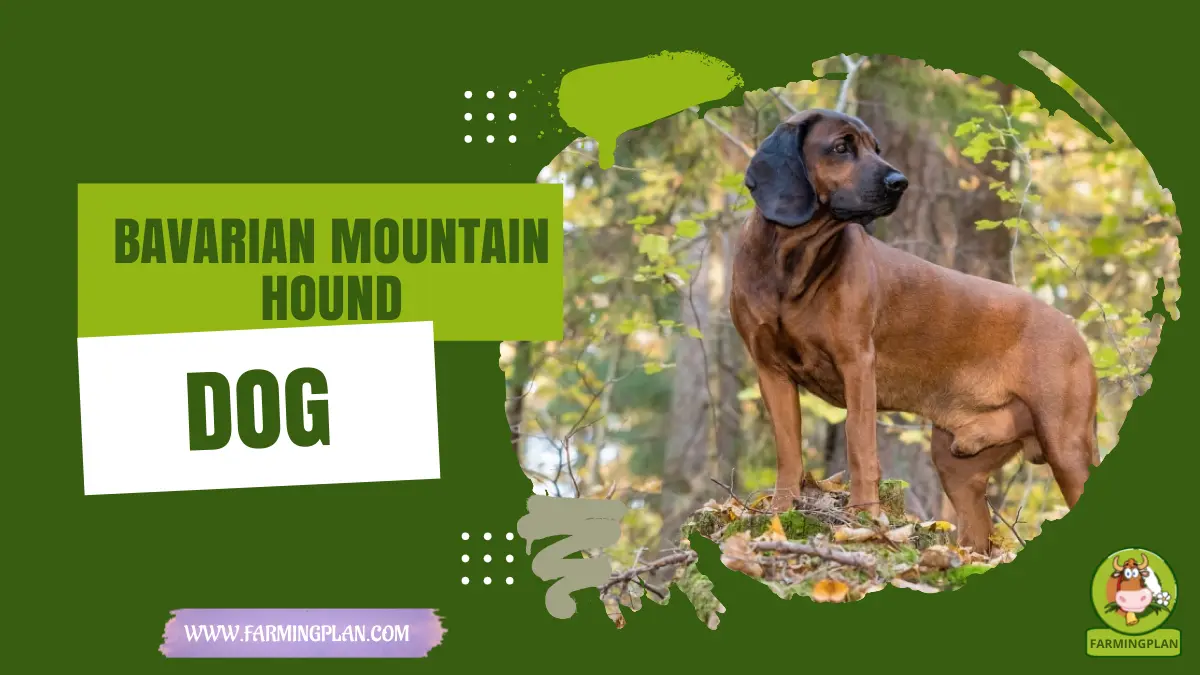
The Bavarian Mountain Hound is a harmoniously proportioned, athletic dog built for endurance and mountain climbing. Males stand between 18.5 and 20.5 inches at the withers, weighing 44 to 66 pounds, while females measure 17.3 to 18.9 inches and weigh slightly less.
The chest is broad and deep, housing expansive lungs designed for sustained aerobic output in thin mountain air. The back is strong and slightly elongated, supported by muscular loins and powerful hindquarters. Broad, pendulous ears hang smoothly against the cheeks without twisting, helping funnel ground scent particles toward the nostrils. Clean housing, fresh water, and balanced nutrition remain essential for Bavarian Mountain Hound productivity.
The coat is dense, harsh, and close-fitting, offering effective resistance against damp underbrush and sharp briars. Coloration ranges from deep deer red, ochre yellow, and reddish brown to dark brindle, typically accented with a dark facial mask.
Olfactory Excellence & The Cold Trail
What distinguishes the Bavarian Mountain Hound from standard hunting hounds is its mastery of the cold trail (kalter Schweiss). While sight hounds chase moving visual targets and bird dogs hunt airborne scent cones, this hound tracks microscopic ground scent particles left behind hours or even days prior.
Working on a specialized 30-foot tracking leash (Schweissriemen), the dog moves methodically with its head low, disregarding fresh scent cross-trails from healthy game. Upon locating quarry, it announces the position with rhythmic, deep baying (Standlaut) to guide the handler safely through dense terrain.
Professional gamekeepers outfit the hound in a wide, non-constricting tracking collar or ergonomic chest harness lined with soft elk leather. This gear allows unrestricted air intake while maintaining steady tension along the biothane line. Handlers learn to interpret subtle changes in tail movement, body posture, and breathing cadence, reading when the dog hits an older scent pocket versus fresh ground blood.
Temperament, Handler Devotion & Home Demeanor
In domestic settings, the Bavarian Mountain Hound is calm, quiet, and deeply affectionate. Unlike high-strung working canines that pace incessantly, this hound relaxes peacefully indoors once its daily exercise needs have been satisfied. They form an intense bond with their primary handler, often following them faithfully from room to room. Tracking feed intake and body condition supports long-term Bavarian Mountain Hound performance.
They are gentle and tolerant with children and cohabit peacefully with other dogs when raised alongside them. However, their potent hunting instincts demand supervision around backyard poultry and small livestock. Explore foundational management techniques within our farm working dog guide library to structure off-lead boundary routines.
Training Methodology & Scent Work Foundations
Bavarian Mountain Hounds possess a sensitive, intelligent disposition. Harsh punitive measures undermine their confidence and create stubborn resistance. Successful training relies on patience, consistent communication, and positive reinforcement that rewards cooperation.
Introduce scent training as early as 10 to 12 weeks of age using diluted meat broth or deer blood drops on short pasture tracks. Gradually increase trail length, age (from 2 hours up to 24+ hours), and introduce natural obstacles like streams and fallen logs. Compare trailing conditioning methods with the basset hound tracking guide to appreciate differences in tracking speed and terrain navigation.
Daily Exercise Demands & Farm Conditioning
These dogs require significant daily physical conditioning. Routine short neighborhood walks do not satisfy their biological needs. Plan for at least 90 minutes of active physical exercise daily, such as hiking steep trails, cross-country jogging, or structured nose-work games.
On rural properties, they make vigilant perimeter patrol partners. Property fences should be at least five feet tall and secure at the ground line, as a hound focused on a fresh deer scent can wander over great distances if unrestrained. Following biosecurity best practices reduces disease risk in any Bavarian Mountain Hound operation.
Incorporate conditioning routines that alternate between aerobic hillside hiking and slow, focused nose work sessions. Scent work demands extraordinary cognitive concentration, burning nervous energy far more efficiently than physical galloping alone. Providing mental tracking challenges twice weekly keeps working hounds calm and settled inside the homestead.
Nutritional Formulation & Working Calorie Management
Nutritional needs vary significantly depending on working intensity. During active tracking seasons, feeding an energy-dense diet containing 26% to 28% crude protein and 16% to 18% crude fat from quality animal sources ensures sustained stamina.
Incorporate omega-3 fatty acids and joint support supplements (glucosamine and chondroitin) to support cartilage health under rigorous mountain conditions. During rest periods, reduce daily portions to prevent weight gain, which places unnecessary strain on joints and reduces tracking endurance.
Hydration management is equally vital during arduous mountain expeditions. Working hounds lose substantial fluids through active panting over multi-hour tracking operations. Handlers should carry fresh water infused with canine electrolytes, offering small, frequent drinks at rest stops to maintain cellular hydration without causing gastric distress.
Grooming & Field Maintenance
The short, dense coat requires straightforward maintenance. A weekly brushing with a rubber curry brush or stiff bristle brush removes dirt, shed hairs, and briars while keeping the coat clean and glossy. Seasonal adjustments to shelter and diet keep Bavarian Mountain Hound thriving year-round.
After tracking through dense forest, inspect the ears for moisture and debris, cleaning them gently with a veterinary ear wash. Check the tough paw pads for thorns or cuts, and examine the belly and groin for attached ticks.
Health Soundness & Orthopedic Longevity
Thanks to rigorous performance-based breeding criteria overseen by German breed clubs, the Bavarian Mountain Hound is an exceptionally robust dog with an average life expectancy of 11 to 14 years. Inherited defects are relatively rare in registered working stock.
Prospective breeders should evaluate stock for hip dysplasia (OFA/FCI ratings) and elbow health. Compare structural endurance and field soundness with other proven tracking breeds like the american leopard hound.
Veterinary Biosecurity & Wildlife Pathogen Defense
Working in dense wildlife habitats exposes hounds to tick-borne illnesses including Lyme disease and anaplasmosis. Maintain monthly veterinary flea and tick preventatives year-round.
Vaccination against leptospirosis is an essential priority for hounds that drink from woodland puddles and streams frequented by deer and rodents. For up-to-date disease surveillance protocols, consult resources from the USDA Animal and Plant Health Inspection Service. Proper record-keeping makes breeding and culling decisions easier for Bavarian Mountain Hound keepers.
Winter Protection & Mountain Weather Resilience
The breed is built to handle damp chills and sub-freezing Alpine winters. When kennelled outdoors, provide an insulated shelter bedded with dry straw and positioned away from prevailing winds.
During warm summer tracking exercises, remember that sustained scenting generates substantial body heat. Provide ample fresh water, schedule tracking runs during the cooler morning hours, and monitor your dog closely to avoid heat distress.
Lifecycle Nutrition & Scent Tracking Matrix
The matrix below summarizes nutritional benchmarks, developmental milestones, and tracking progressions across all life stages of the Bavarian Mountain Hound:
⚡ Bavarian Mountain Hound Lifecycle & Tracking Matrix
| Life Cycle Stage | Age Range | Daily Caloric Intake | Protein / Fat (%) | Scent Training & Exercise Focus |
|---|---|---|---|---|
| Puppy Foundations | 2 to 6 Months | 900 – 1,200 kcal | 27% / 16% | Short scent trails, treat trails, positive leash manners |
| Junior Apprentice | 7 to 18 Months | 1,400 – 1,800 kcal | 26% / 15% | Aged tracks (4-8 hours), hill climbs, distance tracking on long lead |
| Working Scenthound | 2 to 8 Years | 1,800 – 2,500 kcal | 28% / 18% | Full cold blood trailing (12-24+ hours), rugged mountain tracking |
| Maintenance Phase | Adult Rest | 1,500 – 1,900 kcal | 24% / 14% | Daily 5-mile hikes, interactive scent games, obedience drills |
| Veteran Tracker | 9+ Years | 1,200 – 1,500 kcal | 22% / 12% | Gentle nature walks, light nose work, joint supplements and warm bedding |
Economic Considerations & Equipment Investments
Acquiring a purebred Bavarian Mountain Hound puppy from tested European working lines costs between $1,500 and $3,000. Some European clubs restrict puppy placements exclusively to licensed hunters and forestry personnel to safeguard the breed’s working heritage.
Equipment needs include a durable 30-foot biothane or leather tracking line, an ergonomic tracking harness (Schweissgeschirr), a GPS tracking collar, and a sturdy vehicle transport crate for field deployments. Providing adequate space and ventilation prevents common stress issues in Bavarian Mountain Hound.
Rural Homestead Integration & Working Synergy
On rural homesteads, the Bavarian Mountain Hound excels as both an alert perimeter watchdog and an exceptional companion. They pair effectively with guardian breeds like the rottweiler guardian working dog, handling scent perimeter alerts while guardians provide close-quarters defense.
Establish clear daily routines from day one: physical exercise, mentally stimulating scent tracking drills, and calm indoor family time. Meeting their natural working drive produces an affectionate, dependable companion for life.
⚡ Estimated Annual Budget & Maintenance Costs (USD)
| Expense Category | Annual Cost Range (USD) | Operational Management Notes |
|---|---|---|
| Premium High-Protein Working Diet | 0 – 0 | High-fat, meat-first working kibble/raw |
| Veterinary Wellness & Vaccinations | 0 – 0 | Rabies, DHPP, Lyme, annual heartworm check |
| Flea, Tick & Heartworm Prevention | 0 – 0 | Monthly chewables for active outdoor working dogs |
| Grooming, Coat & Paw Care | – 0 | Undercoat rakes, paw balm, nail grinders |
| Working Gear, Collars & GPS Trackers | – 0 | High-visibility tracking collar, durable bed |
| Total Estimated Annual Operating Cost | 0 – $1,710 | Annual investment for a working farm guardian/herder |
🐕 Bavarian Mountain Hound Daily Calorie & Kibble Calculator
Calculate daily metabolizable energy (kcal/day), kibble cups, water, and monthly diet costs for your Bavarian Mountain Hound.
Frequently Asked Questions
What was the Bavarian Mountain Hound bred to do?
The Bavarian Mountain Hound was developed in nineteenth-century Germany specifically for cold-trail scent tracking of wounded cloven-hoofed game across steep, rocky Alpine terrain, following blood tracks that are many hours or days old.
How much daily exercise does a Bavarian Mountain Hound require?
These athletic working hounds require at least 90 minutes of vigorous daily exercise, ideally combining long-distance trail walks or hikes with structured nose-work games to fulfill their tracking instincts.
Are Bavarian Mountain Hounds suitable for families with children?
When properly socialized, Bavarian Mountain Hounds are calm, gentle, and deeply devoted to their family circle, displaying affection and patience with children in the household.
Can a Bavarian Mountain Hound thrive in a suburban home?
While adaptable to suburban life if their high physical and scent-tracking needs are met daily, they thrive far better on rural acreages, farms, or hunting estates with ample open space to explore.
Expert Verdict & Next Steps
The Bavarian Mountain Hound stands as an extraordinary scent-tracking canine combining elite tracking abilities, mountain endurance, and calm home loyalty. For dedicated handlers and rural homesteaders willing to invest in structured scent training, the breed offers a truly unparalleled working partnership.
Begin by securing proper long-line tracking equipment, planning diverse hiking routes, and connecting with certified working clubs to nurture your hound’s natural tracking talents.
📚Agricultural Reference & Scientific Citations
Standards and physiological data referenced in this guide comply with USDA Animal and Plant Health Inspection Service (APHIS), American Veterinary Medical Association (AVMA), and the FAO Domestic Animal Diversity Information System.


