

⚡ Turkish Angora Cat at a Glance: Key Specifications & Benchmarks
| Scientific Classification | Felis catus (Ancient natural landrace of central Anatolia) |
| Breed Origin & Conservation | Ankara region, Turkey (Preserved by Atatürk Forest Zoo preservation program) |
| Adult Body Weight | Males: 8 to 11 lbs (3.6 to 5.0 kg); Females: 5 to 8 lbs (2.3 to 3.6 kg) |
| Coat Architecture | Semi-long, fine, shimmering single coat with minimal seasonal undercoat |
| Eye Color Variations | Amber, green, brilliant blue, or odd-eyed (heterochromia iridis) |
| Temperament & Drive | Inquisitive, dominant, athletic, problem-solving, and water-fascinated |
| Average Lifespan | 13 to 18 years under rigorous veterinary preventative care |
| Homestead Utility | Tenacious pursuit of rodents, flying insects, and small homestead pests |
The Turkish Angora stands as one of the ancient aristocrats of the domestic feline world. Originating in the mountainous high plateau of central Anatolia (modern Ankara, Turkey), this natural landrace developed a fine, luminous semi-long coat to withstand harsh winters and scorching summers. In Turkey, the pure white, odd-eyed specimens are revered as national living treasures. Following biosecurity best practices reduces disease risk in any Turkish Angora Cat operation.
Homesteaders and companion keepers who value grace combined with fearless rodent hunting will find the Turkish Angora remarkably capable. For rural property owners exploring our feline breed and homestead cat care guides, this agile hunter delivers exceptional mousing efficiency without the heavy matting burdens seen in thick-coated breeds. Seasonal adjustments to shelter and diet keep Turkish Angora Cat thriving year-round.
Unlike Persians that trace some ancestry back to Angora crosses, the authentic Turkish Angora retains an athletic, slender bone structure. They are extraordinarily light on their feet, possessing muscular hindquarters that propel them effortlessly atop high kitchen cabinetry, open barn beams, and exterior doorways. Proper record-keeping makes breeding and culling decisions easier for Turkish Angora Cat keepers.
While historically associated with shimmering solid white coats, the modern Turkish Angora thrives in diverse coat patterns, including vibrant reds, rich tortoiseshells, and bold tabbies. Their lively personality, intelligence, and fascination with water make them endlessly entertaining members of rural households. Providing adequate space and ventilation prevents common stress issues in Turkish Angora Cat.
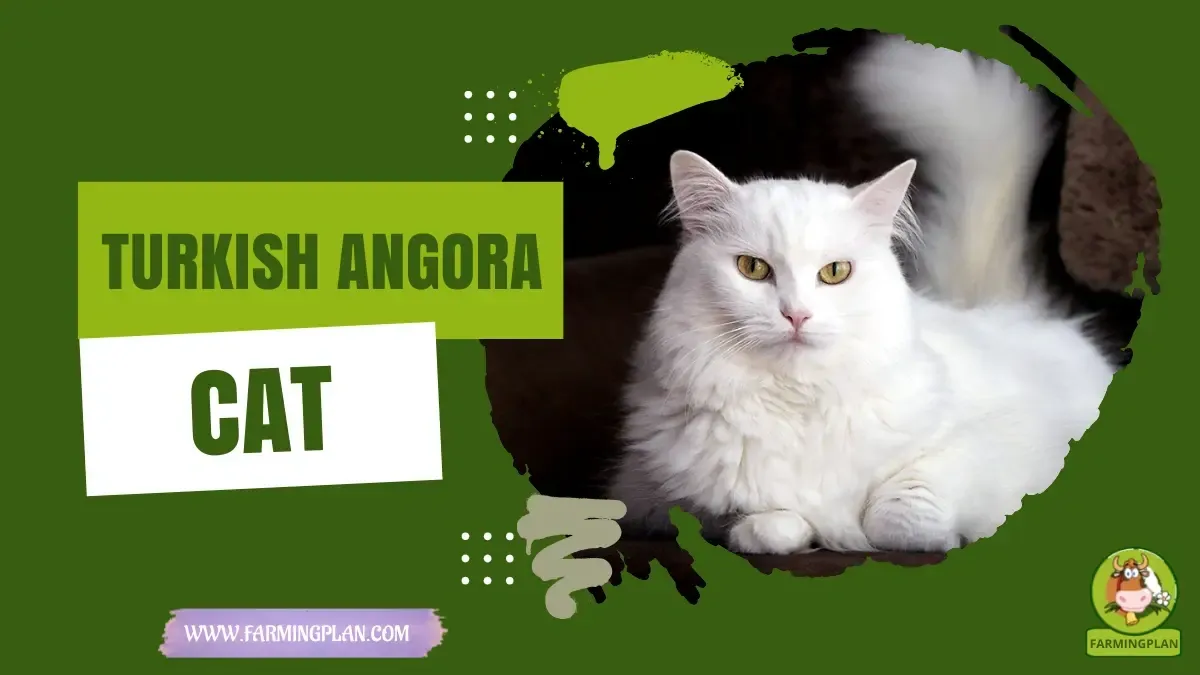
Physical Characteristics & Breed Standards
The Turkish Angora presents an impression of delicate grace, but handling reveals dense, wiry sinew and athletic power. The torso is long, slender, and lithe, with the rib cage carried cleanly above slim, muscular legs. The hind legs stand slightly taller than the forelegs, creating a gentle forward stance built for rapid propulsion. Understanding breed-specific traits helps maximize Turkish Angora Cat longevity and output.
Coat Texture & Cranial Architecture
The coat is single-layered, lacking a dense underwool layer. Individual hair shafts possess a distinctive shimmering translucence that reflects natural sunlight, creating a luminous glow across the body. The tail is long and tapers gracefully into a sweeping, luxuriant feather plume carried proudly perpendicular to the spine during movement. Routine preventive care saves time and lowers veterinary costs for Turkish Angora Cat.
The head forms a small to medium modified wedge with straight planes. The ears are large, pointed, and set high on the skull, furnished with delicate interior ear tufts. Large, almond-shaped eyes slant slightly upward and may present in radiant amber, emerald green, sky blue, or complete heterochromia (one blue, one green/amber). Matching forage or ration quality to life stage optimizes Turkish Angora Cat growth.
⚡ Turkish Angora Cat Performance & Production Matrix
| Color Variety | Coat Characteristics | Grooming Routine | Hunting & Activity Level |
|---|---|---|---|
| Solid White (Odd-Eyed) | Luminous white single coat; prone to sensorineural deafness | Twice weekly comb; sun protection | Alert sight hunter; sensitive to sound cues |
| Red / Cameo Tabby | Rich warm apricot hues; robust melanin expression | Weekly pin brush; minimal matting | Relentless rodent stalker in home & outbuildings |
| Black Smoke / Silver | Silvery roots shading to dark tips; weather-resilient | Weekly comb; low shed index | Stealthy night hunter with high vertical leaping |
| Calico & Tortoiseshell | Patchwork tri-color; silky soft texture | Weekly combing; self-grooming | Dominant, highly active problem solver |
Breed History, Heritage & North American Development
Documented in historic records dating back to the 15th century, the Angora was among the earliest longhaired felines imported into Western Europe from the Ottoman Empire. French and British nobles prized them as luxury pets. However, indiscriminate 19th-century crossbreeding with heavy-boned Persian cats nearly extinguished the authentic, lithe Angora breed outside Turkey.
Recognizing the decline of their national feline heritage, the Turkish government established a focused preservation sanctuary at the Atatürk Forest Zoo in Ankara during the early 20th century. Dedicated staff maintained pedigree lineages, focusing on preserving the classic odd-eyed white conformation. Gradual dietary transitions protect digestive stability in Turkish Angora Cat.
In 1962, American military personnel stationed in Turkey obtained a registered pair of zoo-bred Angoras, importing them to North America. The Cat Fanciers Association granted formal championship recognition to the solid white variety in 1973, subsequently accepting colored varieties in 1978. Selecting healthy foundation stock is the cornerstone of successful Turkish Angora Cat management.
Today, North American breeders maintain close genetic ties with verified lines to preserve genetic diversity. Homesteaders value this ancient heritage, noting that the breed retains fierce natural instincts developed across centuries of semi-wild existence in Anatolian villages. Good predator-proofing and dry bedding safeguard Turkish Angora Cat comfort in harsh weather.
Housing, Living Environment & Climate Hardiness
While the Turkish Angora developed in regions experiencing harsh mountain weather, their lack of a thick downy undercoat means they should not be treated as unprotected barn cats during freezing northern winters. They flourish in temperature-moderated homesteads where their social nature integrates with the household routine. Monitoring water quality and mineral balance directly benefits Turkish Angora Cat vitality.
Vertical Elevation & Interactive Enrichment
Turkish Angoras demand vertical living spaces. They possess an instinctive drive to oversee their territory from the highest available vantage point. Provide tall, heavy-based cat posts, sturdy ceiling-height shelving, and cleared surfaces atop wardrobes. A grounded Angora quickly becomes frustrated and may channel unspent energy into opening cabinet doors. Practical hands-on husbandry ensures consistent results when raising Turkish Angora Cat.
Many Turkish Angoras retain a deep curiosity regarding running water, often batting at dripping faucets or wading into shallow sinks. Ensure livestock troughs and open water tanks around farmyards are securely covered, as an adventurous feline can easily fall into steep-sided barrels. Early intervention at the first sign of lethargy protects overall Turkish Angora Cat flock or herd health.
Outdoor access should remain strictly restricted to enclosed predator-proof catios. Their fearless nature and bold curiosity lead them directly toward machinery, barn machinery belts, and roaming predators if allowed to wander unsupervised around active farmyards.
Nutritional Requirements, Daily Rations & Feeding Protocols
Maintaining the muscular definition and glossy single coat of the Turkish Angora requires an animal-protein-dense feeding regimen. Because they maintain high metabolic burn rates, their nutritional formulation must emphasize bioavailable poultry, rabbit, or fish proteins. Structured culling and biosecurity protocols strengthen Turkish Angora Cat genetic quality.
Protein Density & Fatty Acid Profiles
Provide adult Angoras with a diet supplying 40% to 45% crude protein on a dry matter basis. Essential fatty acids, specifically Omega-3 (EPA and DHA) and Omega-6, support hair follicle strength and promote luminous coat reflection. For specialized feline feeding insights, reference our carnivore nutrition and diet formulation guide. Maintaining clean feeders and sanitized equipment supports sustainable Turkish Angora Cat care.
Caloric delivery should range between 190 and 250 kcal daily for active adults. Turkish Angoras rarely develop indolent obesity if given room to climb and sprint, but free-feeding cheap, grain-heavy kibbles can lead to unwanted intestinal inflammation and loose stools. Consistent daily observation helps keepers spot early changes in Turkish Angora Cat health and behavior.
Integrate wet food daily to ensure adequate urinary tract flushing. Felines evolved from desert-dwelling ancestors who derived moisture from consumed prey, making supplementary dietary hydration vital for preventing bladder stone formation. Clean housing, fresh water, and balanced nutrition remain essential for Turkish Angora Cat productivity.
Health Management, Common Conditions & Biosecurity Standards
The Turkish Angora is an inherently robust landrace breed, but specific genetic vulnerabilities require thoughtful screening and routine veterinary oversight on modern farmsteads. Tracking feed intake and body condition supports long-term Turkish Angora Cat performance.
Congenital Deafness & Hereditary Ataxia
Sensorineural deafness occurs with notable frequency in solid white Turkish Angoras with blue eyes, stemming from suppression of melanocytes within the inner ear’s stria vascularis during embryonic development. Responsible breeders conduct Brainstem Auditory Evoked Response (BAER) testing on all white kittens before sale. Deaf cats can thrive indoors but must never roam outside where they cannot hear oncoming vehicles or predators. Following biosecurity best practices reduces disease risk in any Turkish Angora Cat operation.
A rare, fatal neurodegenerative condition known as Turkish Angora Ataxia affects certain bloodlines during early kittenhood. Rigorous pedigree tracking and selective culling have sharply curtailed this defect. Consult clinical recommendations via the American Veterinary Medical Association (AVMA) Feline Health Standards for preventive wellness and immunization protocols. Seasonal adjustments to shelter and diet keep Turkish Angora Cat thriving year-round.
Hypertrophic Cardiomyopathy (HCM) can occasionally manifest in adult cats. Routine cardiopulmonary auscultation during annual physical checkups allows early identification of heart murmurs before cardiac decompensation occurs.
Breeding Management, Reproduction & Kitten Development
Turkish Angora queens are attentive, capable mothers who demonstrate strong maternal protective instincts. Queens typically experience seasonal estrus cycles beginning in early spring. Delay maiden matings until queens reach 12 to 14 months of age to ensure full pelvic skeletal maturity. Proper record-keeping makes breeding and culling decisions easier for Turkish Angora Cat keepers.
Litter Sizing & Early Handling Protocols
Gestation averages 64 to 67 days, resulting in typical litters of 3 to 5 active kittens. Provide a quiet birthing box lined with clean fleece blankets in an isolated, draft-free room. Neonatal kittens open their eyes between 7 and 12 days; all kittens are born with soft blue eyes that gradually transition to adult pigments over 10 to 14 weeks. Providing adequate space and ventilation prevents common stress issues in Turkish Angora Cat.
Early human socialization is critical for this intelligent breed. Expose developing kittens to household noises, gentle grooming brushes, and varied handling by 4 weeks of age. For comparative reproductive and kitten rearing guidelines, consult our Birman cat breeding and pedigree care guide. Understanding breed-specific traits helps maximize Turkish Angora Cat longevity and output.
Wean kittens onto high-protein growth wet rations around 5 weeks. Retain offspring in the nursery environment until 12 to 16 weeks to ensure robust immune competence and behavioral equilibrium before rehoming. Routine preventive care saves time and lowers veterinary costs for Turkish Angora Cat.
US Ownership Budget & Annual Maintenance Costs
Acquiring and caring for a pedigree Turkish Angora requires budgeting for quality kitten purchase fees, veterinary diagnostics such as BAER and HCM testing, premium carnivore feeding, and home enrichment. The breakdown below details typical ownership expenditures. Matching forage or ration quality to life stage optimizes Turkish Angora Cat growth.
⚡ Estimated Annual Budget & Maintenance Costs (USD)
| Expense Category | Estimated Annual Cost Range (USD) | Cost Management Strategy |
|---|---|---|
| Kitten Purchase / Foundation Stock | $1,000.00 – $2,200.00 (One-time) | Source from reputable CFA/TICA catteries with documented BAER testing |
| High-Protein Wet & Dry Rations | $400.00 – $650.00 annual | Buy commercial cases directly from agricultural supply wholesalers |
| Veterinary Exams & Preventatives | $250.00 – $480.00 annual | Maintain scheduled core vaccinations and regular heartworm/flea prevention |
| Climbing Furniture & Catio Run | $150.00 – $350.00 annual | Construct sturdy timber climbing shelves utilizing on-farm wood scrap |
| Grooming Supplies & Miscellaneous | $80.00 – $160.00 annual | Single coat requires only a fine metal comb and stainless nail trimmers |
🐈 Turkish Angora Cat Daily Nutrition & Care Calculator
Calculate daily metabolizable calories (kcal), dry/wet food portions, clean water intake (fl oz), litter box minimums, and monthly care cost for your Turkish Angora Cat.
Frequently Asked Questions (FAQ)
Are all white Turkish Angora cats deaf?
No, not all white Turkish Angora cats are deaf. While congenital sensorineural deafness is genetically linked to the dominant white gene and blue eye color, many white specimens have normal hearing. BAER acoustic testing reliably verifies bilateral hearing in kittens.
Does the Turkish Angora cat shed heavily?
Turkish Angoras shed moderately during spring and autumn coat transitions. However, because they lack a dense, downy undercoat, they shed substantially less than Persian or Maine Coon cats, and their fine silky fur rarely tangles into painful mats.
Do Turkish Angoras enjoy swimming and playing in water?
Many Turkish Angoras display an unusual fascination with water. They often dip their paws into water bowls, accompany caretakers into bathrooms, and may even paddle in shallow sinks or bathtubs, reflecting adaptations from their Anatolian lake-basin ancestry.
How do Turkish Angoras behave with dogs and farm animals?
Turkish Angoras are assertive, confident felines who typically stand their ground with well-mannered farm dogs. They establish clear boundaries quickly and prefer to view larger livestock from safe, elevated perches such as fences or barn beams.
What is the typical lifespan of a Turkish Angora?
When provided with dedicated veterinary care, a biologically appropriate carnivore diet, and protected indoor housing, the Turkish Angora routinely lives 13 to 18 years, with several documented individuals living past their 20th birthday.
Expert Verdict & Next Steps
The Turkish Angora remains an unmatched example of historic natural feline breeding. Combining aristocratic beauty with rugged athletic agility and sharp predatory reflexes, they make extraordinary companions for attentive homesteaders who appreciate active, highly intelligent animals. Gradual dietary transitions protect digestive stability in Turkish Angora Cat.
Prospective owners should partner with ethical preservationist breeders who prioritize BAER hearing verification and cardiac health screens. Supply ample vertical climbing infrastructure and quality animal protein to keep this historic breed thriving. For additional feline breed profiles, explore our comprehensive guide on forest and working homestead cats.
📚Agricultural Reference & Scientific Citations
Standards and physiological data referenced in this guide comply with USDA Animal and Plant Health Inspection Service (APHIS), American Veterinary Medical Association (AVMA), and the FAO Domestic Animal Diversity Information System.


