

⚡ Siberian Cat at a Glance: Key Specifications & Benchmarks
| Scientific Classification | Felis catus (Ancient natural forest landrace of Russia) |
| Breed Origin & Heritage | Siberian taiga, Russia (Centuries of natural selection as grain mouser) |
| Adult Body Weight | Males: 12 to 20+ lbs (5.4 to 9.1+ kg); Females: 8 to 15 lbs (3.6 to 6.8 kg) |
| Coat Architecture | Dense, triple-layered, water-repellent coat with full ruff and britches |
| Allergen Profile | Scientifically documented lower levels of salivary Fel d 1 protein |
| Working Temperament | Fearless, calm, dog-like loyalty, highly intelligent, and water-tolerant |
| Average Lifespan | 12 to 18 years under attentive veterinary care and balanced nutrition |
| Homestead Vermin Aptitude | Formidable, apex hunter of rats, mice, voles, and farmyard pests |
The Siberian cat represents one of nature’s masterworks in natural feline engineering. For centuries, this ancient forest landrace roamed the sub-arctic expanse of the Siberian taiga and Russian agrarian villages, guarding grain storage bins and rural homesteads against relentless rodent infestations under some of the most unforgiving climatic conditions on Earth. Structured culling and biosecurity protocols strengthen Siberian Cat genetic quality.
For homesteaders and rural families exploring our feline breed and homestead cat care guides, the Siberian provides the ultimate combination of rugged working capability, exceptional cold hardiness, and tender domestic loyalty. Their robust constitution makes them one of the hardiest domestic cat breeds in existence. Maintaining clean feeders and sanitized equipment supports sustainable Siberian Cat care.
In addition to their legendary strength, Siberian cats attract global recognition for their hypoallergenic qualities. Extensive biochemical testing confirms that many Siberian lines express significantly reduced concentrations of the Fel d 1 protein in their saliva and sebaceous glands, allowing individuals with feline allergies to share their homes without discomfort. Consistent daily observation helps keepers spot early changes in Siberian Cat health and behavior.
However, rural property owners must appreciate their substantial physical scale and active working mindset. Siberians are slow-maturing giants that take up to five years to reach full muscular development. They possess formidable hunting reflexes and love being involved in daily homestead activities, often following caretakers across barns like loyal working dogs.
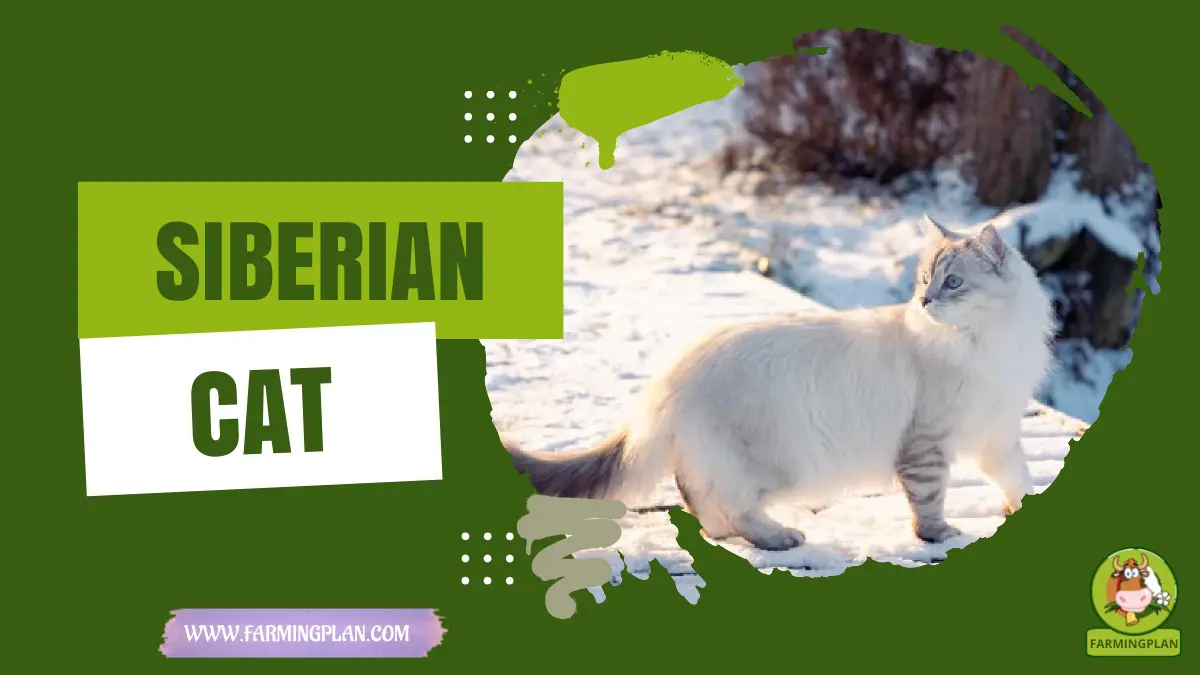
Physical Characteristics & Breed Standards
The official standard codified by the Cat Fanciers Association (CFA) describes a medium to large cat with substantial bone, heavy musculature, and a barrel-shaped torso that exudes power and athletic balance. The arch of the back rises slightly from the shoulders to the muscular rump, supported by thick, moderately long legs ending in large, rounded paws with dense tufts of hair between the toes. Clean housing, fresh water, and balanced nutrition remain essential for Siberian Cat productivity.
The Triple Coat Architecture & Head Planes
The Siberian’s crown jewel is its weather-resistant triple coat, composed of a soft downy undercoat, a dense insulating middle awn layer, and coarse, oily guard hairs that shed drenching rain and snow. A magnificent collar ruff encircles the heavy neck, while thick britches cover the thighs. Coat colors encompass virtually all tabby, solid, tortoiseshell, and colorpoint (Neva Masquerade) variations. Tracking feed intake and body condition supports long-term Siberian Cat performance.
The head forms a broad, modified wedge with rounded contours. Large, expressive, nearly round eyes are set slightly oblique and wide apart, glowing in shades of green, gold, or copper (with blue eyes found in pointed varieties). Ears are medium-large, rounded at the tips, and heavily furnished with internal protective tufts. Following biosecurity best practices reduces disease risk in any Siberian Cat operation.
⚡ Siberian Cat Performance & Production Matrix
| Color / Pattern Class | Adult Weight Range | Coat Density Index | Homestead Hunting & Mousing Drive |
|---|---|---|---|
| Brown Classic Tabby | Males: 14–20+ lbs | Females: 9–14 lbs | Maximum triple-coat weatherproofing | Apex barn mouser; relentless rat catcher |
| Silver & Smoke Tabby | Males: 13–18 lbs | Females: 8–13 lbs | Dense oily guard hairs; water-shedding | Stealthy outbuilding hunter of field rodents |
| Red & Torbie Patterns | Males: 14–19 lbs | Females: 9–14 lbs | Heavy winter neck ruff & toe furnishings | Tenacious predator of voles, moles & insects |
| Neva Masquerade (Pointed) | Males: 12–18 lbs | Females: 8–12 lbs | Lighter seasonal coat; bright blue eyes | Agile farmhouse guardian; low-shed profile |
Breed History, Heritage & North American Development
Documented in Russian folklore and historic manuscripts dating back over a thousand years, the Siberian—historically termed the “Sibirskiy Kot”—served as an indispensable working partner for Russian farmers, monastery monks, and merchants. In a land where severe winters threatened grain stores with rodent devastation, the Siberian’s formidable hunting prowess preserved winter food supplies.
Despite centuries of presence in Russia, the breed was not standardized until the late 1980s when the Kotofei Cat Club in Saint Petersburg wrote the first official breed standard. Following the collapse of the Soviet Union, the first breeding pairs arrived in the United States in 1990 via breeder Elizabeth Terrell of Baton Rouge, Louisiana. Seasonal adjustments to shelter and diet keep Siberian Cat thriving year-round.
The Cat Fanciers Association granted formal championship status to the Siberian in 2006. Today, American homesteaders celebrate the breed as an authentic natural working cat that retains its primitive self-sufficiency, calm confidence, and uncorrupted physical constitution. Proper record-keeping makes breeding and culling decisions easier for Siberian Cat keepers.
Unlike fragile show breeds created through extreme artificial selection, the Siberian represents the triumph of natural survival of the fittest across hundreds of harsh sub-arctic winters. Providing adequate space and ventilation prevents common stress issues in Siberian Cat.
Housing, Living Environment & Climate Hardiness
The Siberian is arguably the most cold-hardy domestic feline on the planet. Their triple-layered coat, thick toe pads, and heavily furred ears allow them to navigate outdoor snow drifts comfortably without distress. However, responsible management dictates they reside primarily indoors or have access to secure outbuildings to protect against rural predators.
Substantial Space & Heavy-Duty Furniture
Due to their 15- to 20-pound muscular bulk, standard flimsy commercial cat furniture will quickly wobble and collapse under a Siberian’s landing impact. Build or purchase heavy-duty climbing towers constructed from solid 4×4-inch lumber, secured with broad, weighted plywood bases. Understanding breed-specific traits helps maximize Siberian Cat longevity and output.
Siberians are notorious water enthusiasts. They will regularly join owners in the shower, splash enthusiastically in kitchen sinks, and scoop toys out of livestock water buckets. Ensure open rain barrels and deep cisterns around the homestead are securely covered to prevent accidental entrapment. Routine preventive care saves time and lowers veterinary costs for Siberian Cat.
If creating an outdoor catio run, utilize rugged 14-gauge welded wire fencing. Their powerful hind legs allow them to spring seven feet upward from a standstill, enabling them to easily scale weak chicken wire or escape standard garden enclosures.
Nutritional Requirements, Daily Rations & Feeding Protocols
Siberians require generous quantities of bioavailable animal protein and healthy fats to support their long five-year developmental growth cycle and maintain their heavy bone density and dense triple coat. Matching forage or ration quality to life stage optimizes Siberian Cat growth.
Slow-Growth Formulations & Caloric Density
Feed developing and adult Siberians a high-protein carnivore diet supplying 40% to 46% crude protein and 18% to 22% crude fat on a dry matter basis. Essential Omega-3 fatty acids (EPA and DHA) from marine sources are vital for lubricating their triple-coat hair shafts and suppressing cutaneous inflammation. For comparative feline feeding strategies, explore our exotic feline dietary management guide. Gradual dietary transitions protect digestive stability in Siberian Cat.
Caloric requirements for an active 18-pound male range from 280 to 360 kcal daily depending on ambient barn temperatures and seasonal activity. Measure daily portions to avoid excessive visceral fat accumulation once the cat passes full maturity at five years of age. Selecting healthy foundation stock is the cornerstone of successful Siberian Cat management.
Provide wet food daily to ensure optimal urinary tract health. Siberians possess a low natural thirst drive, and the high moisture content of wet rations helps flush concentrated minerals through their large renal pathways.
Health Management, Common Diseases & Biosecurity Standards
As a natural landrace, the Siberian enjoys exceptional overall health and genetic vigor. However, selective pedigree breeding requires vigilance against hereditary cardiac conditions. Good predator-proofing and dry bedding safeguard Siberian Cat comfort in harsh weather.
Hypertrophic Cardiomyopathy & Coat Maintenance
Hypertrophic Cardiomyopathy (HCM) is the primary hereditary health concern. All breeding stock should undergo regular echocardiograms performed by board-certified veterinary cardiologists. Polycystic Kidney Disease (PKD) and Pyruvate Kinase Deficiency (PK-Def) must also be screened via DNA testing to ensure clean bloodlines. Monitoring water quality and mineral balance directly benefits Siberian Cat vitality.
Despite the immense density of the triple coat, it is surprisingly non-matting due to the coarseness of the guard hairs. A thorough brushing twice weekly using a steel greyhound comb and slicker brush keeps the undercoat free of dead hair. During the heavy spring shedding molt, daily grooming is recommended. Review health protocols via the American Veterinary Medical Association (AVMA) Feline Health Standards. Practical hands-on husbandry ensures consistent results when raising Siberian Cat.
Implement comprehensive parasite protection. Working barn cats catching wild mice must receive quarterly broad-spectrum dewormers to eliminate tapeworms (Dipylidium caninum and Taenia taeniaeformis) carried by wild rodent vectors.
Breeding Management, Reproduction & Kitten Care
Siberian queens are devoted, calm mothers who handle large litters with maternal ease. Unlike early-maturing oriental breeds, Siberian queens often mature more gradually, with maiden breedings best scheduled after 14 to 18 months of age. Early intervention at the first sign of lethargy protects overall Siberian Cat flock or herd health.
Litter Sizing & Fel d 1 Allergen Testing
Gestation spans 64 to 68 days, producing generous litters averaging 4 to 6 sturdy, heavy-boned kittens. Provide a spacious nesting box bedded with clean fleece in a quiet room. Specialized catteries perform salivary Fel d 1 protein lab testing on kittens at 10 to 12 weeks to assist allergic adopters in selecting the lowest-allergen individuals. Structured culling and biosecurity protocols strengthen Siberian Cat genetic quality.
Wean kittens onto high-protein growth wet food at 5 weeks. Young stock should remain with the queen until at least 12 to 16 weeks to ensure complete neurological socialization and strong immune competence. For comparative feline rearing methods, review our Somali cat breeding and care guide. Maintaining clean feeders and sanitized equipment supports sustainable Siberian Cat care.
Due to their slow physical growth rate, continuing a high-protein kitten diet throughout the first 18 to 24 months supports proper musculoskeletal and organ development.
US Ownership Budget & Annual Maintenance Costs
Owning a purebred Siberian involves budgeting for kitten purchase from health-screened lineages, high-volume quality protein feeding, robust climbing cat furniture, and routine veterinary wellness. Below is an annual expense forecast. Consistent daily observation helps keepers spot early changes in Siberian Cat health and behavior.
⚡ Estimated Annual Budget & Maintenance Costs (USD)
| Expense Category | Estimated Annual Cost Range (USD) | Cost Management Strategy |
|---|---|---|
| Kitten Purchase / Proven Low-Allergen Line | $1,500.00 – $2,800.00 (One-time) | Select CFA/TICA catteries providing HCM cardiologist clear scans and Fel d 1 reports |
| Premium Carnivore Nutrition (Large Breed) | $550.00 – $850.00 annual | Buy commercial cases of high-meat canned wet food in bulk farm shipments |
| Veterinary Care & Preventatives | $280.00 – $550.00 annual | Maintain annual preventative wellness checkups and scheduled rabies vaccinations |
| Heavy-Duty Cat Furniture & Catio | $200.00 – $450.00 annual | Construct rugged climbing platforms utilizing heavy farm timber and sisal rope |
| Grooming Tools & Parasite Control | $120.00 – $220.00 annual | Invest in a durable stainless steel greyhound comb and monthly broad-spectrum dewormers |
🐈 Siberian Cat Daily Nutrition & Care Calculator
Calculate daily metabolizable calories (kcal), dry/wet food portions, clean water intake (fl oz), litter box minimums, and monthly care cost for your Siberian Cat.
Frequently Asked Questions (FAQ)
Why are Siberian cats considered hypoallergenic?
Siberian cats are genetically predisposed to producing significantly lower concentrations of the salivary and sebaceous Fel d 1 protein than normal felines. While not completely allergen-free, many individuals with severe cat allergies tolerate Siberians without experiencing allergic symptoms.
How large do Siberian cats get when fully grown?
Siberian cats are substantial, slow-maturing felines that take up to five years to reach full size. Mature males typically weigh between 14 and 20+ pounds, while females weigh between 9 and 14 pounds, possessing dense bone structure and heavy musculature.
Do Siberian cats enjoy water and swimming?
Yes, Siberians frequently display an affinity for water. Their dense triple coat possesses natural water-repellent oils, and many individuals enjoy batting at running sink faucets, splashing in water bowls, and even stepping into shallow bathtubs or outdoor ponds.
How well do Siberian cats tolerate freezing winter weather?
Siberians are among the most cold-hardy domestic felines in the world. Having evolved in the sub-arctic Siberian taiga, their triple-layer insulating coat, tufted paws, and thick ears allow them to comfortably tolerate cold weather that would freeze short-haired breeds.
What is the average lifespan of a Siberian cat?
With appropriate high-protein nutrition, routine veterinary cardiac screenings, and protected living environments, the Siberian cat enjoys an average lifespan of 12 to 18 years, remaining vigorous, playful, and affectionate throughout their life.
Expert Verdict & Next Steps
The Siberian cat represents an extraordinary synthesis of ancient survival hardiness, hypoallergenic advantages, and deep dog-like loyalty. For homesteaders and active families seeking a robust, affectionate companion that fearlessly patrols the farmhouse while offering gentle friendship, the Siberian is an unrivaled choice. Clean housing, fresh water, and balanced nutrition remain essential for Siberian Cat productivity.
Before acquiring a kitten, request written echocardiogram clearances for both parents from a certified veterinary cardiologist, and arrange an allergy trial if anyone in the household is sensitive to cats. Provide sturdy climbing posts and rich carnivore rations. To explore additional low-allergen breeds, see our guide on the Balinese hypoallergenic companion cat.
📚Agricultural Reference & Scientific Citations
Standards and physiological data referenced in this guide comply with USDA Animal and Plant Health Inspection Service (APHIS), American Veterinary Medical Association (AVMA), and the FAO Domestic Animal Diversity Information System.


