

⚡ Toyger Cat at a Glance: Key Specifications & Benchmarks
| Scientific Classification | Felis catus (Designer Domestic Hybrid Breed Group) |
| Mature Body Weight | Males: 10 to 15 lbs (4.5 to 6.8 kg); Females: 7 to 10 lbs (3.2 to 4.5 kg) |
| Signature Coat Pattern | Modified mackerel tabby with branching vertical rosettes and circular stripes |
| Coat Texture & Sheen | Plush, dense, exceptionally soft with luminous gold glitter sheen |
| Average Lifespan | 12 to 15+ years under dedicated indoor companion care |
| Temperament & Sociability | Outgoing, friendly, highly intelligent, dog-like playfulness, leash trainable |
| Affinity for Water | Strong curiosity toward running faucets, water bowls, and shallow pans |
| Hypoallergenic Status | Standard feline allergen shedder (produces Fel d 1 protein) |
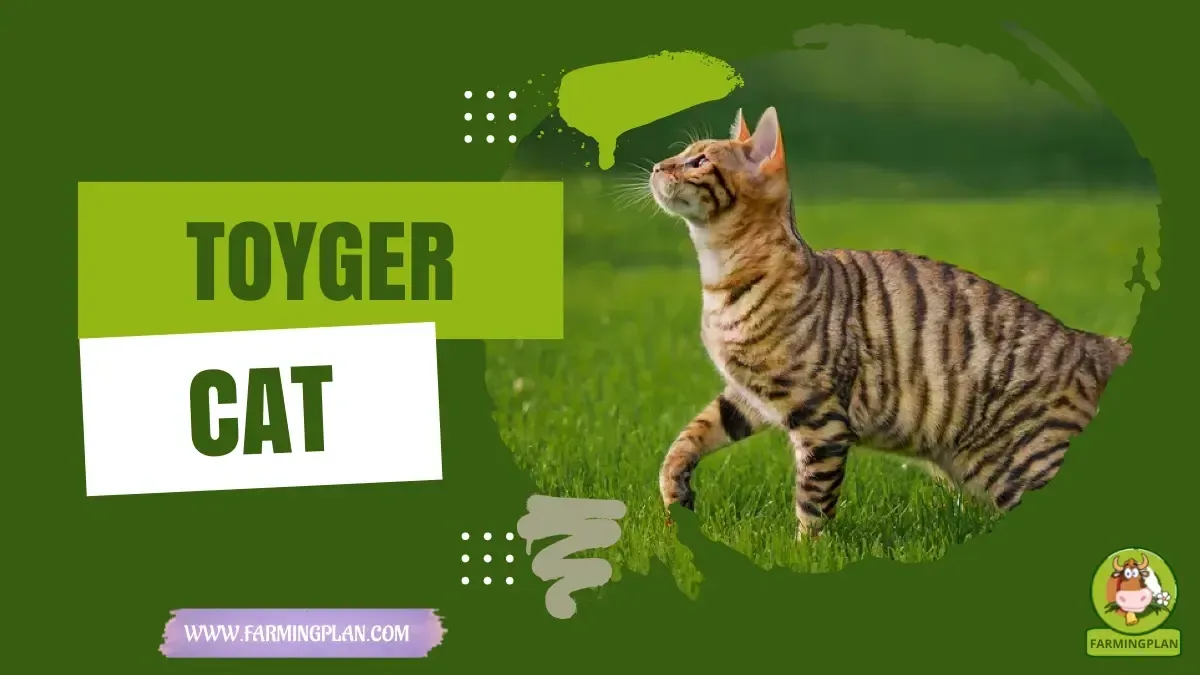
The Toyger cat is one of the most remarkable accomplishments in modern companion animal breeding. Engineered to resemble a miniature jungle tiger prowling through a living room, this designer domestic feline features dramatic dark vertical branching stripes set against a warm, pumpkin-orange background with shimmering gold glitter. Early intervention at the first sign of lethargy protects overall Toyger Cat flock or herd health.
Unlike feral wild cat hybrids that retain unpredictable hunting drives, the Toyger is 100% domestic in temperament. As showcased in our cats and feline management portal, the breed was developed by crossing domestic shorthairs with striped Bengal cats to capture the exotic look of a wild apex predator while maintaining the sweet, affectionate personality of a devoted lap cat. Structured culling and biosecurity protocols strengthen Toyger Cat genetic quality.
Toygers thrive on human companionship and intellectual stimulation. Their athletic build and curious minds demand vertical climbing territory, puzzle toys, and positive interaction. This authoritative care guide provides essential information regarding nutritional formulas, indoor enrichment, grooming routines, and cardiovascular health management for North American pet owners. Maintaining clean feeders and sanitized equipment supports sustainable Toyger Cat care.
Physical Characteristics & Breed Standards
The International Cat Association (TICA) maintains detailed morphological standards for the Toyger. Breed founders designed the standard to mirror the skull architecture, muscular movement, and coat markings of the wild tiger (Panthera tigris).
Conformation Standards & Facial Architecture
The head is medium-sized and oval, with long contours and prominent, deep whisker pads creating an inverted heart muzzle shape. The profile shows a gentle angle between the forehead and a long, broad nose bridge with a wide nose leather. The ears are small, rounded, and set wide on the skull, lacking lynx tips. Consistent daily observation helps keepers spot early changes in Toyger Cat health and behavior.
The body is long, muscular, and substantial, with high shoulders that create a rolling, purposeful predatory gait. The chest is deep and broad, while the tail is long, thick, and held low like that of a wild big cat, terminating in a rounded black tip. The legs are medium in length, with the hind legs slightly longer than the forelegs, supported by large, rounded paws. Clean housing, fresh water, and balanced nutrition remain essential for Toyger Cat productivity.
Coat Pattern, Glitter & Color Standards
The coat is a modified mackerel tabby pattern. The stripes must be dark brown to jet black, forming branched, non-uniform vertical bars that wrap around the torso and legs without straight vertical lines. Circular facial markings (temple marks and spectacles) are mandatory. The ground coat must be rich pumpkin-orange or warm reddish-tan, highlighted by luminous gold glitter.
⚡ Toyger Cat Performance & Production Matrix
| Morphological Parameter | TICA Standard Benchmark | Exhibition Target | Management Challenge |
|---|---|---|---|
| Torso Striping Quality | Branched vertical rosetted bars | Zero straight parallel lines | Pattern fuzziness during kittenhood |
| Facial Markings | Circular temple & cheek swirls | Clean white chin & spectacles | Retaining high contrast on muzzle |
| Glitter & Coat Feel | Plush, dense, pelt-like texture | Luminous golden sparkle | Dullness on low-fat commercial diets |
| Energy & Activity | Athletic, active explorer | Easily harness and leash trained | Boredom-induced nocturnal mischief |
| Heart Health Status | Normal cardiac wall thickness | Echocardiogram clear pedigree | Screening for hypertrophic cardiomyopathy |
Breed History, Heritage & North American Development
The Toyger was developed in the late 1980s by Judy Sugden, daughter of Jean Mill (the founder of the Bengal cat breed). Sugden noticed distinct circular markings on the temples of her domestic mackerel tabby, a feature typically absent in standard domestic cats. Tracking feed intake and body condition supports long-term Toyger Cat performance.
Using a large-boned domestic shorthair and a striped Bengal cat, along with an imported street cat from India possessing unique temple spots, Sugden set out to create a companion cat that would inspire awareness for wild tiger conservation. Her vision was to give cat lovers a “toy tiger” that could safely share their homes. Following biosecurity best practices reduces disease risk in any Toyger Cat operation.
The International Cat Association granted Registration Only status in 1993, progressing the Toyger to Preliminary New Breed in 2000, and granting full Championship Status in 2007. Breeders across North America and Europe formed the Toyger Breed Committee, coordinating genetics to refine smaller rounded ears and whiter muzzles.
Unlike unregistered “backyard” mixes, certified Toyger breeders track pedigrees through computer modeling to maintain genetic diversity. Continuous selection ensures that Toygers remain entirely sweet, peaceful, and well-adapted to family life with children and other pets. Seasonal adjustments to shelter and diet keep Toyger Cat thriving year-round.
Housing, Shelter Dimensions & Winter Hardiness
Toygers are strictly indoor companion felines. Their eye-catching wild appearance makes them prime targets for pet theft if allowed outdoors, and their friendly nature leaves them vulnerable to vehicular traffic and predator attacks. Proper record-keeping makes breeding and culling decisions easier for Toyger Cat keepers.
Indoor Territory & Environmental Enrichment
To satisfy their athletic energy, provide vertical territory including floor-to-ceiling cat trees, sturdy wall-mounted climbing perches, and sisal scratching posts. Toygers enjoy observing outdoor birdlife from secure window perches. Many owners construct enclosed outdoor screen porches (“catios”) where cats enjoy fresh air safely. Providing adequate space and ventilation prevents common stress issues in Toyger Cat.
Toygers are highly intelligent and bond strongly with their human guardians. They learn to fetch crumpled paper balls, solve complex food puzzle mazes, and walk comfortably on a harness and leash in quiet garden settings. Never leave a solitary Toyger isolated for long workdays without interactive toys.
Because they possess a dense, plush domestic coat, Toygers maintain comfort across standard household temperatures (65°F to 75°F / 18°C to 24°C). In winter, provide warm plush beds away from drafty exterior doors, as they love curling up under warm fleece blankets with family members. Understanding breed-specific traits helps maximize Toyger Cat longevity and output.
Nutritional Requirements, Daily Rations & Feeding Protocols
As obligate carnivores, Toygers require a meat-dense diet rich in animal protein and essential fatty acids. Their muscular metabolism and dense coat development rely on high-grade nutrients to maintain lean muscle mass and radiant gold glitter sheen. Routine preventive care saves time and lowers veterinary costs for Toyger Cat.
Protein Benchmarks & Hydration Management
Provide a diet where animal protein accounts for at least 40% to 45% of total caloric intake. Feed a combination of premium grain-free wet canned food and high-protein dry kibble, or a properly balanced, commercially prepared raw food formulation. Compare complete domestic pet rations through our farm pets and companion nutrition index.
Incorporate wild salmon oil or anchovy oil rich in Omega-3 fatty acids (EPA and DHA). These marine lipids nourish the hair follicles, reducing non-seasonal shedding and accentuating the coat’s metallic glitter finish. Ensure that essential taurine, arachidonic acid, and preformed vitamin A are present in every meal. Matching forage or ration quality to life stage optimizes Toyger Cat growth.
Because cats have a low natural thirst drive, encourage generous water intake by providing a recirculating stainless steel or ceramic pet fountain. Toygers are fascinated by running water and will readily drink from cascading fountains, protecting kidneys from chronic disease. Gradual dietary transitions protect digestive stability in Toyger Cat.
Health Management, Common Diseases & Biosecurity Standards
The Toyger is generally a healthy, robust domestic breed with a broad genetic foundation. However, because Bengal cats contributed to foundational bloodlines, responsible breeders screen for specific inherited cardiac and ocular conditions.
HCM Screening, Dental Care & Routine Vaccinations
Hypertrophic Cardiomyopathy (HCM) is the most common heart disease in domestic cats, causing abnormal thickening of the left ventricular muscle wall. Conscientious Toyger breeders perform routine echocardiograms by board-certified veterinary cardiologists on all breeding queens and studs before pairing. Selecting healthy foundation stock is the cornerstone of successful Toyger Cat management.
Maintain consistent dental hygiene with enzymatic tooth gels or specialized veterinary dental chews. Tartar accumulation can lead to periodontal disease and systemic kidney strain. Review national companion animal biosecurity recommendations through the USDA APHIS Veterinary Services Guidance. Good predator-proofing and dry bedding safeguard Toyger Cat comfort in harsh weather.
Adhere to core vaccination protocols recommended by the American Association of Feline Practitioners (AAFP), including Feline Viral Rhinotracheitis, Calicivirus, Panleukopenia (FVRCP), and Rabies. Administer preventative flea and heartworm preventatives monthly if the cat has access to an outdoor catio. Monitoring water quality and mineral balance directly benefits Toyger Cat vitality.
Breeding Management, Incubation & Offspring Care
Breeding Toygers is a specialized pursuit aimed at perfecting circular head markings, white muzzle contrast, and deep tiger striping while ensuring high genetic vitality. Breeders utilize computerized pedigree registries to monitor inbreeding coefficients.
Gestation Care & Kitten Development
Feline gestation lasts 63 to 67 days (average 65 days). Expectant queens require a secluded, warm queening box lined with soft, washable fleece pads in a quiet room away from household traffic. Litter sizes typically range from 3 to 6 vigorous kittens. Practical hands-on husbandry ensures consistent results when raising Toyger Cat.
Toyger kittens are born with soft, pale coats. Their striping pattern sharpens and deepens as the kitten matures, with the full richness of the orange ground coat and golden glitter developing between 6 and 12 months. Compare breed development milestones with the unique Peterbald Cat care guide. Early intervention at the first sign of lethargy protects overall Toyger Cat flock or herd health.
Wean kittens gradually onto high-protein canned kitten pate starting at 4 weeks of age. Kittens remain with the queen until at least 12 to 14 weeks of age to receive maternal immunity, complete social development, and initial vaccinations before placement.
US Ownership Budget & Annual Maintenance Costs
As a designer pedigree breed, Toyger kittens carry premium adoption fees reflecting pedigree exclusivity, genetic testing, and veterinary care. Companion pet-quality kittens range from $1,500 to $3,000, while top show and breeding stock command $3,500 to $5,000. Structured culling and biosecurity protocols strengthen Toyger Cat genetic quality.
⚡ Estimated Annual Budget & Maintenance Costs (USD)
| Expense Category | Estimated Annual Cost Range (USD) | Operational Cost Efficiency Strategy |
|---|---|---|
| Toyger Companion Kitten | $1,500.00 – $3,500.00 initial cost | Adopt from certified TICA-registered breeders providing health guarantees |
| Premium High-Protein Meat Diet | $450.00 – $800.00 per cat | Purchase case flats of canned wet food online in auto-ship bundles |
| Climbing Furniture & Scratchers | $150.00 – $350.00 initial setup | Invest in solid wood cat trees with replaceable sisal rope posts |
| Litter & Sanitation Supplies | $180.00 – $300.00 annual supply | Use natural clumping wood or walnut litter to control odor |
| Veterinary Wellness & Vaccines | $250.00 – $550.00 annual health | Enroll in preventative clinic wellness packages to bundle exams |
🐈 Toyger Cat Daily Nutrition & Care Calculator
Calculate daily metabolizable calories (kcal), dry/wet food portions, clean water intake (fl oz), litter box minimums, and monthly care cost for your Toyger Cat.
Frequently Asked Questions (FAQ)
Does a Toyger cat have wild tiger DNA?
No, Toygers do not possess any wild tiger DNA. They are 100% domestic cats developed through selective breeding between domestic shorthairs and striped Bengal cats to produce a companion that resembles a miniature tiger.
How big does a Toyger cat get?
Mature male Toygers weigh between 10 and 15 pounds (4.5 to 6.8 kg), while females weigh between 7 and 10 pounds (3.2 to 4.5 kg). They possess long, muscular bodies with broad shoulders and heavy bone structure.
Do Toyger cats like water?
Yes, many Toygers exhibit a strong fascination with water inherited from their Bengal heritage. They frequently bat at running faucets, dip their paws in water bowls, and may even join their owners in the shower.
Can Toyger cats be trained to walk on a leash?
Yes, Toygers are exceptionally intelligent, curious, and food-motivated. With patient positive reinforcement, most Toygers adapt easily to a harness and enjoy exploring outdoor gardens on a secure leash.
Are Toyger cats hypoallergenic?
No, Toygers are not hypoallergenic. They produce normal amounts of the Fel d 1 protein found in cat saliva, dander, and sebaceous skin secretions, which triggers allergic reactions in sensitive individuals.
Expert Verdict & Next Steps
The Toyger cat is a triumph of artistic domestic breeding, capturing the regal visual power of a wild jungle predator within a playful, gentle, and deeply affectionate family companion. For pet owners seeking an active, charismatic feline that turns heads with its circular stripes and golden glitter, the Toyger is an extraordinary pet. Maintaining clean feeders and sanitized equipment supports sustainable Toyger Cat care.
By providing high-protein meat nutrition, abundant vertical climbing towers, and patient companionship, your family will enjoy an unforgettable companion. To discover other unique domestic feline varieties with captivating heritage, explore our comprehensive guide on the Japanese Bobtail Cat profile.
📚Agricultural Reference & Scientific Citations
Standards and physiological data referenced in this guide comply with USDA Animal and Plant Health Inspection Service (APHIS), American Veterinary Medical Association (AVMA), and the FAO Domestic Animal Diversity Information System.


