

⚡ Somali Cat at a Glance: Key Specifications & Benchmarks
| Scientific Classification | Felis catus (Longhaired mutation of the ancestral Abyssinian) |
| Breed Origin & Status | North America / United Kingdom (Formal CFA recognition 1979) |
| Adult Body Weight | Males: 8 to 12 lbs (3.6 to 5.4 kg); Females: 6 to 9 lbs (2.7 to 4.1 kg) |
| Coat Architecture | Medium-length, dense, soft agouti-ticked fur with bushy brush tail |
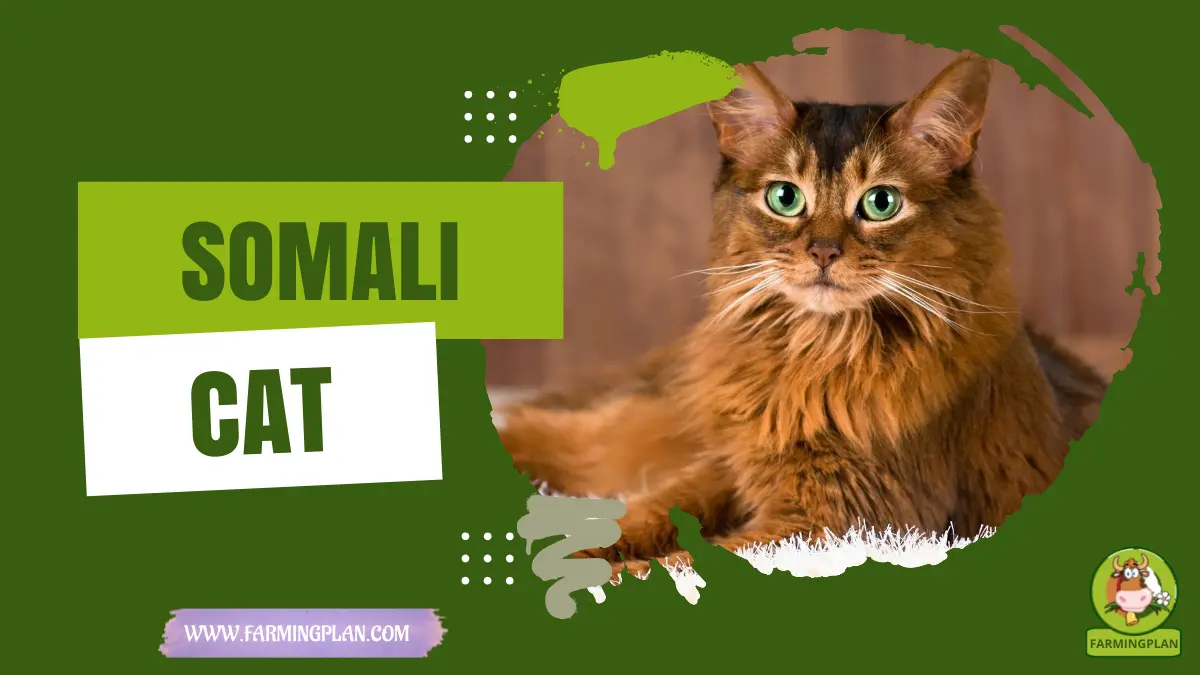
| Defining Aesthetic | Fox-like appearance with tufted ears, neck ruff, and amber/green eyes |
| Energy & Drive Index | Extremely high athletic agility, problem solving, and acrobatic climbing |
| Average Lifespan | 12 to 16 years with attentive preventative dental and renal care |
| Homestead Vermin Control | Fierce predatory stalking of mice, moths, and agricultural insects |
The Somali cat captivates onlookers with its wild, fox-like appearance, bushy plume tail, and shimmering agouti-ticked coat. Essentially the longhaired counterpart of the ancient Abyssinian, the Somali developed when a recessive longhair gene manifested in pedigree litters, creating a captivating feline of vibrant color and boundless energy. Proper record-keeping makes breeding and culling decisions easier for Somali Cat keepers.
For homesteaders and rural property owners exploring our feline breed and homestead cat care guides, the Somali represents an intensely intelligent companion that blends affectionate family devotion with elite predatory instincts, keeping farmhouse boundaries clean of invasive rodents and insects. Providing adequate space and ventilation prevents common stress issues in Somali Cat.
Unlike sedentary couch-potato breeds, Somalis retain dynamic wild curiosity. They utilize their paws with monkey-like dexterity, manipulating doorknobs, batting open cupboard doors, and turning faucets on to inspect trickling water. Their athletic coordination allows them to spring from the floor directly to shoulder height in a fluid arc.
Rural owners must note that the Somali demands mental stimulation and physical outlets. An under-stimulated Somali will invent its own entertainment, which may involve scaling window curtains or rearranging tabletop items. In active farm households, their playful acrobatics bring endless amusement. Understanding breed-specific traits helps maximize Somali Cat longevity and output.
Physical Characteristics & Breed Standards
The Cat Fanciers Association (CFA) standard depicts a well-proportioned cat of medium size that strikes a harmonious balance between slender oriental refinement and solid cobby substance. Muscular tone is firm and lithe, giving an impression of lithe grace and readiness for sudden athletic movement.
Agouti Ticking & Cranial Architecture
The hallmark of the Somali is its agouti-ticked coat. Each hair shaft exhibits multiple bands of contrasting dark and light pigment, culminating in a dark tip. This coloration requires up to 18 months to develop fully in maturing young stock. Recognized colors include Ruddy (burnt sienna ticked with black), Sorrel (warm cinnamon ticked with chocolate), Blue, and Fawn. Routine preventive care saves time and lowers veterinary costs for Somali Cat.
The head forms a modified wedge with soft contours. Large, cupped, alert ears are broad at the base and adorned with horizontal inner furnishings and lynx-like tufts. Large, almond-shaped eyes are rimmed in dark pigment like kohl eyeliner, glowing in intense emerald green or rich copper-amber.
⚡ Somali Cat Performance & Production Matrix
| Color Class | Genotype & Ticking Hue | Grooming Commitment | Hunting & Activity Aptitude |
|---|---|---|---|
| Ruddy (Usual) | Warm apricot undercoat ticked with dense black | Twice weekly comb (silky texture) | Exceptional vertical leaper & swift mouser |
| Sorrel (Cinnamon) | Warm peach-copper ticked with dark chocolate | Twice weekly brushing; soft ruff | Energetic interactive tracker of flying pests |
| Blue | Soft warm cream ticked with slate blue-grey | Weekly combing; low matting index | Inquisitive, acrobatic climber of high shelving |
| Fawn | Warm oatmeal beige ticked with cocoa brown | Weekly brush; gentle undercoat care | Affectionate companion with playful prey drive |
Breed History, Heritage & North American Development
During the early 20th century, British and American Abyssinian breeders occasionally discovered longhaired kittens within their litters. For decades, breeders quietly placed these “fuzzy” variants in companion homes, reluctant to acknowledge what was considered an unwelcome outcross recessive trait. Matching forage or ration quality to life stage optimizes Somali Cat growth.
In the 1960s, American breeder Evelyn Mague of New Jersey took a courageous stand, championing the beauty of these longhaired Abyssinians. She christened the new breed “Somali,” deliberately choosing the name of Ethiopia’s neighboring nation to honor the ancestral origin of the Abyssinian while denoting a unique identity.
Mague founded the Somali Cat Club of America in 1972, uniting breeders to codify standards and establish pure breeding lines. Championship recognition followed across the Cat Fanciers Association (1979) and The International Cat Association (TICA). Gradual dietary transitions protect digestive stability in Somali Cat.
Today, the Somali is celebrated internationally as an authentic purebred cat. Homesteaders appreciate how the breed has preserved primitive hunting instincts, keen spatial awareness, and strong vitality across generations of careful breeding.
Housing, Living Environment & Climate Hardiness
Although the Somali’s medium-length fur provides better insulation than ultra-short single coats, their lack of a water-repellent oily layer means they are strictly indoor farmstead felines. Exposure to freezing rain or snow quickly chills their muscular frame. Selecting healthy foundation stock is the cornerstone of successful Somali Cat management.
Vertical Gymnastics & Catio Enrichment
Somalis demand vertical infrastructure. Standard floor-bound living leads to restlessness. Install multi-tiered sisal scratching towers, ceiling-height wall walkways, and open bridge spans across living areas. Somalis love perching high above human eye level to observe room activity like small forest predators.
Because Somalis have boundless curiosity and agile problem-solving skills, childproof locks on pantry cupboards containing food or pet medications are strongly advised. They will readily slide paws beneath doors to retrieve stored toys or open cabinet latches. Good predator-proofing and dry bedding safeguard Somali Cat comfort in harsh weather.
Provide secure outdoor enrichment via enclosed catios built with heavy wire screening. Somalis will spend hours tracking flying insects, songbirds, and farm butterflies from behind predator-proof mesh without encountering rural road hazards or coyotes.
Nutritional Requirements, Daily Rations & Feeding Protocols
The high-octane metabolic burn rate of the Somali demands premium nutrition rich in clean animal protein. As obligate carnivores, they require specific amino acids, including taurine and arginine, that can only be obtained through animal tissue. Monitoring water quality and mineral balance directly benefits Somali Cat vitality.
High-Protein Formulations & Energy Density
Feed adult Somalis a diet containing at least 38% to 44% crude protein and 16% to 20% crude fat on a dry matter basis. Incorporate high-grade canned poultry or rabbit wet foods daily to satisfy hydration needs. For further dietary recommendations, consult our carnivore diet and feline feeding guide. Practical hands-on husbandry ensures consistent results when raising Somali Cat.
Active adult Somalis burn approximately 200 to 260 kcal daily. Divide meals into two or three measured portions rather than leaving dry bowls full. Utilizing interactive foraging puzzle feeders satisfies their natural desire to work for food while slowing fast eaters.
Provide running water fountains throughout living quarters. Somalis are fascinated by moving water and will drink more readily from bubbling streams, supporting urinary tract health and preventing kidney strain. Early intervention at the first sign of lethargy protects overall Somali Cat flock or herd health.
Health Management, Common Diseases & Biosecurity Standards
The Somali is generally robust, but sharing genetic lineage with the Abyssinian brings specific hereditary conditions that require proactive DNA screening and clinical monitoring.
Hereditary Erythrocyte & Retinal Disorders
Pyruvate Kinase Deficiency (PK-Def), an inherited hemolytic anemia caused by a defect in an essential red blood cell enzyme, occurs within the breed. DNA testing reliably identifies affected cats and asymptomatic carriers, allowing breeders to prevent the birth of affected kittens. Progressive Retinal Atrophy (PRA-rdAc) must also be screened via DNA. Structured culling and biosecurity protocols strengthen Somali Cat genetic quality.
Dental health requires vigilance, as Somalis can be prone to early gingivitis and periodontal tartar accumulation. Schedule annual dental cleanings and practice regular tooth brushing. Review official health protocols via the American Veterinary Medical Association (AVMA) Feline Health Hub.
Administer veterinarian-approved topical flea, tick, and heartworm preventatives monthly, particularly if the cat has access to outdoor screened porches where mosquitoes can transmit feline heartworm disease. Maintaining clean feeders and sanitized equipment supports sustainable Somali Cat care.
Breeding Management, Reproduction & Kitten Development
Somali queens are attentive, nurturing mothers who typically experience smooth deliveries. Queens should mature to at least 12 months before their maiden breeding to ensure complete musculoskeletal development.
Gestation Milestones & Agouti Coat Maturation
Gestation lasts between 63 and 67 days, resulting in litters averaging 3 to 5 lively kittens. Newborn Somali kittens are born darker than adult coloration, with subtle ticking beginning to appear along the spine around 4 weeks of age. Full coat ticking and rich undercoat tones take 12 to 18 months to fully mature. Consistent daily observation helps keepers spot early changes in Somali Cat health and behavior.
Maintain nursery warmth at 82°F to 85°F during the initial ten days post-whelping. Begin weaning onto high-protein growth wet food at 5 weeks. For comparative reproductive protocols across longhaired felines, see our Birman cat breeding and kitten management guide.
Kittens should remain with their mother and littermates until 12 to 14 weeks of age to ensure proper bite inhibition, social balance, and full series of feline core vaccinations before transitioning to homesteads. Clean housing, fresh water, and balanced nutrition remain essential for Somali Cat productivity.
US Ownership Budget & Annual Maintenance Costs
Budgeting for a purebred Somali requires accounting for initial purchase pricing from health-tested catteries, high-protein rations, veterinary diagnostics, and interactive vertical furniture. Below is a detailed annual expenditure forecast.
⚡ Estimated Annual Budget & Maintenance Costs (USD)
| Expense Category | Estimated Annual Cost Range (USD) | Cost Management Recommendation |
|---|---|---|
| Kitten Purchase / Registered Stock | $1,200.00 – $2,200.00 (One-time) | Source from CFA/TICA breeders with documented PK-Def and PRA DNA clear status |
| High-Protein Carnivore Nutrition | $450.00 – $720.00 annual | Buy commercial cases of quality poultry wet food in bulk agricultural shipments |
| Veterinary Care & Dental Scaling | $300.00 – $600.00 annual | Implement regular at-home teeth brushing to avoid frequent expensive veterinary scaling |
| Vertical Cat Towers & Catio Mesh | $180.00 – $380.00 annual | Build custom multi-level wall catwalks utilizing farm timber and sisal rope |
| Grooming Tools & Parasite Prevention | $100.00 – $180.00 annual | Soft coat requires only a dual-sided stainless steel comb and shedding slicker |
🐈 Somali Cat Daily Nutrition & Care Calculator
Calculate daily metabolizable calories (kcal), dry/wet food portions, clean water intake (fl oz), litter box minimums, and monthly care cost for your Somali Cat.
Frequently Asked Questions (FAQ)
Do Somali cats shed heavily and mat easily?
Somali cats shed moderately during spring and autumn seasonal coat transitions. However, because their semi-long coat has a fine, soft texture with minimal undercoat, it resists matting. Combing once or twice weekly is generally sufficient to maintain healthy fur.
How energetic is a Somali cat compared to other breeds?
The Somali is one of the most active and playful feline breeds. They maintain high kitten-like energy into their senior years, leaping onto tall furniture, playing fetch with small toys, and actively participating in household activities throughout the day.
What is PK Deficiency in Somali cats?
Pyruvate Kinase Deficiency (PK-Def) is an inherited genetic condition causing intermittent hemolytic anemia due to a lack of an essential enzyme in red blood cells. Reputable breeders use simple DNA cheek swab tests to ensure breeding cats are non-carriers.
Can a Somali cat live peacefully with dogs?
Yes, Somalis typically thrive in households with friendly, cat-safe farm dogs. Their confident, fearless nature means they rarely run away in panic, often engaging dogs in playful games of chase and sharing sunny sleeping perches peacefully.
What is the average lifespan of a Somali cat?
A Somali cat provided with quality nutrition, consistent veterinary care, routine dental cleanings, and safe indoor housing routinely enjoys a lifespan of 12 to 16 years, retaining an energetic spirit throughout life.
Expert Verdict & Next Steps
The Somali cat brings an intoxicating combination of wild fox-like beauty, sharp intelligence, and heartwarming affection to any rural home. For owners ready to provide vertical climbing perches, daily interactive play, and quality carnivore meals, the Somali offers a lifetime of entertainment and devotion. Tracking feed intake and body condition supports long-term Somali Cat performance.
When searching for a kitten, partner with an established CFA- or TICA-registered cattery that provides verified DNA test results for PK-Def and PRA. Prepare your home with tall cat trees and puzzle feeders before bringing your new companion home. For additional lively companion felines, explore our guide on forest and working farm cat breeds.
📚Agricultural Reference & Scientific Citations
Standards and physiological data referenced in this guide comply with USDA Animal and Plant Health Inspection Service (APHIS), American Veterinary Medical Association (AVMA), and the FAO Domestic Animal Diversity Information System.


