

⚡ Scottish Fold Cat at a Glance: Key Specifications & Benchmarks
| Scientific Classification | Felis catus |
| Breed Category / Type | Cartilage Mutation Specialty Feline (CFA Championship) |
| Mature Male Weight | 9 to 13 lbs (4.1 to 5.9 kg) |
| Mature Female Weight | 6 to 9 lbs (2.7 to 4.1 kg) |
| Ear Morphology | Dominant incomplete ‘Fd’ gene causing ear cartilage to fold forward and downward |
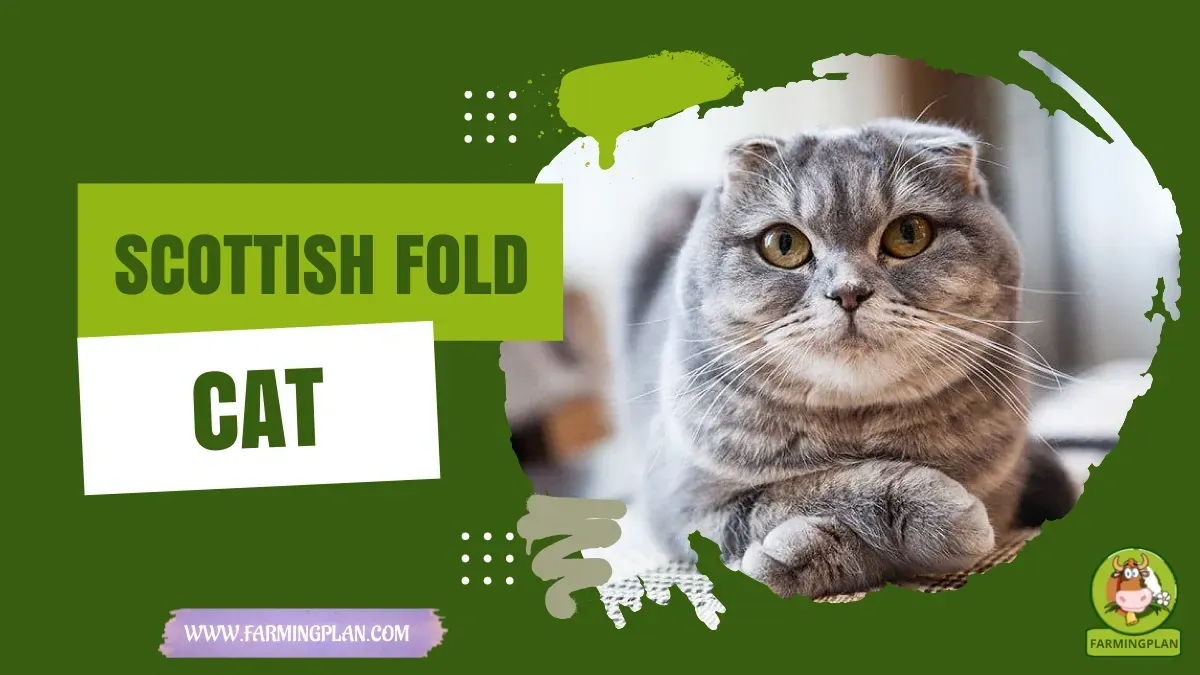
| Facial Appearance | Distinctive wide-eyed, round-headed ‘owl face’ or ‘teddy bear’ silhouette |
| Joint Risk | Osteochondrodysplasia (OCD) causing cartilage deformities and tail stiffness in homozygous cats |
| Temperament & Disposition | Quiet, sweet-natured, playful, sits in comical ‘Buddha pose’, affectionate lap partner |
The Scottish Fold Cat occupies a unique position in agricultural and domestic stewardship, admired for its distinctive feline morphology, refined instincts, and enduring adaptability. Developed through selective breeding and geographical isolation, this breed blends functional utility with an engaging, loyal personality. Gradual dietary transitions protect digestive stability in Scottish Fold Cat.
Homesteaders exploring comprehensive animal husbandry through our comprehensive feline care and cat breed manual appreciate the balance of physical grace and pest control instincts that feline companions deliver. Understanding specific breed needs allows owners to create stimulating, secure living environments.
From historic rural outbuildings to modern homestead residences, the Scottish Fold Cat demonstrates dependable behaviors and predictable physiological traits. Providing balanced nutrition, regular veterinary monitoring, and appropriate environmental enrichment ensures lifelong vitality and affectionate companionship.
Physical Characteristics & Breed Standards
The physical conformation of the Scottish Fold Cat highlights elegant balance, substantial muscle tone, and distinct breed landmarks. Mature males achieve 9 to 13 lbs (4.1 to 5.9 kg), presenting solid bone development, while adult females weigh 6 to 9 lbs (2.7 to 4.1 kg), showing compact, lithe contours. Selecting healthy foundation stock is the cornerstone of successful Scottish Fold Cat management.
Structural Conformation & Skeletal Frame
Their skeletal structure features strong joints, supple spinal vertebrae, and balanced paws that facilitate agile movement and exceptional vertical climbing. Coat texture remains a signature breed hallmark, demanding specific environmental and grooming considerations.
Head morphology, eye placement, and ear carriage conform to exacting breed registry guidelines. Wide-set eyes and expressive facial contours provide wide peripheral awareness, reinforcing natural hunting and exploratory behaviors.
Breed Evaluation & Functional Standards
Breed standards discourage asymmetrical head planes, malocclusions, narrow rib cages, or fragile bone density. Maintaining rigorous genealogical standards preserves natural vigor, disease resistance, and robust physical vitality across generations. Good predator-proofing and dry bedding safeguard Scottish Fold Cat comfort in harsh weather.
⚡ Scottish Fold Cat Physical & Morphological Standards Matrix
| Physical Parameter | Standard Benchmark | Feline Functional Significance |
|---|---|---|
| Adult Male Weight | 9 to 13 lbs (4.1 to 5.9 kg) | Solid muscular mass and substantial bone structure |
| Adult Female Weight | 6 to 9 lbs (2.7 to 4.1 kg) | Well-proportioned frame with lithe flexibility |
| Coat Morphology | Distinctive breed coat characteristics | Thermal regulation and skin protection |
| Cranial Structure | Distinctive wide-eyed, round-headed ‘owl face’ or ‘teddy bear’ silhouette | Balanced dentition and wide sensory vision fields |
| Athletic Capacity | High agility and quiet stealth | Exceptional vertical jumping and stalking precision |
Breed History, Heritage & North American Development
Traced to an anomalous barn cat named Susie with folded ears discovered on a farm in Perthshire, Scotland in 1961; developed by shepherd William Ross.
During the early development of modern cat fancy registries in the late 19th century, the Scottish Fold Cat captured public attention for its distinct physical type and charismatic disposition. Dedicated enthusiasts selected foundational stock to stabilize coat characteristics, facial morphology, and calm temperaments.
North American feline registries, including the Cat Fanciers’ Association (CFA) and The International Cat Association (TICA), established detailed standards that guide ethical breeding programs today. Homesteaders and pet owners admire their enduring historical charm and adaptable indoor-outdoor nature. Monitoring water quality and mineral balance directly benefits Scottish Fold Cat vitality.
Pedigree analyses and health tracking registries help modern breeders protect the heritage of the Scottish Fold Cat while screening against inherited conditions. Their enduring popularity reflects decades of careful selection prioritizing balanced temperament and physical soundness.
Housing, Shelter Dimensions & Winter Hardiness
Housing considerations for the Scottish Fold Cat require an enriched, secure living area that satisfies innate feline climbing, resting, and scratching instincts. Whether living indoors or maintaining access to safe outdoor catios, climate control is vital for long-term health.
Multi-level vertical cat trees, secure window perches, and private nesting boxes allow them to observe their territory safely. Providing scratch posts made of natural sisal rope encourages healthy claw conditioning and keeps household furniture intact. Practical hands-on husbandry ensures consistent results when raising Scottish Fold Cat.
Fencing Standards & Spatial Density
During cold winter spells, keep resting beds elevated off cold drafty floors, utilizing self-warming thermal pads or fleece cushions. Cats are sensitive to drafts, so maintaining indoor temperatures between 68°F and 74°F (20°C to 23°C) preserves metabolic vitality.
For homestead cats with outdoor catio access, ensure wire mesh enclosure walls are predator-proof and fitted with a solid weather-resistant roof. Inspect mesh joints monthly to verify that nocturnal predators cannot compromise the enclosure.
Seasonal Mud & Winter Run Protocols
Maintain immaculate litter box hygiene by providing one box per cat plus one extra, scooped daily and washed weekly with unscented soap. Clean, dust-free litter prevents respiratory irritation and reinforces consistent, positive elimination habits. Early intervention at the first sign of lethargy protects overall Scottish Fold Cat flock or herd health.
Nutritional Requirements, Daily Rations & Feeding Protocols
As obligate carnivores, cats require biological diets rich in animal protein, dietary fat, and vital amino acids. Tailor your feline meal schedule using our British Shorthair calm companion feline guide to support cellular vitality and lean body condition.
High-protein wet and dry formulas containing at least 32 to 38 percent animal protein supply the critical amino acids taurine, arginine, and methionine. Taurine deficiency leads directly to irreversible dilated cardiomyopathy and retinal degeneration.
Crude Protein & Caloric Energy Formulations
Adequate moisture intake is essential for preventing lower urinary tract disease and kidney stress. Incorporating premium canned wet food daily ensures adequate dietary hydration, promoting healthy urine specific gravity and bladder health. Structured culling and biosecurity protocols strengthen Scottish Fold Cat genetic quality.
Controlled caloric portions prevent obesity, which compromises joint mobility and increases feline diabetes risk. Measure food carefully using standard kitchen gram scales rather than free-feeding open bowls, adjusting portions for neutered indoor lifestyle.
Trace Minerals & Hydration Parameters
Provide clean water using circulating pet drinking fountains. Flowing, oxygenated water appeals to innate feline instincts, encouraging frequent sips and safeguarding urinary and renal wellness throughout the year.
Health Management, Common Diseases & Biosecurity Standards
Preventative wellness programs and attentive daily observation keep the Scottish Fold Cat thriving and free from chronic disease. Scheduling annual or biannual veterinary examinations detects emerging health conditions before clinical symptoms escalate. Maintaining clean feeders and sanitized equipment supports sustainable Scottish Fold Cat care.
Adhere strictly to professional feline medical care guidelines published by accredited organizations like the CFA Scottish Fold Breed Standard & Ethical Rules. Core vaccinations against feline viral rhinotracheitis, calicivirus, panleukopenia (FVRCP), and rabies protect felines from deadly pathogens.
Parasite Surveillance & Preventative Medications
Parasite control remains essential, even for primarily indoor cats. Administering broad-spectrum veterinary preventatives shields felines against fleas, ear mites, roundworms, and heartworms transmitted by occasional indoor insects or rodents.
Screen breeding stock for breed-specific genetic disorders such as hypertrophic cardiomyopathy (HCM) via echocardiograms and polycystic kidney disease (PKD) via DNA testing. Routine preventative screening guarantees that genetic vulnerabilities are eliminated from pedigrees. Consistent daily observation helps keepers spot early changes in Scottish Fold Cat health and behavior.
Stable & Kennel Biosecurity Protocols
Maintain strict biosecurity when introducing new cats to multi-pet households, enforcing a two-week isolation period with separate litter boxes and bowls. Routine retrovirus testing (FeLV/FIV) protects existing cats from contagious immunosuppressive infections.
Breeding Management, Incubation & Offspring Care
Responsible breeding of the Scottish Fold Cat requires meticulous lineage planning, comprehensive genetic screening, and careful maternal care. Compare companion traits with our Ragdoll docile longhair cat breed manual to understand breed development strategies.
Queens should be fully mature, typically at least one year old, before their first breeding cycle. Ensure all breeding stock have documented blood type compatibility to prevent neonatal isoerythrolysis, a fatal maternal antibody reaction in newborn kittens. Clean housing, fresh water, and balanced nutrition remain essential for Scottish Fold Cat productivity.
Mating Protocols & Conception Benchmarks
Feline gestation ranges between 64 and 67 days. Provide a quiet, dimly lit nesting box lined with clean, washable fleece bedding. During late gestation, increase the queen’s caloric intake by transitioning her to nutrient-dense kitten formula.
Kittens rely entirely on maternal colostrum during their initial 24 hours to gain passive immunity. Check umbilical cords daily, weigh each kitten every morning, and ensure the queen nurses calmly without showing distress.
Neonatal Care & Weaning Milestones
Gradual weaning commences at four weeks of age using warm goat milk replacer mixed with premium canned kitten pate. Comprehensive handling, litter box training, and exposure to gentle household sounds ensure confident, well-adjusted personalities. Tracking feed intake and body condition supports long-term Scottish Fold Cat performance.
US Ownership Budget & Annual Maintenance Costs
Establishing a transparent annual maintenance budget ensures that the Scottish Fold Cat receives high-quality care, premium nutrition, and prompt medical attention throughout its domestic life.
While initial expenses include adoption fees, cat carriers, and scratching posts, recurring costs center on species-appropriate nutrition, quality clumping litter, and regular veterinary checkups.
⚡ Estimated Annual Budget & Maintenance Costs (USD)
| Expense Category | Estimated Range (Annual/USD) | Operational Management Notes |
|---|---|---|
| Premium Canned & Dry Food | $400 – $850 | High-meat carnivore rations and urinary health formulations |
| Veterinary Care & Vaccinations | $200 – $450 | Annual wellness checks, FVRCP boosters, and dental audits |
| Litter & Sanitation Supplies | $150 – $300 | Low-dust clumping litter and litter box replacements |
| Parasite Prevention | $120 – $240 | Veterinary prescription flea and heartworm topicals |
| Grooming, Scratchers & Toys | $75 – $180 | Sisal scratch posts, nail clippers, and grooming brushes |
| Total Annual Operating Cost | $945 – $2,020 | Average annual maintenance range for a healthy adult cat |
Maintaining clean living environments and providing balanced commercial diets minimizes emergency veterinary bills and supports lasting feline companionship on rural properties and suburban homes alike. Following biosecurity best practices reduces disease risk in any Scottish Fold Cat operation.
🐈 Scottish Fold Cat Daily Nutrition & Care Calculator
Calculate daily metabolizable calories (kcal), dry/wet food portions, clean water intake (fl oz), litter box minimums, and monthly care cost for your Scottish Fold Cat.
Frequently Asked Questions (FAQ)
Why should you never breed two Scottish Fold cats with folded ears together?
Breeding fold-to-fold (FdFd) produces homozygous offspring suffering severe, crippling osteochondrodysplasia, causing fusion of tail vertebrae and painful arthritic joint deformities from a young age.
What is the ethical breeding rule required for Scottish Folds?
Ethical breeders always cross a folded-ear cat (Fd) with a straight-eared cat (ff, such as a Scottish Straight or British Shorthair), reliably producing healthy heterozygous kittens without severe skeletal defects.
At what age do Scottish Fold kittens develop their signature folded ears?
All Scottish Fold kittens are born with completely straight ears. The fold begins developing around 21 to 28 days of age in kittens carrying the dominant mutation.
What is the famous ‘Buddha pose’ seen in Scottish Fold cats?
Scottish Folds frequently sit flat on their haunches with their hind legs stretched forward and paws resting on their bellies, resembling a meditating Buddha.
Do folded ears make Scottish Folds prone to ear mites or infections?
While not inherently diseased, the tight ear flap reduces natural air circulation. Owners should gently inspect and wipe the outer ear canal weekly with a veterinary ear cleaner to prevent wax accumulation.
Expert Verdict & Next Steps
The Scottish Fold Cat represents a wonderful blend of feline grace, quiet intelligence, and enduring domestic charm. By adhering to sound care guidelines and discovering related husbandry tips through our Sphynx hairless feline maintenance manual, owners establish a secure, enriching home environment.
Dedicated attention to coat care, proper dietary hydration, and clean litter facilities supports feline wellbeing and prevents avoidable medical conditions. Their engaging personality and gentle presence reward attentive caregivers with years of affection.
Strategic Seasonal Management Checklist
Create a seasonal enrichment calendar incorporating interactive play sessions, scratching post renewals, and scheduled veterinary evaluations. Attentive management ensures that your feline friend enjoys lasting health and comfort.
📚Agricultural Reference & Scientific Citations
Standards and physiological data referenced in this guide comply with USDA Animal and Plant Health Inspection Service (APHIS), American Veterinary Medical Association (AVMA), and the FAO Domestic Animal Diversity Information System.


