

⚡ Bullmastiff Dog at a Glance: Key Specifications & Benchmarks
| AKC Breed Classification | Working Group (Bred in England as Gamekeeper’s Night Dog) |
| Mature Male Height & Weight | 25 to 27 inches (64 to 69 cm) at withers; 110 to 130 lbs (50 to 59 kg) |
| Mature Female Height & Weight | 24 to 26 inches (61 to 66 cm) at withers; 100 to 120 lbs (45 to 54 kg) |
| Coat Architecture | Short, dense, weather-resistant coat lying smooth against heavy muscle |
| Signature Markings | Rich brindle, fawn, or red coat adorned with an intense black facial mask |
| Working Temperament | Fearless, quiet, confident, docile with family, and a discerning estate guardian |
| Average Lifespan | 8 to 10 years with genetic screening for hip/elbow dysplasia and lymphoma |
| Homestead Utility | Silent night patrol, personal protection, deterrent against large predators |
The Bullmastiff stands as one of the most formidable, silent, and physically imposing estate guardians ever engineered by British gamekeepers. Developed during the mid-19th century across the sprawling forested estates of Victorian England, this breed was bred specifically to track, tackle, and pin armed poachers without tearing them to pieces, earning its historic title: “The Gamekeeper’s Night Dog.” Proper record-keeping makes breeding and culling decisions easier for Bullmastiff Dog keepers.
On modern American homesteads and rural properties, the Bullmastiff provides exceptional guardian capability for owners navigating our working farm dog care guides. Combining 60% English Mastiff bulk with 40% Old English Bulldog speed and tenacity, a well-conditioned Bullmastiff presents an impenetrable security barrier against human trespassers and roaming predators. Providing adequate space and ventilation prevents common stress issues in Bullmastiff Dog.
Unlike vocal guard breeds that bark indiscriminately at rustling leaves, the Bullmastiff is an exceptionally quiet stalker. They patrol homestead perimeters silently, using shadows to conceal their massive frame before stepping directly into an intruder’s path with an intimidating, low rumble that halts trespassers in their tracks. Understanding breed-specific traits helps maximize Bullmastiff Dog longevity and output.
However, rural property owners must appreciate the sheer physical weight of managing a 110- to 130-pound canine. Without thorough early socialization, consistent boundary leadership, and dedicated heatstroke management during humid summer months, an undisciplined Bullmastiff can become a challenging handful across the farmyard. Routine preventive care saves time and lowers veterinary costs for Bullmastiff Dog.
Physical Characteristics & Breed Standards
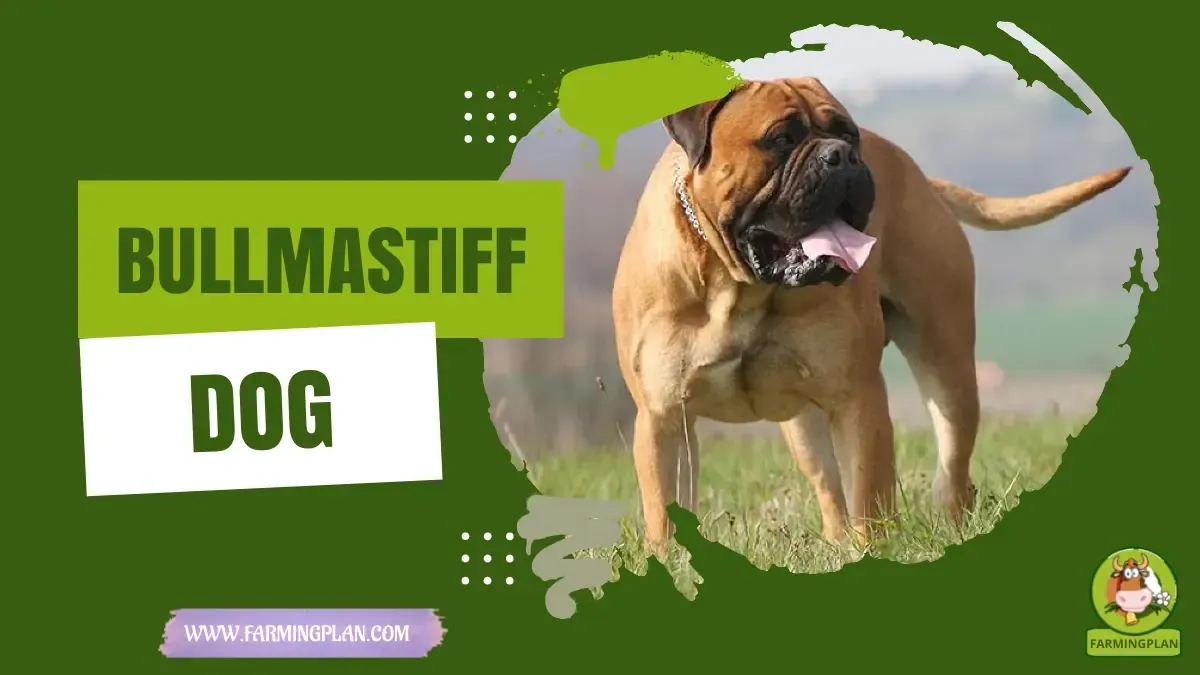
The American Kennel Club (AKC) standard specifies a powerfully built animal of substantial bone, symmetrical balance, and great strength without cumbersome heaviness. The body is compact and short-backed, conveying power, endurance, and sudden explosive agility over short distances. Matching forage or ration quality to life stage optimizes Bullmastiff Dog growth.
Cranial Architecture & The Black Mask
The skull is broad and square from every angle, featuring fair wrinkling when alert and a deep, broad muzzle that measures approximately one-third the total length of the head. The bite is slightly undershot or level. The eyes are dark hazel to dark brown, framed by medium-sized V-shaped pendant ears that lie close to the cheeks. Gradual dietary transitions protect digestive stability in Bullmastiff Dog.
The coat is short and dense, providing weather protection without trapping moisture. Permitted colors include red, fawn, or brindle. The defining hallmark is an intense black mask covering the muzzle and extending around the eye sockets, accentuating their serious guardian expression. Selecting healthy foundation stock is the cornerstone of successful Bullmastiff Dog management.
⚡ Bullmastiff Dog Performance & Production Matrix
| Color / Bloodline Variety | Adult Weight Range | Guarding & Prey Drive | Homestead & Estate Utility |
|---|---|---|---|
| Traditional Red & Black Mask | Males: 115–130 lbs | Females: 100–115 lbs | High territorial awareness; silent stalker | Perimeter security & coyote deterrence |
| Brindle (Camouflage) | Males: 120–135 lbs | Females: 105–120 lbs | Deep night tracking drive; low visibility | Night patrol of large forested acreage |
| Fawn & Black Mask | Males: 110–125 lbs | Females: 95–110 lbs | Calm, observant guardian; gentle with kids | Farmhouse companion & family deterrence |
| Heavy Working Line | Males: 125–140 lbs | Females: 110–125 lbs | Massive bone density; physical pinning | Estate defense & large predator protection |
Breed History, Heritage & The Gamekeeper’s Night Dog
During the Victorian era in 19th-century Britain, wealthy landed gentry maintained vast forested game estates stocked with pheasants, deer, and hares. Widespread poverty drove poachers into these private reserves. When Parliament enacted capital penalties for poaching, poachers frequently ambushed gamekeepers with shotguns and clubs rather than surrender.
Gamekeepers needed a specialized canine ally: heavier than a Bulldog to physically knock down an armed grown man, faster and more aggressive than the giant English Mastiff, and colored to blend seamlessly into moonlit forests. By crossing the English Mastiff (60%) with the Old English Bulldog (40%), they forged the Bullmastiff. Good predator-proofing and dry bedding safeguard Bullmastiff Dog comfort in harsh weather.
Gamekeepers selected strictly for dogs that attacked silently, tackling poachers and pinning them to the earth by their chest without mauling them. Dark brindle coats were preferred because they vanished against dark brush at night, allowing gamekeepers to surprise trespassers. Monitoring water quality and mineral balance directly benefits Bullmastiff Dog vitality.
The English Kennel Club granted official breed recognition in 1924, followed by the AKC in 1934. Today, American homesteaders celebrate the Bullmastiff as an unyielding, gentle family protector with a storied working history. Practical hands-on husbandry ensures consistent results when raising Bullmastiff Dog.
Housing, Kennel Dimensions & Summer Thermal Management
Due to their brachycephalic (short-muzzled) facial structure and massive muscular density, Bullmastiffs are exceptionally vulnerable to heatstroke. In hot, humid summer weather, they must be housed in air-conditioned living spaces maintained at 68°F to 74°F. Early intervention at the first sign of lethargy protects overall Bullmastiff Dog flock or herd health.
Heat Dissipation & Bedding Standards
Never leave a Bullmastiff outdoors in unshaded pastures during summer heat above 82°F. Strenuous exercise must be restricted to cool early morning hours. Always provide cool, fresh drinking water and shaded resting stations equipped with industrial misting fans. Structured culling and biosecurity protocols strengthen Bullmastiff Dog genetic quality.
For outdoor holding kennels, provide a minimum of 10×20 feet of secure run space surfaced with concrete or packed gravel. Fencing must stand at least 5 to 6 feet in height using heavy 9-gauge chain link. Lightweight farm wire will quickly buckle under their 120-pound leaning weight. Maintaining clean feeders and sanitized equipment supports sustainable Bullmastiff Dog care.
Inside the farmhouse, provide extra-thick orthopedic memory foam dog beds. Their heavy bone structure makes them susceptible to painful calluses, elbow bursitis (hygromas), and arthritis if forced to sleep on hard floors.
Nutritional Requirements, Daily Rations & Feeding Protocols
Fueling a giant working Bullmastiff requires a carefully formulated diet that maintains lean muscle mass and bone density without promoting rapid juvenile growth or adult obesity. Consistent daily observation helps keepers spot early changes in Bullmastiff Dog health and behavior.
Giant-Breed Caloric Density & Bloat Mitigation
Feed adult working Bullmastiffs a premium large-to-giant breed diet containing 24% to 28% crude protein and 12% to 16% crude fat sourced from clean animal proteins like lamb, chicken, or beef. Feed approximately 2,200 to 2,800 kcal daily divided into two strictly measured portions. Compare feeding regimens in our large working guard dog nutritional management guide. Clean housing, fresh water, and balanced nutrition remain essential for Bullmastiff Dog productivity.
Due to their broad, deep chest cavity, Bullmastiffs face high risk from Gastric Dilatation-Volvulus (bloat). Enforce a mandatory rest period of 60 minutes before and 90 minutes after eating before permitting outdoor exercise or patrol work. Avoid elevated food bowls unless specifically recommended by a veterinary surgeon. Tracking feed intake and body condition supports long-term Bullmastiff Dog performance.
Supplement with glucosamine hydrochloride, chondroitin sulfate, and marine-sourced Omega-3 fatty acids to nourish heavy cartilage subjected to the demands of boundary patrols and jumping. Following biosecurity best practices reduces disease risk in any Bullmastiff Dog operation.
Health Management, Genetic Screening & Biosecurity Standards
Like many giant breeds, the Bullmastiff has a relatively modest lifespan and faces hereditary health challenges that require rigorous pre-breeding screening and vigilant veterinary oversight. Seasonal adjustments to shelter and diet keep Bullmastiff Dog thriving year-round.
Orthopedic & Oncological Vulnerabilities
Hip Dysplasia (HD) and Elbow Dysplasia (ED) are common orthopedic concerns. All breeding stock must receive passing certifications from the Orthopedic Foundation for Animals (OFA) or PennHIP. Cruciate ligament tears can also occur due to sudden directional pivots under heavy body mass. Proper record-keeping makes breeding and culling decisions easier for Bullmastiff Dog keepers.
Subaortic Stenosis (SAS) and Dilated Cardiomyopathy (DCM) must be ruled out via cardiac auscultation and Doppler echocardiography. The breed is also predisposed to lymphoma and osteosarcoma in later years. Review health protocols via the American Veterinary Medical Association (AVMA) Canine Health Guidelines. Providing adequate space and ventilation prevents common stress issues in Bullmastiff Dog.
Maintain monthly veterinarian-approved flea, tick, and heartworm preventatives. Rural dogs patrolling pasture boundaries are at high risk for tick-borne pathogens like Lyme and Ehrlichiosis, which can trigger acute joint inflammation.
Breeding Management, Whelping & Working Socialization
Breeding Bullmastiffs requires uncompromising selection for stable nerves, sound physical structure, and verified orthopedic health clearances. Bitches should never be bred prior to 24 months of age, ensuring full pelvic bone maturity and official OFA clearances. Understanding breed-specific traits helps maximize Bullmastiff Dog longevity and output.
Whelping Management & Early Livestock Imprinting
Gestation spans 63 days on average. Litters are typically large, averaging 6 to 10 robust puppies. Construct a heavy-duty 5×5 foot whelping box equipped with interior perimeter roll rails to prevent massive bitches from accidentally suffocating neonates during sleep. Routine preventive care saves time and lowers veterinary costs for Bullmastiff Dog.
Early socialization is critical for this naturally protective breed. Between weeks 4 and 14, expose developing pups to friendly visitors, livestock sounds, farm machinery, and gentle handling. Controlled, calm introductions to farm livestock teach the pup impulse control and respect. For comparative puppy development, see our working guardian dog rearing guide. Matching forage or ration quality to life stage optimizes Bullmastiff Dog growth.
Puppies transition to large-breed growth food at 4 weeks and should remain with the dam and littermates until at least 8 to 9 weeks of age to establish proper bite inhibition and social pack hierarchy. Gradual dietary transitions protect digestive stability in Bullmastiff Dog.
US Ownership Budget & Annual Maintenance Costs
Investing in a working Bullmastiff involves planning for health-tested puppy acquisition, high-volume performance feed, professional working obedience instruction, and substantial veterinary reserves. Below is a detailed annual expenditure outline. Selecting healthy foundation stock is the cornerstone of successful Bullmastiff Dog management.
⚡ Estimated Annual Budget & Maintenance Costs (USD)
| Expense Category | Estimated Annual Cost Range (USD) | Cost Management Strategy |
|---|---|---|
| Puppy Purchase / Registered Working Line | $1,800.00 – $3,500.00 (One-time) | Select litters with OFA Excellent/Good hips, normal elbows, and cardiac clearances |
| Giant-Breed Quality Kibble | $950.00 – $1,500.00 annual | Buy commercial working kibbles in 40-lb pallet quantities through feed cooperatives |
| Veterinary Care & Preventatives | $550.00 – $1,100.00 annual | Maintain annual preventative wellness checkups and monthly tick/heartworm medication |
| Obedience Training & Socialization | $400.00 – $900.00 annual | Enroll in structured working obedience courses during the critical juvenile phase |
| Heavy-Duty Crates, Beds & Fencing | $350.00 – $750.00 annual | Invest in commercial steel transport crates and orthopedic memory foam beds |
🐕 Bullmastiff Dog Daily Calorie & Kibble Calculator
Calculate daily metabolizable energy (kcal/day), kibble cups, water, and monthly diet costs for your Bullmastiff Dog.
Frequently Asked Questions (FAQ)
Why was the Bullmastiff called the ‘Gamekeeper’s Night Dog’?
In 19th-century England, gamekeepers bred the Bullmastiff to protect expansive estates from armed poachers at night. The dogs were bred to track silently, tackle poachers, and pin them to the ground without severely injuring them until gamekeepers arrived.
Does a Bullmastiff bark a lot when guarding?
No, Bullmastiffs are exceptionally quiet guardians. They rarely bark without serious cause, preferring to patrol silently and position their massive frame between an intruder and their family. A bark or growl from an adult Bullmastiff signals an immediate, serious alert.
How do Bullmastiffs tolerate hot summer weather?
Bullmastiffs tolerate heat very poorly due to their short muzzle and heavy muscular frame. They can quickly succumb to fatal heatstroke in hot, humid weather. During summer, they must reside in air-conditioned spaces with outdoor activity restricted to cool mornings.
Are Bullmastiffs good family pets with children?
Yes, when properly raised and socialized, Bullmastiffs are remarkably gentle, patient, and affectionate with children. However, due to their massive physical size, all interactions with small children should be closely supervised to prevent accidental knockdowns.
What is the average lifespan of a Bullmastiff?
Like many giant canine breeds, the average lifespan of a Bullmastiff is 8 to 10 years. Sourcing puppies from health-tested parents with certified clear cardiac, hip, and elbow ratings, while maintaining lean body condition throughout life, maximizes their active longevity.
Expert Verdict & Next Steps
The Bullmastiff remains an unrivaled powerhouse of working capability, silent estate security, and loyal family companionship. For homesteaders who can provide early socialization, structured obedience training, and careful heat management, the Bullmastiff is a magnificent and protective partner. Good predator-proofing and dry bedding safeguard Bullmastiff Dog comfort in harsh weather.
Before bringing a puppy home, demand official OFA hip and elbow certifications and cardiologist cardiac clearances for both parents. Secure sturdy fencing and enroll in structured working obedience classes early. For additional farm guardian perspectives, explore our guide on the Rottweiler farm working dog breed.
📚Agricultural Reference & Scientific Citations
Standards and physiological data referenced in this guide comply with USDA Animal and Plant Health Inspection Service (APHIS), American Veterinary Medical Association (AVMA), and the FAO Domestic Animal Diversity Information System.


