

⚡ Doberman Pinscher Dog at a Glance: Key Specifications & Benchmarks
| AKC Breed Classification | Working Group (Bred in Germany for personal security & perimeter defense) |
| Mature Male Height & Weight | 26 to 28 inches (66 to 71 cm) at withers; 75 to 100 lbs (34 to 45 kg) |
| Mature Female Height & Weight | 24 to 26 inches (61 to 66 cm) at withers; 60 to 80 lbs (27 to 36 kg) |
| Coat Architecture | Short, dense, hard, and smooth single coat lying flat against skin |
| Color & Rust Markings | Black & rust, red & rust, blue & rust, fawn (Isabella) & rust |
| Working Temperament | Intensely loyal, vigilant, highly trainable, fearless, and people-bonded |
| Average Lifespan | 10 to 12 years with genetic screening for DCM and vWD |
| Homestead Guard Utility | Perimeter patrol, deterring large predators, and personal family protection |
The Doberman Pinscher stands among the world’s most formidable, intelligent, and loyal working canines. Developed in late 19th-century Germany by tax collector Karl Friedrich Louis Dobermann, the breed was engineered specifically to combine muscular deterrent power, sharp mental acuity, and unwavering loyalty to protect its handler against hostile human threats and roving predators. Providing adequate space and ventilation prevents common stress issues in Doberman Pinscher Dog.
On modern American homesteads and rural acreages, the Doberman Pinscher serves as an exceptional perimeter guard and personal guardian. For producers navigating our working farm dog care guides, understanding how to channel this breed’s high intelligence, drive, and protective instinct is essential for maintaining safety across your agricultural property. Understanding breed-specific traits helps maximize Doberman Pinscher Dog longevity and output.
Unlike livestock guardian dogs (LGDs) like the Great Pyrenees that live independently with sheep flocks in distant pastures, the Doberman is an intensely human-centric guardian. They position themselves directly between their handler and perceived danger, patrolling homestead boundaries with relentless vigilance and lightning-fast speed. Routine preventive care saves time and lowers veterinary costs for Doberman Pinscher Dog.
However, homesteaders must respect the immense energy and mental drive this breed possesses. Without clear leadership, daily physical exercise, and structured obedience conditioning, an under-stimulated Doberman can develop severe territorial reactivity or anxiety-driven habits that undermine farm harmony. Matching forage or ration quality to life stage optimizes Doberman Pinscher Dog growth.
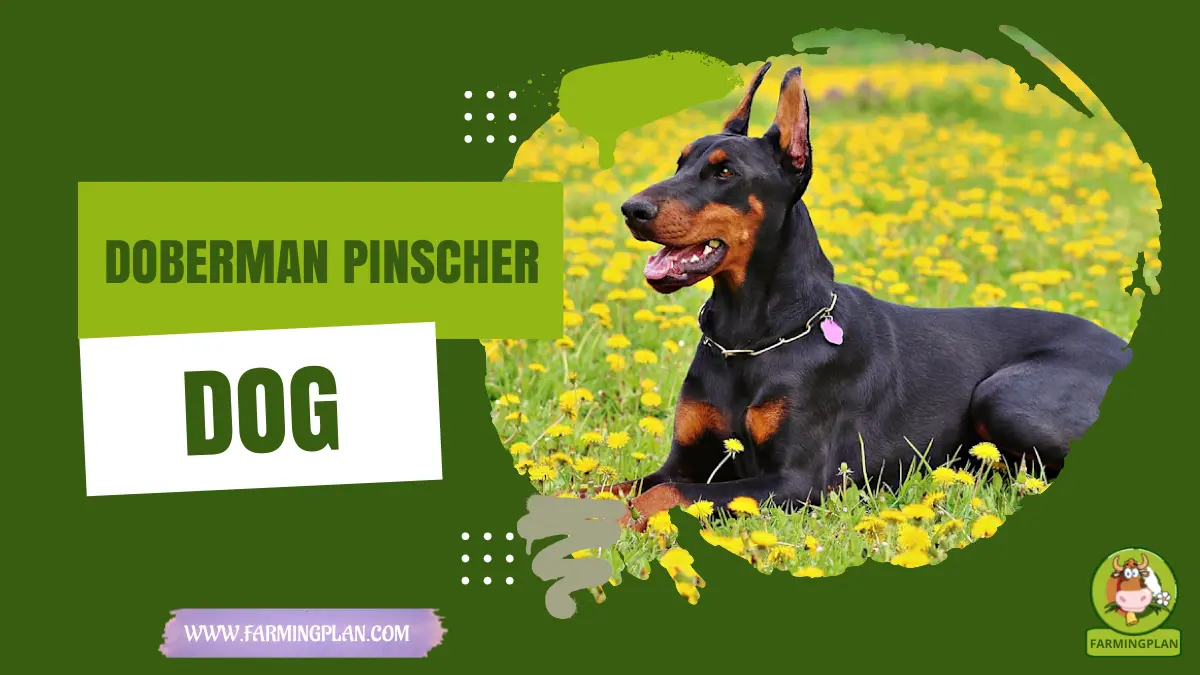
Physical Characteristics & Breed Standards
The American Kennel Club (AKC) standard specifies a dog of medium-large stature, with a compact, square-proportioned body that exemplifies muscular elegance and endurance. The backline slopes gently from well-developed withers to a muscular loin, creating an athletic silhouette engineered for sustained galloping and sudden changes of direction. Gradual dietary transitions protect digestive stability in Doberman Pinscher Dog.
Musculoskeletal Geometry & Markings
The chest is broad and deep, descending to the elbows to accommodate high cardiopulmonary capacity during vigorous work. Forelegs must stand perpendicular to the ground with dense, round bone structure, while the rear quarters exhibit powerful angulation through the stifle and hock joints to generate explosive forward drive. Selecting healthy foundation stock is the cornerstone of successful Doberman Pinscher Dog management.
The coat is short, hard, and glossy, adhering tightly to skin contours. Permitted colors include black, red, blue, and fawn, each adorned with well-defined rust markings above the eyes, on the muzzle, throat, chest, and lower limbs. White patches exceeding one-half square inch constitute a disqualifying fault. Good predator-proofing and dry bedding safeguard Doberman Pinscher Dog comfort in harsh weather.
⚡ Doberman Pinscher Dog Performance & Production Matrix
| Color Strain | Adult Weight Range | Working Drive Index | Homestead Guardian Specialization |
|---|---|---|---|
| Black & Rust | Males: 80–100 lbs | Females: 65–80 lbs | High working / protection drive | Perimeter fence security & family deterrence |
| Red & Rust | Males: 75–95 lbs | Females: 60–75 lbs | Moderate-high prey / chase drive | Coyote eradication & property boundary patrol |
| Blue & Rust | Males: 75–90 lbs | Females: 60–72 lbs | Moderate working drive; prone to CDA | Family protection; requires skin lipid management |
| Fawn (Isabella) | Males: 70–85 lbs | Females: 58–70 lbs | Moderate drive; sensitive skin barrier | Estate security; needs cold-weather shelter |
Breed History, Heritage & North American Development
In the town of Apolda in Thuringia, Germany, Karl Friedrich Louis Dobermann served as local tax collector, night police officer, and municipal dog catcher during the 1880s. Facing regular ambushes by highwaymen while transporting cash, Dobermann selectively crossed local breeds to forge an intimidating personal protection dog. Monitoring water quality and mineral balance directly benefits Doberman Pinscher Dog vitality.
His breeding foundation combined the old German Pinscher, the ancestral Rottweiler butcher dog, the agile Beauceron sheepdog, and the smooth-coated Black and Tan Terrier (ancestor of the Manchester Terrier). Later refinements introduced the Greyhound to enhance skeletal streamlining, stride length, and top-end speed. Practical hands-on husbandry ensures consistent results when raising Doberman Pinscher Dog.
Following Louis Dobermann’s death in 1894, German breeder Otto Goeller codified the breed standard and established the National Dobermann Club. During World War I and World War II, the Doberman served with distinction as military messengers, sentry patrol canines, and search dogs, earning the revered title “Devil Dog” from the US Marine Corps in the Pacific theater.
In modern North America, working Dobermans participate in Schutzhund/IGP dog sports, police tracking, search and rescue, and rural property defense, showcasing a rare balance of disciplined obedience and defensive courage. Early intervention at the first sign of lethargy protects overall Doberman Pinscher Dog flock or herd health.
Housing, Kennel Dimensions & Winter Hardiness
Due to their short single coat and minimal subcutaneous fat, Dobermans lack the cold tolerance of double-coated farm breeds like German Shepherds or Anatolian Shepherds. They cannot be housed in unheated outdoor kennels during freezing winter spells without suffering severe thermal distress or frostbite. Structured culling and biosecurity protocols strengthen Doberman Pinscher Dog genetic quality.
Shelter Engineering & Fencing Security
Working Dobermans must sleep inside climate-controlled structures maintained at 65°F to 72°F during winter. If utilizing an outdoor holding kennel during daytime chores, provide a concrete pad with rubber matting, an insulated dog house, and overhead shade netting to shield against summer sunstroke. Maintaining clean feeders and sanitized equipment supports sustainable Doberman Pinscher Dog care.
Perimeter fencing around homestead exercise runs must measure at least 5 to 6 feet in height, constructed of heavy 9-gauge chain link or 2×4-inch non-climb horse wire. An athletic adult Doberman can easily clear a 4-foot fence from a standing leap if stimulated by deer or roaming coyotes. Consistent daily observation helps keepers spot early changes in Doberman Pinscher Dog health and behavior.
Enrichment is essential to curb boredom. Rotate chew toys, provide structured daily field runs, and incorporate scent games across farm acreage to satisfy their high cognitive problem-solving drive. Clean housing, fresh water, and balanced nutrition remain essential for Doberman Pinscher Dog productivity.
Nutritional Requirements, Daily Rations & Feeding Protocols
An active working Doberman burns immense caloric energy patrolling property boundaries and running drills. Their deep chest conformation also makes them susceptible to Gastric Dilatation-Volvulus (GDV, or bloat), requiring strict meal management. Tracking feed intake and body condition supports long-term Doberman Pinscher Dog performance.
Caloric Intake & Bloat Mitigation Ratios
Working adult Dobermans require 26% to 30% high-quality crude protein and 15% to 18% crude fat sourced primarily from named meat proteins such as beef, chicken, or lamb. Feed working adults approximately 2,100 to 2,800 kcal daily divided into two strictly measured portions. Compare feeding regimens in our working canine nutritional management guide. Following biosecurity best practices reduces disease risk in any Doberman Pinscher Dog operation.
To reduce life-threatening bloat risk, never feed an adult Doberman a single massive daily meal. Restrict strenuous running, jumping, and vigorous patrol work for at least 60 minutes before and 90 minutes after feeding. Avoid elevated feeding stands unless advised by a veterinary surgeon, as recent clinical studies show ground-level feeding can lower gas ingestion. Seasonal adjustments to shelter and diet keep Doberman Pinscher Dog thriving year-round.
Supplement working dogs with joint nutraceuticals including glucosamine hydrochloride, chondroitin sulfate, and marine-derived Omega-3 fatty acids to protect heavy joint cartilage subjected to high-impact jumping and fast-paced boundary patrolling. Proper record-keeping makes breeding and culling decisions easier for Doberman Pinscher Dog keepers.
Health Management, Common Diseases & Biosecurity Standards
While athletic and imposing, the Doberman Pinscher faces severe hereditary health challenges that require rigorous genetic screening before acquisition and ongoing clinical monitoring throughout life.
Cardiovascular & Bleeding Disorders
Dilated Cardiomyopathy (DCM) is the primary fatal disease affecting the breed, causing progressive ventricular dilation and sudden cardiac failure. All breeding stock must undergo annual Holter monitoring (24-hour ambulatory ECG) and echocardiograms. Von Willebrand’s Disease (vWD), an inherited platelet-clotting disorder, must also be verified clear via DNA testing prior to breeding. Providing adequate space and ventilation prevents common stress issues in Doberman Pinscher Dog.
Cervical Spondylomyelopathy (Wobbler Syndrome), involving compression of the cervical spinal cord, can manifest in mature dogs, leading to an unsteady, wobbly gait in the hindquarters. Review official clinical care standards through the American Veterinary Medical Association (AVMA) Canine Health Guidelines to keep working companions on proper immunization and diagnostic schedules. Understanding breed-specific traits helps maximize Doberman Pinscher Dog longevity and output.
Implement comprehensive biosecurity against tick-borne pathogens, including Lyme disease and Ehrlichiosis, which can quickly degrade a working dog’s performance in rural fields. Apply monthly veterinarian-approved isoxazoline parasiticide treatments. Routine preventive care saves time and lowers veterinary costs for Doberman Pinscher Dog.
Breeding Management, Whelping & Working Development
Breeding working Dobermans requires uncompromising selection for stable nerve threshold, sound physical conformation, and complete genetic clearances. Bitches should never be bred prior to 24 months of age, ensuring final OFA hip scoring, cardiac clearance, and eye certification are officially logged. Matching forage or ration quality to life stage optimizes Doberman Pinscher Dog growth.
Whelping Management & Early Imprinting
Gestation spans 63 days on average. Large litters of 7 to 10 puppies are common, requiring a heavy-duty whelping box equipped with interior perimeter crush rails to prevent large bitches from accidentally smothering neonates during sleep. Gradual dietary transitions protect digestive stability in Doberman Pinscher Dog.
Implement Early Neurological Stimulation (ENS) from days 3 through 16 to enhance cardiovascular performance and stress tolerance. Introduce environmental obstacles, varied footing textures, livestock scents, and calm obedience cues beginning at 5 weeks. For comparative working puppy development, review our large working companion dog rearing guide. Selecting healthy foundation stock is the cornerstone of successful Doberman Pinscher Dog management.
Puppies transition to high-protein puppy crumbles at 4 weeks and should remain with the dam and littermates until at least 8 to 9 weeks of age to ensure proper bite inhibition and dog-to-dog social communication. Good predator-proofing and dry bedding safeguard Doberman Pinscher Dog comfort in harsh weather.
US Ownership Budget & Annual Maintenance Costs
Owning and conditioning an elite working Doberman involves substantial investment in health-tested bloodlines, high-volume performance feed, professional working obedience instruction, and veterinary diagnostics. Below is a detailed annual expenditure forecast. Monitoring water quality and mineral balance directly benefits Doberman Pinscher Dog vitality.
⚡ Estimated Annual Budget & Maintenance Costs (USD)
| Expense Category | Estimated Annual Cost Range (USD) | Cost Management Strategy |
|---|---|---|
| Puppy Purchase / Proven Working Line | $2,000.00 – $4,500.00 (One-time) | Select litters with documented OFA hips, vWD clear, and annual Holter cardiac clears |
| Performance Protein Diet (Large Breed) | $850.00 – $1,350.00 annual | Buy commercial working kibbles in 40-lb pallet quantities through feed cooperatives |
| Veterinary Care, Holter & Preventatives | $600.00 – $1,100.00 annual | Rent Holter monitors via breed clubs; maintain monthly flea, tick, and heartworm meds |
| Obedience & Working Protection Training | $400.00 – $1,200.00 annual | Join regional Schutzhund/working dog clubs for structured group decoy training |
| Heavy-Duty Gear, Bedding & Fencing | $250.00 – $600.00 annual | Invest in leather tracking harnesses, biothane leads, and heavy kennel fencing |
🐕 Doberman Pinscher Dog Daily Calorie & Kibble Calculator
Calculate daily metabolizable energy (kcal/day), kibble cups, water, and monthly diet costs for your Doberman Pinscher Dog.
Frequently Asked Questions (FAQ)
Can a Doberman Pinscher live outdoors year-round on a farm?
No, Dobermans cannot live outdoors year-round in temperate or cold climates. Their short single coat and lack of insulating underwool leave them vulnerable to hypothermia and frostbite. They must sleep inside heated homes or insulated farm utility offices.
How do Dobermans interact with chickens and farm livestock?
Dobermans possess high prey drive and will instinctively chase moving poultry, sheep, or goats if not conditioned early. With thorough early desensitization and firm impulse-control training, they learn to ignore livestock while maintaining vigilant perimeter defense.
Are Doberman Pinschers difficult to train?
No, Dobermans are among the top five smartest dog breeds globally. They learn commands rapidly and thrive under consistent, fair, positive-reinforcement obedience work. However, their sharp intelligence means they will exploit inconsistent or hesitant handling.
What is the leading cause of death in Doberman Pinschers?
Dilated Cardiomyopathy (DCM) is the primary health threat, affecting an estimated 50% or more of the global breed population over their lifetime. Annual Holter cardiac monitoring and echocardiograms are mandatory for early medical intervention.
How much daily exercise does an adult Doberman require?
An adult Doberman requires a minimum of 60 to 90 minutes of vigorous daily physical activity combined with mental engagement. Running, tracking drills, boundary patrols, and agility work are necessary to prevent frustration and behavioral problems.
Expert Verdict & Next Steps
The Doberman Pinscher remains the gold standard for personal protection, farmstead perimeter defense, and working obedience. Their unmatched physical speed, formidable presence, and fierce devotion create an impenetrable security barrier for rural families willing to invest in disciplined training and health management. Practical hands-on husbandry ensures consistent results when raising Doberman Pinscher Dog.
Before acquiring a puppy, insist on reviewing sire and dam OFA hip ratings, DNA testing for vWD, and recent 24-hour Holter monitoring reports. Secure proper fencing and enroll in structured working obedience courses early. For broader rural working canine strategies, explore our guide on herding and farm security dogs.
📚Agricultural Reference & Scientific Citations
Standards and physiological data referenced in this guide comply with USDA Animal and Plant Health Inspection Service (APHIS), American Veterinary Medical Association (AVMA), and the FAO Domestic Animal Diversity Information System.


