

⚡ Bernese Mountain Dog at a Glance: Key Specifications & Benchmarks
| Scientific Name | Canis lupus familiaris (Working Sennenhund Class) |
| Breed Origin | Canton of Bern, Switzerland (Alpine Dürrbach region) |
| Historic Working Role | Dairy cattle droving, milk cart draft hauling, farm watchdog |
| Mature Male Weight | 85 to 115 lbs (38.5 to 52.0 kg) |
| Mature Female Weight | 70 to 95 lbs (31.8 to 43.0 kg) |
| Mature Male Height | 25 to 27.5 inches (63.5 to 70.0 cm) at the shoulder |
| Mature Female Height | 23 to 26 inches (58.5 to 66.0 cm) at the shoulder |
| Distinctive Markings | Symmetrical tricolor coat (jet-black base, rust points, clean white blaze and chest) |
The Bernese Mountain Dog, affectionately known as the ‘Berner,’ is one of the four traditional Swiss Sennenhund breeds developed in the agricultural heartland of the Canton of Bern. Originating around the pastoral dairy village of Dürrbach, this gentle giant was bred by alpine farmers as a multi-purpose utility partner capable of pulling heavy milk carts to cheese cooperatives, droving cattle up mountain pastures, and guarding the farmstead at night. Monitoring water quality and mineral balance directly benefits Bernese Mountain Dog vitality.
Characterized by its striking tricolor coat, immense bone substance, and remarkably placid, affectionate temperament, the Bernese Mountain Dog has captured the hearts of rural homesteaders and active families across North America. Explore broader working dog husbandry strategies in our comprehensive farm working dogs training and care directory.
Despite their imposing physical size, Berners are famous for their gentle nature, earning the nickname ‘gentle giants.’ They are exceptionally patient with children and respectful of small livestock, naturally monitoring farm boundaries without excessive aggression.
Their thick, weather-resistant double coat allows them to thrive in freezing northern winters and heavy snowstorms, finding genuine joy in outdoor winter farm work.
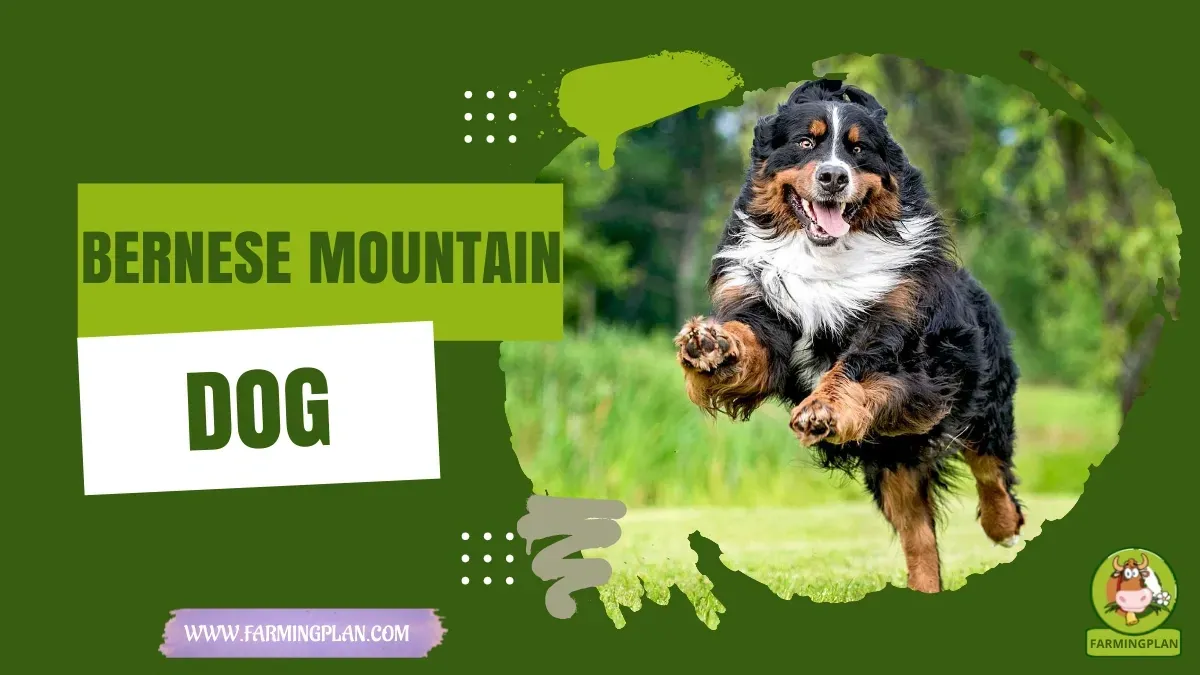
Physical Characteristics & Breed Standards
The Bernese Mountain Dog is a large, sturdy, well-balanced working dog built for heavy draft labor and surefooted alpine travel. The silhouette is slightly longer than tall, combining heavy bone density with muscular agility. Practical hands-on husbandry ensures consistent results when raising Bernese Mountain Dog.
Conformation judges prioritize functional symmetry, calm self-assurance, and fluid, ground-covering movement that reflects the breed’s historic draft endurance.
Conformation Standards & Anatomical Structure
The head is flat on top with a moderate stop and strong, straight muzzle. The eyes are dark brown, almond-shaped, and radiate a gentle, intelligent expression. The ears are medium-sized, triangular with rounded tips, set high and hanging close to the cheeks.
The body is compact and muscular, supported by a broad, level back, strong loins, and a deep chest reaching at least to the elbows. The tail is bushy, carried low at rest and rising with a gentle swirl when alert. Forelegs are straight and heavy-boned, with compact, arched cat-like feet.
Hindquarters are broad and powerful with well-angulated stifles, providing the immense driving leverage needed to pull carts weighing multiple times their body mass. Early intervention at the first sign of lethargy protects overall Bernese Mountain Dog flock or herd health.
Size, Weight Benchmarks & Color Variations
Mature males stand 25 to 27.5 inches at the shoulder and weigh 85 to 115 lbs, while females measure 23 to 26 inches and weigh 70 to 95 lbs.
The coat is thick, moderately long, and slightly wavy or straight with a radiant natural sheen. Markings must be strictly tricolor: a jet-black ground color, rich rust red over each eye, on cheeks, chest, and legs, with clean white markings forming a muzzle blaze, chest cross, white paws, and white tail tip.
Paws carry thick, resilient pads that insulate against frozen alpine snow and sharp rocky trails.
⚡ Bernese Mountain Dog Performance & Production Matrix
| Evaluation Metric | AKC Breed Standard Metric | Homestead / Draft Advantage | Management Consideration |
|---|---|---|---|
| Mature Body Weight | 70 – 115 lbs | Immense drafting traction and natural physical deterrence | Requires large-breed food budgets and spacious transport |
| Draft Carting Ability | High (Can pull 3x body weight) | Easily hauls firewood, harvest bins, and garden supplies | Draft training should begin only after joint plates close |
| Temperament Score | 9.8 / 10 Kind & Patient | Outstanding safety around toddlers and farm poultry | Prone to separation anxiety if isolated from family |
| Cold Hardiness | Extreme Winter Tolerance | Thrives in freezing sub-zero snow and mountain chills | Highly vulnerable to heatstroke; requires cool summer rest |
| Lifespan Expectancy | 7 to 10 Years | Deeply rewarding family bond during working years | Requires rigorous genetic screening for histiocytic cancer |
Breed History, Heritage & North American Development
The roots of the Bernese Mountain Dog trace back over two thousand years to heavy mastiff-type Molosser war dogs brought across the Alps by invading Roman legions. Crossed with native Swiss pastoral herders, these dogs evolved into the rugged Sennenhund farm types.
By the late nineteenth century, industrialization, modern dairy machinery, and the importation of foreign dog breeds pushed the native Dürrbächler to near extinction. In 1892, innkeeper Franz Schertenleib discovered remnants of the pure breed in rural Emmental and began revitalization efforts. Structured culling and biosecurity protocols strengthen Bernese Mountain Dog genetic quality.
Noted Swiss cynologist Professor Albert Heim joined the preservation campaign, standardizing the breed under the name Bernese Mountain Dog (Berner Sennenhund) in 1908. The American Kennel Club formally recognized the breed in 1937.
Today, Berners participate actively in carting trials, draft tests, search-and-rescue work, and therapy programs, maintaining their beloved role as America’s favorite gentle working farm giant.
Housing, Shelter Dimensions & Winter Hardiness
Bernese Mountain Dogs must live as fully integrated household family members. While they enjoy outdoor farm chores during the day, their deep emotional attachment to humans makes them unsuitable for continuous outdoor isolation in kennels.
A securely fenced yard with four- to five-foot fencing provides safe exercise space. Berners are not prone to fence jumping, but they may lean against loose boards if motivated to follow handlers. Maintaining clean feeders and sanitized equipment supports sustainable Bernese Mountain Dog care.
Spatial Density & Enclosure Engineering
On working acreage, Berners thrive following owners between barns, pastures, and garden plots. However, their slow-maturing joints require protection from slick hardwood or tile floors, which can cause slipping injuries.
Provide large, orthopedic memory foam beds in cool, air-conditioned areas during summer. Their thick black coat absorbs intense solar heat rapidly, demanding shaded loafing sheds, fresh water stations, and restricted outdoor exercise during midday heat.
In winter months, Berners gladly sleep in snowdrifts; ensure clean, dry outdoor shelters with straw bedding are available when they choose to remain outdoors.
Nutritional Requirements, Daily Rations & Feeding Protocols
The Bernese Mountain Dog requires high-quality large-breed nutrition engineered to support heavy bone structure, lean muscling, and coat brilliance without promoting rapid or excessive weight gain. Consistent daily observation helps keepers spot early changes in Bernese Mountain Dog health and behavior.
Feed a premium large-breed formula providing 24% to 28% protein and moderate fat (12% to 15%) derived from named animal proteins like lamb, chicken, or whitefish. For comparative working dog feeding regimens, see our Rhodesian Ridgeback canine care and training profile.
Crude Protein Benchmarks Across Life Stages
Puppies must receive dedicated large-breed puppy kibble with carefully controlled calcium (1.2% to 1.5%) and phosphorus ratios to ensure slow, steady skeletal growth across their first 18 to 24 months.
Adult dogs typically consume 3.5 to 5.0 cups of dry kibble daily, divided into two distinct meals. Enforce a mandatory one-hour rest period before and after meals to mitigate life-threatening gastric dilatation-volvulus (bloat) risks.
Supplementing with glucosamine, chondroitin, and omega-3 fatty acids from fish oil provides vital anti-inflammatory support for heavy hips and elbows.
Health Management, Common Diseases & Biosecurity Standards
The primary heartbreak of the Bernese Mountain Dog is its comparatively short lifespan, averaging seven to ten years. The breed is disproportionately afflicted by histiocytic sarcoma (an aggressive canine cancer), hip dysplasia, elbow dysplasia, and bloat. Clean housing, fresh water, and balanced nutrition remain essential for Bernese Mountain Dog productivity.
Proactive breeders utilize DNA testing and pedigrees from the Berner-Garde Foundation database to extend longevity and reduce cancer incidence. Access national veterinary standards through the American Veterinary Medical Association (AVMA).
Biosecurity Protocols & Veterinary Defenses
Discuss prophylactic gastropexy with your veterinary surgeon during spay or neuter surgery to prevent fatal stomach twisting during bloat episodes. Schedule annual veterinary wellness visits with full blood chemistry panels.
Brush their dense double coat two to three times weekly with an undercoat rake and slicker brush to remove loose undercoat and prevent painful skin hot spots. Check ears weekly for moisture accumulation.
Maintain body weight at a lean, athletic condition; every extra pound places severe structural strain on their heavy joints. Tracking feed intake and body condition supports long-term Bernese Mountain Dog performance.
Breeding Management, Carting Training & Puppy Development
Breeding Bernese Mountain Dogs requires absolute dedication to health screening. Breeding stock must possess certified OFA clearances for hips, elbows, cardiac health, eyes, and degenerative myelopathy (DM) DNA testing.
Litters average six to nine robust puppies, with dams displaying calm, attentive maternal care. For related livestock guardian breeding insights, examine our profile on the Alaskan Malamute working traits and draft conditioning.
Puppy socialization between three and sixteen weeks is vital. Expose puppies to farm animals, tractor noises, and varied foot surfaces to build confident, unflappable temperaments.
Begin introductory draft carting training only after eighteen months of age when growth plates have fully fused, starting with an empty travois or lightweight cart. Following biosecurity best practices reduces disease risk in any Bernese Mountain Dog operation.
US Ownership Budget & Annual Maintenance Costs
Investing in a Bernese Mountain Dog requires realistic budgeting for initial puppy purchase from a health-tested preservation breeder, substantial monthly feed volumes, and premium veterinary care.
The budget schedule below outlines typical startup costs and ongoing annual operational expenses for maintaining a Bernese Mountain Dog on a homestead.
💰 Estimated Annual Budget & Maintenance Costs (USD)
| Budget Category | Item Description & Scope | Initial Capital Outlay | Annual Recurring Expense |
|---|---|---|---|
| Health-Screened Puppy Purchase | AKC registered puppy from OFA and Berner-Garde tested parents | $1,800 – $3,500 | $0.00 |
| Working Draft Cart & Harness | Siwash draft harness, two-wheeled farm cart or wagon | $450 – $1,200 | $50 – $100 |
| Large-Breed Canine Nutrition | High-protein dry kibble (approx. 50–60 lbs monthly) | $0.00 | $950 – $1,400 |
| Veterinary Care & Health Screens | Annual exam, core vaccines, joint radiographs, heartworm meds | $0.00 | $550 – $1,100 |
| Grooming Supplies & High-Velocity Dryer | Undercoat rake, slicker brush, forced-air dog dryer, shampoos | $200 – $450 | $75 – $150 |
| Orthopedic Bedding & Crating | XXL orthopedic memory foam beds, heavy wire crate | $250 – $550 | $50 – $100 |
🐕 Bernese Mountain Dog Daily Calorie & Kibble Calculator
Calculate daily metabolizable energy (kcal/day), kibble cups, water, and monthly diet costs for your Bernese Mountain Dog.
Frequently Asked Questions (FAQ)
How much weight can a Bernese Mountain Dog pull in a cart?
A conditioned adult Bernese Mountain Dog can easily pull two to three times its own body weight (200 to 350 lbs) in a balanced two-wheeled cart or four-wheeled wagon across level farm terrain.
Why do Bernese Mountain Dogs have a short lifespan?
The breed has a high genetic susceptibility to malignant cancers, particularly histiocytic sarcoma, as well as joint disorders and bloat, keeping their average lifespan between seven and ten years.
Do Bernese Mountain Dogs shed a lot of hair?
Yes. Berners have a dense double coat that sheds continuously year-round, with heavy seasonal blowouts in spring and autumn that require daily brushing with an undercoat rake to manage loose hair.
Are Bernese Mountain Dogs good with farm chickens and cats?
Yes. Berners possess very low predatory chase drive compared to hounds or terriers. With gentle puppyhood boundaries, they are remarkably peaceful and safe around chickens, ducks, barn cats, and small livestock.
How do Bernese Mountain Dogs handle hot summer weather?
Poorly. Their heavy black double coats absorb heat rapidly, making them highly prone to heat exhaustion. In hot summer weather, they must have air-conditioned indoor quarters and cool shade.
Expert Verdict & Next Steps for US Homesteaders
The Bernese Mountain Dog is the ultimate gentle farm companion, combining majestic tricolor beauty with practical draft hauling power and unconditional love. For families seeking a devoted, calm partner for cool climates and light farm duties, the Berner is unmatched.
Before acquiring a puppy, verify that the breeder registers litters with Berner-Garde and conducts OFA clearances across multiple generations. Compare other large working breeds by reading our guide on Collie herding traits and family care.
📚Agricultural Reference & Scientific Citations
Standards and physiological data referenced in this guide comply with USDA Animal and Plant Health Inspection Service (APHIS), American Veterinary Medical Association (AVMA), and the FAO Domestic Animal Diversity Information System.


