

⚡ Rhodesian Ridgeback Dog at a Glance: Key Specifications & Benchmarks
| Scientific Name | Canis lupus familiaris (Hound Group Class) |
| Breed Origin | Southern Africa (Zimbabwe / South Africa) |
| Historic Role | Big game tracking (African Lion Hound), homestead defense, perimeter sentry |
| Mature Male Weight | 85 to 95 lbs (38.5 to 43.0 kg) |
| Mature Female Weight | 70 to 80 lbs (31.8 to 36.3 kg) |
| Mature Male Height | 25 to 27 inches (63.5 to 68.5 cm) at the shoulder |
| Distinctive Mark | Dorsal hair ridge growing forward opposite coat grain, flanked by two identical crowns |
| Average Lifespan | 10 to 12 years under active athletic conditioning and balanced nutrition |
The Rhodesian Ridgeback is a dignified, muscular hound developed in southern Africa to track large game and defend remote farmsteads against formidable apex predators. Known historically as the African Lion Hound, this athletic guardian was forged by crossing indigenous Khoikhoi ridged dogs with European imports including Great Danes, Mastiffs, Greyhounds, and Bloodhounds. Monitoring water quality and mineral balance directly benefits Rhodesian Ridgeback Dog vitality.
Modern homesteaders and livestock producers value the Ridgeback for fearless loyalty, clean house manners, and keen perimeter sentry capability. Whether you protect large rural acreage or seek dependable working companions through our farm working dogs training and care directory, the Ridgeback offers extraordinary athletic versatility. Practical hands-on husbandry ensures consistent results when raising Rhodesian Ridgeback Dog.
Unlike noisy guardian breeds that bark constantly, the Rhodesian Ridgeback is a silent watchdog. They observe quietly, analyzing potential threats before taking decisive action. When an intruder approaches a homestead, their deep, resonant bark and imposing physical presence provide formidable deterrence.
These hounds form intense attachments to their human families. While naturally reserved and aloof toward unfamiliar visitors, they show immense affection and playful tenderness with children inside their home boundary, balancing protective power with gentle loyalty. Early intervention at the first sign of lethargy protects overall Rhodesian Ridgeback Dog flock or herd health.
Physical Characteristics & Breed Standards
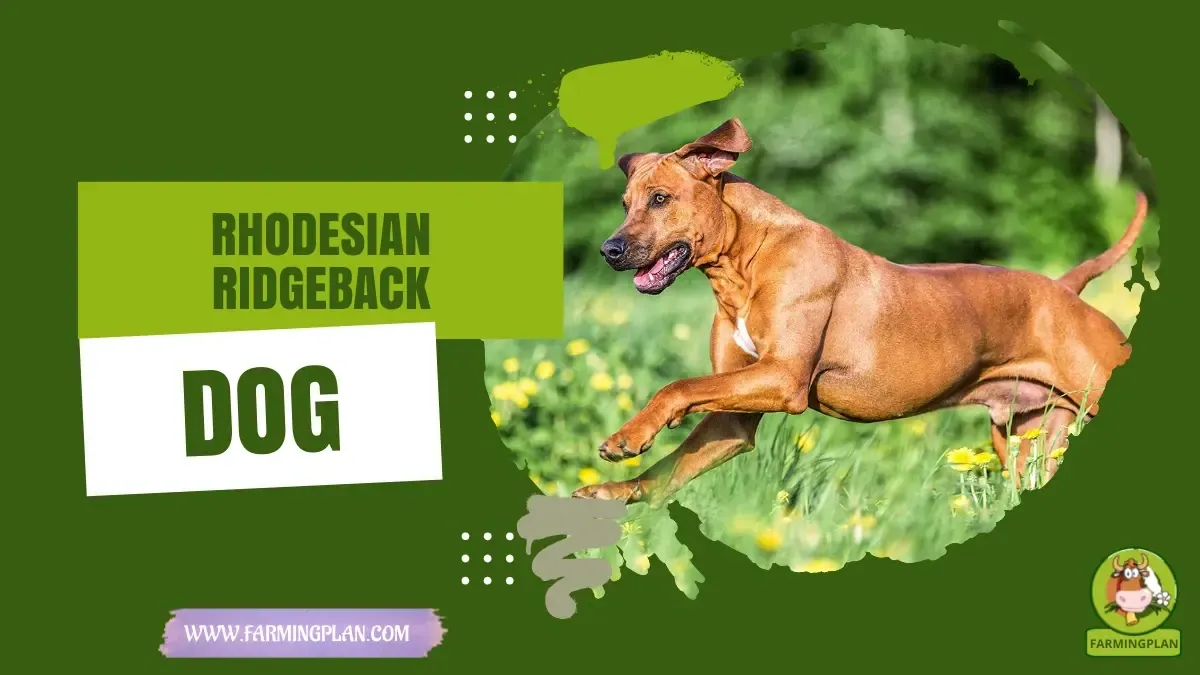
The Rhodesian Ridgeback presents a clean, symmetrical silhouette balancing athletic power and explosive speed. The body is built for sustained trotting across rough, thorny terrain without showing fatigue. Structured culling and biosecurity protocols strengthen Rhodesian Ridgeback Dog genetic quality.
Breed standards mandate an athletic, deep-chested hound with clean musculature and zero coarseness. The coat is short, dense, sleek, and glossy, shedding burrs and resisting external parasites naturally.
Conformation Standards & Anatomical Structure
The head is of fair length, with a flat skull broad between the ears and a distinct stop. The eyes are round, bright, and sparkling with intelligent expression, matching coat pigmentation (dark eyes with black noses, amber eyes with brown liver noses). Maintaining clean feeders and sanitized equipment supports sustainable Rhodesian Ridgeback Dog care.
The back is powerful, loins are strong and slightly arched, and the chest is exceptionally deep with well-sprung ribs that do not appear barrel-shaped. The legs are straight, strong-boned, and supported by tight, round, arched toes with thick protective pads. Consistent daily observation helps keepers spot early changes in Rhodesian Ridgeback Dog health and behavior.
A correct tail is strong at the base, tapering gradually toward the hock joint, carried with a gentle upward curve when alert without curling over the back. This balanced tail structure aids stability when making high-speed turns.
Size, Weight Benchmarks & Color Variations
Mature males stand 25 to 27 inches at the shoulder, weighing 85 to 95 lbs, while females stand 24 to 26 inches and weigh 70 to 80 lbs. The breed standard emphasizes balance and proportion over sheer bulk. Clean housing, fresh water, and balanced nutrition remain essential for Rhodesian Ridgeback Dog productivity.
Coat colors range from light wheaten to red wheaten. The hallmark ridge of hair along the spine must be clearly defined, symmetrical, tapering toward the hips, starting behind the shoulders with two identical opposite crowns. Tracking feed intake and body condition supports long-term Rhodesian Ridgeback Dog performance.
⚡ Rhodesian Ridgeback Dog Performance & Production Matrix
| Functional Benchmark | Breed Standard Metric | Homestead Advantage | Management Consideration |
|---|---|---|---|
| Mature Body Weight | 70 – 95 lbs | Formidable deterrence against trespassers and predators | Requires early leash manners and socialization |
| Running Speed | Up to 30 mph in bursts | Easily pursues and intercepts fast-moving coyotes | Needs secure 5 to 6-foot perimeter boundary fences |
| Prey Drive Level | High (Scent & Sight Hound) | Excellent varmint and wild hog tracking capability | Must be trained carefully around poultry and barn cats |
| Coat Maintenance | Low (Short Wheaten Hair) | Repels burrs, mud, and external ticks easily | Needs insulated shelter during sub-zero northern freezes |
| Watchdog Temperament | Quiet, Alert, Discerning | Barks only when genuine threats materialize | Naturally aloof with strangers; early socialization vital |
Breed History, Heritage & North American Development
The Rhodesian Ridgeback developed in the rugged veld of southern Africa during the sixteenth and seventeenth centuries. European settlers crossed their utility dogs with semi-feral Khoikhoi hunting dogs, noticing that ridged offspring possessed remarkable resistance to local ticks, fly bites, and venomous snakes.
In the 1870s, missionary Charles Helm brought two ridged bitches to Matabeleland (modern Zimbabwe), where famed big-game hunter Cornelius van Rooyen bred them into his lion-hunting pack. The dogs demonstrated extraordinary agility, teasing and baying lions at close quarters without engaging in suicidal combat until the hunter arrived. Following biosecurity best practices reduces disease risk in any Rhodesian Ridgeback Dog operation.
In 1922, a consortium of African breeders convened in Bulawayo to establish the official breed standard based on the Dalmatian standard. The American Kennel Club formally recognized the Rhodesian Ridgeback in 1955, solidifying its international reputation as an elite family and farm protector. Seasonal adjustments to shelter and diet keep Rhodesian Ridgeback Dog thriving year-round.
Today, the breed’s functional versatility expands far beyond hunting. Farmers across North America deploy Ridgebacks to patrol livestock boundaries against wild pigs, coyotes, and stray dogs while appreciating their calm domestic behavior indoors.
Housing, Shelter Dimensions & Winter Hardiness
Rhodesian Ridgebacks require spacious homestead environments paired with secure boundary fencing. These athletic hounds possess incredible leaping ability, easily clearing standard four-foot fences if stimulated by wildlife or neighboring livestock. Proper record-keeping makes breeding and culling decisions easier for Rhodesian Ridgeback Dog keepers.
Perimeter yards should feature sturdy five- to six-foot chain-link, wooden privacy, or smooth wire fencing. Avoid underground electronic fencing alone, as high prey drive will cause an excited Ridgeback to breach the boundary in pursuit of deer. Providing adequate space and ventilation prevents common stress issues in Rhodesian Ridgeback Dog.
Spatial Density & Enclosure Engineering
While Ridgebacks thrive outdoors during work hours, they are devoted companions that should sleep indoors with the family. Their short, single coat provides minimal insulation against freezing northern rains and sub-zero temperatures.
In outdoor kennels, provide raised, draft-free insulated dog houses bedded with cedar shavings or rubber mats. During summer months, supply abundant shade and kiddie pools, as Ridgebacks enjoy cooling their paws after rigorous exercise. Understanding breed-specific traits helps maximize Rhodesian Ridgeback Dog longevity and output.
Provide clean resting platforms indoors to cushion their heavy joints against cold concrete or hardwood flooring, preventing elbow calluses and hygromas common in large canine breeds. Routine preventive care saves time and lowers veterinary costs for Rhodesian Ridgeback Dog.
Nutritional Requirements, Daily Rations & Feeding Protocols
As an energetic, large-breed canine, the Rhodesian Ridgeback requires high-protein, nutrient-dense nutrition to maintain lean muscle mass and support joint integrity. Working farm dogs burn significant calories patrolling property lines daily.
Supply a premium large-breed kibble containing 26% to 30% crude protein derived from named animal meats like chicken, beef, or lamb. For comparative livestock guardian dog nutrition, review our protocols in the Akbash livestock guardian dog feeding and care guide. Matching forage or ration quality to life stage optimizes Rhodesian Ridgeback Dog growth.
Crude Protein Benchmarks Across Life Stages
Puppies must receive dedicated large-breed puppy food formulated with controlled calcium (1.2% to 1.5%) and phosphorus ratios to prevent rapid bone growth and developmental orthopedic conditions like hypertrophic osteodystrophy (HOD). Gradual dietary transitions protect digestive stability in Rhodesian Ridgeback Dog.
Adult working Ridgebacks consume three to five cups of high-grade dry kibble daily, divided into two meals. To prevent gastric dilatation-volvulus (bloat), never feed an adult Ridgeback a single large meal, and enforce a mandatory 45-minute rest period before and after vigorous exercise.
Always maintain fresh water stations around the farmyard. Working hounds generate significant metabolic heat during fast fence sprints, demanding consistent hydration to prevent heat cramps. Selecting healthy foundation stock is the cornerstone of successful Rhodesian Ridgeback Dog management.
Health Management, Common Diseases & Biosecurity Standards
Rhodesian Ridgebacks are generally hardy dogs with an average lifespan of ten to twelve years, but responsible breeders screen for specific hereditary disorders. Dermoid sinus, a congenital neural tube defect along the dorsal midline, requires thorough palpation at birth. Good predator-proofing and dry bedding safeguard Rhodesian Ridgeback Dog comfort in harsh weather.
Other genetic health concerns include canine hip dysplasia, elbow dysplasia, autoimmune thyroiditis, and degenerative myelopathy. Learn how official veterinary agencies track canine biosecurity via the American Veterinary Medical Association (AVMA).
Biosecurity Protocols & Veterinary Defenses
Maintain an annual wellness program with your local veterinarian, including core DAP (distemper, adenovirus, parvovirus) vaccinations, rabies protection, and annual heartworm testing. Administer monthly broad-spectrum parasite preventatives targeting heartworms, ticks, and fleas. Monitoring water quality and mineral balance directly benefits Rhodesian Ridgeback Dog vitality.
Due to deep chest conformation, discuss prophylactic gastropexy with your veterinary surgeon during routine spay or neuter procedures. Gastropexy surgically anchors the stomach to the abdominal wall, eliminating life-threatening gastric torsion risks. Practical hands-on husbandry ensures consistent results when raising Rhodesian Ridgeback Dog.
Perform weekly ear examinations to remove outdoor debris, seed awns, and moisture, cleaning ear canals with veterinary-approved astringent drying solutions.
Breeding Management, Ridge Genetics & Puppy Socialization
Breeding Rhodesian Ridgebacks demands rigorous genetic screening through the Orthopedic Foundation for Animals (OFA) and the Canine Health Information Center (CHIC). Breeding stock must achieve certified clearances for hips, elbows, thyroid function, and cardiac health. Early intervention at the first sign of lethargy protects overall Rhodesian Ridgeback Dog flock or herd health.
The dorsal ridge is governed by a dominant gene; breeding two ridged dogs can still produce ridgeless puppies if both parents are heterozygous carriers. Ridgeless puppies make wonderful pets and working companions but cannot be shown in conformation rings. For working dog breeding insights, examine our profile on the Airedale Terrier farm utility and breeding guide. Structured culling and biosecurity protocols strengthen Rhodesian Ridgeback Dog genetic quality.
Early puppy socialization between eight and sixteen weeks of age is mandatory. Ridgebacks possess strong guardian instincts that will develop into suspicious aloofness or territorial reactivity if puppies are not exposed to diverse people, livestock, and machinery.
Enroll young dogs in positive reinforcement puppy obedience courses to instill rock-solid recall commands before their physical strength outpaces handler control. Maintaining clean feeders and sanitized equipment supports sustainable Rhodesian Ridgeback Dog care.
US Ownership Budget & Annual Maintenance Costs
Investing in a Rhodesian Ridgeback requires sensible financial planning covering purchase price, high-grade canine nutrition, veterinary clearances, and secure perimeter fencing. Quality working stock from health-tested parents represents a long-term farm asset. Consistent daily observation helps keepers spot early changes in Rhodesian Ridgeback Dog health and behavior.
The itemized budget below details estimated initial acquisition costs and routine annual maintenance expenses for keeping a healthy Rhodesian Ridgeback on a North American homestead.
💰 Estimated Annual Budget & Maintenance Costs (USD)
| Budget Category | Item Description & Scope | Initial Capital Outlay | Annual Recurring Expense |
|---|---|---|---|
| Purebred Puppy Acquisition | Health-tested purebred puppy from OFA/CHIC certified parents | $1,600 – $3,200 | $0.00 |
| Secure Paddock Fencing | 5-foot chain link or wire fencing installation around yard | $1,500 – $4,000 | $100 – $250 |
| High-Grade Canine Nutrition | Premium large-breed protein kibble (approx. 50 lbs monthly) | $0.00 | $850 – $1,250 |
| Routine Veterinary Care | Annual wellness exams, core vaccines, heartworm prevention | $0.00 | $400 – $750 |
| Working Gear & Kenneling | Heavy leather collar, 30-ft lead, insulated dog house, crates | $350 – $700 | $75 – $150 |
| Health Screening & Diagnostics | Hip/elbow radiographs, cardiac evaluation, DNA panels | $450 – $800 | $0.00 |
🐕 Rhodesian Ridgeback Dog Daily Calorie & Kibble Calculator
Calculate daily metabolizable energy (kcal/day), kibble cups, water, and monthly diet costs for your Rhodesian Ridgeback Dog.
Frequently Asked Questions (FAQ)
Are Rhodesian Ridgebacks good family farm dogs?
Yes. When properly socialized from puppyhood, Rhodesian Ridgebacks are exceptionally gentle, affectionate, and protective of family members, displaying quiet dignity and reliable discernment around livestock.
What is the ridge on a Rhodesian Ridgeback’s back?
The ridge is an escutcheon of hair along the spine that grows in the opposite direction from the rest of the coat. It starts behind the shoulders with two identical swirls (crowns) and tapers toward the hip joints.
How much daily exercise does a Rhodesian Ridgeback need?
Adult Rhodesian Ridgebacks require at least 60 to 90 minutes of vigorous daily exercise, such as perimeter patrols, trail runs, or interactive fetch, to maintain muscle tone and prevent destructive household boredom.
Do Rhodesian Ridgebacks bark a lot on the farm?
No. The Rhodesian Ridgeback is inherently quiet and rarely barks without purpose. When a Ridgeback barks, farmers know an unusual event or intruder has triggered their guardian alert.
What is dermoid sinus in Rhodesian Ridgebacks?
Dermoid sinus is a congenital tubular defect in the dorsal midline where skin fails to separate completely from the spine during embryonic development, requiring early surgical removal by a licensed veterinary surgeon.
Expert Verdict & Next Steps for US Homesteaders
The Rhodesian Ridgeback is an elite farm guardian and loyal family protector capable of handling tough rural environments. Its silent vigilance, incredible stamina, and athletic grace make it a standout choice for homesteaders needing dependable security without frantic barking. Clean housing, fresh water, and balanced nutrition remain essential for Rhodesian Ridgeback Dog productivity.
Before bringing a Ridgeback puppy home, ensure you have robust fencing and the commitment to daily exercise and firm, positive leadership. For additional livestock guardian comparisons, consult our guide on Alaskan Malamute working traits and draft conditioning to find your ideal canine partner.
📚Agricultural Reference & Scientific Citations
Standards and physiological data referenced in this guide comply with USDA Animal and Plant Health Inspection Service (APHIS), American Veterinary Medical Association (AVMA), and the FAO Domestic Animal Diversity Information System.


