

📊 Airedale Terrier Puppy at a Glance: Key Specifications & Working Benchmarks
| Scientific Classification | Canis lupus familiaris |
| Kennel Registry Group | Terrier Group (The King of Terriers) |
| Mature Standing Height | 21 to 23 inches at the withers |
| Adult Body Mass | 50 to 65 lbs (23 to 30 kg) |
| Coat Texture & Markings | Dense, wiry, double coat (black and tan) with soft undercoat |
| Temperament Profile | Confident, courageous, intelligent, alert, friendly yet protective |
| Primary Farm & Working Role | Multi-purpose farm guardian, rodent eradicator, badger/otter hunter, livestock watchdog |
| Daily Nutritional Demand | 2.5 to 3.5 cups high-protein large-breed kibble (26% protein, 14% fat) |
| Key Health & Genetic Checks | Hip dysplasia screening, autoimmune thyroiditis, gastric dilation volvulus (bloat), dry skin allergies |
| Coat Maintenance Routine | Weekly hand-stripping or clipping every 8 to 10 weeks; daily beard wiping |
The Airedale Terrier Puppy represents a premier working canine partner for American homesteaders, ranch managers, and active rural households. Known for combining focused intelligence, physical stamina, and dedicated loyalty, this versatile breed handles demanding agricultural assignments ranging from herd protection and barnyard rodent control to vigilant perimeter watch. Consistent daily observation helps keepers spot early changes in Airedale Terrier Puppy health and behavior.
Whether you are selecting a canine companion through our comprehensive working farm dogs and livestock guardians guide or integrating a dedicated working partner into your rural lifestyle, the Airedale Terrier Puppy brings centuries of purposeful breeding to the farm. Handlers appreciate their responsive trainability, robust physical constitution, and instinctive guardian presence.
Operating successfully with this breed requires understanding their distinct working drives and exercise demands. When provided with structured leadership, regular physical tasks, and proper health protocols, they thrive as dependable livestock protectors and devoted family companions across diverse North American environments.
Physical Characteristics & Breed Standards
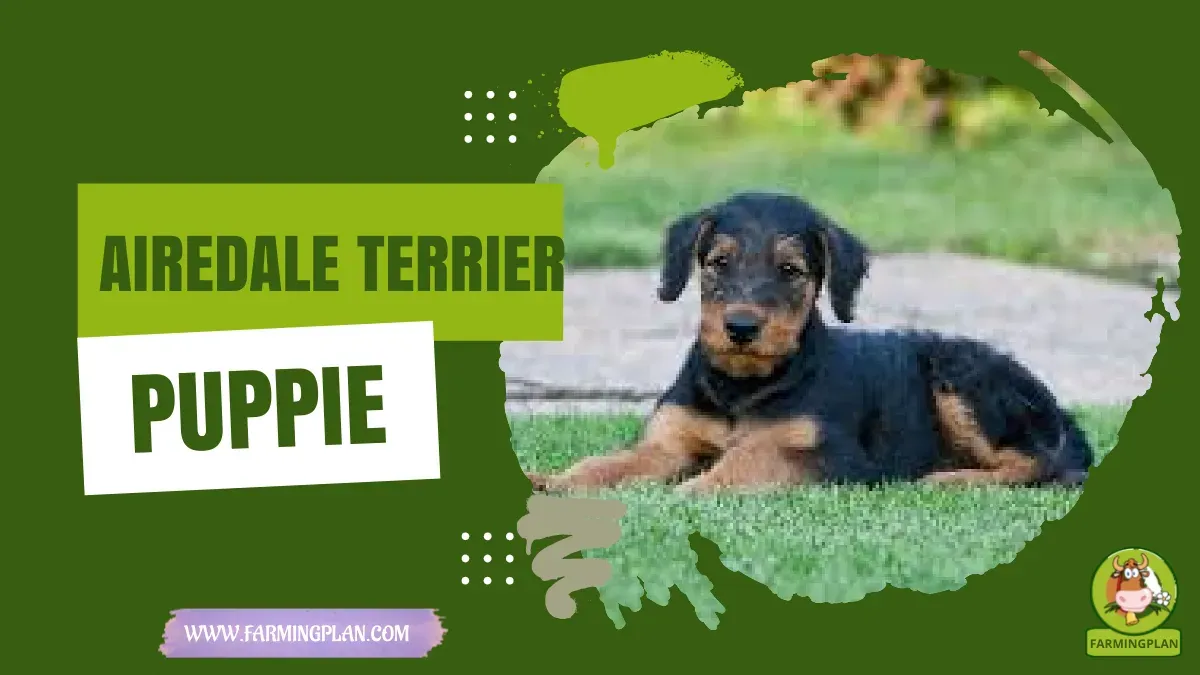
The Airedale Terrier Puppy possesses a functional athletic anatomy developed through generations of deliberate selection for outdoor durability and working endurance. Adult males and females stand 21 to 23 inches at the withers and carry a healthy working weight of 50 to 65 lbs (23 to 30 kg), creating a well-balanced center of gravity that delivers swift acceleration, steady balance on rugged ground, and high stamina.
Conformation Standards & Coat Morphology
Official breed standards require sound joint angulation, a deep chest with ample heart and lung capacity, straight forelegs, and muscular hindquarters capable of sustained driving power. The coat consists of a Dense, wiry, double coat (black and tan) with soft undercoat. Airedale puppies possess tremendous physical energy and independent terrier stubbornness. Early obedience training and clear pack leadership prevent destructive digging around garden perimeters and nuisance fence barking. Clean housing, fresh water, and balanced nutrition remain essential for Airedale Terrier Puppy productivity.
Sensory capabilities are acute, featuring broad nostrils for scent detection, expressive eyes reflecting high focus and intelligence, and mobile ears calibrated to detect subtle boundary sounds. Dentition features a complete scissors bite set in powerful jaws engineered for control and defense.
📊 Airedale Terrier Puppy Functional Capability Matrix
| Operational Attribute | Breed Benchmark Target | Homestead Management Advantage |
|---|---|---|
| Working Drive & Focus | High situational awareness and problem-solving initiative | Operates effectively with minimal continuous supervision during daily chores |
| Weather Hardiness | Insulating double coat repels rain, snow, and wind chill | Performs outdoor duties comfortably in harsh winter conditions |
| Physical Endurance | Capable of all-day pasture patrols and active trail tracking | Maintains high physical stamina without early exhaustion or joint breakdown |
| Guardian & Protective Drive | Discerning watchdog instincts; vocal deterrent presence | Deters coyotes, stray dogs, and trespassers from entering farm boundaries |
| Trainability & Responsiveness | Quick comprehension of complex commands and boundary lines | Learns property borders, livestock etiquette, and obedience cues rapidly |
Breed History, Heritage & North American Development
Bred in the Aire Valley of Yorkshire, England during the mid-19th century by crossing the Black and Tan Terrier with the Otterhound to produce a tough, water-loving, versatile working terrier.
Throughout the nineteenth and twentieth centuries, American farmers, hunters, and estate keepers recognized the practical value of these specialized dogs. When rural communities needed animals capable of adapting to rugged wilderness conditions, early imports demonstrated unmatched toughness, helping homesteaders protect livestock, control pests, and secure remote farmsteads.
Today, responsible breed preservation programs in the United States emphasize functional physical soundness, stable working temperaments, and genetic diversity. Modern homesteaders value the Airedale Terrier Puppy not merely as a show dog, but as a living piece of agricultural heritage capable of genuine working utility.
Housing, Fencing Dimensions & Climate Adaptation
Providing suitable shelter and containment for the Airedale Terrier Puppy centers on secure perimeter fencing, protection from temperature extremes, and dedicated sleeping quarters. Working farm dogs require secure boundaries to prevent roaming, livestock chasing, and accidental road hazards. Tracking feed intake and body condition supports long-term Airedale Terrier Puppy performance.
Perimeter Security & Shelter Design
Enclose farm yards with a minimum 5 to 6-foot heavy non-climb woven wire or chain-link fence. For athletic or digging breeds, reinforce fence baselines with buried wire mesh skirts or crushed stone trenches. Ensure gates feature secure double-locking latches that cannot be shaken open by curious muzzles or paws.
Outdoor kennels require an insulated dog house elevated 4 inches off damp ground, stuffed with clean cedar shavings or thick rubber resting mats. Position shelters facing away from prevailing winter winds, and provide ample summer shade via porch roofs or covered runs. Review property containment strategies in our working farm dogs and livestock guardians guide.
Nutritional Requirements, Daily Rations & Feeding Protocols
Active working canines demand nutrient-dense rations that deliver concentrated calories, high-quality animal proteins, and essential fatty acids to fuel continuous muscular exertion, joint repair, and dense double-coat renewal. Smallholders comparing closely related stock can also review our detailed Akita Dog guide.
Caloric Intake & Life Stage Nutrition
Feed adult dogs approximately 2.5 to 3.5 cups high-protein large-breed kibble (26% protein, 14% fat), dividing meals into two scheduled morning and evening feedings to prevent gastric distress. Working seasons require performance rations with 26% to 30% crude protein sourced from real deboned poultry, beef, or salmon, alongside 15% to 18% healthy fats. Supplement older or hard-working canines with glucosamine and chondroitin sulfate to support synovial joint cartilage.
Always maintain an abundant supply of clean, fresh drinking water in heavy, non-tip stainless steel or rubber bowls. During sub-zero winter spells, utilize thermostatically controlled heated water buckets to prevent dehydration. Explore canine nutrition science in our working farm dogs nutrition and feeding guide. Following biosecurity best practices reduces disease risk in any Airedale Terrier Puppy operation.
Health Management, Common Diseases & Biosecurity Standards
While the Airedale Terrier Puppy is structurally sound and genetically robust, rural outdoor life exposes dogs to internal parasites, vector-borne tick illnesses, and hereditary orthopedic vulnerabilities. Key medical priorities include Hip dysplasia screening, autoimmune thyroiditis, gastric dilation volvulus (bloat), dry skin allergies.
Preventive Veterinary Medicine & Farm Biosecurity
Establish a comprehensive preventive care schedule including monthly broad-spectrum parasite preventatives targeting heartworms, roundworms, tapeworms, and deer ticks carrying Lyme disease. Maintain core rabies, DHPP, and leptospirosis immunizations, which are particularly vital on properties with livestock standing water and wildlife traffic.
Adhere strictly to official animal care standards and veterinary safety guidelines established by the USDA APHIS Animal Welfare Inspection & Biosecurity Guidelines. Conduct thorough tick checks and paw pad inspections after each patrol through brushy pastures and woodland edges.
Breeding Management, Reproduction & Puppy Development
Ethical breeding programs focus strictly on improving working drive, physical soundness, and emotional stability. Breeding candidates must undergo comprehensive genetic health screenings, including OFA or PennHIP radiographs for hips and elbows, eye clearance exams, and breed-specific DNA health panels before mating.
Canine gestation spans an average of 63 days. Provide the pregnant dam with a quiet, draft-free whelping box equipped with pig rails to protect puppies from accidental overlay. Maintain room temperature around 85°F (29°C) during the first week of life, lowering it gradually as neonates develop independent thermoregulatory capabilities. Seasonal adjustments to shelter and diet keep Airedale Terrier Puppy thriving year-round.
Puppy socialization begins in the whelping pen with gentle handling and progresses between weeks 7 and 16 to controlled exposure to livestock scents, machinery sounds, different footing textures, and friendly livestock. Compare working canine developmental milestones with related breeds such as the Collie dog.
US Ownership Budget & Annual Maintenance Costs
Budgeting realistically for veterinary wellness, high-quality nutrition, containment hardware, and working gear prevents unexpected financial strain. The balance sheet below outlines average startup investments and ongoing operational expenditures for a single Airedale Terrier Puppy in the United States.
💰 Estimated Annual Budget & Maintenance Costs (USD)
| Budget Category | Resource Item & Operational Scope | Initial Capital Investment | Annual Recurring Cost |
|---|---|---|---|
| Puppy Acquisition | Purebred puppy from health-tested, certified working parents | $1,000 – $2,200 | $0 (one-time purchase) |
| Containment & Housing | Fenced run, insulated dog house, heavy stainless bowls, resting bed | $500 – $1,200 | $40 – $75 (repairs/upgrades) |
| Working Gear & Training | Tracking harness, heavy leashes, GPS collar, obedience classes | $150 – $350 | $30 – $60 (battery/replacements) |
| Premium Nutritional Rations | High-protein performance kibble (approx. 10 to 14 bags per year) | $60 (initial supply) | $550 – $900 |
| Veterinary Wellness & Meds | Annual exam, rabies/core vaccines, heartworm and tick preventatives | $180 | $320 – $550 |
| Grooming & Coat Care | Undercoat rakes, slicker brushes, high-velocity blower, medicated shampoo | $80 | $50 – $120 |
| Total Ownership Budget | Comprehensive working companion investment model | $1,970 – $4,070 | $990 – $1,705 / year |
🐕 Airedale Terrier Puppy Daily Calorie & Kibble Calculator
Calculate daily metabolizable energy (kcal/day), kibble cups, water, and monthly diet costs for your Airedale Terrier Puppy.
Frequently Asked Questions (FAQ)
Is the Airedale Terrier Puppy good with livestock and farm animals?
With proper early puppy socialization and consistent boundary training, the Airedale Terrier Puppy integrates reliably into farm operations, respecting established livestock while remaining vigilant against outside predators.
How much exercise does a Airedale Terrier Puppy require daily?
Adults require at least 60 to 90 minutes of vigorous daily exercise, including brisk walks, perimeter patrols, interactive training drills, or working farm chores to stay physically fit and mentally composed.
How often should you groom a Airedale Terrier Puppy?
Weekly hand-stripping or clipping every 8 to 10 weeks; daily beard wiping This routine distributes protective skin oils, prevents painful matted fur, and allows early detection of ticks or burrs gathered during pasture patrols.
What is the average lifespan of a Airedale Terrier Puppy?
A healthy Airedale Terrier Puppy provided with balanced nutrition, regular veterinary wellness checks, and safe containment enjoys a typical lifespan of 10 to 14 years.
Are Airedale Terrier Puppy dogs easy to train for farm work?
Yes, they are highly intelligent and eager to work, responding best to consistent, positive-reinforcement training paired with clear task structure and early exposure to farm routines.
Can a Airedale Terrier Puppy live outdoors in cold winter weather?
Their dense protective coat provides natural weather resistance, but they require a well-insulated, dry, draft-free dog house with clean bedding and access to unfrozen water during freezing conditions.
Expert Verdict & Next Steps for US Homesteaders
The Airedale Terrier Puppy stands as an exceptional working companion for dedicated American farmers, ranchers, and rural families seeking an intelligent, hardy, and devoted guardian partner. Their natural working aptitude and protective presence provide unmatched utility across rural acreage.
By establishing secure perimeter fencing, maintaining complete veterinary biosecurity protocols, and offering consistent obedience and working guidance, you will develop a dependable lifelong partner. Explore our comprehensive companion guides in working farm dogs and livestock guardians guide to optimize your homestead canine management.
📚Agricultural Reference & Scientific Citations
Standards and physiological data referenced in this guide comply with USDA Animal and Plant Health Inspection Service (APHIS), American Veterinary Medical Association (AVMA), and the FAO Domestic Animal Diversity Information System.


