

⚡ Collie Dog at a Glance: Key Specifications & Benchmarks
| Scientific Name | Canis lupus familiaris (Herding Dog Class) |
| Breed Varieties | Rough Collie (long double coat) and Smooth Collie (short dense coat) |
| Breed Origin | Scotland and Northern England |
| Historic Working Role | Highland sheep herding, livestock guardian-drover, farm sentry |
| Mature Male Weight | 60 to 75 lbs (27.2 to 34.0 kg) |
| Mature Female Weight | 50 to 65 lbs (22.7 to 29.5 kg) |
| Mature Height at Shoulder | 24 to 26 inches (males) / 22 to 24 inches (females) |
| Critical Genetic Marker | MDR1 (Multi-Drug Resistance) mutation requiring ivermectin screening |
The Collie is celebrated worldwide as the consummate gentle herder, immortalized in literature and cinema by the iconic character ‘Lassie.’ Originating in the rugged hills of Scotland and northern England, this noble working dog was developed over centuries to gather, drive, and guard flocks of highland sheep across treacherous mountain pastures. Routine preventive care saves time and lowers veterinary costs for Collie Dog.
Possessing extraordinary empathy, sharp problem-solving intellect, and innate pastoral sensitivity, the Collie seamlessly bridges the gap between active agricultural herder and devoted family companion. Explore related working dog training techniques in our farm working dogs training and breed directory.
Available in two distinct coat varieties—the glamorous, full-coated Rough Collie and the sleek, low-maintenance Smooth Collie—both types share identical conformation and sweet dispositions. Unlike hyper-aroused herding breeds that nip aggressively, Collies herd using calm spatial pressure, positioning, and vocal encouragement.
Their devotion to farm children is legendary. Collies naturally shadow young family members, monitoring their movements and intervening with gentle body blocks if a child wanders toward open farm ponds or active tractor lanes. Matching forage or ration quality to life stage optimizes Collie Dog growth.
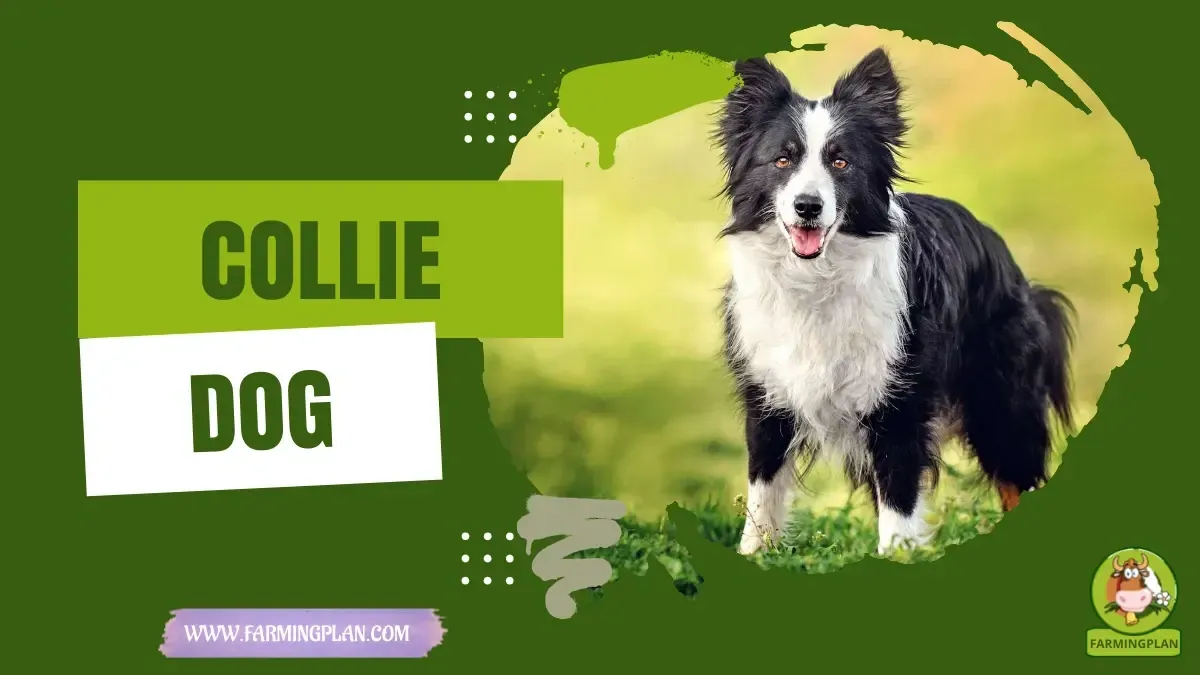
Physical Characteristics & Breed Standards
The Collie is a lithe, athletic dog of balanced proportion, built for smooth, tireless gaiting over rocky rangeland. The silhouette exudes elegance and functional agility without excessive bulk or spindly weakness.
Conformation evaluations focus on head expression, seamless body contours, and effortless floating motion that allows the dog to change directions instantaneously while working livestock.
Conformation Standards & Anatomical Structure
The hallmark of the Collie is its refined, wedge-shaped head that tapers smoothly from ears to nose. The eyes are almond-shaped, set slightly obliquely with a sweet, watchful expression. The ears are semi-pricked, with the top one-third folding naturally forward when alert. Gradual dietary transitions protect digestive stability in Collie Dog.
The back is firm and strong, supported by deep ribs and a well-slung chest that reaches the elbows. The tail is long, carried low with a slight upward swirl at the tip during rest, lifting proudly when excited.
Forelegs are straight and muscular with elastic pasterns, while the hindquarters feature muscular thighs and clean hock joints that generate effortless forward drive.
Size, Weight Benchmarks & Color Variations
Mature male Collies measure 24 to 26 inches at the withers and weigh 60 to 75 lbs, while females stand 22 to 24 inches and weigh 50 to 65 lbs. Selecting healthy foundation stock is the cornerstone of successful Collie Dog management.
Four classic coat colors are recognized: Sable and White (ranging from golden tan to deep mahogany), Tri-Color (black, white, and tan points), Blue Merle (mottled silvery-blue with black marbling), and White (predominantly white with colored head markings).
The Rough Collie carries a profuse outer coat of straight, harsh texture over a thick, soft undercoat, forming a dramatic lion-like mane and bib.
⚡ Collie Dog Performance & Production Matrix
| Trait Benchmark | AKC Breed Standard Metric | Homestead Advantage | Management Consideration |
|---|---|---|---|
| Adult Weight | 50 – 75 lbs | Substantial enough for farm duty without excessive size | Requires balanced nutrition to prevent obesity |
| Herding Style | Spatial Pressure, Gentle Fetching | Calm gathering without frantic ankle-biting | Will naturally herd outdoor children and poultry |
| Temperament Score | 9.7 / 10 Sensitive & Loyal | Exceptional safety around toddlers and farm animals | Sensitive to harsh yelling; requires gentle guidance |
| MDR1 Drug Risk | Genetic Mutation Present | Screening prevents life-threatening drug toxicities | Avoid ivermectin and loperamide without DNA testing |
| Coat Maintenance | Rough (High) vs Smooth (Low) | Dense weatherproofing against rain, snow, and wind | Rough variety needs thorough weekly line brushing |
Breed History, Heritage & North American Development
The Collie developed from indigenous pastoral dogs used by Celts and Roman settlers in the Scottish Highlands. Originally known as ‘Coaly dogs’—likely referencing black-faced Colley sheep—they performed solitary herding in remote glens where shepherds relied on their uncanny intuition. Good predator-proofing and dry bedding safeguard Collie Dog comfort in harsh weather.
In 1860, Queen Victoria visited Balmoral Castle in Scotland and fell completely in love with the handsome Scottish collies. Her royal patronage transformed the working farm dog into an international sensation among Victorian dog fanciers.
Pioneering American author Albert Payson Terhune popularized the breed’s heroic loyalty through his Sunnybank Collie stories in the 1920s, followed by Eric Knight’s novel *Lassie Come-Home* in 1940. Today, Collies remain treasured working farm dogs, service animals, and competitive agility stars worldwide.
The Collie Club of America, founded in 1886, is one of the oldest breed parent clubs in North America, preserving dual-purpose working and conformation standards. Monitoring water quality and mineral balance directly benefits Collie Dog vitality.
Housing, Shelter Dimensions & Winter Hardiness
Collies are deeply devoted companion animals that must reside indoors as family members. They become miserable and vocally anxious if isolated in remote outdoor kennels for extended periods.
A securely fenced farmyard allows them to exercise safely. Sturdy four- to five-foot fencing is adequate, as Collies rarely dig or attempt fence scaling unless severely neglected.
Spatial Density & Enclosure Engineering
On working acreage, Collies enjoy patrolling pastures and accompanying handlers during chore rotations. However, they must be trained early to stay clear of heavy agricultural machinery and livestock trailers. Practical hands-on husbandry ensures consistent results when raising Collie Dog.
Provide dry, padded indoor beds to protect elbow joints. In warm summer months, ensure shaded resting spaces and cool water, especially for long-haired Rough Collies prone to overheating in direct sunlight.
Smooth Collies tolerate heat well but require insulated coats during sub-zero northern freezes due to their shorter coat length.
Nutritional Requirements, Daily Rations & Feeding Protocols
Collies require balanced, high-protein nutrition to fuel daily herding activities and maintain radiant coat quality. Because they are not frantic energy burners like Border Collies, portion control is essential to avoid excess weight. Early intervention at the first sign of lethargy protects overall Collie Dog flock or herd health.
Feed a high-quality adult herding canine formula providing 24% to 26% crude protein and 14% to 16% healthy fats. For comparative herding dog nutrition, review our protocols in the Golden Retriever farm nutrition and care guide.
Crude Protein Benchmarks Across Life Stages
Collie puppies require controlled-calorie large-breed puppy kibble with balanced calcium and phosphorus levels to support steady skeletal mineralization without rapid growth spurts.
Adult Collies typically consume 2.5 to 3.5 cups of dry kibble daily, divided into morning and evening meals. To prevent gastric bloat (GDV), avoid strenuous herding runs for one hour before and after feeding. Structured culling and biosecurity protocols strengthen Collie Dog genetic quality.
Supplementing omega-3 fatty acids from salmon oil or ground flaxseed promotes skin barrier health and reduces seasonal shedding flakiness.
Health Management, Common Diseases & Biosecurity Standards
Collies are generally a healthy breed with an average lifespan of 12 to 14 years. However, all Collie owners must understand the **MDR1 (Multi-Drug Resistance)** gene mutation, which causes acute neurotoxicity when exposed to common veterinary drugs like ivermectin.
Collie Eye Anomaly (CEA) is another inherited ocular condition requiring early screening. Access authoritative veterinary health guidelines through the American Veterinary Medical Association (AVMA). Maintaining clean feeders and sanitized equipment supports sustainable Collie Dog care.
Biosecurity Protocols & Veterinary Defenses
Have your Collie DNA-tested for the MDR1 mutation via a simple cheek swab. Dogs carrying one or two mutant alleles must never receive ivermectin-based heartworm treatments, loperamide (Imodium), or certain sedatives.
Maintain an annual veterinary schedule covering core vaccinations, tick prevention, and dental cleaning. Rough Collies need weekly grooming with a pin brush and slicker to prevent painful skin mats behind ears and thighs.
Examine ears regularly for grass awns and fungal buildup, cleaning ear flaps with gentle veterinary drying solutions. Consistent daily observation helps keepers spot early changes in Collie Dog health and behavior.
Breeding Management, Eye Testing & Early Socialization
Ethical Collie breeding requires rigorous genetic testing before mating. Both parents must undergo DNA screening for MDR1, degenerative myelopathy (DM), cyclic neutropenia, and an official eye exam by a veterinary ophthalmologist to certify clear CEA status.
Litters average six to eight puppies, with Collie dams demonstrating exceptional maternal gentleness and cleanliness in the whelping box. For related livestock guardian breeding insights, see our guide on the Akbash dog working livestock care profile.
Puppies undergo critical developmental socialization between three and twelve weeks. Introduce them gently to sheep, poultry, farm vehicles, and household sounds to build confident, unflappable temperaments. Clean housing, fresh water, and balanced nutrition remain essential for Collie Dog productivity.
Positive reinforcement training using treats and praise yields outstanding results; harsh corrections will cause a sensitive Collie to shut down emotionally.
US Ownership Budget & Annual Maintenance Costs
Investing in a Collie requires budgeting for purchase from a responsible, health-tested breeder, quality nutrition, grooming equipment, and genetic diagnostics.
The budget breakdown below outlines typical acquisition costs and routine annual operational expenses for maintaining a Collie on a homestead. Tracking feed intake and body condition supports long-term Collie Dog performance.
💰 Estimated Annual Budget & Maintenance Costs (USD)
| Budget Category | Item Description & Scope | Initial Capital Outlay | Annual Recurring Expense |
|---|---|---|---|
| Health-Tested Purebred Puppy | AKC registered puppy with eye exam and MDR1 DNA testing | $1,400 – $2,800 | $0.00 |
| Grooming Tools & Gear | Pin brush, slicker brush, undercoat rake, nail clippers, leads | $150 – $350 | $50 – $100 |
| Quality Canine Nutrition | Premium herding breed dry kibble (approx. 35 lbs monthly) | $0.00 | $700 – $1,050 |
| Veterinary Wellness & Vaccines | Annual exam, core vaccines, safe non-ivermectin heartworm meds | $0.00 | $400 – $750 |
| Fencing & Kennel Maintenance | Yard boundary fencing repair, crates, and bedding | $300 – $800 | $75 – $150 |
| Genetic Testing & Radiographs | OFA hips/elbows, full DNA panel, ophthalmology exam | $350 – $600 | $0.00 |
🐕 Collie Dog Daily Calorie & Kibble Calculator
Calculate daily metabolizable energy (kcal/day), kibble cups, water, and monthly diet costs for your Collie Dog.
Frequently Asked Questions (FAQ)
What is the difference between a Rough Collie and a Smooth Collie?
Rough and Smooth Collies are the exact same breed with identical conformation and temperament. The only difference is coat length: the Rough Collie has a long, dense double coat, while the Smooth Collie has a short, dense all-weather coat.
What is the MDR1 gene mutation in Collies?
MDR1 is a genetic mutation affecting the blood-brain barrier that makes dogs hypersensitive to common veterinary drugs, particularly ivermectin dewormers and certain anesthetics, potentially causing fatal neurological toxicity.
Do Collies bark a lot on the farm?
Collies are vocal herding dogs that will bark to alert owners to unusual occurrences or when herding livestock. Early training teaching a reliable ‘quiet’ command helps manage excessive vocalization.
Are Collies good with children and family livestock?
Yes, Collies are world-renowned for their gentle, protective, and affectionate nature around children and small livestock. They naturally watch over young family members with extraordinary patience.
How much grooming does a Rough Collie require weekly?
A Rough Collie requires thorough line brushing two to three times weekly (about 30 minutes per session) with a pin brush and slicker to prevent painful matting in their dense double coat.
Expert Verdict & Next Steps for US Homesteaders
The Collie is an extraordinary agricultural asset and incomparable family friend. Combining noble beauty, keen herding intellect, and deep devotion to children, the Collie brings harmony and security to any rural property.
Before acquiring a Collie puppy, insist on viewing MDR1 and CEA genetic clearances from both parents. Compare other versatile sporting companions by reading our guide on Airedale Terrier farm utility and working traits.
📚Agricultural Reference & Scientific Citations
Standards and physiological data referenced in this guide comply with USDA Animal and Plant Health Inspection Service (APHIS), American Veterinary Medical Association (AVMA), and the FAO Domestic Animal Diversity Information System.


