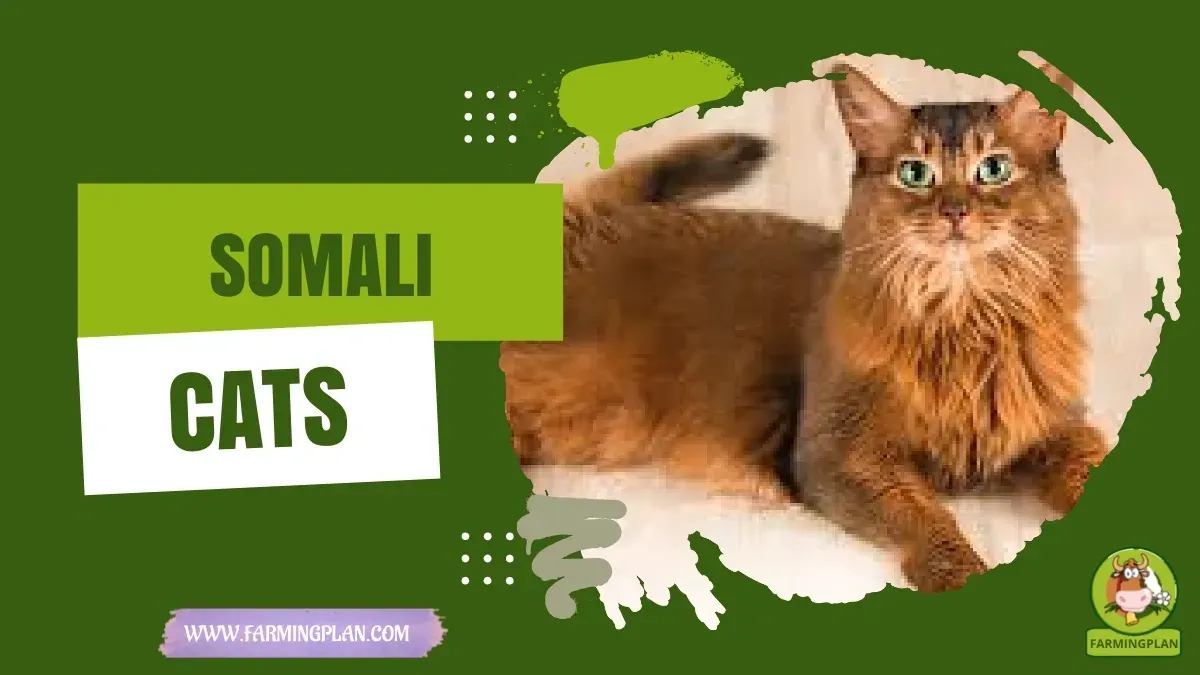
I love working with amazing animals every single day, and Somali cats always hold a special place in my heart! When people first see these felines, they often ask me: are Somali cats rare? Yes, they are quite unique, and their stunning bushy tails make them look just like little wild foxes. People also ask me, are Somali cats hypoallergenic? While no feline is truly allergen-free, many owners find their short-shedding coat easy to live with. Finding a Somali cat for sale takes some patience because ethical breeders keep high standards.
When you check the average Somali cats price, you will notice it reflects their pedigree and care. Whether you are dreaming of bringing home a bright Ruddy Somali cat, a soft Fawn Somali cat, or a striking Blue Somali cat, these animals bring immense joy. If you search for Somali cats near me, you will discover a loving companion ready to jump into your life. In this complete guide, I will share my personal experiences and practical knowledge to help you care for this wonderful breed.
| Attribute / Metric | Specification & Benchmark |
|---|---|
| Classification & Class | Feline / Working Barn & Homestead Companion (Felis catus) |
| Primary Production Focus | Natural Biological Rodent & Feed Store Pest Control |
| Productivity / Performance Yield | Reliable pest abatement for granaries, coops, and haylofts |
| Mature Benchmark Weight / Size | Males: 10–16 lbs (4.5–7.3 kg) | Females: 8–12 lbs (3.6–5.5 kg) |
| Temperament & Behavior | Independent hunter, affectionate with caretakers, agile |
| Climate & Environmental Hardiness | Hardy with insulated barn quarters and fresh water |
| Management & Homestead Rating | Beginner to Intermediate Friendly |
History & Origin Of Somali Cats
I remember the first time I researched the origin of this magnificent breed during my early days as an animal specialist. Many people do not realize that these plush felines actually originated from purebred Abyssinian litters. Back in the mid-twentieth century, long-haired kittens occasionally appeared in Abyssinian litters due to a recessive gene. At first, breeders did not want these long-haired kittens in their breeding programs. However, dedicated cat lovers fell in love with their fluffy coats and majestic fox-like tails. They decided to preserve this trait, and that choice birthed the official breed we adore today. Agricultural producers frequently evaluate their homestead utility alongside reliable stock like Siberian Cats and Birman Cats and Turkish Angora Cat.
Over the decades, breeders worked hard to stabilize the unique genetic traits of these felines. Official registries recognized the breed in the late 1970s, and their popularity quickly spread across the globe. Today, owners celebrate them for their vibrant coat patterns and high intelligence. Knowing their history helps us appreciate the care that went into preserving their rich genetic foundation. When you hold one, you are touching decades of careful selection and passionate breeding history.
Characteristics Of Somali Cats
When I evaluate these felines in my care routine, their coat colors always take my breath away. Their fur has a ticked pattern, meaning each individual hair shaft features multiple bands of dark and light colors. The most iconic variation is the classic Ruddy Somali cat, which shows off a rich copper-brown base with dark ticking. If you prefer softer tones, the Fawn Somali cat offers a delicate warm beige coat with cocoa brown ticking.
Another breathtaking variation is the Blue Somali cat, featuring a soft blue-grey coat with warm oatmeal undertones that catch the sunlight beautifully. Beyond color, these animals display large almond-shaped eyes, big cupped ears, and athletic bodies built for jumping. Their medium-long coat feels silky soft and creates a gorgeous neck ruff. Their signature bushy tail remains their most famous physical feature, making them look like miniature forest foxes pacing around your home.
Nature/Temperament Of Somali Cats
In my years of hands-on experience, I describe these felines as active, curious, and intensely affectionate. They possess an incredible amount of energy and love to explore every corner of your living space. Unlike breeds that sit on the couch all day, these felines want to participate in everything you do. They will follow you from room to room, supervise your work, and greet you warmly at the front door. Their high play drive keeps life exciting every single day.
Their social nature makes them wonderful family pets for households with children and other animals. They form strong bonds with their human care providers and love interactive puzzle toys. You will often find them sitting high up on cabinets or door frames, surveying their kingdom with bright, curious eyes. Their soft, quiet chirps communicate their happiness without being loud or demandingly vocal. Living with one means enjoying a playful partner who brightens up every single afternoon.
Food & Diet Of Somali Cats
Feeding these active animals requires a balanced diet high in animal protein to maintain their lean muscles. Because they burn so many calories jumping and playing, I always recommend top-quality commercial wet and dry foods. Meat should always sit as the very first item on the ingredient label. I make sure to avoid feeds with excessive cheap grain fillers, which can disrupt their digestive systems and ruin their energy levels.
Fresh water must remain available at all times to keep their kidneys healthy. I like using stainless steel water fountains because flowing water encourages them to drink more throughout the day. You can also mix wet food with dry kibble to enhance hydration and protect their dental health. Keep treat portions small so your pet stays at an ideal weight. Proper nutrition gives their silky coat that famous glossy shine we all love to see.
Usage/Purpose Of Somali Cats
While many people view felines simply as lap pets, this breed excels in multiple roles thanks to their extreme intelligence. In my farm home, they act as brilliant interactive companions that keep the environment lively. Their intense curiosity and agility make them fantastic contenders for feline agility competitions. Trainers often teach them trick routines, leash walking, and puzzle-solving games with ease.
They also serve as outstanding therapy animals in quiet home environments because of their affectionate personality. Their loving demeanor comforts people who need warm companionship throughout the day. Breeders focus on preserving their strong physical health and playful spirit for future generations to enjoy. Whether you want a competitive show cat or a loving family friend, this breed fills the role with enthusiasm and grace.
Special Features Of Somali Cats
One of the most remarkable features of this feline is its high problem-solving capability. I often watch them open cabinet doors, turn on water faucets, and solve complex food puzzles effortlessly. Their paws function almost like tiny hands, grasping toys and holding objects while they play. This physical dexterity sets them far apart from many other domestic cat breeds.
Another special feature is their low-matting semi-long coat, which requires less maintenance than a Persian coat while offering rich volume. Their large, expressive eyes change expression rapidly depending on their mood, showing deep intelligence and curiosity. Additionally, their quiet voice delivers gentle chirps and trills rather than loud meows. These rare traits combine to make them one of the most charming companions you could ever invite into your home.
Health Issues & Prevention Of Somali Cats
Maintaining animal health requires constant attention and regular preventive checks. This breed generally enjoys good health, but they can inherit specific genetic conditions like Pyruvate Kinase Deficiency, which causes anemia. Responsible breeders test their breeding stock to stop this condition from passing down to kittens. Regular blood tests at your veterinary clinic help catch any underlying issues early.
Another issue to watch out for is dental disease, such as gingivitis and periodontal problems. I advise brushing your pet’s teeth regularly with feline-safe toothpaste and offering dental chews. Progressive Retinal Atrophy can also affect their eyesight as they age, so regular eye exams are vital. Keep vaccinations current, maintain parasite control, and schedule annual vet checks to keep your friend active for many years.
Pet Owner Care Guide Of Somali Cats
Creating A Safe High-Altitude Playground Keeps Your Active Feline Healthy, Mindfully Engaged, And Happy Every Day. Taking care of these active pets requires proper preparation and daily routine management. I created this practical guide to help you build the best life for your new feline friend. Taking these simple setup steps ensures your pet feels secure and comfortable right from day one. Regular grooming checks help you spot skin or coat issues before they become major problems.
Step 1: Setting Up a High-Altitude Safe Space
Before bringing your pet home, secure your living space completely. These felines love to climb to the highest spots in your house, so install sturdy cat trees and wall shelves. Clear away breakable items from high mantels and bookshelves to prevent accidental spills. Make sure window screens are tight so your curious pet cannot push them open while watching birds. Provide a warm, cozy bed in a quiet corner where your pet can sleep undisturbed. Place litter boxes in low-traffic areas and keep them clean daily. Set up scratching posts made of sisal rope near sleeping areas to protect your furniture.
Step 2: Establishing a daily Feeding and Exercise Routine
Establish a regular feeding schedule instead of free-feeding food all day long. Measure out measured portions of high-protein food twice daily to manage weight. Use interactive puzzle feeders to challenge their minds during mealtime. This mimics natural hunting behavior and stops boredom from developing during quiet hours.
Dedicate at least thirty minutes every single day to interactive play sessions using feather wands and balls. This exercise burns off excess energy and builds a strong bond between you and your companion. Keep fresh water available in multiple spots around your house to keep hydration levels high. A structured daily routine promotes physical health and emotional stability.
Step 3: Maintaining Coat Health and Dental Hygiene
Grooming your pet requires simple routine maintenance twice a week. Use a soft slicker brush to remove loose hairs and prevent hairballs from forming. Pay special attention to their full ruff and fluffy tail to keep the fur soft and free of mats. Most cats enjoy this gentle brushing session as a bonding activity. Clean your pet’s teeth using a cat-friendly toothbrush and paste several times each week. Check their ears for dirt or redness, wiping them clean with a damp cloth if necessary. Trim the tips of their claws every few weeks using proper pet nail trimmers.
Step 4: Socialization and Lifelong Mental Enrichment
Introduce your feline to new sights, sounds, and guests slowly to build their confidence. These social animals thrive when interacting with family members and companion pets. Rotate their toys weekly to keep their play environment fresh and exciting. Provide window perches so they can observe outdoor wildlife safely from inside your home.
Consider training your companion to walk on a harness for safe outdoor exploration in your garden. Reward positive behavior with treats and gentle praise to build trust quickly. Never leave them isolated for long hours without interactive toys or companionship. Consistent mental stimulation ensures your companion stays happy, healthy, and friendly throughout their entire life.
Expert Tips & Best Practices for Feline Owners Of Somali Cats
- Use Tall Scratching Trees: Provide sturdy cat trees that reach high up toward your ceiling to satisfy their natural urge to climb.
- Offer Puzzle Feeders: Use interactive food puzzles daily to engage their quick brains and slow down quick eaters.
- Schedule Annual Vet Visits: Take your companion for yearly checkups, vaccinations, and dental checks to prevent health problems.
- Provide Stainless Fountains: Use running water fountains to encourage healthy drinking habits and protect kidney function.
- Brush Teeth Regularly: Clean their teeth with feline toothpaste to prevent gingivitis and painful mouth infections.
- Rotate Toy Sets: Change out play toys every week so your active pet stays excited and mentally challenged.
- Create Quiet Retreats: Set up soft beds in quiet corners where your pet can relax without noise or stress.
FAQs
How much do Somali cats price on average today?
The average cost for a kitten ranges from $1,200 to $2,200 depending on pedigree and color traits. High-quality show lines or rare coat shades can push prices even higher from certified breeders.
Are Somali cats rare compared to other domestic breeds?
Yes, they remain relatively rare compared to popular breeds like Persians or Maine Coons. Finding a reputable breeder often requires joining waiting lists for upcoming litter announcements.
Are Somali cats hypoallergenic for sensitive pet owners?
No domestic cat is fully hypoallergenic, but this breed produces less dander than many high-shedding breeds. Frequent grooming and clean living spaces help sensitive owners manage mild allergies easily.
What makes the Ruddy Somali Cats so popular among owners?
The ruddy color presents a striking warm burnt-sienna coat with dark ticking that looks extremely striking. This classic color combination mimics the wild coat appearance of a small fox.
How can I safely locate Somali cats near me for adoption or purchase?
Search through recognized national breed associations like TICA or CFA to find certified regional breeders. Always visit the facility in person to check health standards before adopting a kitten.
Conclusion
Bringing one of these fluffy, fox-like companions into your home fills your daily life with endless joy, active play, and deep affection. We covered everything from their origin story and color variations like fawn and blue to daily feeding routines and expert health care advice. These smart felines thrive when you give them high climbing perches, quality protein meals, and plenty of interactive attention. Their low-shedding semi-long coat stays soft with basic weekly grooming, making them a dream companion for dedicated animal lovers. Discover everything about Somali cats! As a lifelong animal care specialist, I can assure you that caring for this breed will bring incredible rewards to your household every single day!