

⚡ Platy Fish Care at a Glance: Key Specifications & Benchmarks
| Scientific Taxonomy | Xiphophorus maculatus / Xiphophorus variatus (Poeciliidae) |
| Common Industry Names | Platy, Mickey Mouse Platy, Tuxedo Platy, Red Wag Platy, Variable Platy |
| Adult Body Length | 1.5 – 2.5 inches (3.8 – 6.4 cm); females noticeably larger and rounder |
| Minimum Aquarium Volume | 10 gallons for a small trio; 20+ gallons recommended for mixed groups |
| Water Temperature Range | 70°F – 80°F (21°C – 27°C); X. variatus tolerates unheated rooms down to 65°F |
| Optimal Water Chemistry | pH 7.0 – 8.2; General Hardness (GH) 10 – 25 dGH; KH 8 – 15 dKH |
| Dietary Classification | Omnivorous with high vegetal requirement (algae, spirulina flakes, blanched zucchini) |
| Reproduction Mechanism | Ovoviviparous livebearer; females deliver 20–50 free-swimming fry monthly |
| Compatible Tank Mates | Mollies, swordtails, guppies, zebra danios, bristlenose plecos, peaceful tetras |
| Average Domestic Lifespan | 2 – 4 years under clean, hard-water conditions and regular water changes |
Platy fish stand among the most resilient, colorful, and rewarding species in the freshwater aquarium trade. Native to the tranquil canals, drainage ditches, and warm coastal waters of Central America and southern Mexico, these active livebearers adapt seamlessly to diverse domestic setups. Their calm disposition, combined with hundreds of captive color morphs, makes platy fish care a quintessential foundation for beginners and veteran breeders alike. Understanding breed-specific traits helps maximize platy fish care longevity and output. Routine preventive care saves time and lowers veterinary costs for platy fish care.
Establishing thriving aquatic colonies requires proper water balancing, nitrogen cycling, and temperature stabilization. Review our fundamental husbandry manuals and water preparation strategies in the fish farming knowledge base to engineer dependable biofiltration systems for community livestock. Matching forage or ration quality to life stage optimizes platy fish care growth.
While platies tolerate minor water fluctuations better than sensitive cichlids, chronic exposure to soft, acidic water depletes their osmotic reserves and causes premature mortality. Keepers must manage mineral hardness, vegetative diets, and prolific breeding rates to prevent tank overcrowding. This comprehensive guide details tank parameters, nutrition, strain genetics, disease mitigation, and fry rearing protocols for thriving platy populations. Gradual dietary transitions protect digestive stability in platy fish care.
Physical Characteristics, Color Strains & Sex Identification
The southern platyfish (Xiphophorus maculatus) exhibits a compact, laterally compressed body with rounded dorsal and caudal fins. In contrast, the variable platy (Xiphophorus variatus) features a slightly longer, slender profile and heightened cold tolerance. Mature females reach up to 2.5 inches in length with deep abdominal girth, while adult males rarely exceed 1.5 to 2.0 inches. Selecting healthy foundation stock is the cornerstone of successful platy fish care management. Good predator-proofing and dry bedding safeguard platy fish care comfort in harsh weather.
Visual Color Variations and Dimorphism
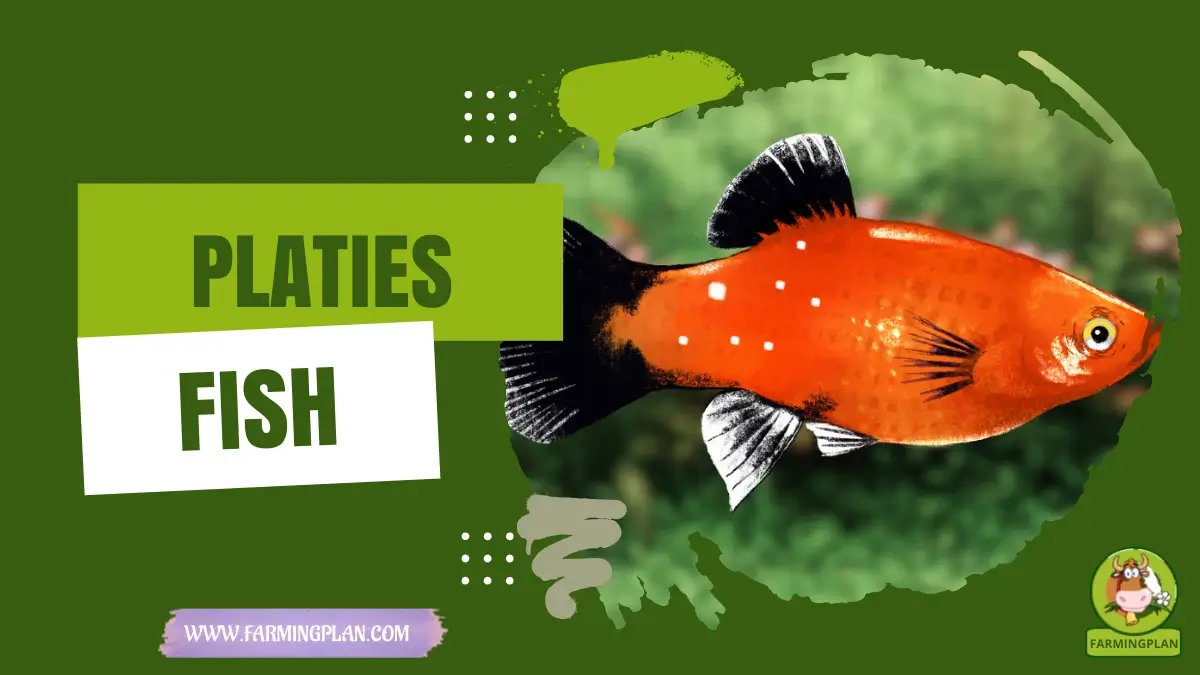
Platies display an astonishing array of genetic color variations developed through decades of selective cross-breeding. Popular varieties include the Red Wag (scarlet body with stark black fins), Mickey Mouse (two small dark spots flanking a large spot at the caudal peduncle base), Tuxedo (metallic blue or orange flanks framed by dense black dorsal scales), and Sunburst (brilliant golden-yellow to red gradient). Determining sex is straightforward: males possess a slender, modified anal fin called a gonopodium used for internal fertilization, whereas females display a broad, fan-shaped anal fin. Monitoring water quality and mineral balance directly benefits platy fish care vitality.
⚡ Platy Fish Variety Comparison & Conformation Matrix
| Variety Name | Dominant Color Pattern | Typical Adult Size | Temperature Preference |
|---|---|---|---|
| Red Wag Platy | Crimson red body with jet-black fins and tail | 1.8 – 2.2 inches | 72°F – 78°F (Standard tropical) |
| Mickey Mouse Platy | Yellow, red, or blue with three-lobed black caudal marking | 2.0 – 2.5 inches | 72°F – 79°F (Standard tropical) |
| Sunburst Platy | Bright yellow head blending into deep orange and scarlet flanks | 1.8 – 2.3 inches | 74°F – 80°F (Warm community) |
| Variatus Platy | Green, bronze, and rainbow iridescence with black speckles | 2.2 – 2.6 inches | 65°F – 75°F (Cool-water tolerant) |
| Tuxedo Blue Platy | Glistening sky-blue body with heavy midnight black saddle patches | 1.8 – 2.4 inches | 72°F – 78°F (Standard tropical) |
Natural Heritage, Wild Habitats & Captive Evolution
Platy fish were first cataloged by European naturalists in the late 19th century from slow-flowing tributaries in the Veracruz region of Mexico, stretching south through Guatemala and Belize. Wild specimens exhibit modest olive-green and yellowish coloration with subtle black spots, which camouflages them against predatory cormorants, herons, and larger fish among muddy banks and dense aquatic reeds. Practical hands-on husbandry ensures consistent results when raising platy fish care.
Commercial importation into North American and European hobbyist circuits gained massive momentum in the 1920s. Geneticists recognized platies as an invaluable laboratory model for researching melanoma and chromosomal inheritance because their pigment genes transfer cleanly across generations. Subsequent hybrid pairings between X. maculatus and X. hellerii (swordtails) introduced brilliant reds, velvets, and high-fin crests into commercial strains, creating the kaleidoscope of hardy varieties sold across pet retailers today. Early intervention at the first sign of lethargy protects overall platy fish care flock or herd health.
Aquarium Sizing, Fencing & Water Chemistry Requirements
While a trio of platies can survive in a 10-gallon aquarium, their prolific reproductive drive quickly crowds small volumes. A 20-gallon long or 29-gallon tank serves as the ideal benchmark, providing adequate swimming corridors and mitigating waste output. Always fit the aquarium with a tight-fitting hood or glass canopy; platies are energetic surface foragers and will leap through minor openings during feeding excitement. Structured culling and biosecurity protocols strengthen platy fish care genetic quality. Maintaining clean feeders and sanitized equipment supports sustainable platy fish care care.
Platies thrive in moderately hard to hard alkaline water. Maintain water pH strictly between 7.0 and 8.2, accompanied by general hardness (GH) of 10 to 25 dGH. In regions with soft, naturally acidic municipal water, buffer the tank with crushed coral substrates or limestone rockwork to supply necessary calcium and magnesium ions. Inadequate mineral hardness leads to clamped fins, spinal curvature, and compromised immune barriers. Consistent daily observation helps keepers spot early changes in platy fish care health and behavior.
Incorporate robust aquatic vegetation to create cover for juvenile fish and absorb excess nitrates. Species such as Java fern, Anubias barteri, Vallisneria, and dense clumps of Hornwort or Guppy grass thrive in hard alkaline water while offering natural foraging micro-pastures. Perform 20% to 25% weekly water changes to prevent dissolved organic accumulation and stabilize carbonate buffering capacity. Clean housing, fresh water, and balanced nutrition remain essential for platy fish care productivity.
Nutritional Requirements, Dietary Rations & Plant Roughage
Platies are natural omnivores that spend considerable portions of their daylight hours picking at biofilm, filamentous algae, and microscopic detritus. In captivity, relying exclusively on animal-protein flakes causes digestive sluggishness and intestinal swelling. Contrast their feeding dynamics with our comprehensive freshwater fish feeding manual to balance protein loading with high-fiber vegetal roughage. Tracking feed intake and body condition supports long-term platy fish care performance. Following biosecurity best practices reduces disease risk in any platy fish care operation.
Feed adult platies once or twice daily in measured quantities consumed entirely within two minutes. Alternate between premium spirulina-based flakes, sinking micro-pellets, and vegetable supplements like blanched zucchini rounds, softened peas with skins removed, and boiled spinach. Supplement twice weekly with frozen brine shrimp, daphnia, or bloodworms to boost carotenoid pigments and sustain egg development in breeding females. Seasonal adjustments to shelter and diet keep platy fish care thriving year-round.
- Spirulina & Kelp Flake: Primary daily staple providing digestible fiber, trace minerals, and immune-supporting beta-glucans.
- Blanched Fresh Vegetables: Slices of zucchini or deseeded cucumber anchored to the bottom satisfy constant grazing impulses without fouling water.
- Live or Frozen Daphnia: Acts as an effective natural laxative while delivering biological chitin to cleanse the intestinal tract.
- Enriched Brine Shrimp: High-protein conditioning ration offered two to three times weekly to promote rapid fry generation.
Common Health Conditions, Disease Control & Quarantine
Due to intensive commercial breeding, retail platies can carry external parasites or internal bacteria upon arrival. The most frequent clinical issue is Ich (Ichthyophthirius multifiliis), recognizable by salt-like white cyst spots across the fins and skin. Elevate the water temperature gradually to 82°F and dose aquarium salt at 1 tablespoon per 5 gallons of water to disrupt the parasite’s reproductive cycle. Proper record-keeping makes breeding and culling decisions easier for platy fish care keepers.
Another common concern is “shimmying,” where the fish oscillates in place with clamped fins. This symptom almost always points to osmotic shock caused by low mineral hardness or cold water rather than an infectious pathogen. For federal biosecurity benchmarks and pathogen control standards in commercial aquatic holdings, consult the USDA APHIS National Aquaculture Center. Providing adequate space and ventilation prevents common stress issues in platy fish care.
Quarantine all newly purchased platies in a separate bare-bottom holding tank for two to three weeks before introducing them to an established community. Observe for sunken bellies, curved spines, or frayed fin edges, treating promptly with broad-spectrum antiparasitic and antibacterial medications as required. Understanding breed-specific traits helps maximize platy fish care longevity and output. Routine preventive care saves time and lowers veterinary costs for platy fish care.
Livebearer Reproduction, Fry Gestation & Rearing Protocols
Breeding platies requires virtually zero intervention; if water parameters are stable and both sexes coexist, reproduction is inevitable. Maintain a sex ratio of one male to every two or three females. This ratio prevents eager males from continuously harassing a single female, reducing maternal stress and exhaustion. Matching forage or ration quality to life stage optimizes platy fish care growth.
Gestation lasts between 28 and 35 days depending on water temperature. As parturition approaches, the female’s abdomen swells dramatically, and a dark “gravid spot” becomes visible near the anal vent as the eyes of developing embryos press against her body wall. Compare livebearer reproductive cycles with our sibling guide on swordtail fish care and breeding to understand hybrid dynamics and nursery setups. Gradual dietary transitions protect digestive stability in platy fish care.
Adult platies lack maternal instincts and will readily consume their own newborn fry. Rather than trapping the doe in stressful plastic breeding boxes, carpet the aquarium floor with dense Java moss, Guppy grass, or Hornwort. Newborn fry instinctively dive into fine foliage where adults cannot follow. Feed free-swimming fry finely powdered spirulina, baby brine shrimp, and commercial liquid fry rations three times daily. Selecting healthy foundation stock is the cornerstone of successful platy fish care management. Good predator-proofing and dry bedding safeguard platy fish care comfort in harsh weather.
US Ownership Budget & Annual Maintenance Costs
Platies are among the most economical pets to maintain in North America. Initial hardware requires modest capital outlay, while monthly ongoing costs for food and electricity remain minimal. The breakdown below details estimated startup and annual operating costs for a 20-gallon planted community setup. Monitoring water quality and mineral balance directly benefits platy fish care vitality.
⚡ Estimated Annual Platy Aquarium Budget (USD)
| Expense Category | Operational Specifications | Initial Startup Cost | Annual Maintenance Cost |
|---|---|---|---|
| Aquarium & Screen Hood | 20-gallon standard glass tank with LED hood | $65 – $110 | $0 (Equipment investment) |
| Heating & Submersible Filter | Hang-on-back power filter + 100W preset heater | $35 – $55 | $15 – $25 (Cartridges / sponge media) |
| Substrate & Live Plants | Fine gravel/sand + Java moss, Hornwort, Anubias | $35 – $60 | $10 – $20 (Plant food / trimming) |
| Initial Platy Stock | 6 assorted purebred color morphs (2M, 4F) | $18 – $30 | $0 (Sustained via breeding) |
| Flake & Frozen Diets | Spirulina flake, sinking pellets, frozen daphnia | $15 – $25 | $30 – $50 |
| Water Buffers & Conditioners | Dechlorinator, liquid GH/KH mineral buffer salts | $18 – $28 | $20 – $35 |
| Electrical Consumption | Heater, filtration, and LED lighting (approx. 180 kWh/yr) | $0 | $25 – $40 |
| Total System Projections | 20-gallon active platy community aquarium | $186 – $308 | $100 – $170 / year |
🐟 Platy Fish Tank & Feed Calculator
Calculate water volume, minimum filtration capacity, water changes, and daily feed amounts for your Platy Fish.
Frequently Asked Questions (FAQ)
What water temperature is best for platy fish care?
Platy fish thrive in water temperatures between 70u00b0F and 80u00b0F (21u00b0C to 27u00b0C). The variable platy (Xiphophorus variatus) is exceptionally cold-hardy and can comfortably tolerate unheated indoor aquariums down to 65u00b0F (18u00b0C).
How many platy fish can you keep in a 10-gallon tank?
You can keep four to five platy fish in a 10-gallon tank. However, because they are prolific livebearers that reproduce monthly, keeping a 20-gallon aquarium is strongly recommended to accommodate growing fry and prevent water quality issues.
Do platy fish need an aquarium heater?
Yes, standard southern platies (Xiphophorus maculatus) require an aquarium heater set between 74u00b0F and 78u00b0F to prevent thermal stress, sluggish digestion, and susceptibility to parasitic infections like Ich.
How do you tell male and female platy fish apart?
Male platies possess a specialized rod-like anal fin called a gonopodium used for mating, and they are generally smaller and more slender. Females have a standard fan-shaped anal fin and display a rounder, deeper belly.
What should you feed platy fish for optimal health?
Feed platies a balanced omnivorous diet consisting of spirulina flakes, high-fiber vegetable pellets, blanched zucchini, and occasional frozen treats like brine shrimp and daphnia. Platy fish require vegetable roughage to maintain healthy digestion.
How often do platy fish give birth?
Female platies give birth to 20 to 50 live fry every 28 to 35 days. Females can store viable sperm from a single mating for several months, allowing them to deliver multiple broods without a male present.
Expert Verdict & Community Tank Integration
Platy fish represent the perfect balance of hardiness, social tranquility, and captivating color diversity. By maintaining alkaline, mineral-rich water conditions, providing varied vegetable-rich nutrition, and furnishing tanks with dense live plants, aquarists can enjoy thriving multigenerational colonies for years. Practical hands-on husbandry ensures consistent results when raising platy fish care.
For hobbyists exploring broader livebearer species, examine our companion guides on guppy fish husbandry to master selective strain breeding, water filtration, and fry nursery dynamics. Early intervention at the first sign of lethargy protects overall platy fish care flock or herd health.
📚Agricultural Reference & Scientific Citations
Standards and physiological data referenced in this guide comply with USDA Animal and Plant Health Inspection Service (APHIS), American Veterinary Medical Association (AVMA), and the FAO Domestic Animal Diversity Information System.


