

⚡ Abaza Goat at a Glance: Key Specifications & Benchmarks
| Husbandry Metric | Standard Specification | Agronomic Benchmark & Dairy Notes |
|---|---|---|
| Breed Purpose & Type | Dual-Purpose (Dairy & Meat) | Indigenous Black Sea / Caucasus mountain landrace |
| Mature Buck Body Weight | 55 – 70 kg (121 – 154 lbs) | Muscular neck, deep chest, and robust sweeping horns |
| Mature Doe Body Weight | 40 – 50 kg (88 – 110 lbs) | Compact, functional dairy frame with capacious udder attachment |
| Coat Color & Fiber | Predominantly white to light cream; occasionally pied | Dense medium-coarse guard hair with soft insulating undercoat |
| Lactation Milk Yield | 200 – 350 kg per 180 – 210 day lactation | Averages 1.2 to 2.0 kg daily on mountain pastures |
| Milk Composition | 4.2% – 5.1% Milk Fat; 3.6% Protein | Exceptional cheese-making curd strength and rich flavor |
| Kidding Prolificacy | 120% – 140% (1.2 to 1.4 kids per doe) | Strong maternal instinct; minimal kidding assistance needed |
| Average Lifespan | 10 – 14 years productive longevity | Remarkable durability with low veterinary intervention requirements |
The Abaza goat (also recognized as the Abkhasian goat) is an indigenous, highly resilient mountain dairy caprine breed native to northeastern Anatolia along the Black Sea coast of Turkey and the rugged Caucasus mountain range. Selected over centuries by pastoral communities for agile rock-climbing prowess, exceptional resistance to harsh montane climates, and steady dairy yields on scrub pastures, the Abaza goat represents a vital genetic reservoir for sustainable livestock production. Smallholders and sustainable dairy artisans value this heritage goat for its hardiness, disease resistance, and rich milk profile. Gradual dietary transitions protect digestive stability in Abaza Goat.
Thriving where delicate European dairy breeds suffer from foot rot and nutritional stress, the Abaza goat converts fibrous hillside browse into creamy, nutrient-dense milk prized for artisanal cheeses. Their compact, muscular frames, hard black hooves, and dense protective double coats allow them to navigate steep alpine slopes with remarkable balance. Implementing structured herd health protocols, balanced mineral supplementation, and rotational pasture fencing unlocks the full productive potential of this historic caprine breed.
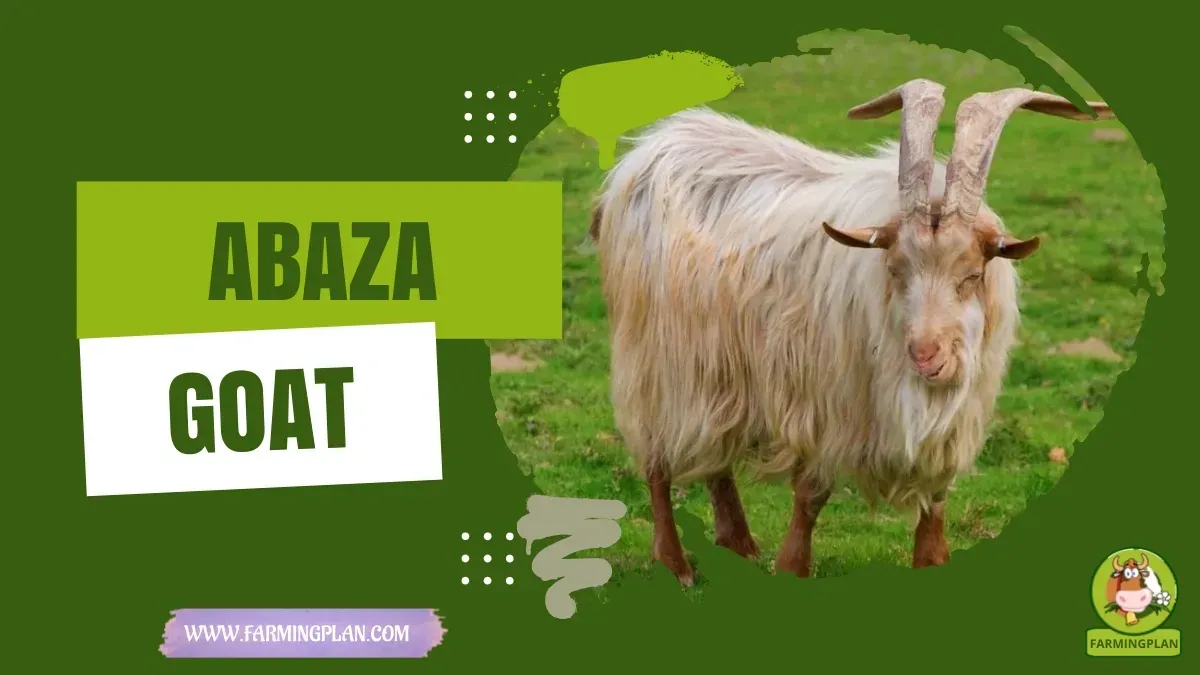
Origins & Pastoral Adaptation to Caucasus Highlands
The Abaza goat takes its name from the Abazin and Abkhazian peoples inhabiting the Caucasus mountains, whose nomadic pastoralist traditions shaped the breed’s functional traits over countless generations. Concentrated primarily in the northeastern provinces of Turkey (such as Artvin, Rize, and Trabzon) and neighboring Georgian mountain valleys, these goats were subjected to intense natural selection by predatory wildlife, steep topography, and heavy seasonal snowfall. Selecting healthy foundation stock is the cornerstone of successful Abaza Goat management.
In traditional transhumance management systems, herds migrate from humid Black Sea coastal foothills during the winter months to high alpine pastures (yaylas) exceeding 2,500 meters during the summer. This seasonal lifestyle fostered outstanding cardiovascular capacity, efficient thermal regulation, and an ability to utilize coarse alpine grasses, woody shrubs, and thorny brush that other livestock species reject.
Modern livestock conservationists recognize the Abaza goat as an indispensable genetic asset for climate adaptation. As global dairy operations seek breeds capable of maintaining production amid weather volatility and limited grain availability, the Abaza offers proven grazing efficiency. For homesteaders exploring dairy goat operations, compare their management with our detailed guide on raising sheep and dairy smallholder setups. Good predator-proofing and dry bedding safeguard Abaza Goat comfort in harsh weather.
Conformation, Horn Anatomy & Fleece Characteristics
The Abaza goat possesses a harmonious, functional conformation built for endurance rather than excessive bulk. Does stand approximately 60 to 65 cm at the withers, while mature bucks reach 70 to 75 cm. The head is relatively short and dry, with a straight to slightly concave facial profile. The ears are medium in length, carried horizontally or slightly drooping, which helps prevent tick infestations common in tropical lop-eared breeds.
Both sexes typically carry horns. Bucks develop impressive, backward-sweeping spiral horns that can reach 50 cm in length, utilized for defense against mountain predators such as wolves and lynx. Does carry lighter, scythe-shaped horns that curve gracefully backward. The hooves are exceptionally hard, dense, and pigmented black, displaying remarkable natural resistance to foot rot even in humid coastal valleys. Monitoring water quality and mineral balance directly benefits Abaza Goat vitality.
The coat is predominantly white, ivory, or pale straw-colored, though individuals with light brown, gray, or pied patches occur naturally. The fleece consists of straight, medium-length guard hairs protecting an underlayer of fine down that thickens during late autumn. This double fleece sheds rain and snow efficiently while maintaining body warmth in sub-zero winter temperatures.
Pasture Management, Browse Dynamics & Fencing
Because Abaza goats are instinctive browsers rather than pure grazers, they thrive on diverse silvopastoral acreage rich in brush, brambles, deciduous leaf litter, and wild herbs. They utilize their narrow muzzles and agile bipedal standing ability to harvest browse up to six feet off the ground, effectively controlling invasive woody species like blackberry, sumac, and wild rose. Practical hands-on husbandry ensures consistent results when raising Abaza Goat.
Implement rotational paddock grazing to maximize pasture recovery and interrupt gastrointestinal nematode life cycles. Move goats to fresh paddocks every 5 to 7 days, allowing grazed forage at least 30 to 45 days of rest before re-entry. Fencing must be robust and escape-proof; use 48-inch woven wire field fencing supplemented with an offset high-tensile electric wire charged to at least 5,000 volts placed at shoulder height to deter climbing and jumping.
Provide basic three-sided run-in sheds oriented away from prevailing Black Sea winds. While Abaza goats tolerate extreme cold, they despise wet, stagnant drafts. Ensure loafing areas are bedded deeply with dry barley straw or kiln-dried wood shavings to protect udder health and prevent environmental mastitis. For durable shelter construction, evaluate our setup guide on livestock housing equipment and mountain paddocks. Early intervention at the first sign of lethargy protects overall Abaza Goat flock or herd health.
Dairy Nutrition: Forage Rations & Mineral Protocols
The digestive physiology of the Abaza goat is adapted for maximizing energy from fibrous roughage through rumen microbial fermentation. When grazing high-quality mixed mountain pastures during active lactation, does require minimal grain supplementation. However, providing 300 to 500 grams of a 16% crude protein dairy ration during milking supports peak milk persistence and prevents body condition loss.
During winter months or severe drought, feed free-choice grass-legume hay (such as orchardgrass-alfalfa or timothy-clover mix) providing at least 14% crude protein. Avoid feeding moldy or dusty hay, which can trigger listeriosis or chronic respiratory distress in pregnant does. Always provide unlimited clean water warmed to at least 45°F during freezing weather to encourage adequate hydration and support milk volume. Structured culling and biosecurity protocols strengthen Abaza Goat genetic quality.
Maintain free-choice access to loose caprine mineral formulations fortified with balanced calcium, phosphorus, copper, selenium, and zinc. Goats require significantly higher copper levels than sheep; never feed multi-species sheep minerals to dairy goats, as copper deficiency results in faded coats, anemia, and reduced immune resilience. For comparative ruminant feeding standards, examine our resources on dairy farming and livestock nutrition management.
Herd Health, Parasite Control & Caprine Biosecurity
Gastrointestinal parasitism, particularly by the barber pole worm (Haemonchus contortus), represents the most serious biological threat to pastured goats. Implement the FAMACHA eye mucous membrane scoring system monthly during warm grazing seasons, treating only animals displaying clinical anemia (scores 4 and 5). Selective targeted deworming preserves refugia and delays anthelmintic resistance. Maintaining clean feeders and sanitized equipment supports sustainable Abaza Goat care.
Vaccinate all herd members annually with the core Clostridium Perfringens Types C & D and Tetanus (CD&T) toxoid vaccine. Does should receive a booster dose four to six weeks prior to their expected kidding date to ensure protective antibodies pass to newborn kids through colostrum. In addition, trim hooves every 8 to 12 weeks to maintain correct skeletal angles and prevent sole bruising. If you are balancing utility output and herd resilience, take a look at our Aswad Goat reference guide.
Enforce strict biosecurity when introducing new breeding bucks or replacement does. Quarantine incoming animals for at least 30 days, testing for Caseous Lymphadenitis (CL), Caprine Arthritis Encephalitis (CAE), and Johne’s Disease before allowing contact with the main milking herd. Consult livestock biosecurity guidelines through the USDA APHIS Caprine Health Program. Consistent daily observation helps keepers spot early changes in Abaza Goat health and behavior.
Breeding Cycle, Kidding Management & Kid Rearing
The Abaza goat exhibits seasonal polyestrous breeding behavior, cycling actively in the autumn as day length shortens (September through December). Does experience an estrous cycle of approximately 19 to 21 days, remaining in standing heat for 24 to 36 hours. A single mature buck can comfortably settle 25 to 35 does over a 45-day breeding season.
Gestation lasts between 148 and 153 days, resulting in vigorous spring kidding that aligns with flush pasture growth. Does exhibit outstanding maternal instincts, seeking private sheltered corners to deliver. Kidding complications are rare due to the breed’s wide pelvic conformation and moderate kid birth weights (2.8 to 3.5 kg). Clean housing, fresh water, and balanced nutrition remain essential for Abaza Goat productivity.
Ensure every newborn kid receives at least 10% of its body weight in warm maternal colostrum within the first six hours of life to achieve passive immune transfer. Kids adapt readily to dam-rearing or twice-daily bottle feeding on goat milk, weaning onto solid grass browse and grower pellets at 8 to 10 weeks of age. Retain superior doelings based on udder attachment and dam lactation records to systematically elevate herd milk production.
Economic Potential: Artisanal Dairy & Mountain Cheeses
The commercial viability of the Abaza goat centers on specialized, value-added dairy processing. Because the milk possesses high butterfat (4.5% to 5.2%) and elevated protein levels, it produces exceptional cheese yields per gallon compared to commercial Holstein cow milk. In Turkey, Abaza milk is traditionally blended into regional smoked cheeses, halloumi-style grilling cheeses, and cultured yogurts that command premium prices in metropolitan markets. Tracking feed intake and body condition supports long-term Abaza Goat performance.
In addition to dairy revenue, male kids finish rapidly on pasture, producing lean, flavorful chevon (goat meat) for ethnic and holiday markets. A well-managed herd of 30 milking does can sustain a profitable homestead micro-creamery with minimal grain inputs, delivering resilient farm returns. For broader livestock diversification strategies, explore our production guides on livestock meat production and small farm management.
🐐 Abaza Goat Herd Feed & Pasture Calculator
Calculate daily forage, monthly hay bales, loose minerals, and clean water needs for your Abaza Goat herd.
Frequently Asked Questions (FAQ)
What is the Abaza goat primarily raised for?
The Abaza goat is a dual-purpose breed raised primarily for rich dairy milk production and meat in the Caucasus mountains and northeastern Turkey. Its milk is celebrated for high butterfat content (around 4.5% to 5.0%), making it ideal for artisanal cheese making.
How much milk does an Abaza goat produce daily?
On native mountain pastures, an Abaza doe produces between 1.2 and 2.0 kg (approximately 1.2 to 2 quarts) of milk daily, yielding between 200 and 350 kg across a standard 180 to 210 day lactation period.
Are Abaza goats hardy in cold climates?
Yes. Originating in the high Caucasus alpine ranges, Abaza goats are exceptionally cold-hardy. They grow a dense protective undercoat during late autumn and possess hard black hooves that resist foot rot in wet conditions.
Can Abaza goats browse on steep brushy hillsides?
Yes, the Abaza goat was specifically evolved for steep, rocky mountain topography. They are agile climbers that prefer consuming woody shrubs, brambles, and wild herbs, making them superb for hillside vegetation management.
Step-by-Step Abaza Goat Husbandry Protocol
- Establish Sturdy Perimeter Fencing: Install 48-inch high-tensile woven wire fencing with a top electric wire charged to 5,000+ volts to secure agile climbers safely.
- Implement Rotational Browse System: Rotate goats through brushy paddocks every 5 days to utilize woody browse and suppress parasite larval ingestion.
- Provide Tailored Mineral Hoppers: Supply loose goat minerals containing high copper and selenium free-choice in covered, dry paddock stations.
- Execute FAMACHA Parasite Monitoring: Check lower eyelid color monthly during warm grazing seasons, administering targeted anthelmintics only to anemic does.
- Administer Annual CD&T Vaccinations: Vaccinate does 4 to 6 weeks prior to spring kidding to confer passive immunity to newborn kids via maternal colostrum.
- Maintain Biosecurity & Milk Sanitation: Wash and dry teats prior to milking, sanitize stainless equipment, and chill milk immediately below 40°F for artisanal cheese processing.
📚Agricultural Reference & Scientific Citations
Standards and physiological data referenced in this guide comply with USDA APHIS Small Ruminant Health, The Livestock Conservancy, and the American Veterinary Medical Association (AVMA).


