

⚡ Feeding Goats Naturally at a Glance: Key Specifications & Benchmarks
| Primary Feeding Philosophy | Holistic browsing ecology (woody perennials, shrubs, weeds, forbs, and tree foliage) |
| Dietary Forage Proportion | 85% to 95% complex browse and coarse roughage; minimal to zero commercial grain |
| Daily Dry Matter Intake | 3.0% to 4.5% of body weight derived from diverse pasture and woodland browse |
| Bioactive Tannin Function | Suppresses internal parasite egg output; improves intestinal protein bioavailability |
| Top Natural Anthelmintic Forages | Sericea lespedeza, Birdsfoot trefoil, Forage chicory, Willow bark, Pine needles |
| Essential Mineral Strategy | Free-choice organic kelp meal, Redmond rock salt, loose copper-rich caprine minerals |
| Rumen Buffer Strategy | Free-choice sodium bicarbonate (baking soda) in weather-sheltered dispenser |
| Winter Forage Substitute | Sun-cured tree hay, second-cutting legume-grass hay, untreated cedar and pine boughs |
Feeding goats naturally requires rethinking modern livestock management. For decades, commercial marketing conditioned livestock producers to rely heavily on bags of sweet feed, pelleted concentrates, and monoculture pastures. However, loading caprine digestive tracts with processed starches contradicts thousands of years of evolutionary browsing biology. Tracking feed intake and body condition supports long-term feeding goats naturally performance. Following biosecurity best practices reduces disease risk in any feeding goats naturally operation.
In their native environments, goats thrive as opportunistic browsers that seek out diverse shrubs, aromatic tree leaves, deep-rooted weeds, and thorny briars. When allowed to forage across biologically diverse woodlands and multi-species swards, goats self-regulate their nutritional intake with precision. Grounding your herd management in our established goat farming management system sets the stage for a resilient homestead flock. Seasonal adjustments to shelter and diet keep feeding goats naturally thriving year-round.
Transitioning to an organic feeding model reduces input expenses, strengthens natural parasite resistance, and eliminates chronic metabolic disorders like grain overload and urinary blockages. This guide details how to build a self-sustaining natural forage system using woodland browse, medicinal herbs, sun-cured tree hay, and holistic free-choice minerals. Proper record-keeping makes breeding and culling decisions easier for feeding goats naturally keepers.
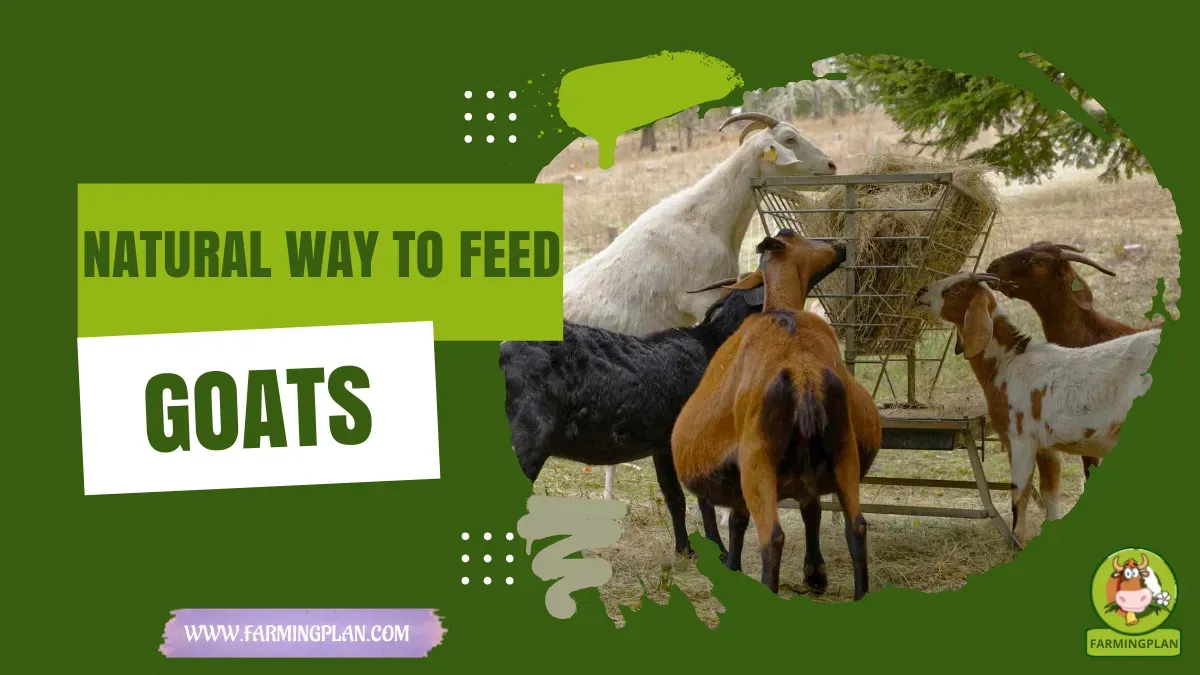
Natural Digestive Biology & Browsing Nutrition
The caprine rumen is a biological fermentation chamber optimized for digesting complex plant fibers rather than simple sugars. Rumen microflora break down cellulose, hemicellulose, and lignin found in fibrous woody plants, generating volatile fatty acids that supply daily metabolic fuel. Heavy grain feeding depresses rumen pH, killing beneficial fiber-digesting microbes and leaving goats vulnerable to acute acidosis. Providing adequate space and ventilation prevents common stress issues in feeding goats naturally.
Condensed Tannins & Bypass Protein Optimization
Many wild browse species, such as oak leaves, blackberry canes, and sericea lespedeza, contain high concentrations of condensed tannins. While excess tannins can lower feed palatability in cattle, goats produce specialized proline-rich saliva that binds tannins effectively. These tannins bind dietary proteins in the rumen, protecting them from microbial degradation and allowing high-quality bypass protein to reach the abomasum for direct absorption. Understanding breed-specific traits helps maximize feeding goats naturally longevity and output.
Deep-Rooted Forbs as Mineral Concentrators
Broadleaf weeds and medicinal forbs like chicory, plantain, and dandelion send deep taproots deep into subsoil layers. These plants mine trace copper, zinc, cobalt, and selenium that shallow-rooted turf grasses cannot reach. Offering goats access to diverse herbal swards ensures bioavailable micronutrients that strengthen immune defenses and maintain coat health. Routine preventive care saves time and lowers veterinary costs for feeding goats naturally.
⚡ Common Natural Browse Species & Bioactive Benefits Matrix
| Browse / Plant Species | Plant Classification | Crude Protein (%) | Tannin Concentration | Bioactive Health Properties | Palatability Rating |
|---|---|---|---|---|---|
| Blackberry Briars (Rubus) | Woody Perennial Shrub | 12% – 16% | Moderate to High | Astringent; firms loose stool and deters intestinal worms | Exceptional (Year-Round Favorite) |
| Sericea Lespedeza | Warm-Season Perennial Legume | 14% – 18% | Very High | Proven natural anthelmintic; reduces worm egg counts by 70% | High (Preferred Vegetative) |
| Willow Branches (Salix) | Deciduous Tree Browse | 11% – 14% | Moderate | Contains natural salicin; provides anti-inflammatory relief | Very High (Bark & Leaves) |
| Oak Foliage (Quercus) | Deciduous Forest Canopy | 10% – 13% | High | Rich in hydrolyzable tannins; tightens gut lining | Moderate to High (Spring/Summer) |
| Forage Chicory | Perennial Deep-Rooted Forb | 16% – 20% | Moderate | High mineral density; natural antiparasitic sesquiterpene lactones | Exceptional (Greedy Intake) |
| White Pine Needles (Pinus) | Evergreen Conifer Browse | 7% – 9% | Low to Moderate | High in Vitamin C, bioflavonoids, and winter dietary fiber | High (Winter Staple) |
Forest Ecology & Caprine Foraging Evolution
Wild ancestors of modern domestic goats developed across rugged terrain where lush valley pastures did not exist. Survival depended on agility, intelligence, and the physical capability to consume whatever plant materials emerged from rocky crevices. Goats evolved an upright bipedal stance, balancing on hind legs to strip tender leaves and shoots from tree branches up to six feet off the ground. Matching forage or ration quality to life stage optimizes feeding goats naturally growth.
Their split upper lip operates with remarkable dexterity, plucking tiny leaflets from thorny locust trees while evading sharp thorns. Confining these athletic animals to flat grass fields strips them of their natural foraging behaviors. Restoring woodlot browsing engages their instincts, reduces herd boredom, and prevents behavioral vices like fence chewing. Producers planning a diversified homestead operation often cross-reference our Angora Goat Care Guide. Gradual dietary transitions protect digestive stability in feeding goats naturally.
In integrated agroforestry systems known as silvopasture, goats operate as biological management tools. They clear invasive understory weeds like multiflora rose, Japanese knotweed, and autumn olive, opening forest floors to sunlight and accelerating timber tree growth while sustaining herd nutritional needs without mechanical mowing. Selecting healthy foundation stock is the cornerstone of successful feeding goats naturally management.
Silvopasture Layout, Tree Protection & Fencing
Managing goats on natural browse requires strong infrastructure. Unlike grazing cattle that respect single-strand wire, browsing goats climb brush, stretch under fences, and test perimeter boundaries relentlessly. High-tensile electrified fencing or portable electrified poultry netting energized to at least 5,000 volts is necessary to contain goats safely and deter predators. Good predator-proofing and dry bedding safeguard feeding goats naturally comfort in harsh weather.
Protecting Timber & Fruit Trees
Goats love tree bark. If left unsupervised in an orchard or timber stand, a small herd will girdle mature fruit and hardwood trees within hours, killing valuable stock. Protect heritage trees by wrapping trunks with heavy welded-wire cages or hardware cloth up to five feet high. Alternatively, designate dedicated brush paddocks where goats can clear honeysuckle and saplings without harming valuable timber. Monitoring water quality and mineral balance directly benefits feeding goats naturally vitality.
Coppicing and Living Fences
Homesteaders can establish renewable fodder banks through coppicing. Cutting fast-growing tree species like willow, mulberry, and hazel near ground level stimulates rapid regrowth of tender juvenile shoots. Goats browse these low branches each summer, providing continuous high-protein green fodder that regrows vigorously season after season. Practical hands-on husbandry ensures consistent results when raising feeding goats naturally.
Seasonal Natural Formulations, Forage & Tree Hay
Natural feeding strategies adapt to the rhythmic shifts of the seasons. In spring, tender green shoots provide an explosion of moisture and protein. Producers must balance this watery flush by supplying dry, fibrous grass hay to prevent rumen scouring. Reviewing our comprehensive guide to balanced goat feed rations ensures your baseline dry matter and mineral targets remain rock solid. Early intervention at the first sign of lethargy protects overall feeding goats naturally flock or herd health.
During late spring and summer, pair natural woodland browsing with pasture grasses like orchardgrass and timothy. Integrating the best grass varieties for goats provides high-energy vegetative cover between woodland browse rotations, ensuring high milk volumes and steady weight gains across the herd. Structured culling and biosecurity protocols strengthen feeding goats naturally genetic quality. Maintaining clean feeders and sanitized equipment supports sustainable feeding goats naturally care.
Harvesting and Curing Winter Tree Hay
Tree hay is an ancient European and Mediterranean fodder technique that modern homesteaders are reviving. In midsummer when tree leaves reach peak nutrient density, prune non-toxic branches from mulberry, willow, ash, and elm trees. Bundle branches with twine and hang them in a dark, well-ventilated barn loft to cure. In midwinter, offering these leafy bundles delivers essential minerals and roughage that dry baled hay lacks. Consistent daily observation helps keepers spot early changes in feeding goats naturally health and behavior.
Winter Evergreens and Conifer Feeding
When winter snow blankets pastures, untreated conifer branches become valuable feed. White pine, spruce, and fir boughs provide winter green roughage, vitamin C, and volatile terpenes that support respiratory health. Ensure Christmas trees or storm-felled boughs are free of artificial colorants, fire-retardant chemicals, and toxic yew foliage before offering them to livestock. Clean housing, fresh water, and balanced nutrition remain essential for feeding goats naturally productivity.
Natural Parasite Defense, Biosecurity & Toxic Hazards
Chemical dewormer resistance is a major crisis on modern goat farms, with the barber pole worm (Haemonchus contortus) showing widespread resistance to common pharmaceutical anthelmintics. A natural browsing strategy provides a powerful biological defense. Browsing animals consume forage 20 to 60 inches off the ground, far above the damp turf zone where infective nematode larvae congregate. Tracking feed intake and body condition supports long-term feeding goats naturally performance.
Feeding condensed-tannin forages like sericea lespedeza directly impairs adult worm motility and prevents female worms from shedding viable eggs in manure. Regularly check lower inner eyelids using the FAMACHA eye scoring chart to detect anemia before clinical illness appears. For verified small ruminant biosecurity practices, consult the USDA APHIS Livestock Health Program. Following biosecurity best practices reduces disease risk in any feeding goats naturally operation.
Deadly Poisonous Woodland Plants
While goats consume many prickly weeds safely, certain woodland plants are lethal. Members of the Ericaceae family, including mountain laurel, rhododendron, and wild azaleas, contain grayanotoxins that disrupt cardiac and nervous function, causing projectile vomiting, paralysis, and death within hours. Wilted wild black cherry leaves generate prussic acid that suffocates cellular respiration. Walk every browse paddock to identify and eradicate toxic species before turnout. Seasonal adjustments to shelter and diet keep feeding goats naturally thriving year-round.
Holistic Free-Choice Minerals, Kelp & Organic Supplements
Eliminating commercial grain does not mean withholding minerals. Soils across many regions are naturally depleted of selenium, zinc, and copper, making complete free-choice minerals non-negotiable. Provide an organic certified loose goat mineral protected inside a rainproof feeder. Never feed sheep minerals, which lack the copper necessary to prevent coat bleaching and parasitic susceptibility in goats. Proper record-keeping makes breeding and culling decisions easier for feeding goats naturally keepers.
Dried Norwegian kelp meal (Ascophyllum nodosum) serves as an outstanding natural supplement. Rich in over 60 chelated trace minerals, amino acids, and vitamins, kelp enhances thyroid function, improves coat sheen, and boosts reproductive fertility. Natural feeding also translates into exceptional dairy quality, producing rich organic goat milk with higher concentrations of beneficial conjugated linoleic acids (CLA). Providing adequate space and ventilation prevents common stress issues in feeding goats naturally.
Free-Choice Sodium Bicarbonate (Baking Soda)
Always maintain a separate feeder filled with plain baking soda. When a goat experiences mild digestive discomfort or consumes too many fermentable carbohydrates, it will voluntarily consume small quantities of sodium bicarbonate to buffer rumen acids. Never mix baking soda directly into mineral mixes, as doing so interferes with mineral intake regulation. Understanding breed-specific traits helps maximize feeding goats naturally longevity and output.
US Natural Goat Feeding Budget & Economic Savings
Transitioning from a grain-heavy commercial system to an organic browse model slashes operational feed expenditures significantly. While commercial dairy rations cost between $18 and $24 per 50-lb bag, rotational browse utilizes on-farm woodland resources and low-cost perennial forage banks. Below is an annual budget comparing feed costs for a homestead herd of four mature does managed primarily on natural forage. Routine preventive care saves time and lowers veterinary costs for feeding goats naturally.
⚡ Estimated Annual Natural Feeding Budget (4-Goat Homestead Herd, USD)
| Dietary Component | Annual Quantity / Description | Estimated Unit Cost ($) | Total Annual Cost ($) | Commercial Grain Comparison |
|---|---|---|---|---|
| Sun-Cured Second-Cut Hay | 80 square bales (high-forage baseline) | $8.00 – $11.00 / bale | $640 – $880 | Reduced by 30% via summer browse and tree hay |
| Woodland Browse & Silvopasture | Rotational woodlot brush & briars | $0.00 (Farm Resource) | $0.00 | Replaces $450 in commercial pelleted feeds |
| Organic Certified Kelp Meal | 2 bags (50 lbs Icelandic kelp) | $65.00 – $85.00 / bag | $130 – $170 | Provides bioavailable organic trace minerals |
| Loose Complete Goat Minerals | 3 bags (25 lbs weatherized mineral) | $25.00 – $32.00 / bag | $75 – $96 | Ensures adequate copper and selenium levels |
| Free-Choice Baking Soda & Salt | 50 lbs sodium bicarbonate + rock salt | $22.00 – $30.00 / year | $22 – $30 | Inexpensive natural rumen acid buffer |
| Apple Cider Vinegar & Herbal Additives | Raw organic ACV & garlic cloves | $35.00 – $50.00 / year | $35 – $50 | Supports gut microflora and repels biting flies |
| Total Annual Natural Feed Budget | Full organic nutrition for 4 adult does | — | $902 – $1,226 | Saves $600 to $900 annually vs grain-fed herds |
🐐 Goats Herd Feed & Pasture Calculator
Calculate daily forage, monthly hay bales, loose minerals, and clean water needs for your Goats herd.
Frequently Asked Questions (FAQ)
Can goats live completely off pasture browse without grain?
Yes, dry does, companion wethers, and mature bucks can thrive entirely on diverse woodland browse, quality hay, and loose minerals without commercial grain. High-yielding dairy does in peak lactation or fast-growing market kids may need targeted organic grain supplements during peak production.
What natural plants act as dewormers for goats?
Sericea lespedeza, birdsfoot trefoil, and forage chicory contain condensed tannins that significantly suppress gastrointestinal parasites like the barber pole worm. In addition, raw garlic, pumpkin seeds, and wormwood have traditional antiparasitic properties when fed as occasional herd supplements.
Are pine needles safe for goats to eat in winter?
Yes, clean needles and branches from white pine, spruce, and fir trees are safe and nutritious for goats. They provide winter fiber, vitamin C, and natural volatile oils. However, do not feed needles from Ponderosa pine to pregnant does, as they can trigger late-term abortion.
How do you harvest and cure tree hay for goats?
Harvest leafy branches from non-toxic trees like willow, mulberry, ash, or elm in midsummer when foliage is lush. Tie small bundles with natural twine and hang them upside down in a dark, dry barn loft with good air circulation. Store completely dry for winter feeding.
Why should goats have free-choice baking soda?
Goats instinctively consume small amounts of sodium bicarbonate (baking soda) when experiencing mild rumen indigestion or elevated acidity. Offering it free-choice in a separate container allows goats to self-regulate rumen pH, preventing acidosis before clinical symptoms develop.
Can goats eat garden weeds and vegetable kitchen scraps?
Yes, goats eagerly consume non-toxic garden weeds like dandelion, chickweed, and lambsquarter, as well as carrot tops, squash rinds, and apple cores. Never feed potato peels, tomato vines, eggplant leaves, or moldy kitchen scraps, which contain toxic solanine compounds.
Expert Summary & Management Recommendations
Feeding goats naturally is not only cost-effective; it honors the unique evolutionary biology of these resilient browsers. Replacing processed grain rations with diverse woodland browse, tannin-rich perennial legumes, and medicinal forbs restores digestive equilibrium and minimizes chemical parasite treatments across your herd. Matching forage or ration quality to life stage optimizes feeding goats naturally growth.
Observe your animals daily, monitoring body condition scores and checking mucosal membrane color using FAMACHA eye scoring. If digestive complications, unusual weight loss, or parasite burdens emerge during pasture transitions, refer to clinical diagnostic protocols in our guide to recognizing and treating common goat diseases. Embracing holistic browse management builds thriving, self-reliant livestock for generations. Gradual dietary transitions protect digestive stability in feeding goats naturally.
Expert Verdict & Next Steps for Feeding Goats Naturally Keepers
Successful management of Feeding Goats Naturally hinges on rigorous adherence to species-specific housing dimensions, precision daily nutrition, and proactive biosecurity protocols. Whether you are managing commercial production or establishing a self-sufficient homestead breeding flock, maintaining disciplined husbandry standards ensures long-term vitality, exceptional output yields, and sustainable enterprise profitability. Selecting healthy foundation stock is the cornerstone of successful feeding goats naturally management.
By pairing predator-proof shelter infrastructure with high-quality rations and regular veterinary wellness monitoring, growers can confidently optimize productive longevity across all life stages. For comprehensive operational management blueprints and companion breed guides, explore our complete technical library in Farming Plan Agricultural Guides. Good predator-proofing and dry bedding safeguard feeding goats naturally comfort in harsh weather.
📚Agricultural Reference & Scientific Citations
Standards and physiological data referenced in this guide comply with USDA APHIS Small Ruminant Health, The Livestock Conservancy, and the American Veterinary Medical Association (AVMA).


