

⚡ Goat Milk at a Glance: Key Nutritional Specifications & Production Benchmarks
| Parameter | Standard Benchmark |
| Primary Agricultural Category | Small Ruminant Dairy Production (Caprine Milk) |
| Average Butterfat Content | 3.5% – 4.5% (Up to 6.5% – 10.0% in Nigerian Dwarfs) |
| Average Crude Protein Content | 3.1% – 3.6% (Dominated by digestible A2 beta-casein) |
| Lactose Concentration | 4.1% – 4.5% (Approximately 10% lower than Holstein bovine milk) |
| Fat Globule Mean Diameter | 3.2 – 3.5 microns (Naturally homogenized; resists cream separation) |
| Calcium Concentration | 325 – 330 mg per 8 oz cup (Higher bioavailability than cow milk) |
| Curd Tension & Digestion Speed | Soft, friable curd; digests completely in human stomach within 20–30 minutes |
| Average Daily Yield per Doe | 0.75 – 1.50 gallons (6.0 – 12.0 lbs) for standard dairy breeds |
| Peak Lactation Duration | 10 months (305-day standard dairy lactation cycle) |
| Target Chilling Temperature | Chilled to <38°F (3°C) within 30 minutes to prevent lipolysis off-flavors |
| Grade A Somatic Cell Count (SCC) Limit | <1,500,000 cells/ml (Regulatory standard reflecting apocrine secretion) |
| Average US Retail Price Range | $8.00 – $14.00 per gallon (Fresh raw farm-gate or certified pasteurized) |
When planning goat milk benefits management, caprine milk is the most widely consumed dairy beverage on earth, nourishing more than sixty percent of the global population. In North America, smallholders and health-conscious consumers increasingly turn to dairy goats for nutritious, easily digestible milk that avoids the digestive inflammation frequently triggered by commercial bovine dairy. For homesteaders planning an integrated small ruminant enterprise, reviewing operational trade-offs in our foundational goat farming pros and cons guide establishes realistic labor and facility expectations.
The remarkable digestibility of goat milk stems from its fundamental biochemical architecture. Packed with smaller fat globules, high concentrations of short- and medium-chain fatty acids, and an A2-dominant beta-casein protein structure, goat milk creates a soft, friable curd in the human stomach. This gentle digestion enables many individuals with bovine sensitivity to enjoy fresh dairy without gastrointestinal discomfort. To evaluate alternative bloodlines and practical management routines, check our Khari Goat overview. Tracking feed intake and body condition supports long-term goat milk benefits performance. Following biosecurity best practices reduces disease risk in any goat milk benefits operation.
Biochemical Composition & Nutritional Comparison Standards
Evaluating goat milk against bovine and ovine milk reveals stark nutritional advantages. Goat milk carries negligible levels of alpha-s1-casein—the primary protein fraction responsible for bovine milk allergies in infants and adults. Instead, it contains abundant beta-casein and alpha-s2-casein, mirroring the protein profile of human breast milk more closely than cow milk. Seasonal adjustments to shelter and diet keep goat milk benefits thriving year-round. Proper record-keeping makes breeding and culling decisions easier for goat milk benefits keepers.
Additionally, goat milk is naturally homogenized. Its lipid fraction features microscopic fat globules averaging 3.2 to 3.5 microns, compared to large 4.5-plus micron globules in bovine milk. Because goat milk lacks agglutinin—the protein that causes fat globules to cluster and float upward—the cream stays naturally suspended throughout the liquid for several days without mechanical industrial processing. Providing adequate space and ventilation prevents common stress issues in goat milk benefits. Understanding breed-specific traits helps maximize goat milk benefits longevity and output.
⚡ Comprehensive Comparative Dairy Nutritional Matrix (Per 100g)
| Nutritional Parameter | Goat Milk (Caprine) | Cow Milk (Bovine) | Sheep Milk (Ovine) | Human Milk |
| Calories (kcal) | 69 kcal | 61 kcal | 108 kcal | 70 kcal |
| Crude Protein (g) | 3.6 g (A2 Dominant) | 3.2 g (A1 Dominant) | 5.6 g (Dense Curd) | 1.2 g (Whey Dominant) |
| Total Butterfat (g) | 4.1 g (Small Globules) | 3.4 g (Large Globules) | 7.0 g (Rich Lipids) | 4.4 g (Varied Lipids) |
| Lactose / Sugars (g) | 4.4 g | 4.8 g | 5.1 g | 6.9 g |
| Calcium (mg) | 134 mg | 119 mg | 193 mg | 32 mg |
| Potassium (mg) | 204 mg | 151 mg | 137 mg | 51 mg |
| Vitamin A (IU) | 185 IU (Bioavailable) | 126 IU (Carotene Base) | 146 IU | 241 IU |
Dairy Goat Breeds, Yield Benchmarks & Lactation Curves
Selecting the right dairy goat breed depends on whether your homestead prioritizes maximum fluid volume or rich butterfat for cheese making. The American Dairy Goat Association recognizes six standard full-sized dairy breeds along with the miniature Nigerian Dwarf. Heavy Swiss breeds excel in daily gallons, while heritage British and African breeds deliver dense solids. Routine preventive care saves time and lowers veterinary costs for goat milk benefits.
Saanens and Alpines represent the high-volume workhorses of commercial dairy, yielding 1.0 to 2.0 gallons (8 to 16 lbs) daily with moderate 3.2% to 3.6% butterfat. Nubians produce 0.75 to 1.25 gallons of rich, sweet milk carrying 4.5% to 5.2% butterfat, recognizable by their long pendulous ears. The compact Nigerian Dwarf averages 0.25 to 0.5 gallons daily but boasts astonishing butterfat levels between 6.5% and 10.0%, creating incomparable artisanal chevre and butter. Matching forage or ration quality to life stage optimizes goat milk benefits growth. Gradual dietary transitions protect digestive stability in goat milk benefits.
Sanitary Milking Architecture, Sanitation & Cooling Standards
The infamous “goaty” flavor that deters some consumers is not natural to fresh caprine milk. It results directly from poor barnyard sanitation, unwashed udders, delayed cooling, or housing bucks alongside milking does. Bucks possess scent glands behind their horns that release pungent musk during rut; keeping intact males within smelling distance of open milk buckets ruins milk flavor instantly through airborne volatile lipid absorption. Selecting healthy foundation stock is the cornerstone of successful goat milk benefits management. Good predator-proofing and dry bedding safeguard goat milk benefits comfort in harsh weather.
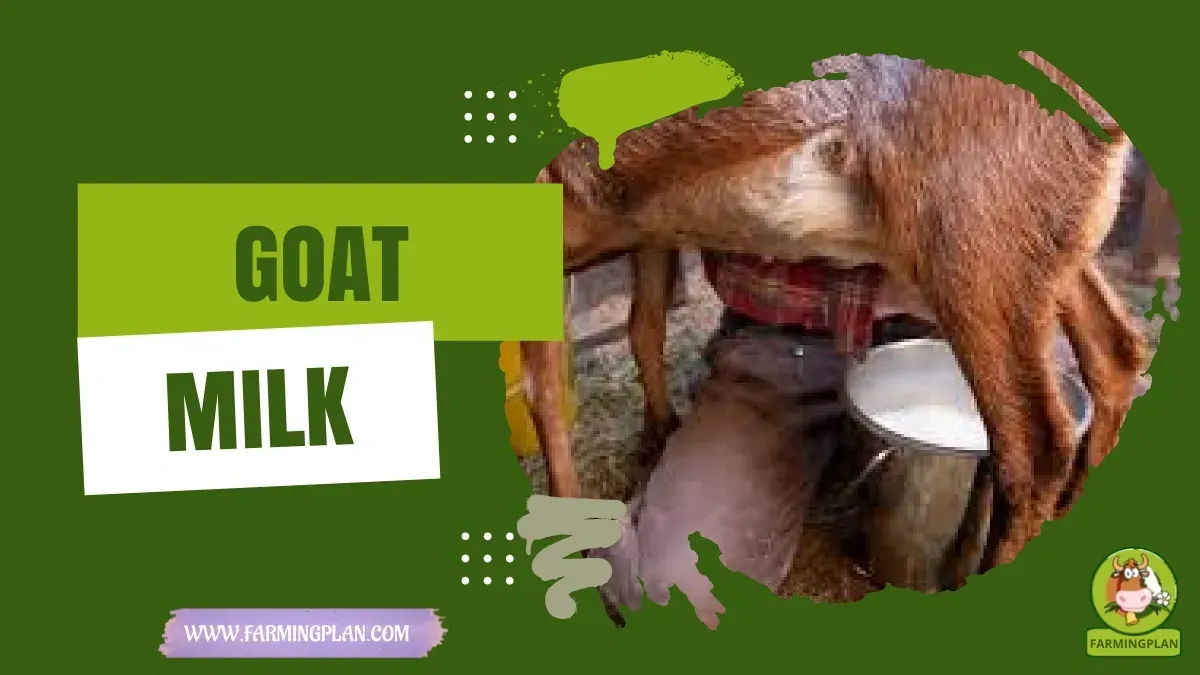
Follow a disciplined milking routine to guarantee sweet, clean-tasting dairy. Milk does on a raised wooden or steel stanchion in a separate, fly-free milking parlor. Wash udders with warm sanitizing wash, dry thoroughly with single-use paper towels, and strip the first three streams of milk into a black strip cup to check for mastitis flakes. Filter raw milk through single-use dairy filters into a seamless stainless steel pail, and submerge the container into an ice-water bath to drop temperature below 38°F (3°C) within twenty minutes. Monitoring water quality and mineral balance directly benefits goat milk benefits vitality. Practical hands-on husbandry ensures consistent results when raising goat milk benefits.
Nutritional Protocols & Doe Lactation Feeding Requirements
A lactating dairy doe experiences immense metabolic demands, converting feed energy directly into milk sugars and butterfat. Nutrition during peak lactation requires unlimited access to high-quality legume forage like second-cut alfalfa, which provides critical calcium and protein. To formulate complete forage and mineral balances across dry and milking periods, examine our detailed goat feed guide for age-stage nutritional rations. Early intervention at the first sign of lethargy protects overall goat milk benefits flock or herd health.
Supplement forage with a balanced 16% dairy goat concentrate pellet, feeding approximately one pound of grain for every three pounds of milk produced daily. Dairy goats require a strict 2:1 calcium-to-phosphorus ratio to prevent hypocalcemia (milk fever) during freshening. Always maintain loose, free-choice caprine minerals containing copper, selenium, and zinc; never feed commercial sheep minerals, which lack the copper necessary for goat immune and metabolic health. Structured culling and biosecurity protocols strengthen goat milk benefits genetic quality. Maintaining clean feeders and sanitized equipment supports sustainable goat milk benefits care.
Herd Health Management, Udder Care & Biosecurity Standards
Maintaining a disease-free milking herd requires vigilance against subclinical mastitis and chronic caprine infectious diseases. Unlike cows that exhibit merocrine milk secretion, goats utilize apocrine secretion, shedding harmless cellular particles into milk. This biological difference means normal goat somatic cell counts run higher than cattle, requiring specialized caprine-calibrated California Mastitis Tests (CMT) for accurate diagnosis. Consistent daily observation helps keepers spot early changes in goat milk benefits health and behavior. Clean housing, fresh water, and balanced nutrition remain essential for goat milk benefits productivity.
Protect your dairy line against Caprine Arthritis Encephalitis (CAE) and Caseous Lymphadenitis (CL) through strict biosecurity and annual serological testing. CAE travels directly from infected does to kids via raw colostrum and milk, causing chronic arthritis and hard udder syndrome. Consult biosecurity isolation protocols from the USDA APHIS Caprine Health Standards to maintain certified clean herd status. Tracking feed intake and body condition supports long-term goat milk benefits performance. Following biosecurity best practices reduces disease risk in any goat milk benefits operation.
Raw Milk Regulations, Pasteurization & Home Processing
Legal regulations governing raw goat milk sales vary dramatically across North America. While federal US law strictly prohibits interstate transport of unpasteurized milk for human consumption, individual states dictate farm-gate sales, retail store allowances, or herd-share programs. Homesteaders selling milk must familiarize themselves with state dairy sanitation codes and testing requirements. To review pasture forage management that enhances milk quality, explore our guide to the best grass for goats. Seasonal adjustments to shelter and diet keep goat milk benefits thriving year-round.
For home use, raw milk can be consumed fresh or batch-pasteurized on the stove. Heat milk to 145°F (63°C) and hold for thirty minutes, or flash-pasteurize at 161°F (72°C) for fifteen seconds before plunging into ice water. Fresh goat milk transforms effortlessly into velvety chèvre, probiotic kefir, rich Greek yogurt, and luxurious cold-process moisturizing soap bars that command high artisan market prices. Proper record-keeping makes breeding and culling decisions easier for goat milk benefits keepers. Providing adequate space and ventilation prevents common stress issues in goat milk benefits.
US Dairy Goat Ownership Budget & Enterprise Cost Breakdown
Operating a homestead micro-dairy with two registered milking does provides dependable family nutrition while generating surplus value through artisan dairy products. Goats require less capital outlay and acreage than dairy cattle, making them an accessible livestock entry point. The following budget outlines realistic North American costs for establishing and maintaining two registered milking does: Understanding breed-specific traits helps maximize goat milk benefits longevity and output. Routine preventive care saves time and lowers veterinary costs for goat milk benefits.
⚡ Estimated Annual Budget & Maintenance Costs (USD)
| Budget Category | Startup Cost (Year 1) | Annual Recurring Cost | Cost Reduction Strategies |
| Stock Acquisition (2 Bred Registered Does) | $600 – $1,200 | $0 – $100 | Retain top doeling kids to expand herd genetics |
| Milking Stanchion, Pails & Strainer | $180 – $350 | $25 – $45 | Build DIY wooden stanchion from salvaged timber |
| Legume Hay (Second-Cut Alfalfa Bales) | $320 – $480 | $320 – $480 | Source bulk square bales directly from local growers |
| 16% Dairy Pellets & Loose Minerals | $140 – $220 | $140 – $220 | Feed strictly to milk production weight ratios |
| Fencing & Predator-Proof Night Pen | $500 – $900 | $40 – $70 | Use woven wire field fence with electric top wire |
| Veterinary Care, Deworming & CAE Labs | $80 – $150 | $60 – $100 | Practice proactive fecal egg counts to avoid parasites |
| Total Estimated Investment | $1,820 – $3,300 | $585 – $1,015 | Annual Milk Value (300 Gal): ~$2,400 – $3,600 |
🐐 Goat Benefits Herd Feed & Pasture Calculator
Calculate daily forage, monthly hay bales, loose minerals, and clean water needs for your Goat Benefits herd.
Frequently Asked Questions (FAQ)
Is goat milk easier to digest than cow milk?
Yes, goat milk is significantly easier to digest than cow milk. It features smaller fat globules, a softer curd tension in stomach acid, and consists primarily of A2 beta-casein, lacking the inflammatory alpha-s1-casein protein that commonly causes bovine dairy sensitivities.
Does goat milk contain lactose?
Yes, goat milk contains lactose, but approximately 10% less than whole cow milk (about 4.4% compared to 4.8%). Many lactose-sensitive individuals tolerate goat milk comfortably because its rapid gastric transit time prevents painful intestinal fermentation.
Why does some store-bought goat milk taste ‘goaty’?
A strong, musky ‘goaty’ flavor is caused by enzyme breakdown (lipolysis) of milk fats when milk is handled roughly, cooled too slowly, or harvested near rutting bucks. Clean, rapid chilling to below 38°F yields milk that tastes sweet, clean, and nearly identical to cow milk.
How much milk does a dairy goat produce per day?
Standard full-sized dairy goats (Saanen, Alpine, Nubian) produce between 0.75 and 1.5 gallons (6 to 12 pounds) of milk daily during peak lactation. Miniature breeds like Nigerian Dwarfs produce 1 to 2 quarts daily with extraordinarily high butterfat.
Can you freeze fresh goat milk?
Yes, fresh goat milk freezes exceptionally well for up to six months. Pour strained milk into food-grade plastic jugs, leaving two inches of headspace for expansion. Thaw slowly in the refrigerator and shake vigorously to restore the natural fat emulsion.
Expert Verdict & Next Steps for Sustainable Smallholders
Goat milk represents a gold standard in self-sufficient homestead nutrition. Offering superior digestibility, high mineral bioavailability, and versatile culinary utility, a pair of well-managed dairy does provides year-round food security with a fraction of the land and feed investment required by dairy cows. To deepen your understanding of forage and browsing strategies, explore our practical guide to feeding goats naturally across diverse seasonal pastures. Matching forage or ration quality to life stage optimizes goat milk benefits growth.
📚Agricultural Reference & Scientific Citations
Standards and physiological data referenced in this guide comply with USDA APHIS Small Ruminant Health, The Livestock Conservancy, and the American Veterinary Medical Association (AVMA).


