

⚡ Khari Goat at a Glance: Key Specifications & Production Benchmarks
| Breed Classification | Autochthonous Nepalese hill goat; prolific meat and dual-purpose landrace |
| Geographical Origin | Mid-hills and Himalayan valleys of Nepal (300 to 2,000 meters altitude) |
| Mature Buck Body Mass | 70 – 95 lbs (32 – 43 kg); compact, muscular, agile hill conformation |
| Mature Doe Body Mass | 55 – 75 lbs (25 – 34 kg); functional, highly maternal silhouette |
| Coat Color Variations | Four distinct ecotypes: White (Seto), Black (Kalo), Brown (Khaire), and Mixed (Pangre) |
| Horn Conformation | Short, backward-curved horns present in both bucks and does |
| Prolificacy & Kidding | 1.8 – 2.3 kids per kidding; exceptional twinning and triplet frequency |
| Age at First Kidding | 12 to 14 months; rapid sexual maturity and short kidding intervals |
| Primary Agricultural Utility | High-flavor chevon meat production, manure fertilization, household milk |
Himalayan Livestock & Meat Goats • 2026 Breed Guide
Raising the khari goat, celebrated across the middle hills of Nepal and the Himalayan foothills as the premier indigenous meat caprine, introduces farmers and homesteaders to one of the most prolific and adaptable small ruminants in Asia. Comprising over half of Nepal’s total caprine population, this hardy, compact goat has evolved across steep mountain terraces and sub-tropical valleys. Renowned for its exceptional kidding prolificacy, tender chevon quality, and extraordinary ability to thrive on native forest browse, the Khari goat is a cornerstone of sustainable smallholder mountain agriculture. Monitoring water quality and mineral balance directly benefits khari goat vitality.
Ecological Origins & Himalayan Agricultural History
The Khari goat has inhabited the central and eastern Himalayan foothills for thousands of years, adapting through natural and community selection to the rugged mid-hill agro-ecological zone between 1,000 and 6,500 feet above sea level. In this vertical terrain of steep river gorges, terraced hillsides, and monsoon forests, large livestock breeds struggle with mobility and thermal stress, whereas the nimble Khari thrives. Practical hands-on husbandry ensures consistent results when raising khari goat.
Traditionally managed by subsistence farming households, the breed has supported rural food security and women-led agricultural cooperatives. NARC research institutes recognize four distinct color ecotypes within the Khari population, each exhibiting specific environmental adaptations to differing moisture and altitude gradients. Today, the Khari is celebrated internationally as a model breed for climate-smart smallholder meat production.
Physical Characteristics, Conformation & Color Strains
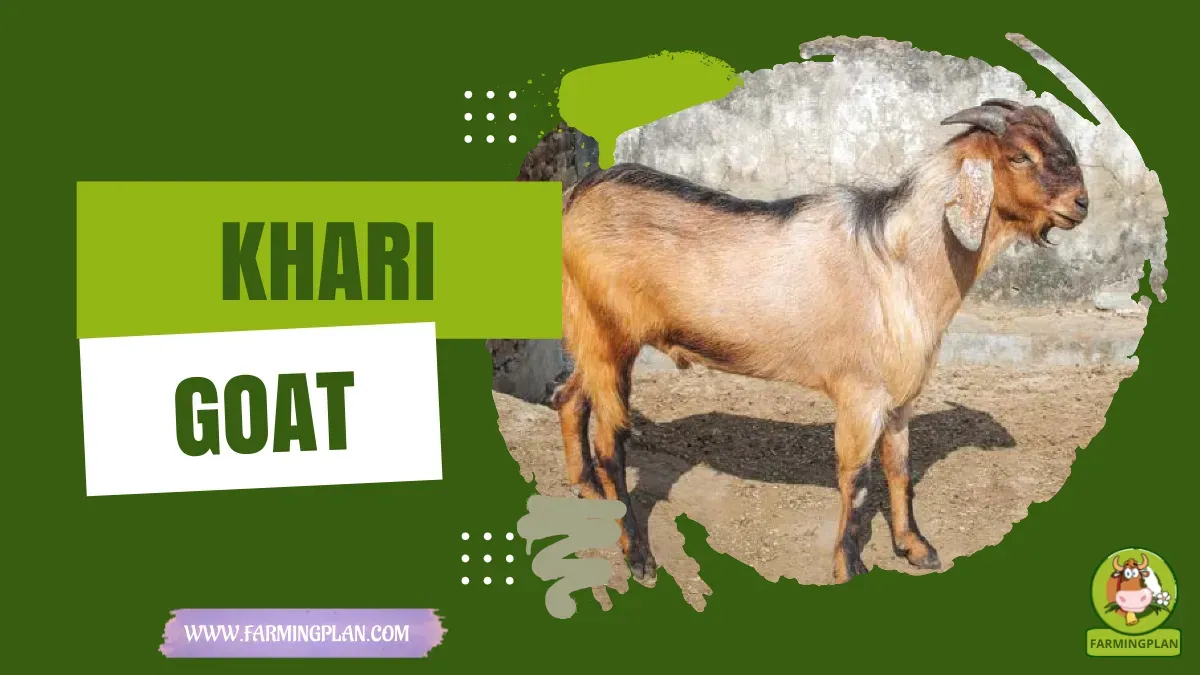
The Khari is a small-to-medium framed goat possessing a cylindrical, sturdy body supported by strong, short legs. The head is compact with a flat or slightly dished facial profile, alert horizontal ears of moderate length, and dark expressive eyes. Both sexes carry short, sharply pointed horns that curve backward and slightly outward. Early intervention at the first sign of lethargy protects overall khari goat flock or herd health.
The hair coat is short, dense, and coarse, providing protection against brush abrasions, monsoon downpours, and chilly mountain nights. Coat color displays remarkable genetic diversity, classified into four recognized variants: Seto (pure white), Kalo (jet black), Khaire (solid reddish-brown), and Pangre (brindle or multi-colored pattern with distinct facial stripes). The hooves are dense, dark, and concave, enabling confident balance on wet slate rocks and steep hillside pathways. Breeders interested in comparing housing, diet, and productivity traits should see our Oberhasli Goat husbandry guide. Structured culling and biosecurity protocols strengthen khari goat genetic quality.
The udder conformation of Khari does is small yet functional, featuring well-spaced conical teats designed for rapid nursing by multiple kids. While total volumetric milk output is modest compared to specialized dairy breeds, the milk contains high solids that sustain rapid kid development in rugged environments.
Temperament, Climbing Agility & Social Dynamics
Khari goats display an alert, curious, and remarkably hardy temperament. They possess extraordinary agility, effortlessly leaping between steep terrace risers and balancing on narrow mountain ledges to browse tree foliage. Despite their spirited energy on pasture, they are gentle and cooperative when handled by familiar caretakers. Maintaining clean feeders and sanitized equipment supports sustainable khari goat care.
Within family herds, Khari goats exhibit strong flock cohesion, moving together across communal grazing lands and responding readily to familiar herding calls. Does demonstrate fierce maternal protection over their newborn litters, defending kids against predatory birds and small carnivores. For comparative goat behavior, explore our Argentata dell’Etna goat guide and Aspromonte goat overview. Consistent daily observation helps keepers spot early changes in khari goat health and behavior.
Chevon Meat Quality, Dressing Percentage & Market Yields
The primary economic output of the Khari goat is high-grade chevon (goat meat). In Himalayan culinary tradition, Khari chevon is prized above all other meats for its fine grain, tender muscle fibers, low subcutaneous fat, and rich savory flavor derived from aromatic mountain browse.
Under typical village grazing with grain finishing, young Khari castrates (wethers) achieve butcher weights of 50 to 65 pounds (23 to 30 kg) between 10 and 14 months of age, producing clean dressing percentages between 48% and 52%. The carcass delivers well-proportioned bone-to-meat ratios, generating premium pricing in local and regional livestock markets. Review small ruminant meat strategies in our livestock farming hub. Clean housing, fresh water, and balanced nutrition remain essential for khari goat productivity.
Feed Requirements & Forest Browse Digestion
The nutritional physiology of the Khari goat is engineered for extreme thriftiness. In their native mountain habitat, they derive over 70% of their daily nutrition from browsing native broadleaf forest tree fodder, including species such as Ficus roxburghii (Nebharo), Artocarpus lakoocha (Badahar), bamboo leaves, and native scrub legumes. Tracking feed intake and body condition supports long-term khari goat performance.
In managed homestead or pen-fed systems, provide 2 to 3.5 pounds of dry matter daily per doe, consisting of chopped green fodder, dry grass-legume hay, and fresh tree browse. Supplement pregnant and lactating does with 0.5 to 1.0 pounds of a farm-mixed concentrate ration consisting of crushed maize, wheat bran, mustard oil cake, and 2% mineral salt. Ensure continuous access to fresh water and mineral salt blocks. Explore cattle foraging comparisons in our cattle farming overviews.
During the monsoon season, avoid feeding freshly cut, soaking-wet forage directly from low fields, as this can induce bloat and accelerate internal parasite ingestion. Wilting cut fodder for several hours before feeding stabilizes digestion and reduces pasture worm load. Following biosecurity best practices reduces disease risk in any khari goat operation.
Housing Infrastructure, Slatted Stalls & Monsoon Management
In wet, humid mountain environments, housing design is the most critical factor protecting herd health. The traditional and most effective shelter for Khari goats is the elevated slatted wooden floor house, built 3 to 4 feet above the ground on sturdy timber or bamboo stilts. Seasonal adjustments to shelter and diet keep khari goat thriving year-round.
Elevated slatted flooring allows urine and manure pellets to drop cleanly through to the ground below, keeping resting goats completely dry, reducing ammonia vapor, and eliminating foot rot pathogens. Provide 10 to 14 square feet of covered stall space per adult doe, with adequate roof overhangs to block driving monsoon rains. Pasture fencing requires 48-inch woven wire or four-strand electric polywire to prevent energetic goats from escaping.
Underneath elevated stalls, collect droppings daily and compost them with dry crop residue to produce rich organic fertilizer. Regular lime application on the ground beneath the slats discourages biting flies and sanitizes the stall perimeter. Proper record-keeping makes breeding and culling decisions easier for khari goat keepers.
Reproductive Prolificacy, Kidding & Veterinary Biosecurity
Reproductive prolificacy is the greatest commercial strength of the Khari goat. Does reach sexual maturity exceptionally early, frequently conceiving at 7 to 9 months of age under good nutrition. Kidding rates average 1.8 to 2.3 kids per litter, with twinning occurring in over 60% of kiddings and triplets common in mature does. Providing adequate space and ventilation prevents common stress issues in khari goat.
The gestation period lasts approximately 146 to 148 days, and does frequently demonstrate short post-partum anestrus, allowing three kiddings every two years. Implement a strict preventive health plan including annual vaccinations against Peste des Petits Ruminants (PPR) and enterotoxemia, strategic deworming based on FAMACHA eyelid mucous membrane scoring, and regular hoof trimming. For broader livestock biosecurity protocols, review our anthrax livestock guidelines and poultry vaccination schedules.
Young kids should receive clean maternal colostrum within thirty minutes of kidding to establish passive humoral immunity against systemic septicemia. Introducing soft green legume leaves at two weeks of age stimulates muscular rumen development and ensures vigorous weaning weights. Understanding breed-specific traits helps maximize khari goat longevity and output.
⚡ Estimated Annual Budget & Maintenance Costs (USD)
Operating a smallholder breeding herd of 10 Khari does and 1 breeding buck involves economical startup investments and modest annual maintenance expenses. Below is an itemized 2026 financial projection:
| Operational Expense Category | Initial Setup (USD) | Annual Recurring Cost (USD) |
|---|---|---|
| Foundation Purebred Hill Stock (10 Does, 1 Buck) | $1,200 – $2,200 | $0 |
| Elevated Slatted-Floor Shed & Paddock Fencing | $900 – $1,800 | $80 – $140 |
| Forage Troughs, Mineral Feeders & Water Basins | $150 – $280 | $20 – $40 |
| Cultivated Mountain Browse, Green Fodder & Dry Hay | $0 | $650 – $1,100 |
| Supplemental Concentrates (Maize, Bran, Oil Cake) & Salt | $0 | $380 – $620 |
| PPR Vaccines, Clostridial Doses & Deworming Treatments | $60 – $120 | $100 – $180 |
| Bedding Lime & Disinfectant Sprays | $40 – $70 | $50 – $90 |
| Total Estimated Investment | $2,350 – $4,470 | $1,280 – $2,170 / year |
🐐 Khari Goat Herd Feed & Pasture Calculator
Calculate daily forage, monthly hay bales, loose minerals, and clean water needs for your Khari Goat herd.
Frequently Asked Questions (FAQ)
Where does the Khari goat originate?
The Khari goat originates in the middle hills and valleys of Nepal across the Himalayan foothills, where it represents more than half of the national goat population.
What are the four color varieties of Khari goats?
The four recognized color ecotypes are Seto (pure white), Kalo (jet black), Khaire (reddish brown), and Pangre (brindle or multi-colored with facial stripes).
How prolific are Khari goat does?
Khari does are extraordinarily prolific, averaging 1.8 to 2.3 kids per kidding cycle, with twinning occurring in over 60% of births and triplets common in well-fed mature does.
What kind of housing is best for Khari goats in wet areas?
Elevated slatted wooden floor housing built 3 to 4 feet off the ground is best. It keeps goats dry, allows droppings to fall through, prevents ammonia buildup, and stops foot rot.
What is the primary agricultural purpose of Khari goats?
The Khari is primarily raised for high-value chevon (goat meat) production, known for fine texture, low fat, and excellent flavor, as well as organic farm manure and small household milk.
Can Khari goats adapt to cold mountain temperatures?
Yes, having evolved in the Himalayan mid-hills, Khari goats possess dense protective hair and hardy metabolisms that easily handle chilly mountain nights and variable foothill weather.
Key Breed Advantages
- Outstanding kidding prolificacy averaging 1.8 to 2.3 kids per litter
- Superior agility and climbing ability on steep terraced hillsides
- Thrifty ruminal digestion thrives on rough native tree browse and scrub
- Early sexual maturity (7-9 months) and rapid re-breeding potential
- Tender, lean chevon meat commands premium prices in regional markets
Management Considerations
- Modest milk production intended primarily for rearing vigorous twin kids
- Smaller mature carcass body weight than large continental meat breeds
- Requires dry, elevated slatted housing to prevent respiratory and hoof issues
- Active climbing behavior requires secure, well-maintained fencing
📚Agricultural Reference & Scientific Citations
1. Nepal Agricultural Research Council (NARC): Animal Breeding Division: Khari Goat Performance & Ecotypes.
2. Food and Agriculture Organization (FAO): Domestic Animal Diversity Information System: Nepal Small Ruminant Genetic Resources.
3. International Livestock Research Institute (ILRI): Smallholder Goat Production Systems in the Himalayan Hills.


