

⚡ Domestic Goose Care at a Glance: Key Specifications & Benchmarks
| Primary Agricultural Roles | Pasture weed management, alarm/guardian sentry, meat, down, large gourmet eggs |
| Mature Weight Spectrum | Light Breeds: 10 – 14 lbs; Medium: 15 – 18 lbs; Heavy (Toulouse/Embden): 20 – 26 lbs |
| Dietary Foundation | Specialized herbivorous grazer; high-quality green grass pasture constitutes 70% to 80% of diet |
| Critical Gosling Micronutrient | Niacin (Vitamin B3; minimum 55 – 65 mg/kg feed) to prevent bowed hocks & leg lameness |
| Shelter Floor Space | Minimum 10 to 12 square feet of dry, draft-free indoor floor space per adult goose |
| Pasture Grazing Density | 20 to 40 geese per acre of managed rotational pasture depending on turf quality |
| Water Source Mandate | Deep bucket or trough allowing complete head submersion to clean nostrils, eyes & nares |
| Flock Social Structure | Strict flock hierarchy; pairs or trios (1 gander to 2–3 geese); fiercely loyal lifelong bonds |
| Typical Lifespan | 15 to 25 years with clean shelter, predator exclusion fencing, and balanced forage |
| Breeding Incubation Period | 28 to 35 days (average 30 days); eggs require daily moisture cooling cycles |
Domestic geese (*Anser anser domesticus* and *Anser cygnoides*) hold a revered place in world agriculture as intelligent, hardy, and highly functional waterfowl. Unlike standard backyard poultry that require grain-heavy rations, geese are specialized avian herbivores capable of deriving the vast majority of their daily caloric and nutrient intake directly from pasture grasses, clover, and aquatic plants. For homesteaders and livestock producers, geese serve as efficient biological weeders, vigilant sentinels, and producers of rich meat and down. Gradual dietary transitions protect digestive stability in goose care. Selecting healthy foundation stock is the cornerstone of successful goose care management.
Mastering waterfowl husbandry requires understanding their distinct digestive anatomy, specialized niacin demands during early development, and specific water infrastructure needs. Keepers who review foundational poultry management in our complete goose farming and waterfowl husbandry guide can design secure predator-proof night shelters, install frost-free watering stations, and organize pasture rotations before welcoming goslings. Good predator-proofing and dry bedding safeguard goose care comfort in harsh weather.
Whether your goal involves raising magnificent exhibition Toulouse and Embden stock, utilizing active Chinese geese to weed orchard orchards, or keeping a bonded pair as farm guardians, proper care ensures these birds thrive for decades. Geese develop deep social attachments, recognize individual handlers, and sound unmistakable trumpet warnings at the approach of predators. This comprehensive handbook details breed selection, housing, pasture management, nutritional protocols, and disease prevention. Monitoring water quality and mineral balance directly benefits goose care vitality.
Daily management for domestic geese centers on building calm, trust-based interactions. Because geese possess keen vision and strong flight-or-fight reflexes, moving slowly and using gentle vocal cues keeps the flock relaxed. Herding geese with extended arms or lightweight sorting flags guides them smoothly between night coops and day pastures without inducing unnecessary stress or physical panic. Practical hands-on husbandry ensures consistent results when raising goose care. Early intervention at the first sign of lethargy protects overall goose care flock or herd health.
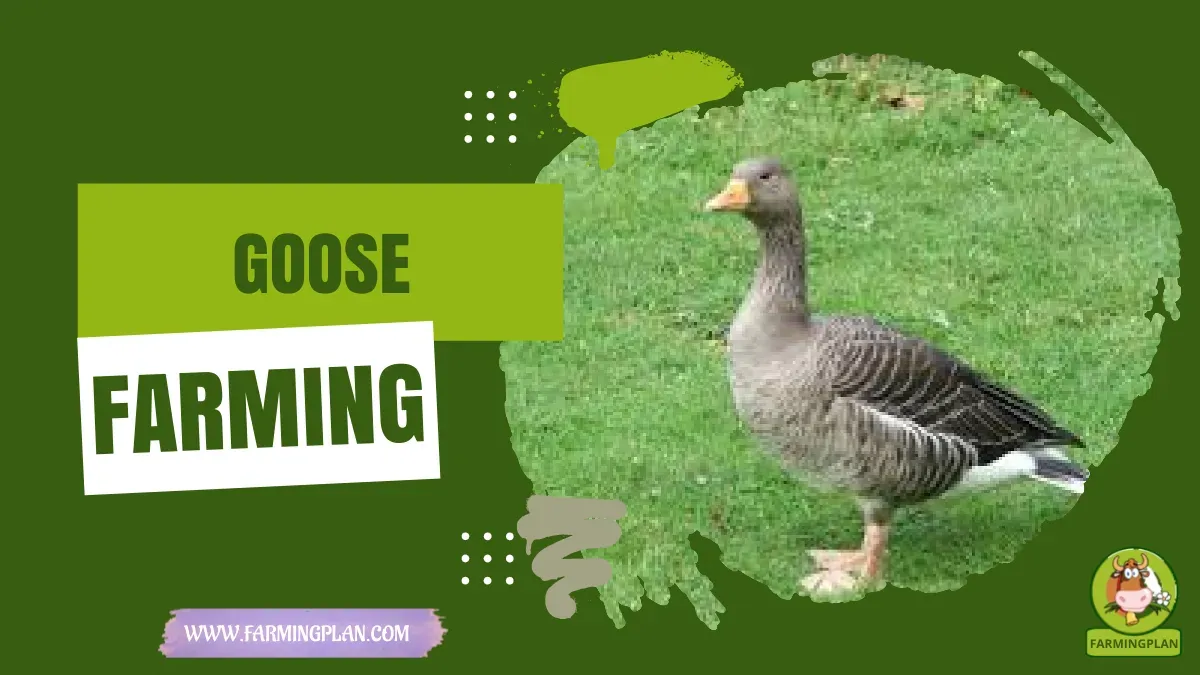
Breed Selection & Waterfowl Characteristics
Selecting the ideal goose breed depends on your primary agricultural objectives. The American Poultry Association classifies domestic geese into three broad weight divisions: Heavy, Medium, and Light classes. Each class exhibits distinct behavioral traits, forage consumption rates, and reproductive capacities. Structured culling and biosecurity protocols strengthen goose care genetic quality.
The Heavy Class includes the Embden, the Toulouse, and the African goose. The Embden is a towering, pure white bird weighing 20 to 26 pounds, widely considered the premier commercial meat producer due to fast juvenile growth and clean white feather quills. The Toulouse, originating in France, is a ponderous, placid gray bird sporting a massive body dewlap. The African goose features a majestic basal bill knob and warm brown plumage, descended from the wild Swan Goose (*Anser cygnoides*). Maintaining clean feeders and sanitized equipment supports sustainable goose care care.
The Medium Class includes the unique curly-feathered Sebastopol, the docile American Buff, and the autosexing Pilgrim goose (where ganders are creamy white with blue eyes and geese are dove gray with hazel eyes). The Light Class is dominated by Chinese geese (both White and Brown varieties), which are exceptionally prolific layers producing 50 to 80 eggs per season and serving as vocal alert sentinels and weeders. Consistent daily observation helps keepers spot early changes in goose care health and behavior.
⚡ Domestic Goose Breed Comparison & Utility Matrix
| Breed Name | Weight Class | Mature Weight | Annual Egg Output | Primary Farm Role |
|---|---|---|---|---|
| Embden | Heavy Class | 20 – 26 lbs (9.0 – 11.8 kg) | 35 – 45 Large White | Premier meat production, rapid juvenile growth, show exhibition |
| Toulouse (Dewlap & Production) | Heavy Class | 18 – 26 lbs (8.2 – 11.8 kg) | 25 – 35 Large White | Traditional heritage roasting bird, calm placid barnyard pet |
| African | Heavy Class | 18 – 22 lbs (8.2 – 10.0 kg) | 30 – 40 Large White | Vocal sentry, heavy roasting carcass, striking basal knob |
| Pilgrim (Autosexing) | Medium Class | 13 – 16 lbs (5.9 – 7.3 kg) | 35 – 50 Medium White | Small homestead utility, autosexing day-old gosling identification |
| American Buff | Medium Class | 16 – 18 lbs (7.3 – 8.2 kg) | 30 – 40 Large White | Exceptionally calm temperament, docile family pet, meat production |
| Chinese (White & Brown) | Light Class | 10 – 12 lbs (4.5 – 5.4 kg) | 50 – 80 Large White | Orchard & berry weeding, loud perimeter alarm sentry |
Waterfowl Heritage & Flock Social Dynamics
Domestic geese rank among the earliest domesticated animals in human history, tamed in Mesopotamia and Egypt over 4,000 years ago. European breeds trace their ancestry to the Graylag goose (*Anser anser*), while Asian breeds descend from the Swan Goose (*Anser cygnoides*). Ancient Romans famously revered geese as sacred temple guardians after their loud alarm honking alerted soldiers to a nocturnal Gaul invasion of Rome in 390 BC. For additional husbandry benchmarks and feeding standards, explore our complete Adler Goose care guide. Clean housing, fresh water, and balanced nutrition remain essential for goose care productivity. Tracking feed intake and body condition supports long-term goose care performance.
Understanding goose psychology is key to successful management. Geese possess strong flocking instincts and establish rigid linear hierarchies. Ganders are protective of their harems, especially during spring breeding season. When a gander lowers his neck, hisses, and approaches with wings slightly extended, he is warning intruders away from his territory. Handlers should stand tall, carry a lightweight guiding stick, and calmly hold ground rather than running, which triggers pursuit. Following biosecurity best practices reduces disease risk in any goose care operation.
Geese form monogamous or polygamous family units, thriving best in pairs, trios (one gander with two geese), or small harems of one gander to four geese. Introducing adult strange birds requires slow visual acclimation through wire partitions for two weeks to prevent severe neck biting and territorial aggression. Seasonal adjustments to shelter and diet keep goose care thriving year-round.
Predator-Proof Housing, Fencing & Bedding Systems
Geese are exceptionally cold-hardy due to their thick undercoat of insulating down and dense outer contour feathers. They do not require heated barns, but they must have a secure, dry, draft-free predator-proof night shelter. Nocturnal predators such as coyotes, foxes, raccoons, and domestic dogs pose severe threats to resting waterfowl. Adult geese require 10 to 12 square feet of floor space per bird inside night coops. Proper record-keeping makes breeding and culling decisions easier for goose care keepers.
Night shelters require heavy 1/2-inch hardware cloth or welded wire covering all windows, eaves, and vents. Doors must be fitted with racoon-proof slide-bolt latches. Concrete floors or wire skirts buried 12 inches into the earth around perimeter walls prevent digging predators from tunneling underneath. Bedding should consist of clean, dry wheat straw or kiln-dried pine shavings, maintained with fresh top layers daily using the deep-litter method. Providing adequate space and ventilation prevents common stress issues in goose care. Understanding breed-specific traits helps maximize goose care longevity and output.
Daytime pasture fencing should be 4 to 5 feet high using woven wire or 2×4 welded wire fencing. While heavy geese rarely fly, light breeds like Chinese geese can launch over low fences when frightened. Electric poly-wire or poultry netting provides flexible temporary pasture fencing for rotational grazing paddocks. Routine preventive care saves time and lowers veterinary costs for goose care.
Pasture Foraging, Niacin Protocols & Daily Rations
The goose is a grazing herbivore with an exceptionally powerful muscular gizzard that grinds coarse fibrous roughage with ease. From spring through early autumn, adult geese thrive on tender pasture grass (orchard grass, Kentucky bluegrass, timothy, and white clover). An acre of lush pasture comfortably supports 20 to 40 geese. In summer, free-ranging geese require minimal supplemental feed beyond clean pasture and grit. Matching forage or ration quality to life stage optimizes goose care growth.
During winter months or when pasture ceases growing, provide a balanced poultry maintenance pellet containing 14% to 16% crude protein, supplemented with clean grass hay or alfalfa cubes and whole grains (wheat, barley, and oats). Avoid feeding high-corn rations, which cause excess abdominal fat accumulation that suppresses gander fertility and impairs laying. Gradual dietary transitions protect digestive stability in goose care. Selecting healthy foundation stock is the cornerstone of successful goose care management.
Gosling nutrition requires strict attention to niacin (Vitamin B3). Fast-growing waterfowl need 55 to 65 mg of niacin per kilogram of feed during their first six weeks. Standard chick starter feeds contain only 30 mg/kg, which leads to crippled leg joints (bowed hocks) and irreversible angel wing deformity. Supplement non-waterfowl starter feeds with brewer’s yeast (one tablespoon per cup of feed) or pure niacin powder dissolved in drinking water. Good predator-proofing and dry bedding safeguard goose care comfort in harsh weather.
Water Infrastructure, Biosecurity & Disease Prevention
Water management is the most vital physical requirement in goose husbandry. While geese do not strictly require a swimming pond to survive, they must have drinking vessels deep enough to fully submerge their heads, eyes, and bills. Geese submerge their heads multiple times daily to flush feed particles from their nasal apertures and lubricate their delicate eyes; failure to provide head-deep water leads to encrusted nares and conjunctivitis. Monitoring water quality and mineral balance directly benefits goose care vitality.
Providing a kiddie pool or stock tank for bathing keeps plumage clean and allows the uropygial (preen) gland oil to be distributed smoothly over contour feathers, maintaining waterproof buoyancy. Place bathing water outside on well-drained gravel aprons rather than inside coops to prevent swampy bedding. Empty and refill water tanks daily to prevent bacterial stagnation and cyanobacteria buildup. Practical hands-on husbandry ensures consistent results when raising goose care.
Geese are exceptionally resistant to most common avian illnesses but remain vulnerable to specific conditions. Aspergillosis (brooder pneumonia caused by *Aspergillus fumigatus*) develops when goslings inhale fungal spores from moldy straw bedding. Bumblefoot (*pododermatitis*) occurs when heavy geese step on thorns or jagged stones, allowing bacterial infection into the foot webbing. Avian disease specialists at University of Minnesota College of Veterinary Medicine recommend establishing strict biosecurity protocols to prevent interactions with wild migratory waterfowl carrying Highly Pathogenic Avian Influenza (HPAI). Early intervention at the first sign of lethargy protects overall goose care flock or herd health. Structured culling and biosecurity protocols strengthen goose care genetic quality.
Parasite monitoring should encompass external lice and mites as well as gizzard worms (*Amidostomum anseris*). Flocks sharing acreage with other farm stock should consult our practical guides on livestock mite control and our protocols for barnyard lice management. Additionally, pasture rotations should be managed in accordance with our technical review on livestock tapeworm eradication to protect multi-species grazing grounds. Maintaining clean feeders and sanitized equipment supports sustainable goose care care.
Breeding Management, Nesting & Incubation
Breeding activity initiates naturally in late winter (February to March) as daylight hours lengthen. Ganders display mating courtship through synchronized head bobbing and splashing in bathing water. Access to open bathing water significantly improves mating success and egg fertility, particularly in heavy breeds like Embdens and Dewlap Toulouses. Consistent daily observation helps keepers spot early changes in goose care health and behavior.
Provide spacious private ground nesting cubicles measuring 24 inches wide by 24 inches deep, bedded with clean wood shavings and soft straw. Geese lay clutches of 10 to 15 large white eggs, laying one egg every 36 to 48 hours. When a goose goes broody, she lines the nest with soft breast down, sits tight, and turns the eggs diligently throughout incubation. Clean housing, fresh water, and balanced nutrition remain essential for goose care productivity.
The incubation period lasts between 28 and 35 days (averaging 30 days for standard breeds). When artificial incubation is used, maintain incubator temperature at 99.5°F with 55% relative humidity. In addition, goose eggs must be cooled for 15 minutes daily and misted with lukewarm water from day 10 until day 27 to replicate the damp feathers of a returning broody goose. Increase humidity to 75% at lockdown on day 27. Tracking feed intake and body condition supports long-term goose care performance. Following biosecurity best practices reduces disease risk in any goose care operation.
⚡ Estimated Annual Budget & Maintenance Costs (USD)
| Expense Category | Year 1 Setup Cost | Annual Recurring Cost | Husbandry Management Notes |
|---|---|---|---|
| Quality Breeding Trio | $120 – $280 | $0 – $80 | Day-old pedigreed goslings or bonded juvenile trio (1 gander, 2 geese) |
| Predator-Proof Night Shelter | $250 – $550 | $30 – $60 | Enclosed wooden shelter, 1/2″ hardware cloth, secure locks |
| Pasture Fencing & Polywire | $150 – $350 | $20 – $40 | 4-foot welded wire or portable electric waterfowl netting |
| Water Troughs & Splash Pans | $60 – $130 | $15 – $35 | Heavy rubber stock tubs, wading pools, gravel drainage aprons |
| Starter Pellets & Niacin Rations | $75 – $140 | $80 – $150 | Waterfowl starter, brewer’s yeast, winter maintenance pellets |
| Clean Straw & Shavings Bedding | $50 – $95 | $50 – $95 | Dry wheat straw or kiln-dried pine shavings for deep litter |
| Veterinary Wellness & Biosecurity | $50 – $120 | $35 – $80 | Dewormers, electrolyte packs, wound antiseptics |
| Total Estimated Investment | $755 – $1,665 | $230 – $540 | Remarkably low feed costs due to efficient summer pasture grazing |
Calculate your pasture acreage needs, winter grain rations, and annual flock housing budget with our interactive waterfowl calculator: Seasonal adjustments to shelter and diet keep goose care thriving year-round.
🦆 Goose Flock Feed & Water Intake Calculator
Estimate daily balanced feed (lbs), fresh drinking/rinsing water requirements (Gal), indoor shelter, and monthly 50-lb feed bags for your Goose flock.
Frequently Asked Questions (FAQ)
How much of a domestic goose diet should come from pasture grass?
Geese are specialized avian herbivores; clean, tender green pasture grasses, clover, and weeds can supply 70% to 80% of an adult goose diet, supplemented with waterfowl pellets or scratch grain during winter dormancy and laying season.
Why is niacin essential in starter feed for young goslings?
Waterfowl cannot synthesize enough niacin (Vitamin B3) from tryptophan. Goslings need at least 55 to 65 mg of niacin per kilogram of feed (often supplemented via nutritional or brewer’s yeast) to prevent bowed hocks, angel wing, and leg lameness.
How much shelter and pasture space do domestic geese need?
Provide a minimum of 10 to 12 square feet of dry, draft-free, predator-proof indoor shelter floor space per adult goose, and stock managed rotational pasture at roughly 20 to 40 geese per acre depending on forage density.
Do geese need a swimming pond, or are deep water buckets enough?
While ponds enrich waterfowl behavior, geese do not strictly require a swimming pond as long as they have clean, deep drinking buckets or troughs where they can submerge their entire heads to flush eyes, nostrils, and nares.
How long do goose eggs take to incubate and how long do geese live?
Goose eggs take 28 to 35 days to hatch (averaging 30 days) and need daily misting and cooling cycles in incubators. Well-managed geese protected from nocturnal predators commonly live 15 to 25 years.
Expert Verdict & Husbandry Roadmap
Domestic geese are an exceptional addition to diversified homesteads and regenerative farming operations. Their unique capacity to convert simple lawn grass and pasture weeds into rich meat, fine down, and organic fertility makes them one of the most cost-effective poultry species in world agriculture. Beyond tangible agricultural yields, their intelligence, vigilant sentinel calls, and loyalty offer tremendous character to farm life. Proper record-keeping makes breeding and culling decisions easier for goose care keepers.
Husbandry success rests upon four non-negotiable fundamentals: fortifying night shelters against raccoons and coyotes, providing head-deep clean drinking water at all times, ensuring goslings receive abundant dietary niacin, and managing pastures with regular rotational grazing. By respecting their herbivorous nature and social needs, your flock of domestic geese will reward you with decades of dependable companionship and agricultural service. If you are balancing utility output and herd resilience, take a look at our Hungarian Goose reference guide. Providing adequate space and ventilation prevents common stress issues in goose care.
📚Agricultural Reference & Scientific Citations
Standards and physiological data referenced in this guide comply with American Poultry Association (APA), The Livestock Conservancy, and USDA APHIS Avian Biosecurity Standards.


