

⚡ Cochin Chicken at a Glance: Key Specifications & Benchmarks
| Primary Agricultural Purpose | Exhibition fancy poultry, premier foster broody hen, calm homestead pet |
| Mature Hen Weight | 8.5 lbs (3.9 kg) for Standard; 28 oz (795 g) for Bantam variety |
| Mature Rooster Weight | 11.0 lbs (5.0 kg) for Standard; 32 oz (907 g) for Bantam variety |
| Annual Egg Production | 140 – 170 medium to large tinted brown eggs; excellent winter layer |
| Egg Size & Shell Color | Medium to Large (54 – 58 grams); warm tinted to medium brown |
| Body Silhouette & Plumage | Massive globular body, profusely feathered downy cushion, profuse shank feathering |
| Comb & Earlobe Type | Medium single comb with five well-defined points; bright red wattles & earlobes |
| Broodiness Tendency | Exceptionally high; world-renowned foster mothers for duck, goose & game eggs |
| Housing & Roost Height | Low roosts (12 to 18 inches) to prevent footpad bumblefoot and keel fractures |
| Breed Classification | Asiatic Class; recognized by American Poultry Association in 1874 |
The Cochin chicken occupies a monumental place in the history of domestic poultry breeding. With its massive spherical silhouette, extraordinarily fluffy plumage, and heavily feathered legs that extend all the way down to its outer toes, this gentle giant commands immediate reverence. Originally imported from China in the mid-19th century, the Cochin ignited an international breeding craze that transformed chickens from utilitarian farmyard scavengers into prized exhibition animals. Consistent daily observation helps keepers spot early changes in cochin chicken health and behavior. Clean housing, fresh water, and balanced nutrition remain essential for cochin chicken productivity.
Beyond its theatrical appearance, the Cochin is world-famous for its gentle, placid temperament and legendary broodiness. Cochin hens make outstanding foster mothers, willingly incubating and mothering clutches of chicken, duck, goose, or turkey eggs with maternal devotion. Keepers can explore foundational housing and coop security in our comprehensive flock management and chicken farming guide to prepare well-drained runs and spacious low-level perches before bringing birds home. Tracking feed intake and body condition supports long-term cochin chicken performance.
However, managing a heavily feathered 10-pound bird presents specific husbandry demands. Because their dense leg and toe feathering acts like a sponge in wet mud, Cochins require dry coops bedded with clean wood shavings or coarse sand to prevent foot infections and matted mud balls. This comprehensive manual details APA breed standards, color varieties, brooder management, nutrition, foot care, and annual operating budgets. Following biosecurity best practices reduces disease risk in any cochin chicken operation.
In backyard interactions, Cochins behave like docile lap pets. Their placid nature, heavy weight, and reduced flight capability allow keepers to confine them behind simple two-foot garden fences without fear of escape. They integrate seamlessly with children and mixed flocks, avoiding aggressive pecking order battles and bringing serene charm to the homestead yard. Seasonal adjustments to shelter and diet keep cochin chicken thriving year-round.
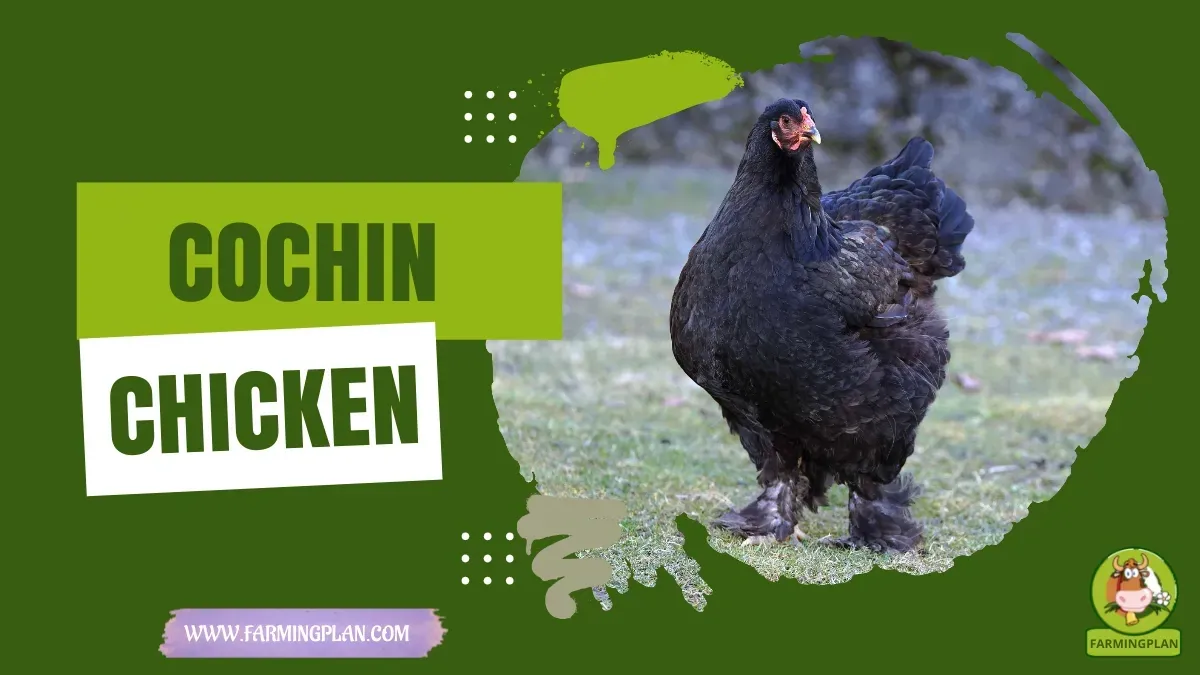
Physical Conformation & Feathered Leg Standards
Under the American Poultry Association (APA) Standard of Perfection, the Cochin is evaluated as an Asiatic breed characterized by roundness, massive bulk, and profuse, soft plumage. Standard cocks weigh a massive 11.0 pounds (5.0 kg), while mature hens weigh 8.5 pounds (3.9 kg). The bantam varieties are miniaturized counterparts, with cocks weighing 32 ounces and hens weighing 28 ounces. Proper record-keeping makes breeding and culling decisions easier for cochin chicken keepers.
The body outline is broad, deep, and low-set, creating an almost spherical appearance when viewed from any angle. The breast is carried low and full, while the back features a short, continuous concave sweep rising into an enormous, soft cushion over the tail in hens, and a short, full tail carried low in cocks. The fluff across the thighs and abdomen is extraordinarily soft and voluminous, concealing the upper legs completely. Providing adequate space and ventilation prevents common stress issues in cochin chicken.
The defining physical feature remains the heavy feathering on the shanks and feet. Feathers grow densely down the outer sides of the yellow shanks and continue outward across the middle and outer toes. These foot feathers—sometimes called vulture hocks or foot muffs—should be stiff and well-spread, touching the ground cleanly. The head carries a medium single comb with five upright serrations, bright red wattles, and smooth red earlobes. Understanding breed-specific traits helps maximize cochin chicken longevity and output.
⚡ Cochin Chicken Conformation & Recognized Variety Matrix
| Recognized Variety | Plumage Color Standard | Shank & Toe Coloration | Exhibition Evaluation Hallmark |
|---|---|---|---|
| Buff (Iconic Heritage) | Even shade of rich golden buff throughout | Yellow completely obscured by buff feathers | Most popular variety; requires dense, even golden cushion |
| Black | Deep lustrous beetle-green black sheen | Yellow/black obscured by black feathers | Free of purple barring; pure black down to the skin |
| White | Pure immaculate snow-white plumage | Bright yellow obscured by white feathers | Free of brassiness or yellow sap in feather shafts |
| Partridge | Rich reddish-bay with triple black penciling | Yellow obscured by penciled feathers | Hens display intricate concentric crescent markings |
| Blue & Splash | Even slate blue with dark lacing; creamy splash | Slate/yellow obscured by blue feathers | Mendelian blue genetics; 50% blue, 25% black, 25% splash |
| Silver Laced & Golden Laced | Silvery white or gold, each feather edged in black | Yellow obscured by laced feathers | Requires crisp, sharply defined outer black borders |
Breed History, Chinese Origins & Victorian Hen Craze
The Cochin originated in China, bred in the coastal province of Shanghai as a hardy, multi-purpose meat and egg bird. Originally known as the “Shanghai” fowl or “Cochin-China,” these massive birds arrived in England in 1845 as a royal gift to Queen Victoria. The Queen was so enraptured by their gentle disposition, extraordinary feathering, and large brown eggs that she commissioned specialized royal aviaries to breed them. Routine preventive care saves time and lowers veterinary costs for cochin chicken.
Queen Victoria’s enthusiasm triggered an unprecedented social phenomenon known as “Hen Craze” across Great Britain and North America. Wealthy aristocrats and urban hobbyists paid astronomical sums—sometimes exceeding $1,000 per pair in mid-19th-century currency—for breeding pairs. Poultry shows exploded in popularity, transitioning bird breeding from casual barnyard production into an organized, scientific sport. Matching forage or ration quality to life stage optimizes cochin chicken growth.
The American Poultry Association admitted Cochins into its very first Standard of Excellence in 1874. American breeders refined the birds into the modern globular exhibition standard, emphasizing massive fluff and foot feathering over lean commercial carcass traits. Today, Cochins remain widely bred as beloved ornamental showstoppers and dependable homestead foster mothers. Gradual dietary transitions protect digestive stability in cochin chicken.
Coop Modifications, Low Perches & Foot Feather Hygiene
Housing a flock of heavy Cochins requires specific coop engineering. Because adult birds weigh 8 to 11 pounds and possess limited flight capability, perches must be mounted low to the ground—no higher than 12 to 18 inches. Jumping down from high roosts exerts severe concussive trauma on footpads, frequently leading to chronic bumblefoot (*ulcerative pododermatitis*) or fractured keel bones. Selecting healthy foundation stock is the cornerstone of successful cochin chicken management.
Moisture control inside the coop and run is vital. Foot feathers readily absorb moisture from wet mud and soiled litter. In freezing winter weather, wet foot feathers freeze into solid balls of ice that rip out toe feathers, freeze toes, and cause severe lameness. In summer, damp foot feathers trap manure against the skin, fostering scaly leg mites and bacterial dermatitis. Good predator-proofing and dry bedding safeguard cochin chicken comfort in harsh weather.
Maintain indoor floors with a 4-to-6-inch deep bed of clean, kiln-dried pine shavings or coarse construction sand. Provide large, spacious nest boxes measuring at least 14 inches wide by 14 inches deep, placed on or just above the floor, allowing heavy hens to enter and exit without crushing eggs under their foot feathers. Monitoring water quality and mineral balance directly benefits cochin chicken vitality.
Nutritional Protocols & Obesity Prevention
Because Cochins are heavy, calm, and relatively inactive compared to Mediterranean breeds, they are highly prone to obesity if given unrestricted access to high-energy corn and scratch grains. Excessive internal abdominal fat deposits compress the oviduct, causing egg binding, soft-shelled eggs, and fatty liver hemorrhagic syndrome. Practical hands-on husbandry ensures consistent results when raising cochin chicken.
Feed adult Cochins a balanced 16% to 17% crude protein complete layer pellet containing 3.8% to 4.0% calcium. Limit cracked corn and scratch grains to small handfuls fed only as late afternoon treats in winter to generate digestive body heat. Providing fresh leafy greens (cabbage, kale, chard) hung in wire baskets encourages physical activity and provides low-calorie micronutrients. Early intervention at the first sign of lethargy protects overall cochin chicken flock or herd health.
Provide clean drinking water using elevated bell drinkers or nipple drinker cups raised to bird shoulder height to keep shavings out of the water. Ensure coarse granite grit and crushed oyster shell are available free-choice in separate hoppers to aid digestion and eggshell strength. Structured culling and biosecurity protocols strengthen cochin chicken genetic quality.
Scaly Leg Mites, Bumblefoot & Parasite Biosecurity
Scaly leg mites (*Knemidokoptes mutans*) represent the most common ectoparasite affliction in feather-legged poultry. These microscopic burrowing mites tunnel beneath the scales of the shanks and toes, excreting crusty debris that forces leg scales outward, causing severe pain, deformed joints, and feather loss. Because foot feathers obscure early scale lifting, keepers must inspect leg scales monthly. Maintaining clean feeders and sanitized equipment supports sustainable cochin chicken care.
Treat scaly leg mites by soaking shanks in warm soapy water, drying gently, and coating the entire shank and foot in petroleum jelly, mineral oil, or food-grade coconut oil once weekly for three weeks to suffocate the burrowing mites. Consult our field protocols for poultry and livestock mite control and our guide on livestock lice eradication to sanitize coop roosts and bedding. Consistent daily observation helps keepers spot early changes in cochin chicken health and behavior.
Bumblefoot infections require prompt attention. When rough perches or sharp gravel puncture the footpad, *Staphylococcus aureus* bacteria enter, forming a hard black plug (eschar) and swelling. Avian health researchers at Purdue University College of Veterinary Medicine recommend soaking affected feet in warm Epsom salt baths, removing the core plug under antiseptic conditions, and wrapping the foot in veterinary cohesive tape until healed. Clean housing, fresh water, and balanced nutrition remain essential for cochin chicken productivity.
Vaccinate young birds against mosquito-borne fowl pox using our clinical guide on chickenpox and fowl pox treatment. In addition, homesteaders operating multi-species pastures should consult our reference manual on livestock tapeworm eradication to keep pasture soils clean. Tracking feed intake and body condition supports long-term cochin chicken performance.
Broodiness Management & Foster Mother Incubation
The Cochin’s maternal instinct is legendary. When a Cochin hen goes broody, her body temperature rises, she puffs out her feathers, growls softly when approached, and refuses to leave the nest box. Her massive body fluff and gentle disposition make her the premier natural incubator in world poultry, easily covering 12 to 15 chicken eggs or 6 to 8 large goose eggs. To evaluate alternative bloodlines and practical management routines, check our Welsummer Chicken overview. Following biosecurity best practices reduces disease risk in any cochin chicken operation.
When setting a broody Cochin, move her at dusk into a dedicated private ground-level broody coop equipped with a soft straw nest, fresh water, and feed. Because Cochins sit so tightly that they may neglect self-care, gently lift the broody off the nest once daily to ensure she eats, drinks, and voids waste before returning to her eggs. Seasonal adjustments to shelter and diet keep cochin chicken thriving year-round.
If artificial incubation is preferred, Cochin eggs require standard chicken incubation parameters: 21 days at 99.5°F (37.5°C) with 50% to 55% relative humidity, increasing to 65% at lockdown on day 18. Chicks hatch with downy legs and feather out rapidly under low radiant brooder heaters. Proper record-keeping makes breeding and culling decisions easier for cochin chicken keepers.
⚡ Estimated Annual Budget & Maintenance Costs (USD)
| Flock Management Component | Year 1 Setup Cost | Annual Recurring Cost | Cochin Husbandry Notes |
|---|---|---|---|
| Quality Breeding Trio / Chicks | $90 – $220 | $0 – $75 | Day-old pedigreed chicks or show-quality breeding trio |
| Spacious Low-Perch Coop & Run | $380 – $800 | $30 – $60 | Enclosed wooden coop, low 12″ roosts, covered outdoor run |
| Complete Layer Pellets (16%) | $110 – $190 | $110 – $190 | 50 lb bags of high-grade complete commercial layer ration |
| Clean Kiln-Dried Pine Shavings | $60 – $110 | $60 – $110 | Generous deep litter bedding to protect foot feather cleanliness |
| Elevated Drinkers & Feeders | $40 – $75 | $15 – $30 | Shoulder-height bell waterers and hanging feed hoppers |
| Scaly Leg Mite & Wound Care | $30 – $60 | $20 – $40 | Petroleum jelly, Epsom salts, antiseptic sprays, cohesive wrap |
| Oyster Shell & Granite Grit | $25 – $50 | $25 – $50 | Continuous calcium and mechanical grinding supplements |
| Show Entries & APA Fees | $25 – $65 | $25 – $65 | Club memberships, show registration fees, leg bands |
| Total Estimated Investment | $760 – $1,570 | $285 – $620 | Peerless natural foster hatching and calm exhibition beauty |
Estimate your feed consumption, bedding needs, and annual flock maintenance expenses with our interactive poultry calculator: Providing adequate space and ventilation prevents common stress issues in cochin chicken.
🐔 Cochin Chicken Flock Feed & Egg Yield Calculator
Estimate daily layer feed (lbs), monthly 50-lb feed bags, coop and run requirements, and expected weekly fresh egg yield for your Cochin Chicken flock.
Frequently Asked Questions (FAQ)
How large do Standard and Bantam Cochin chickens get?
In the APA Asiatic Class (admitted 1874), Standard Cochin roosters reach 11.0 lbs and hens reach 8.5 lbs with massive globular plumage, while Bantam Cochins weigh roughly 32 oz for roosters and 28 oz for hens.
How many eggs does a Cochin hen lay each year?
Cochin hens are steady winter layers that produce 140 to 170 medium-to-large tinted brown eggs annually, though frequent broody spells pause laying during spring and summer.
Why are Cochins famous as foster mothers on homesteads?
Cochin hens possess exceptionally strong maternal broodiness and broad, cushioned feathers that allow them to comfortably incubate and raise chicken, duck, guinea, or even bantam turkey poults.
What coop roost height and run conditions do feathered-leg Cochins need?
Install wide flat roosts no higher than 12 to 18 inches off the floor so heavy birds do not injure footpads (bumblefoot) or breast keels, and keep runs dry and well-drained so dense foot feathers do not mat with mud or ice.
What health issues should Cochin owners monitor around their feet and shanks?
Inspect heavily feathered shanks and toes regularly for scaly leg mites (Knemidocoptes mutans), trapped mud balls, frostbite in damp bedding, and overweight obesity from excess scratch grain.
Expert Verdict & Husbandry Roadmap
The Cochin chicken is an undisputed treasure of the poultry fancy. Combining theatrical exhibition splendor, unmatched mothering capability, and a serene, gentle personality, this Asiatic giant elevates any homestead coop into a living showpiece. Their sweet demeanor around children and inability to fly over low fences make them the consummate family companion breed. Understanding breed-specific traits helps maximize cochin chicken longevity and output.
Flock success requires committing to their physical needs: mounting perches low to safeguard heavy footpads, maintaining bone-dry run footing to preserve feather foot hygiene, and controlling grain portions to prevent metabolic obesity. By honoring these basic husbandry tenets, your flock of Cochins will reward you with decades of calm companionship, winter eggs, and devoted foster mothering. Routine preventive care saves time and lowers veterinary costs for cochin chicken.
📚Agricultural Reference & Scientific Citations
Standards and physiological data referenced in this guide comply with American Poultry Association (APA), The Livestock Conservancy, and USDA APHIS Avian Biosecurity Standards.


