

⚡ Charnequeira Goat at a Glance: Key Specifications & Benchmarks
| Scientific Classification | Capra hircus (Iberian Dual-Purpose Landrace) |
| Breed Origin | Ribatejo and Alentejo regions, Southern Portugal |
| Ancestral Bloodline | Indigenous Iberian Capra hircus prisca lineage |
| Mature Buck Weight | 120 to 165 lbs (55 to 75 kg) |
| Mature Doe Weight | 75 to 110 lbs (35 to 50 kg) |
| Lactation Milk Yield | 350 to 550 lbs (160 to 250 kg) across 150 to 180 days |
| Milk Solids Concentration | 4.8% to 5.6% Butterfat, 3.8% to 4.2% Protein (Ideal for cheese) |
| Distinctive Physical Trait | Reddish-chestnut coat, sweeping spiral horns, long alert ears, beard in both sexes |
The Charnequeira goat, celebrated throughout southern Portugal as the Cabra Charnequeira, represents one of the Mediterranean basin’s most resilient and versatile dual-purpose livestock landraces. Indigenous to the vast, undulating oak savannas (montado) and arid scrublands of the Ribatejo, Alentejo, and Beira Baixa provinces, this rustic breed developed through centuries of extensive pastoral management under searing summer heat and seasonal drought. Exploring our complete directory of specialized goat farming guides reveals how heritage Iberian breeds combine biological hardiness with high-value artisan production. Maintaining clean feeders and sanitized equipment supports sustainable Charnequeira Goat care.
Renowned as a true dual-purpose producer, the Charnequeira yields nutrient-dense milk rich in butterfat and protein—historically vital for regional farmhouse cheeses like Queijo de Castelo Branco—alongside succulent, tender cabrito (kid meat) highly prized in Portuguese gastronomy. Unlike delicate confinement dairy breeds, Charnequeira goats are supreme foragers, converting woody rockrose (esteva), gorse, holm oak acorns, and dry pasture roughage into valuable dairy and meat yields with minimal grain inputs. Their robust immune systems, sound hooves, and calm temperament make them an ideal choice for sustainable smallholders and silvopastoral agroforestry managers. Consistent daily observation helps keepers spot early changes in Charnequeira Goat health and behavior.
Succeeding with Charnequeira goats requires implementing structured rotational browsing, protecting herds from sudden winter dampness, providing essential trace minerals, and maintaining proactive veterinary biosecurity. This comprehensive management guide details official breed standards, Mediterranean nutrition, housing and fencing design, kidding protocols, and financial budgeting for raising Charnequeira goats. Clean housing, fresh water, and balanced nutrition remain essential for Charnequeira Goat productivity.
Physical Characteristics & Breed Standards
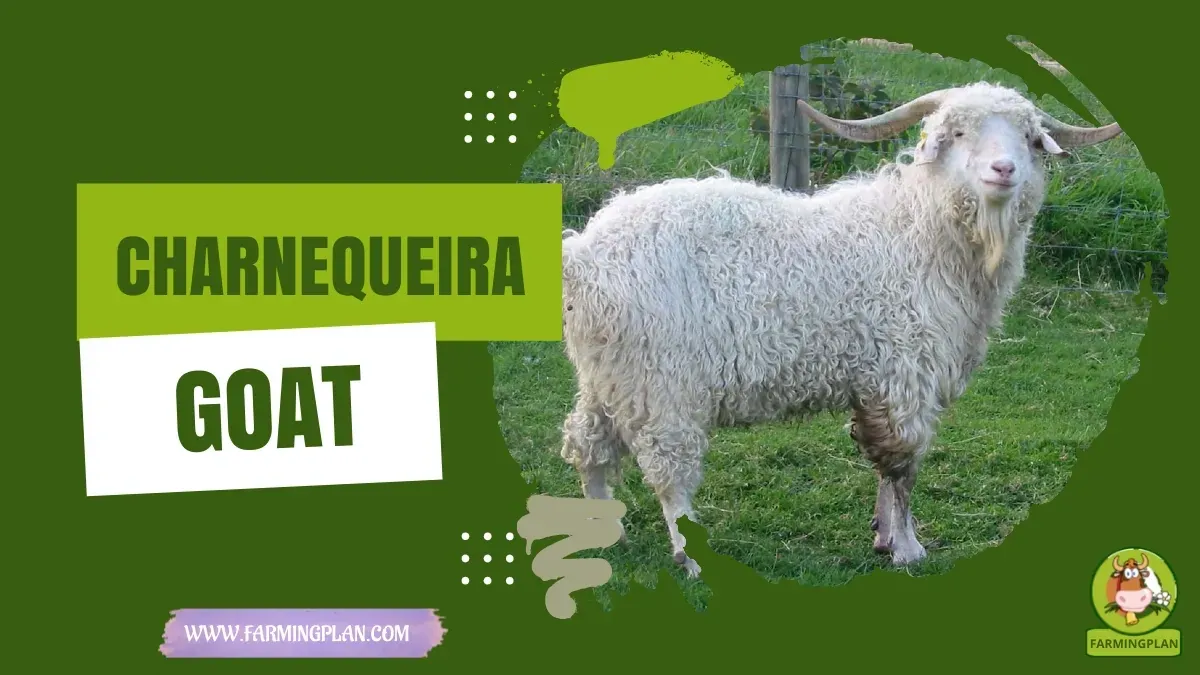
Conformationally, the Charnequeira goat displays an harmonious, athletic, and muscular silhouette that reflects its dual-purpose heritage. Mature does stand between 26 and 30 inches at the withers, featuring a deep, well-sprung rib cage, straight back, and wide, spacious pelvic structure that ensures unassisted kidding. The bone structure is strong, clean, and dense, supporting agile mobility over rocky, sun-baked terrain.
The coat coloration of the Charnequeira is uniformly reddish-chestnut, dark mahogany, or bay, occasionally displaying subtle black shading along the dorsal stripe, knees, and lower legs. The hair is short, dense, and glossy, providing natural insulation against brush scratches and insects while allowing rapid evaporative cooling during hot summer afternoons. The skin is supple, fine, and darkly pigmented beneath the hair coat. Tracking feed intake and body condition supports long-term Charnequeira Goat performance.
Conformation Standards & Anatomical Structure
The head is medium-sized, expressive, and dry, featuring a straight or slightly concave facial profile and a prominent beard in both bucks and mature does. Both sexes carry magnificent, sweeping horns; in does, they arch upward and backward, while in mature bucks, they develop wide, outward-flaring spiral twists that command attention. The ears are medium-to-long, held horizontally or slightly drooping, helping dissipate body heat. Following biosecurity best practices reduces disease risk in any Charnequeira Goat operation.
The udder is well-attached, globular, and held high between the thighs to avoid thorn snags while browsing dense brush. Teats are medium-sized, symmetrical, and point slightly forward, making them easy to hand-milk or harvest using portable mechanical milking claws. The legs are strong, with straight hocks and dense, dark hooves that wear evenly on rocky pasture.
Size, Weight Benchmarks & Color Variations
Mature breeding bucks weigh between 120 and 165 lbs and stand 29 to 33 inches at the shoulder, displaying broad, muscular crests and active herd leadership. Mature does weigh 75 to 110 lbs, presenting a balanced, efficient frame size that requires modest maintenance nutrition. Seasonal adjustments to shelter and diet keep Charnequeira Goat thriving year-round.
This medium frame allows Charnequeira does to browse steep hillsides and dense timber with ease, minimizing soil erosion while maximizing brush clearance. Proper record-keeping makes breeding and culling decisions easier for Charnequeira Goat keepers.
⚡ Charnequeira Goat Performance & Production Matrix
| Functional Benchmark | Operational Standard | Performance Metric | Practical Field Application |
|---|---|---|---|
| Dual-Purpose Cheese Milk | 350 to 550 lbs (160 – 250 kg) per 180 days | Superior (9.5/10) | High butterfat (5.2%) creates exceptional yields of aged artisan cheese. |
| Cabrito Kid Meat Quality | High meat-to-bone ratio; tender and lean | Superior (9.8/10) | Premium kid meat highly sought after in regional holiday culinary markets. |
| Mediterranean Browse Intake | Consumes rockrose, thorny gorse, oak acorns | Superior (9.9/10) | Exceptional brush clearing and agroforestry fuel reduction utility. |
| Extreme Heat Hardiness | Maintains browsing in temperatures exceeding 105°F | Superior (9.9/10) | Pigmented skin and efficient evaporative cooling resist heat stress. |
| Kidding Ease & Maternal Care | Over 97% unassisted single and twin births | Superior (9.9/10) | Does kid unassisted on pasture; strong mothering and colostrum flow. |
| Claw Integrity & Longevity | Hard slate-black claws resistant to wear | Superior (9.8/10) | Very low incidence of foot rot or lameness in dry stony paddocks. |
Breed History, Heritage & North American Development
The historical genesis of the Charnequeira goat traces directly back to the ancestral Iberian Capra hircus prisca stock that populated the Iberian Peninsula during antiquity. The breed derives its name from the ‘charnecas’—the extensive, semi-arid heathlands and scrub savannas characteristic of southern central Portugal. For centuries, rural pastoralists relied on Charnequeira goats as an indispensable survival mechanism, providing daily dairy nutrition for farm families, draft dung for soil fertility, and surplus kid meat for seasonal livestock fairs.
In the late twentieth century, agricultural modernization and rural depopulation led to declining numbers, prompting Portuguese livestock authorities to establish an official studbook in 1987 under the direction of the Directorate-General for Food and Veterinary (DGAV). The Associação de Criadores de Ovinos e Caprinos (ACRC) maintains strict phenotypic registration and performance testing. Research cited by European livestock heritage programs and the USDA Agricultural Research Service emphasizes how Mediterranean landraces retain unique disease-resistance alleles lost in commercial single-purpose breeds. Compare this dual-purpose resilience with specialized dairy breeds in our guide to the Alpine dairy goat. Providing adequate space and ventilation prevents common stress issues in Charnequeira Goat.
Housing, Shelter Dimensions & Winter Hardiness
Housing architecture for Charnequeira goats should emphasize shade, abundant natural airflow, and protection from winter precipitation. Adapted to the dry Mediterranean climate of southern Portugal, Charnequeira goats thrive outdoors on pasture year-round when provided with open-sided three-sided pole shelters. Understanding breed-specific traits helps maximize Charnequeira Goat longevity and output.
Shelters should provide at least 15 to 18 square feet of dry loafing space per adult doe, with clean, well-drained dirt or crushed limestone flooring bedded with dry straw during cold wet months. Enclosed, humid barns must be avoided, as stagnant air and moisture pre-dispose goats to respiratory infections. Routine preventive care saves time and lowers veterinary costs for Charnequeira Goat.
Spatial Density & Enclosure Engineering
Fencing must be exceptionally sturdy to contain active, horned browsing stock. Four-foot (48-inch) high woven goat wire with 4×4-inch spacing, reinforced with an electrified top wire and offset wire (carrying 4,500 to 5,500 volts), provides reliable containment. Gateways and alleyways should measure at least 10 to 12 feet wide to allow wide-horned bucks and does to move through without horn entanglement.
Pasture layout benefits greatly from rotational browsing subdivided into multiple paddocks. Moving goats every four to seven days prevents over-browsing of desirable forage while naturally disrupting internal parasite life cycles. Matching forage or ration quality to life stage optimizes Charnequeira Goat growth.
Nutritional Requirements, Daily Rations & Feeding Protocols
Nutritional management of the Charnequeira goat must reflect its natural foraging biology as an aggressive, selective browser. The breed excels at consuming woody shrubs, briars, thorny bushes, and oak acorns that cattle and sheep reject. Confining them to lush, monoculture clover or ryegrass pastures without roughage will disrupt rumen motility, causing digestive upset, bloat, and enterotoxemia. Reviewing browse nutrition in our guide to Kiko meat goats provides valuable parallels for foraging herds. Gradual dietary transitions protect digestive stability in Charnequeira Goat.
The core diet should consist of diverse pasture browse, clean meadow grass hay, and browse prunings, consumed at 3.0 to 3.5 percent of body weight in dry matter daily (approximately 2.5 to 3.5 lbs of dry matter for a 90-lb doe). Extension livestock nutritionists at Penn State Extension Livestock Science demonstrate that providing diverse botanical browse elevates milk antioxidant concentrations and fatty acid profiles.
Crude Protein Benchmarks Across Life Stages
During peak lactation, does producing 3 to 4 lbs of milk daily benefit from 0.8 to 1.2 lbs of a balanced goat grain mix (whole oats, rolled barley, and sunflower meal) fed on the milking stand. In winter, good grass hay supplemented with legume hay (like alfalfa) maintains body condition. Selecting healthy foundation stock is the cornerstone of successful Charnequeira Goat management.
Clean, fresh water must be accessible continuously; a lactating doe drinks up to 2.5 gallons of water daily. Free-choice loose goat mineral with high bioavailable copper, zinc, selenium, and balanced calcium-to-phosphorus ratios must be provided year-round in clean mineral cups. Good predator-proofing and dry bedding safeguard Charnequeira Goat comfort in harsh weather.
Health Management, Common Diseases & Biosecurity Standards
Charnequeira goats enjoy robust constitutional health, hard hooves, and high disease resistance, having evolved under challenging Mediterranean climate pressures. Their dense, slate-black hooves wear naturally on firm ground, requiring only an annual visual inspection and light corrective balance trim.
Internal parasite surveillance is essential, especially when goats are grazed on irrigated pastures. Shepherds should perform monthly FAMACHA eye-mucosa scoring during warm seasons, treating only animals displaying clinical anemia (scores 3, 4, or 5) with targeted anthelmintics to preserve chemical drug efficacy. Monitoring water quality and mineral balance directly benefits Charnequeira Goat vitality.
Biosecurity Protocols & Veterinary Defenses
Enterotoxemia (types C & D) and tetanus should be prevented through annual CD-T vaccination, administered to pregnant does four weeks prior to kidding to provide maternal antibody protection through colostrum to newborn kids. Practical hands-on husbandry ensures consistent results when raising Charnequeira Goat.
Routine milk testing and post-milking teat dips (using 0.5% iodine barrier solution) prevent environmental mastitis in milking does. Maintaining dry, clean loafing areas prevents coccidiosis in young kids. Early intervention at the first sign of lethargy protects overall Charnequeira Goat flock or herd health.
Breeding Management, Reproductive Cycles & Offspring Care
Breeding Charnequeira goats is characterized by seasonal autumn estrus, high conception rates, and unassisted kidding. Does reach breeding maturity at 9 to 12 months (provided they achieve 65% of mature body weight), with gestation averaging 147 to 152 days. Kidding typically occurs in early spring, perfectly timed with the emergence of nutritious Mediterranean pasture growth.
Kidding rates average 130% to 150%, with mature does regularly delivering vigorous twins. Calving difficulty is virtually non-existent; kids are born weighing 5.5 to 7.5 lbs, standing and nursing within 15 to 20 minutes of birth. Charnequeira does exhibit attentive, gentle maternal instincts and produce abundant, rich colostrum. Structured culling and biosecurity protocols strengthen Charnequeira Goat genetic quality.
Market kids (cabritos) grow rapidly on mother’s milk and browse, reaching prime culinary market weights of 25 to 35 lbs within 60 to 90 days of age. Maintaining clean feeders and sanitized equipment supports sustainable Charnequeira Goat care.
US Ownership Budget & Annual Maintenance Costs
Establishing a Charnequeira goat enterprise requires modest initial capital and low annual maintenance expenses. Because of their dual production capability—generating revenue from both artisan cheese milk and specialty kid meat—Charnequeira herds provide steady, diversified cash flow.
The financial model below details typical initial investments and recurring annual operational expenses for maintaining a 20-doe Charnequeira flock on an American homestead. Consistent daily observation helps keepers spot early changes in Charnequeira Goat health and behavior.
💰 Estimated Annual Budget & Maintenance Costs (USD)
| Budget Category | Item Description & Scope | Initial Capital Outlay | Annual Recurring Expense |
|---|---|---|---|
| Registered Dual-Purpose Stock | 20 young breeding does and 1 proven buck | $4,000 – $7,000 | $0 |
| Open-Air Pole Loafing Shed | 12×24 ft pole shed with gravel loafing apron | $1,500 – $2,800 | $100 / yr |
| Clean Grass Hay & Winter Roughage | 4 to 5 tons quality grass hay annually | $0 | $750 – $1,100 / yr |
| Goat Minerals & Grain Balancer | High-copper loose minerals, whole grain oats | $0 | $280 – $400 / yr |
| Veterinary Care & CD-T Vaccines | Annual vaccinations, dewormers, fecal testing | $0 | $160 – $240 / yr |
| Hoof Care & Milking Supplies | Hoof shears, portable milking stand, filters | $80 – $160 | $30 / yr |
| Woven Wire & Electric Perimeter | 48-inch woven wire, solar energizer, posts | $2,000 – $3,500 | $120 / yr |
🐐 Charnequeira Goat Herd Feed & Pasture Calculator
Calculate daily forage, monthly hay bales, loose minerals, and clean water needs for your Charnequeira Goat herd.
Frequently Asked Questions (FAQ)
What are Charnequeira goats primarily used for?
Charnequeira goats are traditional dual-purpose animals, producing rich, high-butterfat milk for artisan farmhouse cheese (like Queijo de Castelo Branco) and succulent, tender cabrito (kid meat) for culinary markets.
How much milk does a Charnequeira doe produce?
An adult Charnequeira doe produces between 350 and 550 lbs (160 to 250 kg) of rich milk over a 150 to 180-day lactation on browse and pasture, with butterfat testing between 4.8% and 5.6%.
Can Charnequeira goats handle extreme summer heat?
Yes. Having evolved in the hot, dry Alentejo region of southern Portugal, the breed possesses dark skin pigmentation, reflective chestnut hair, and large ears that allow them to browse comfortably in temperatures over 100°F (38°C).
Are Charnequeira goats easy to kid?
Yes. Charnequeira does have wide pelvic pin bones and deliver single or twin kids effortlessly on pasture with over 97% unassisted births, showing attentive maternal care.
Expert Verdict & Next Steps for US Goat Producers
The Charnequeira goat represents a premier dual-purpose biological asset for homesteaders, smallholders, and silvopastoral brush managers seeking an indestructible animal that converts coarse vegetation into gourmet cheese and meat. Their heat resilience, low veterinary overhead, and effortless mothering make them an exceptional livestock investment. For comparison with commercial meat breeds, explore our guide on Boer goats. Clean housing, fresh water, and balanced nutrition remain essential for Charnequeira Goat productivity.
Before acquiring breeding stock, install robust 48-inch woven wire fencing, provide high-copper loose goat minerals, and design an open-sided run-in shelter. With structured browse management, Charnequeira goats will clear overgrown land and deliver dependable dairy and meat yields season after season.
📚Agricultural Reference & Scientific Citations
Standards and physiological data referenced in this guide comply with USDA APHIS Small Ruminant Health, The Livestock Conservancy, and the American Veterinary Medical Association (AVMA).


