

⚡ Discus Fish Care at a Glance: Key Specifications & Benchmarks
| Scientific Taxonomy | Symphysodon aequifasciatus / Symphysodon discus (Cichlidae) |
| Common Industry Titles | Discus Fish, “King of the Aquarium”, Pompadour Fish |
| Mature Adult Size | 6.0 – 8.0 inches (15 – 20 cm) disk diameter; laterally compressed body |
| Minimum Tank Volume | 55 gallons for 5 juveniles; 75 – 100+ gallons for adult schooling groups |
| Optimal Water Temperature | 82°F – 86°F (28°C – 30°C); elevated thermal threshold suppresses flagellates |
| Water Acidity & Hardness | pH 6.0 – 6.8; GH 1 – 4 dGH (20 – 70 ppm); KH 1 – 3 dKH (18 – 54 ppm) |
| Primary Nutritional Regime | High-protein carnivore rations: beef heart paste, bloodworms, spirulina crumbles |
| Compatible Tank Mates | Cardinal tetras, Rummynose tetras, Sterbai corydoras, Bristlenose plecos |
| Average Domestic Lifespan | 10 – 15 years under disciplined biosecurity and water exchange regimes |
| Commercial Value Benchmark | $45 – $250+ per specimen based on strain purity, symmetry, and color grade |
Discus fish represent the pinnacle of freshwater aquarium husbandry. Universally crowned the “King of the Aquarium,” these elegant cichlids captivate enthusiasts with their circular laterally compressed bodies, striking iridescence, and complex parental behaviors. Originating within the calm, tannin-stained tributaries of the Amazon River basin, their delicate biological requirements demand unwavering dedication to thermal stability and water purity. Seasonal adjustments to shelter and diet keep discus fish care thriving year-round. Proper record-keeping makes breeding and culling decisions easier for discus fish care keepers.
Succeeding with delicate freshwater species requires a comprehensive understanding of biofiltration mechanics, nitrogen management, and aquatic physiology. Explore broader closed-loop aquaculture principles and production fundamentals across our fish farming hub to engineer optimal holding systems, biological turnover, and automated water management. Providing adequate space and ventilation prevents common stress issues in discus fish care.
Unlike resilient community fish that tolerate shifting water conditions, discus demand strict adherence to narrow chemical boundaries. Inexperienced hobbyists often struggle with stress-induced anorexia, protozoan outbreaks, and stunted growth caused by inadequate water replacement. This technical guide outlines precise husbandry standards, nutritional formulations, and disease prevention strategies required to maintain thriving discus stock. Understanding breed-specific traits helps maximize discus fish care longevity and output.
Physical Characteristics, Color Morphs & Anatomy
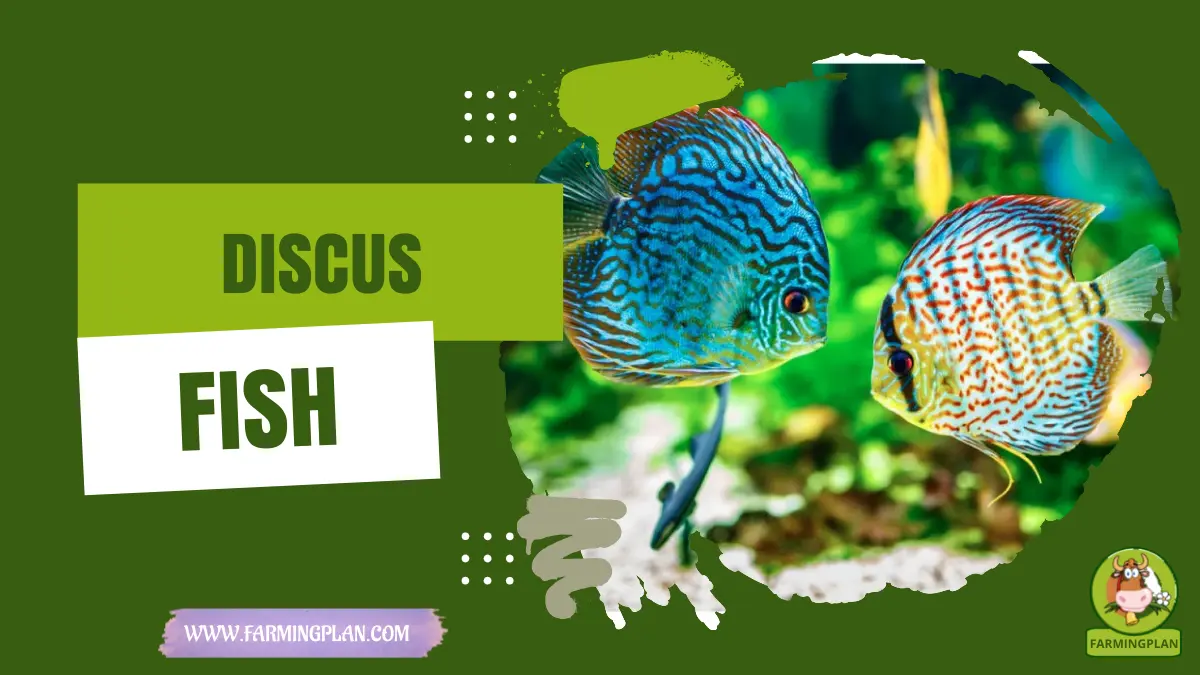
The physical anatomy of the discus is uniquely adapted to quiet, slow-moving backwaters packed with fallen branches and submerged tree roots. Their disk-like profile allows them to glide effortlessly between tangled branches without tearing their delicate dorsal and anal fins. Their eyes are prominent and bright, with high-quality specimens displaying clear red irises that contrast against base facial pigments. Routine preventive care saves time and lowers veterinary costs for discus fish care.
Captive Color Strains and Visual Classifications
Decades of selective breeding have expanded discus varieties far beyond wild brown and green forms. Modern captive strains encompass Solid Turquoise, Pigeon Blood, Cobalt Blue, Red Melon, and intricate Snakeskin patterns. Show judges evaluate specimens based on circular symmetry, fin smoothness, zero gill deformity, and stress-free coloration without pepper spotting. Matching forage or ration quality to life stage optimizes discus fish care growth. Gradual dietary transitions protect digestive stability in discus fish care.
⚡ Discus Fish Strain Characteristics & Growth Benchmarks
| Strain Classification | Primary Color Phenotype | Growth Velocity | Husbandry Sensitivity |
|---|---|---|---|
| Wild Heckel (S. discus) | Prominent dark 5th vertical bar, muted turquoise stripes | Moderate (14–18 months to maturity) | Extreme (Requires ultra-soft water below pH 5.5) |
| Pigeon Blood | Bright orange-red body with cream striations | Rapid (10–12 months to maturity) | Resilient (Tolerates slightly harder municipal water) |
| Cobalt / Brilliant Blue | Solid metallic azure sheeting across flanks and fins | Standard (12–14 months to maturity) | Moderate (Demands stable biofiltration and warmth) |
| Red Melon / Super Red | Solid scarlet-red body with white or yellow face | Standard (12–15 months to maturity) | High (Requires carotenoid supplementation to retain red) |
| Snakeskin 14-Bar | Intricate fine-line reticulation, 14 vertical stress bars | Moderate (12–16 months to maturity) | High (Sensitive to organic waste buildup and nitrate spikes) |
Amazonian Origins, Heritage Taxonomy & Aquarium Domestication
Austrian ichthyologist Johann Jakob Heckel first documented Symphysodon discus in 1840 from specimens collected near the Rio Negro in Brazil. For nearly a century, keeping wild discus alive in captivity remained an elusive dream for Western aquarists due to the total absence of commercial water softening technology and reliable immersion heaters. Selecting healthy foundation stock is the cornerstone of successful discus fish care management.
The breakthrough in domestic propagation arrived during the 1960s and 1970s through pioneering breeders in the United States, Germany, and Southeast Asia. Dr. Eduard Schmidt-Focke developed stabilized turquoise lines, while breeders in Bangkok and Penang unlocked commercial mass spawning. Today, captive-bred strains adapt far more readily to clean domestic tap water than their wild ancestors, making modern discus fish care accessible to disciplined aquarists worldwide. Good predator-proofing and dry bedding safeguard discus fish care comfort in harsh weather.
Aquarium Engineering, Water Chemistry & Filtration Standards
Discus are obligate schooling cichlids that must never be housed as solitary specimens. Maintaining a social group of at least five to six individuals distributes natural territorial aggression and prevents subordinate fish from succumbing to stress. A 55-gallon tank represents the absolute baseline for grow-outs, while a 75 to 100-gallon display aquarium provides sufficient volume for a mature community. Monitoring water quality and mineral balance directly benefits discus fish care vitality.
Thermal regulation is non-negotiable. Maintain water temperature strictly between 82°F and 86°F (28°C to 30°C). Operating at these elevated temperatures accelerates the fish’s metabolic enzyme activity, aids digestion, and suppresses common parasites such as Ichthyophthirius. Deploy redundant dual titanium heaters connected to an external digital temperature controller to protect the system against mechanical heater failure. Practical hands-on husbandry ensures consistent results when raising discus fish care. Early intervention at the first sign of lethargy protects overall discus fish care flock or herd health.
Filtration systems must deliver massive biological surface area without creating violent water turbulence. Large external canister filters packed with sintered glass biomedia, combined with dual hydro-sponge filters, provide oxygenation and mechanical polishing. Conduct 30% to 50% water changes two to three times per week using temperature-matched, dechlorinated reverse osmosis (RO) water remineralized to 80–120 ppm total dissolved solids. Structured culling and biosecurity protocols strengthen discus fish care genetic quality.
Nutritional Requirements, Beef Heart Formulas & Feeding Schedules
Achieving maximum growth rates and heavy muscular thickening requires an energy-dense, high-protein diet. Juvenile discus demand three to five small daily feedings containing 45% to 52% crude protein, while adult maintenance specimens thrive on two measured daily meals. Compare standard dietary regimes with our foundational freshwater fish care principles to balance protein loading and nitrogenous waste output. Maintaining clean feeders and sanitized equipment supports sustainable discus fish care care.
The cornerstone of traditional discus culture is custom beef heart paste. Trim fresh bovine heart entirely free of fat, connective tissue, and sinew before processing with steamed spinach, spirulina powder, astaxanthin, and a comprehensive multivitamin premix. Feed small portions that the fish devour within five minutes, vacuuming up unconsumed remnants promptly to prevent severe ammonia spikes. Consistent daily observation helps keepers spot early changes in discus fish care health and behavior.
- Prepared Beef Heart Paste: Administer once daily as the primary protein and caloric driver for rapid somatic growth.
- Freeze-Dried Blackworms & Bloodworms: Safe alternative to live worms, eliminating the risk of introducing wild parasitic trematodes.
- Specialized Discus Granules: High-grade slow-sinking pellets enriched with garlic and stabilized vitamin C to support immune defense.
- Spirulina & Chlorella Flakes: Essential vegetal roughage that promotes peristalsis and prevents intestinal blockages.
Disease Prevention, Parasite Control & Biosecurity Protocols
Because discus live at elevated temperatures and low mineral hardness, their physiological reserve is susceptible to chemical shifts and pathogenic pressure. The most prevalent affliction is Hexamitiasis (Hole-in-the-Head disease), triggered by systemic flagellate proliferation in the intestinal tract under chronic nitrate stress. Keep dissolved nitrates strictly below 10 ppm through rigorous water exchange. Clean housing, fresh water, and balanced nutrition remain essential for discus fish care productivity. Tracking feed intake and body condition supports long-term discus fish care performance.
Gill flukes (Dactylogyrus) present another common hazard, causing rapid gill pumping, surface gasping, and clamped pectoral fins. Treat affected stock with praziquantel baths in a dedicated quarantine vessel. For technical veterinary protocols and disease mitigation standards across commercial fish stocks, review official aquaculture biosecurity resources through the USDA APHIS Aquaculture Disease Center. Following biosecurity best practices reduces disease risk in any discus fish care operation.
Quarantine every new arrival in a bare-bottom 20-gallon isolation tank for a minimum of four weeks. Monitor fecal deposits for white, stringy gelatinous textures indicative of endoparasites, treating proactively with metronidazole-medicated feed before introducing new fish to your primary display aquarium. Seasonal adjustments to shelter and diet keep discus fish care thriving year-round.
Breeding Discus, Spawning Cones & Fry Care Protocols
Discus exhibit one of the most remarkable parental nurturing behaviors in the animal kingdom. Upon reaching sexual maturity at 12 to 14 months, compatible pairs isolate themselves from the school, cleaning vertical surfaces with their mouths. Transfer established breeding pairs to a dedicated 29-gallon bare-bottom tank equipped with a ceramic spawning cone and a gentle sponge filter. Proper record-keeping makes breeding and culling decisions easier for discus fish care keepers.
During spawning, the female deposits 100 to 300 adhesive amber eggs in neat vertical rows, followed closely by the male. Eggs hatch within 55 to 60 hours at 84°F. Compare captive cichlid reproduction behaviors with our detailed freshwater angelfish breeding manual to understand egg protection, fungal prevention, and fry transitions. Providing adequate space and ventilation prevents common stress issues in discus fish care. Understanding breed-specific traits helps maximize discus fish care longevity and output.
Unlike other freshwater fry that immediately hunt micro-crustaceans, larval discus feed exclusively on a protein- and lipid-rich mucosal slime secreted through the parental skin. Both parents take turns carrying the clinging swarm for the first two weeks. Gradually supplement the fry with freshly hatched Artemia nauplii on day five of free-swimming before weaning them onto fine beef heart mash. Routine preventive care saves time and lowers veterinary costs for discus fish care.
US Ownership Budget & Annual Maintenance Costs
Investing in a dedicated discus aquarium requires realistic financial planning. While quality captive-bred juveniles cost $45 to $85 each, specialized reverse osmosis units, high-wattage heating systems, and frozen gourmet feeds contribute to ongoing operational expenses. The budget below outlines the baseline financial requirements for operating a 75-gallon discus display system in the United States. Matching forage or ration quality to life stage optimizes discus fish care growth.
⚡ Estimated Annual Discus Aquarium Maintenance Budget (USD)
| Expense Category | Operational Requirements | Initial Investment | Annual Operating Cost |
|---|---|---|---|
| Livestock Acquisition | 6 pedigreed 3.5-inch captive-bred juveniles | $360 – $540 | $0 (One-time purchase) |
| Aquarium & Support Stand | 75-gallon heavy glass tank with reinforced cabinet | $450 – $700 | $0 (Depreciation only) |
| Filtration & Heating Units | Canister filter, sponge filters, dual 300W titanium heaters | $280 – $420 | $40 – $60 (Filter media replacement) |
| Water Purification (RO/DI) | 4-stage 100 GPD reverse osmosis system & booster pump | $160 – $240 | $80 – $120 (Sediment & carbon cartridges) |
| Specialty Feed Rations | Beef heart mix, freeze-dried blackworms, high-protein pellets | $40 – $60 | $240 – $360 |
| Remineralizing Salts & Tests | Trace minerals, buffer salts, digital TDS & liquid test kits | $70 – $95 | $90 – $140 |
| Thermal Power Consumption | Continuous 84°F heating load (approx. 750 kWh/year) | $0 | $120 – $180 |
| Total System Projections | High-performance 75-gallon dedicated discus system | $1,360 – $2,055 | $570 – $860 / year |
🐟 Discus Fish Tank & Feed Calculator
Calculate water volume, minimum filtration capacity, water changes, and daily feed amounts for your Discus Fish.
Frequently Asked Questions (FAQ)
What water temperature is best for discus fish care?
Maintain discus fish water temperature strictly between 82u00b0F and 86u00b0F (28u00b0C to 30u00b0C). This elevated thermal range supports rapid digestion, stimulates hearty appetites, and prevents parasitic infestations like protozoan flagellates.
What is the minimum tank size for keeping discus fish?
A 55-gallon aquarium is the minimum size for growing out five to six juvenile discus. For a long-term adult schooling community, a 75 to 100-gallon aquarium is strongly recommended to maintain stable water parameters.
What water parameters do discus fish require?
Discus thrive in soft, acidic water with a pH between 6.0 and 6.8, general hardness (GH) of 1 to 4 dGH (20u201370 ppm), carbonate hardness (KH) of 1 to 3 dKH, and total dissolved solids below 120 ppm.
What fish species can live safely with discus?
Safe tank mates must tolerate warm 84u00b0F water and peaceful temperaments. Cardinal tetras, Rummynose tetras, Sterbai corydoras catfish, and Bristlenose plecos make ideal companions that will not nip fins or outcompete discus for food.
How often should you change water in a discus tank?
Perform water changes of 30% to 50% two to three times per week. Discus produce substantial waste and are exceptionally sensitive to dissolved organic compounds and nitrates, which must remain strictly below 10 ppm.
Why do discus fry feed on their parents skin?
Discus fry feed on a specialized epidermal mucus secreted across the parents bodies. This biological slime delivers antibodies, enzymes, and concentrated proteins essential for fry survival during their first two weeks of life.
Expert Verdict & Long-Term Husbandry Success
Maintaining discus successfully demands disciplined mechanical routine rather than exotic secrets. Aquarists who master reverse osmosis water blending, automate frequent partial water exchanges, maintain thermal stability at 84°F, and feed balanced protein rations will enjoy years of rewarding companionship with these regal Amazonian cichlids. Gradual dietary transitions protect digestive stability in discus fish care.
As your mastery of aquatic biosystems expands, scale your technical management skills into broader property applications by studying our practical pond management guidelines to evaluate aeration, weed control, and large-scale water chemistry balances. Selecting healthy foundation stock is the cornerstone of successful discus fish care management.
📚Agricultural Reference & Scientific Citations
Standards and physiological data referenced in this guide comply with USDA Animal and Plant Health Inspection Service (APHIS), American Veterinary Medical Association (AVMA), and the FAO Domestic Animal Diversity Information System.


