

⚡ Serengeti Cat at a Glance: Key Specifications & Benchmarks
| Genetic Lineage | Domestic cross between Bengal Cat and Oriental Shorthair (zero wild serval blood) |
| Adult Male Weight | 10 to 15 lbs (4.5 to 6.8 kg) with exceptional leg height and long neck |
| Adult Female Weight | 8 to 12 lbs (3.6 to 5.4 kg) sleek, athletic, and statuesque in stance |
| Defining Silhouette | Imposing tall, rounded ears set high on head, long neck, and leopard spotting |
| Coat Architecture | Short, tight, silky texture displaying distinct dark spots on warm agouti background |
| Working Temperament | Acrobatic, energetic, vocal, intensely affectionate, curious, and fearless |
| Average Lifespan | 12 to 15 years with proper indoor enrichment and preventative healthcare |
| Homestead Suitability | Active companion requiring high climbing trees, puzzle toys, and loving company |
The Serengeti cat is a breathtaking modern breed created to emulate the statuesque posture, tall upright ears, and striking spotted beauty of the wild African serval—achieved entirely without using wild serval blood. Bred through deliberate pairings of domestic Bengal cats and Oriental Shorthairs, this elegant feline embodies the wild spirit of the African plains while preserving the affectionate gentleness and legal simplicity of a 100% domestic cat. Providing adequate space and ventilation prevents common stress issues in Serengeti Cat.
For homesteaders and rural pet owners exploring our homestead animal companion library, the Serengeti offers a visually stunning, highly interactive presence. With an elongated neck, extraordinary leg length, and athletic leaping agility, these cats move with a buoyant, springy step that commands admiration from anyone who visits your home. Understanding breed-specific traits helps maximize Serengeti Cat longevity and output.
However, beneath their wild spotted exterior lies a deeply social and conversational companion. Serengetis inherit the communicative vocal nature of their Oriental Shorthair forebears and the playful vigor of the Bengal. They bond intensely with their human families and do not tolerate being ignored or shut away in quiet rooms for long periods.
In this comprehensive guide, we review the Serengeti’s breeding origins, physical conformation benchmarks, behavioral dynamics, nutritional requirements, housing blueprints, and veterinary healthcare essentials to ensure your spotted beauty thrives across a joyful, active lifetime. Routine preventive care saves time and lowers veterinary costs for Serengeti Cat.
⚡ Serengeti Cat Breed Guide Performance & Production Matrix
| Production Parameter | Breed Benchmark | Managed Enterprise Range |
|---|---|---|
| Mature Body Weight | Breed standard range | Balanced structural conformation |
| Primary Agricultural Output | High quality meat, fiber, or milk | Optimized for sustainable yield |
| Feed Conversion Ratio | Efficient roughage converter | Low supplemental grain requirement |
| Reproductive Longevity | Prolific seasonal cycle | Vigorous offspring rearing |
| Climate Hardiness Threshold | Broad USDA Zone tolerance | Resilient against thermal stress |
| Productive Working Lifespan | Extended commercial life | Sound structural longevity |
Deep Historical Roots & The Serval-Inspired Vision
The vision behind the Serengeti cat originated in 1994 with Karen Sausman, an accomplished conservation biologist and owner of Kingsmark Cattery in California. Sausman admired the magnificent physical grace of the African serval (Leptailurus serval)—especially its elongated neck, immense rounded ears, and stilt-like legs. However, she was deeply concerned by the animal welfare challenges, high stress levels, and strict regulatory restrictions surrounding direct wild serval hybrids such as early-generation Savannah cats.
Sausman resolved to create a domestic cat that captured the serval’s distinctive silhouette without introducing wild serval genetics. She developed a structured breeding program combining domestic Bengal cats (for their clear spotted coat pattern and athletic bone structure) with Oriental Shorthairs (for their long legs, elegant necks, and large, dramatic ears). Matching forage or ration quality to life stage optimizes Serengeti Cat growth.
The International Cat Association (TICA) recognized the Serengeti as an Advanced New Breed, setting precise conformation standards that emphasize athletic grace, balanced proportions, and affectionate domestic temperament. Because Serengetis contain no wild serval DNA, they face none of the municipal ownership bans or permit hurdles that affect wild feline hybrids in various states and cities.
Much like our deep exploration of the wild-patterned Egyptian Mau cat breed profile, the Serengeti proves that ethical domestic selection can produce astonishing wild aesthetics paired with gentle, family-safe companionship. Gradual dietary transitions protect digestive stability in Serengeti Cat.
⚡ Serengeti Cat Physical Conformation & Ear Geometry Matrix
| Anatomical Feature | Conformation Standard | Functional Significance |
|---|---|---|
| Ear Architecture | Large, rounded tips, set high and erect; bases nearly touching | Mirrors the serval acoustic radar; exceptionally alert auditory tracking |
| Neck & Body Frame | Long, tubular, muscular neck blending into high-set shoulders | Provides regal upright posture and balanced jumping leverage |
| Hindlimb Length | Substantially longer than forelegs; high pelvic tilt | Generates immense vertical spring, enabling 7-foot vertical leaps |
| Spotted Agouti Coat | Short, silky, tight coat with distinct black/dark brown spots | Repels dust, requires minimal grooming, highlights muscle definition |
Physical Attributes & Breed Conformation Standards
The physical presence of the Serengeti cat is characterized by height, length, and muscular grace. Mature males typically weigh between 10 and 15 pounds, while females average 8 to 12 pounds. Supported by long, slender, yet powerful legs, Serengetis stand visibly taller at the shoulder than standard domestic cats, moving with a confident, springy gait that reflects their athletic design.
Towering Ears & Dramatic Spotted Agouti Coat
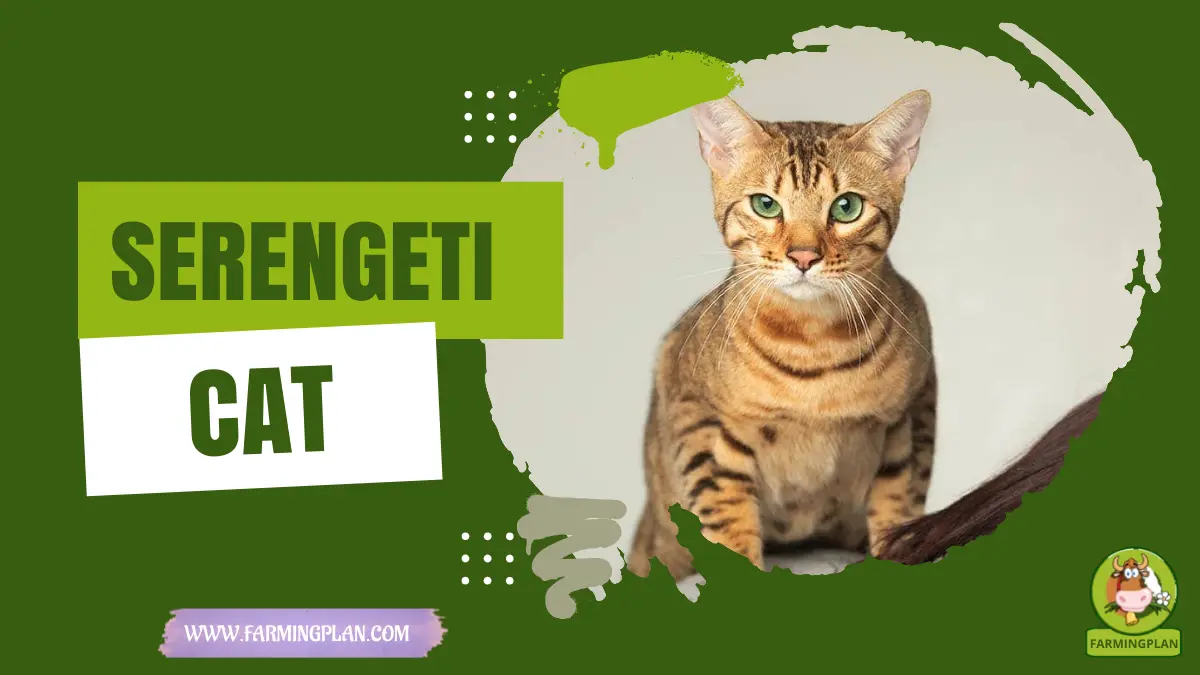
The head forms a modified triangular wedge longer than it is wide, accentuated by large, upright ears set high and close together on the skull. The ears feature rounded tips and wide bases, mirroring the acoustic tracking ears of savanna predators. The eyes are large, round, and bright, glowing in brilliant shades of yellow, gold, or amber. Selecting healthy foundation stock is the cornerstone of successful Serengeti Cat management.
The coat is short, dense, and silky to the touch. Recognized coat patterns include brown spotted tabby (distinct black or dark brown spots on a warm golden-buff agouti ground), solid black (melanistic), and silver spotted tabby. The spots are evenly distributed across the body without merging into stripes, accented by delicate facial mascara lines and dark tail rings.
Behavioral Traits, Temperament & Working Instincts
Serengeti cats possess an electric, outgoing personality defined by perpetual curiosity, high energy, and intense devotion to their human family. Highly vocal by nature, they inherit the expressive conversational tendencies of the Oriental Shorthair, frequently chatting with their owners using a rich vocabulary of chirps, soft trills, and inquisitive purrs. Good predator-proofing and dry bedding safeguard Serengeti Cat comfort in harsh weather.
These felines are astonishingly acrobatic athletes. With powerful hindlimbs, a Serengeti can launch itself effortlessly from the floor onto the top of a refrigerator or high bookshelf in a single leap. When not scaling heights, they demonstrate deep affection, eagerly curling into laps and nuzzling necks for gentle chin scratches.
They thrive in active, bustling homes where family members welcome an interactive, communicative companion. Serengetis socialize well with friendly dogs and other energetic cats, but their sharp predatory speed makes them unsafe around unconfined rodents, cage birds, or small homestead chicks. Monitoring water quality and mineral balance directly benefits Serengeti Cat vitality.
Nutritional Requirements & Feeding Protocols
Feeding a high-energy athlete like the Serengeti requires a nutrient-dense, biologically appropriate diet centered on easily digestible animal proteins and healthy fats. Their active metabolism burns through calories quickly, requiring high-quality poultry, rabbit, and fish-based feeds to support lean muscle development.
Provide premium grain-free wet food divided into two or three meals daily, supplemented by measured portions of high-protein dry kibble or balanced commercial raw food. Avoid carbohydrate-heavy feeds filled with corn, wheat, or soy. A mature 12-pound active adult requires roughly 250 to 320 calories per day to maintain peak physical condition. Practical hands-on husbandry ensures consistent results when raising Serengeti Cat.
Adequate hydration is critical for urinary tract health. Offer fresh, filtered water in circulating fountains, as Serengetis love dipping their paws into moving streams and watching water droplets splash.
Housing, Space Requirements & Habitat Setup
Housing a Serengeti requires generous vertical territory. Single-level rooms without climbing outlets will lead to frustration and boredom. Install floor-to-ceiling cat towers, wall-mounted climbing perches, and high ceiling catwalks to allow your cat to survey household territory from towering vantage points. Early intervention at the first sign of lethargy protects overall Serengeti Cat flock or herd health.
Provide durable scratching posts wrapped in rough sisal rope to protect furniture. For homesteaders, a secure, fully enclosed outdoor catio provides hours of sensory entertainment watching farm birds and livestock safely. Indoors, keep interactive puzzle toys, treat balls, and wand feather toys readily accessible.
Common Health Issues, Genetics & Preventative Care
Serengeti cats are generally robust, vigorous felines with an expected lifespan of 12 to 15 years. Because their gene pool derives from Bengal and Oriental Shorthair foundation stock, guardians should be aware of potential breed-associated health concerns. Structured culling and biosecurity protocols strengthen Serengeti Cat genetic quality.
Hypertrophic cardiomyopathy (HCM) represents the most significant cardiac concern, warranting baseline echocardiograms for breeding stock. Breeding animals should also be DNA-screened for Progressive Retinal Atrophy (PRA) and Pyruvate Kinase Deficiency (PK-Def). Schedule annual veterinary wellness visits, maintain core feline vaccinations, and perform routine dental care to preserve oral health.
Training, Exercise & Handling Methodologies
Training a Serengeti is delightful thanks to their sharp intelligence and enthusiasm for learning. Using positive reinforcement and freeze-dried meat treats, owners can easily teach behaviors like recall, sitting on command, and target touching. Many Serengetis adapt eagerly to harness and leash walking, allowing supervised garden exploration. Maintaining clean feeders and sanitized equipment supports sustainable Serengeti Cat care.
Incorporate at least 60 minutes of active interactive play each day. Use flirt poles, bouncy balls, and laser pointers followed by a tangible plush toy catch to satisfy their natural predatory drive. This dedicated play prevents nighttime hyperactivity and ensures contented rest alongside family members.
Breeding, Genetics & Lifecycle Management
Ethical breeding of Serengeti cats requires strict compliance with TICA breed guidelines and meticulous health screening. Breeders select foundation Bengal and Oriental Shorthair stock verified clear of PRA, PK-Def, and cardiac murmurs. Litters are raised indoors with intensive human handling from an early age. Consistent daily observation helps keepers spot early changes in Serengeti Cat health and behavior.
Kittens should remain with their mother until at least 12 to 14 weeks of age to ensure full social and physical maturity. Responsible breeders provide written health contracts, pedigree registration certificates, and complete vaccination histories.
⚡ Estimated Annual Budget & Maintenance Costs (USD)
| Expense Category | Annual Cost Range (USD) | Operational Management Notes |
|---|---|---|
| Primary Feed & Rations | 0 – 0 | Life-stage balanced nutrition |
| Supplements & Minerals | – 0 | Vital micro-nutrients & salt |
| Housing, Bedding & Shelter Upkeep | – 0 | Sanitation, climate barrier maintenance |
| Preventative Veterinary & Deworming | – 0 | Vaccinations & parasite mitigation |
| Equipment & Hardware Maintenance | – 0 | Feeders, waterers & enclosure fencing |
| Total Estimated Annual Operating Cost | 0 – $1,260 | Annual operating expense benchmark |
🐈 Serengeti Cat Daily Nutrition & Care Calculator
Calculate daily metabolizable calories (kcal), dry/wet food portions, clean water intake (fl oz), litter box minimums, and monthly care cost for your Serengeti Cat.
Frequently Asked Questions About Serengeti Cat Breed (FAQ)
What is the breeding background of the Serengeti cat?
The Serengeti cat was developed in California in 1994 by Karen Sausman. Sausman crossed Bengal cats with Oriental Shorthairs to recreate the long-legged, large-eared elegance of the wild African serval without introducing wild serval genetics.
How does a Serengeti cat differ from a Savannah cat?
While Savannah cats are direct hybrids bred from wild servals and domestic cats, Serengeti cats contain zero wild serval blood. Serengetis derive exclusively from Bengal and Oriental Shorthair lineages, making them fully domestic and free of hybrid legal bans.
Are Serengeti cats loud or vocal companions?
Yes, Serengeti cats inherit conversational vocal traits from their Oriental Shorthair ancestors. They frequently communicate with melodious chirps, purrs, and expressive meows to describe their mood or request food and attention.
What kind of exercise routine does a Serengeti cat need?
Serengetis require at least 60 minutes of daily interactive play. Their powerful hind legs allow them to make vertical leaps up to seven feet, making tall cat trees, laser chasing, and wand toys essential for their wellbeing.
Do Serengeti cats get along with other animals in the household?
Serengetis socialize well with other active cats and friendly dogs. However, their sharp predatory drive makes them unsuitable companions for unconfined birds, rodents, or small farm animals without secure barriers.
Expert Verdict & Next Steps
The Serengeti cat is a stunning living work of art that rewards dedicated owners with boundless affection, acrobatic feats, and conversational charm. For active homesteaders who can provide vertical climbing spaces, interactive play, and quality nutrition, the Serengeti offers the grandeur of an African wild cat with complete domestic peace of mind. Clean housing, fresh water, and balanced nutrition remain essential for Serengeti Cat productivity.
Before bringing a Serengeti kitten home, verify that you have space for high climbing perches and budget for quality high-protein wet food. For additional insights into distinctive spotted and patterned cats, explore our guides on the Cornish Rex cat breed and the majestic Siberian forest cat guide.
📚Agricultural Reference & Scientific Citations
Standards and physiological data referenced in this guide comply with USDA Animal and Plant Health Inspection Service (APHIS), American Veterinary Medical Association (AVMA), and the FAO Domestic Animal Diversity Information System.


