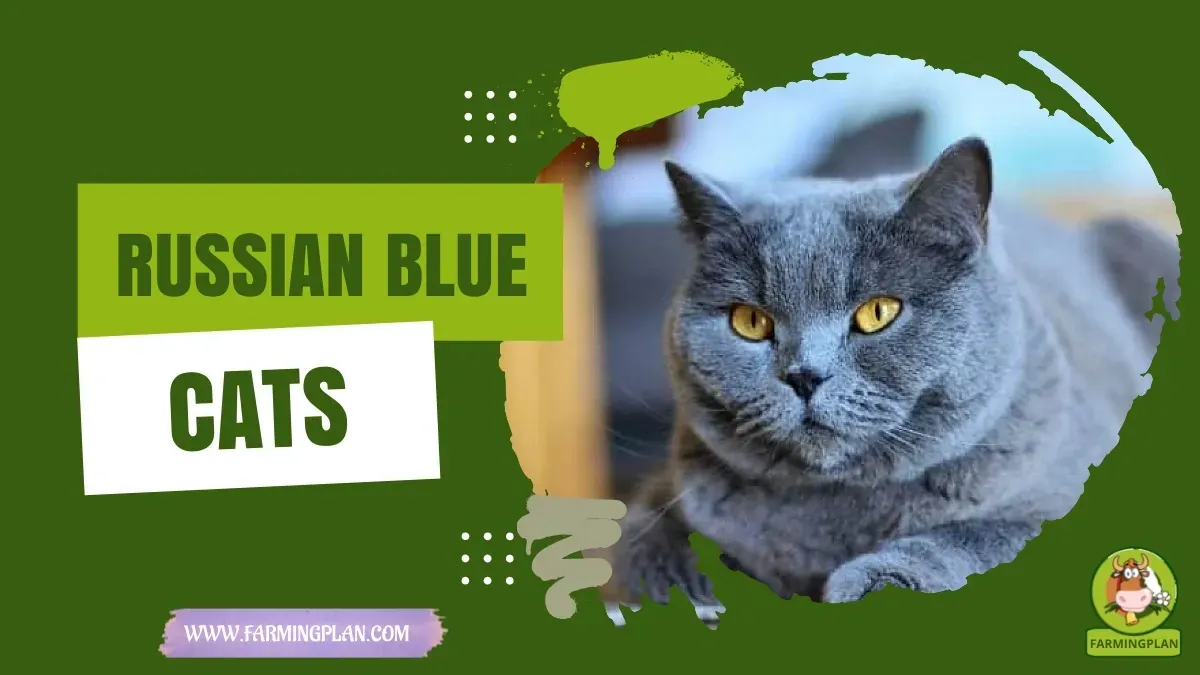
Russian Blue cats stand out as some of the most captivating feline companions I have ever raised on my farm estate. I love watching their stunning blue double coat shimmer under the morning sun, revealing silver-tipped fur that gleams with every step. People often ask me about the Russian Blue cat price, wondering if these elegant pets fit a modest budget. Their plush fur, emerald green eyes, and gentle charm make every penny worthwhile.
These soft-spoken animals produce low levels of Fel d 1 protein, making many people ask, are Russian Blue cats hypoallergenic? While no cat completely eliminates allergies, their low-dander coat brings great relief to mild allergy sufferers. In this guide, I share my real hands-on experience so you can raise a healthy, playful, and loyal friend.
| Attribute / Metric | Specification & Benchmark |
|---|---|
| Classification & Class | Feline / Working Barn & Homestead Companion (Felis catus) |
| Primary Production Focus | Natural Biological Rodent & Feed Store Pest Control |
| Productivity / Performance Yield | Reliable pest abatement for granaries, coops, and haylofts |
| Mature Benchmark Weight / Size | Males: 10–16 lbs (4.5–7.3 kg) | Females: 8–12 lbs (3.6–5.5 kg) |
| Temperament & Behavior | Independent hunter, affectionate with caretakers, agile |
| Climate & Environmental Hardiness | Hardy with insulated barn quarters and fresh water |
| Management & Homestead Rating | Beginner to Intermediate Friendly |
History & Origin
I always tell new owners that understanding a breed starts with its history. Russian Blue cats naturally originated in the cold port city of Arkhangelsk in Northern Russia. Sailors loved these tough, quiet animals because they hunted rodents on cargo ships with amazing speed and grace. Russian Blue cats survived freezing winters thanks to their dense double coat standing at a tight 45-degree angle. Local legends state that Russian czars cherished these royal pets and kept them inside lavish palaces to guard royal sleeping quarters. Agricultural producers frequently evaluate their homestead utility alongside reliable stock like Javanese Cats and Oriental Shorthair Cat.
During the late 1800s, British sailors brought several Russian Blue kittens on trading ships heading toward England. Breeders across Europe fell in love with their silver-tipped fur and cobra-headed facial structure. World War II nearly wiped out the entire breeding stock in Europe, forcing breeders to cross them with British Shorthairs and Siamese stock. Dedicated breeders later restored the pure line, preserving their gentle soul and emerald eyes. Today, these historical companions continue to charm pet lovers all across the globe. Homesteaders seeking reliable companion pest deterrents often compare the mousing agility of the Ocicat Cat Magic.
Characteristics
When you view Russian Blue cats in person, their refined physical traits instantly capture your attention. They feature a fine-boned yet muscular body that gives them an graceful, athletic outline. Their wide wedge-shaped head looks almost cobra-headed when viewed straight on. Bright emerald green eyes stand out against their short plush double coat, though a young Russian Blue kitten starts life with yellow or orange eyes that gradually turn green as they mature. Their medium-sized ears sit wide on the head, staying alert to every tiny movement in the room.
The most famous trait remains their shimmering coat texture. The inner and outer fur layer works together to shield them from moisture and cold drafts. Each hair shaft ends with silver-tipped fur, creating a glowing halo effect under bright sunlight. Unlike ordinary domestic short-haired pets, their double coat stands out at a soft 45-degree angle, feeling remarkably soft like plush silk. They carry a medium body frame, typically weighing between 7 to 12 pounds at full adulthood. Their long tail tapers smoothly, completing a perfectly balanced feline design.
Nature & Temperament
I adore the sweet, quiet demeanor that defines Russian blue cats personality traits in home settings. They form an intense, loyal bond with their primary caregiver while staying somewhat reserved around complete strangers. When new guests enter my home, my Russian Blue cats move calmly toward high perches to observe visitors from a safe distance. Once they trust you, they follow you from room to room, sitting softly by your feet while you work. They express their affection through subtle head bumps and gentle purrs rather than loud vocal demands.
Their playful nature keeps family members entertained every single day. A playful Russian Blue kitten loves chasing feather wands, fetching small crinkle balls, and leaping onto tall shelves. They possess high intelligence, learning house rules and trick routines faster than most domestic breeds. Do Russian Blue cats shed a lot during seasonal changes? They shed very little compared to other double-coated breeds, keeping your living room furniture clean and neat. Their quiet meow ensures a peaceful household, making them perfect pets for quiet apartments or busy family homes.
Food & Diet
Feeding Russian Blue cats requires a high-protein, balanced diet to maintain their lean muscles and glossy coat. On my farm, I feed my adult cats protein-rich raw or cooked meats mixed with high-end commercial wet food. Protein supports their muscular body, while omega-3 fatty acids enrich their silver-tipped fur with natural oils. Always choose foods where real chicken, turkey, or salmon stands as the very first ingredient. Avoid cheap feeds packed with heavy corn, soy, or wheat fillers that cause weight gain and dull fur.
Portions matter greatly because these intelligent pets love eating and will overeat if given free access to dry kibble. Measure daily meals based on age, weight, and exercise levels to prevent feline obesity. Provide fresh, filtered water daily in clean ceramic or stainless steel bowls placed far away from litter boxes. I prefer ceramic water fountains because moving water encourages them to drink enough liquids every day. Proper hydration keeps their kidneys strong and supports long-term health for many decades.
Usage & Purpose
People keep Russian Blue cats primarily as devoted house companions and loving family members. Their calm nature brings immense emotional comfort to seniors, single adults, and families with respectful children. They adapt quickly to apartment life, enjoying sunny window perches and simple indoor climbing trees. Thanks to their high intelligence, they serve as excellent therapeutic animals, offering quiet support after long, stressful days. Their clean habits make daily household care simple and hassle-free for busy working adults.
Show breeders and exhibition judges celebrate these purebred beauties in cat shows around the world. Exhibitors present Russian Blue cats for sale and competition, focusing on their distinct double coat, emerald eyes, and smooth movement. Breeders study coat density, bone structure, and temperament standard rules to preserve pure bloodlines. Beyond show rings, these cats make great rodent hunters on rural homesteads, keeping barns and feed stores clear of pests naturally. Their combination of functional elegance and companionable warmth fulfills every pet owner’s dream.
Special Features
The primary special feature of Russian Blue cats is their rare coat density and silver-tipped fur structure. Their fur stands so thick that you can trace patterns in their coat with your fingers, and the lines remain clearly visible for minutes. Another remarkable feature involves their low allergen profile. Are Russian Blue cats hypoallergenic for all allergy sufferers? They produce far lower levels of Fel d 1 protein than other breeds, helping people with mild allergies live comfortably without constant sneezing.
Their expressive, brilliant emerald green eyes captivate everyone who visits my farm home. These eyes shift color as the cat grows, transitioning from newborn blue-yellow to deep vivid green at one year old. Their facial structure gives them a perpetual sweet smile, enhancing their gentle expression. Russian Blue cats also possess an incredible memory, remembering hidden toy locations, routine schedule times, and specific door handle movements easily. Their combination of physical beauty and sharp mental focus makes them truly extraordinary animals.
Health Issues & Prevention
Russian Blue cats are naturally healthy, robust animals with a long average lifespan of 15 to 20 years. However, their love for food makes them prone to feline obesity if owners do not track daily calories. Excess weight strains their fine-boned frame, leading to joint pain, diabetes, and heart issues later in life. Keep your pet lean through scheduled daily play sessions using interactive toys. Measure daily food portions strictly, avoiding free-feeding dishes left out all day long.
Targeted preventive healthcare safeguards your pet against common internal parasites and viral infections. Schedule yearly veterinary checkups, dental cleanings, and timely core vaccinations for optimal safety. Watch for progressive retinal atrophy and urinary tract problems, which occasionally affect older felines. Brush their teeth twice weekly with pet-safe toothpaste to block tartar buildup and gum inflammation. Clean their ears monthly using soft cotton pads dampened with mild cleaning solution. Early detection keeps minor health issues from turning into severe medical problems.
Step-By-Step Setup And Daily Management
Taking home a new pet requires thoughtful preparation, gentle handling, and proper supply setup. Follow my step-by-step care guide to give your new feline companion the absolute best start in life.
Step 1: Setting Up The Ideal Living Environment
Prepare a dedicated quiet room before bringing your Russian Blue kitten home. Place a high scratching post, a cozy covered bed, and clean food bowls in quiet corners. Set up a low-sided litter box filled with unscented clumping clay litter far away from food stations. This safe room helps young pets adjust to new sights and smells without feeling overwhelmed by large spaces.
Keep ambient room temperatures comfortable, avoiding cold drafts or hot direct sunlight near bedding areas. Add tall cat trees near windows so your pet can watch outside birds and yard activities safely. Secure all loose electrical cords, chemical cleaners, and toxic indoor plants like lilies or philodendrons. Creating a safe space prevents accidental injuries during early exploration phases.
Step 2: Introducing Balanced Daily Meals And Fresh Hydration
Establish strict feeding schedules from day one rather than leaving food bowls open constantly. Offer high-quality wet cat food twice daily, adjusting portion sizes according to age, weight, and vet advice. Clean food and water dishes daily using hot water and mild dish soap to destroy bacterial growth. Place fresh water fountains across different rooms to boost daily hydration levels naturally.
Avoid feeding table scraps, cow milk, or high-carbohydrate human snacks to your pet. Introduce new food brands slowly over seven days by mixing increasing amounts of new food into old meals. This gradual transition prevents stomach upset, diarrhea, and food refusal. Proper nutrition keeps their coat shiny, muscles strong, and energy levels high throughout their life.
Step 3: Establishing Grooming Schedules And Coat Upkeep
Maintain their short, dense double coat by brushing once or twice weekly with a soft slicker brush. Gentle brushing removes loose hair, redistributes natural skin oils, and keeps silver-tipped fur shining bright. Do Russian Blue cats shed excessively during spring? Regular brushing controls minor seasonal shedding, keeping your home virtually hair-free all year long.
Trim their sharp nail tips every two to three weeks using sharp pet nail clippers. Be careful not to cut into the sensitive pink quick inside the nail shaft. Check ears weekly for dirt buildup, wax, or red inflammation, wiping outer areas gently with damp cotton. Brush teeth regularly with pet toothpaste to support strong gums and fresh breath.
Step 4: Providing Mental Stimulation And Physical Exercise
Engage your intelligent companion in two active play sessions lasting fifteen minutes every day. Use feather wands, laser pointers, and crinkle balls to stimulate their natural hunting instincts safely. Russian Blue cats love retrieving small thrown toys, showing athletic agility and quick reflexes. Rotating toys weekly prevents boredom and keeps their sharp minds actively engaged.
Provide puzzle feeders that reward your pet with kibble when they solve simple mechanical challenges. Install sturdy wall shelves or tall scratching towers to encourage vertical climbing and stretching exercises. Physical activity prevents obesity, reduces stress, and strengthens your bond with your pet. Never leave your cat completely unentertained for long stretches of time.
Step 5: Managing Healthcare Routines And Social Bonding
Schedule an initial vet exam within forty-eight hours of bringing your Russian Blue kitten home. Keep core vaccinations, flea treatments, and internal deworming routines updated according to professional guidance. Microchip your pet and attach an identification tag to a quick-release collar for outdoor safety. Spay or neuter your pet around six months of age to prevent spraying behavior and health risks.
Spend quiet time cuddling, talking softly, and resting beside your pet every evening. Respect their reserved nature when meeting new people, allowing them to approach visitors on their own terms. Positive reinforcement using small tasty treats rewards brave behavior around new sounds or guests. Consistent love builds unwavering trust and lifelong loyalty between you and your pet.
Expert Tips & Best Practices
- Use Unscented Litter: These sensitive animals dislike harsh chemical fragrances in litter boxes, preferring clean, natural unscented clumping clay.
- Keep Daily Schedules Routine: Russian Blue cats thrive on strict schedules; feed them and play with them at identical times daily to minimize anxiety.
- Install Heavy Scratching Posts: Secure tall sisal scratching posts so your cat can stretch fully without tipping heavy furniture over.
- Avoid Bathing Frequently: Their double coat repels dirt naturally; limit full baths to rare occasions to keep natural skin oils intact.
- Research Breeder Credentials: When reviewing Russian Blue cats for sale, always request genetic health guarantees and certified pedigree papers from registration clubs.
- Provide Cozy Hideaways: Place covered cat beds or igloo huts around the house to offer quiet safe spots when visitors enter your home.
- Create High Vantage Points: Position cat trees near windows so your pet can survey surroundings safely from high places.
FAQs
Are Russian Blue cats rare and expensive to buy?
Purebred Russian Blue cats remain relatively rare due to selective breeding standards and small litter sizes worldwide. The typical Russian Blue cat price ranges between $1,200 and $3,000 depending on pedigree quality, breeder reputation, and region. Finding purebred Russian Blue kittens for sale often requires joining waiting lists managed by certified cat breeders.
Are Russian Blue cats hypoallergenic for allergy sufferers?
Russian Blue cats are considered hypoallergenic because they naturally produce lower levels of the dander protein Fel d 1. Their thick double coat also traps loose dander close to the skin, preventing allergens from floating through household air. People with mild pet allergies often live comfortably with them, though spending time around the breed first remains recommended.
Do Russian Blue cats shed a lot of fur around the house?
Russian Blue cats shed very little fur compared to most other short-haired or double-coated feline breeds. Their short, dense fur stays contained with simple weekly brushing sessions using a soft slicker brush. Regular grooming removes loose hair quickly, keeping your carpets, clothes, and furniture clean and free of pet fur.
What is the average personality of a Russian Blue cat?
The typical Russian blue cats personality combines gentle affection, quiet intelligence, and a playful spirit. They form strong loyal bonds with family members while remaining cautious and reserved around unfamiliar house guests. They enjoy interactive games like fetch, climbing high perches, and resting quietly beside their owners after playtime.
How do I locate healthy Russian Blue kittens for sale?
Look for certified breeders registered with recognized organizations like The International Cat Association or the Cat Fanciers’ Association. Avoid backyard breeders or unverified online listings advertising cheap Russian Blue cats for sale without proper health documentation. Reputable breeders provide genetic testing records, vaccination histories, and clean home environments for all young kittens.
Conclusion
Russian Blue cats bring incredible beauty, peaceful companionship, and boundless loyalty to any loving home setting. Their silver-tipped double coat, striking emerald eyes, and gentle nature make them absolute treasures among feline breeds. Whether you seek a quiet friend for apartment living or an active companion for a farm family, these intelligent pets fit into daily routines effortlessly. Proper nutrition, daily interactive play, and regular grooming ensure your pet lives a long, joyful life by your side. Take the next step today by connecting with certified breeders, visiting local shelters, or sharing this care guide with fellow animal lovers!