

⚡ Ocicat Cat at a Glance: Key Specifications & Benchmarks
| Genetic Lineage | 100% domestic feline (crosses of Siamese, Abyssinian, and American Shorthair) |
| Mature Male Weight | 9 to 15 lbs (4.1 to 6.8 kg) with muscular, substantial athletic bone structure |
| Mature Female Weight | 6 to 10 lbs (2.7 to 4.5 kg) lithe, balanced, and surprisingly heavy in hand |
| Coat Architecture | Short, tight, satiny agouti coat covered in distinct thumbprint spots |
| Recognized Colors | 12 recognized shades (Tawny, Chocolate, Cinnamon, Blue, Lavender, Fawn, & Silver varieties) |
| Working Temperament | Extroverted, highly social, canine-like fidelity, playful, vocal communicator |
| Average Lifespan | 15 to 18 years with routine veterinary wellness and genetic screening |
| Homestead Suitability | Adaptable, social pet that bonds warmly with children, visitors, and farm dogs |
The Ocicat cat represents one of the most brilliant triumphs in selective domestic feline breeding, achieving the wild spotted aesthetic of a jungle ocelot without introducing a single drop of wild blood. Bred entirely from pedigree domestic foundation stock—the Siamese, the Abyssinian, and the American Shorthair—this captivating feline offers rural families and homesteaders the exotic allure of a wild cat paired with the dependable, loving, and predictable temperament of a gentle domestic pet. Consistent daily observation helps keepers spot early changes in Ocicat Cat health and behavior.
For homestead owners exploring our homestead companion animal care guides, the Ocicat delivers an astonishingly dog-like experience. These cats routinely greet returning family members at the front doorway, happily walk on a leash and harness across the yard, retrieve tossed toys with boundless joy, and master household rules with astonishing speed. Clean housing, fresh water, and balanced nutrition remain essential for Ocicat Cat productivity.
Unlike aloof or solitary felines, the Ocicat thrives on social interaction and purposeful activity. They dislike prolonged isolation, preferring to integrate directly into the daily rhythms of busy family households. Whether supervising chores from a sunny window perch or snuggling on the sofa at dusk, the Ocicat forms deep, communicative bonds with every member of the family. Tracking feed intake and body condition supports long-term Ocicat Cat performance.
In this comprehensive breed profile, we examine the accidental discovery that launched the Ocicat, its detailed physical conformation benchmarks, energetic behavioral traits, dietary strategies, habitat requirements, and preventative veterinary protocols to ensure your spotted companion flourishes for nearly two decades. Following biosecurity best practices reduces disease risk in any Ocicat Cat operation.
⚡ Ocicat Cat Breed Guide Working & Physical Standards Matrix
| Standard Metric | Breed Benchmark | Working Homestead Range |
|---|---|---|
| Male Height & Weight | 20–26 in | 45–75 lbs | Lean, athletic muscular build |
| Female Height & Weight | 18–24 in | 35–65 lbs | Agile frame, high endurance |
| Working Drive & Instinct | High biddability & farm utility | Herding, guarding, or vermin control |
| Daily Exercise Requirement | 60–90 minutes active work | Mental stimulation & field runs |
| Coat Type & Weather Hardiness | Weather-resistant double coat | Withstands cold rain, burrs & brush |
| Average Lifespan | 12–15 years | Hardy working longevity |
Deep Historical Roots & The Accidental Spotted Kitten
The origin of the Ocicat is a celebrated tale of serendipity in feline genetics. In 1964, cat breeder Virginia Daly of Berkley, Michigan, sought to create an Abyssinian-pointed Siamese. She crossed a ruddy Abyssinian male named Dalai Dhyana Tom with a seal point Siamese female named Dalai Tomboy Patter. The resulting first-generation litter resembled Abyssinians. When Daly bred an F1 female back to a chocolate point Siamese, an unexpected genetic miracle occurred. Seasonal adjustments to shelter and diet keep Ocicat Cat thriving year-round.
Among the pointed kittens rested a striking ivory male adorned with vivid golden spots. Daly’s daughter remarked that the kitten looked like a miniature ocelot, christening the baby ‘Tonga’ and dubbing the type the ‘Ocicat.’ While Tonga was neutered and placed in a loving pet home, famed geneticist Dr. Clyde Keeler of Georgia State University urged Daly to repeat the breeding to establish a new spotted domestic breed. Proper record-keeping makes breeding and culling decisions easier for Ocicat Cat keepers.
Subsequent matings successfully reproduced the spotted coat. Later in the program, breeders introduced the American Shorthair into the gene pool, which imparted substantial bone density, increased muscular mass, and introduced the dazzling silver coat backdrop. The Cat Fanciers’ Association (CFA) registered the Ocicat in 1966, granting full championship exhibition status in 1987. Today, the Ocicat is recognized worldwide as an entirely domestic breed requiring no special permits. Providing adequate space and ventilation prevents common stress issues in Ocicat Cat.
Much like the silky Balinese cat breed guide developed from Siamese lines, the Ocicat proves how thoughtful selective breeding of purebred domestic felines can produce breathtaking visual patterns alongside supreme companionship. Understanding breed-specific traits helps maximize Ocicat Cat longevity and output.
⚡ Ocicat Breed Color Varieties & Genetic Pigment Matrix
| Color Class | Ground Coat Base | Spot & Ticking Pigment | Nose Leather & Paw Pads |
|---|---|---|---|
| Tawny (Brown) | Warm bronze to warm agouti | Dark brown or black thumbprint spots | Brick red outlined in black; black pads |
| Chocolate | Warm ivory to pale caramel | Rich chocolate brown distinct spots | Pink edged with chocolate; chocolate pads |
| Cinnamon | Pale ivory to warm biscuit | Light reddish cinnamon spots | Pink outlined in cinnamon; pink pads |
| Silver Varieties | Pale clear silvery white | Contrasting black, chocolate, or blue spots | Corresponds to base pigment hue; dark pads |
Physical Attributes & Breed Conformation Standards
The Ocicat is an athletic, muscular feline of medium to large proportions that feels surprisingly solid and heavy when lifted. Males typically weigh 9 to 15 pounds, while mature females average 6 to 10 pounds. The body is moderately long and deep-chested, carried on sturdy, well-muscled legs terminating in compact, oval feet.
Sculpted Head, Almond Eyes & Agouti Spots
The head is a modified wedge with a gentle rise from the bridge of the nose to the brow. The muzzle is broad and well-defined with a square hint to the jawline. The ears are alert, set at a 45-degree angle to the head, often tipped with small ear tufts. The large, expressive almond-shaped eyes angle slightly upward, permitted in all vibrant shades except blue. Routine preventive care saves time and lowers veterinary costs for Ocicat Cat.
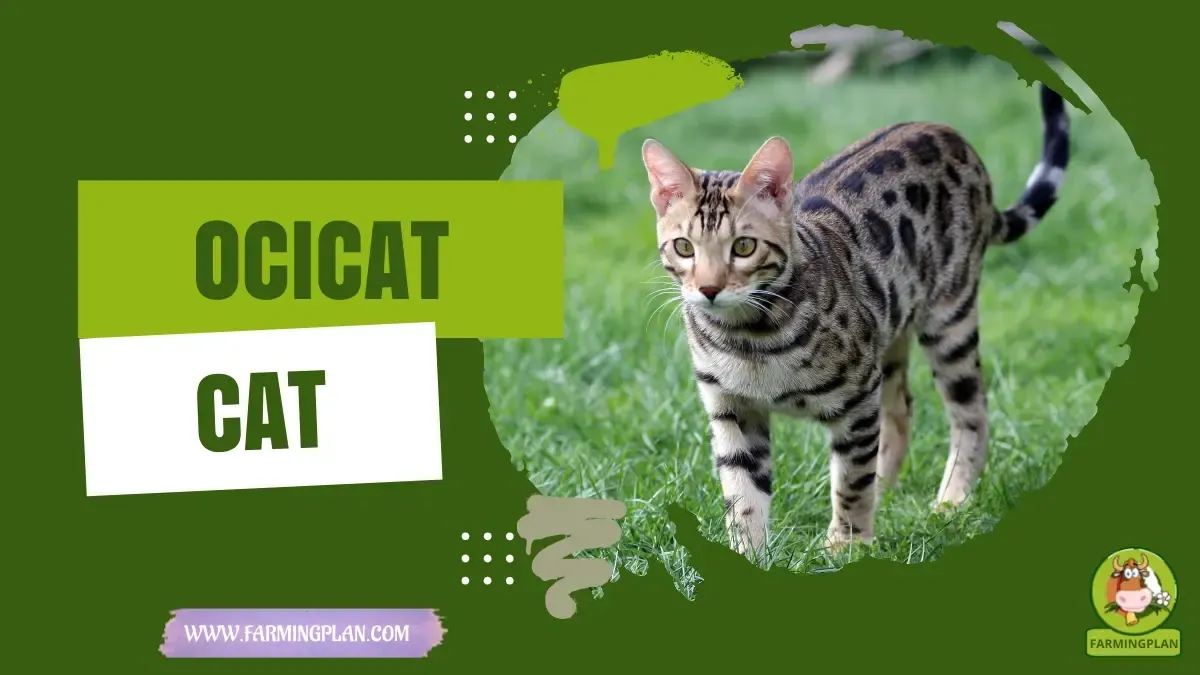
The coat is the crowning glory of the Ocicat: short, smooth, close-lying, and possessing a lustrous satin sheen. Each individual hair carries multiple bands of color (agouti ticking), with darker spots arranged in orderly rows along the spine and flowing down the sides of the torso like thumbprints. The face features classic tabby mascara lines, while the neck carries broken necklaces and the legs display broken bracelets. Matching forage or ration quality to life stage optimizes Ocicat Cat growth.
Behavioral Traits, Temperament & Working Instincts
The personality of the Ocicat is legendary among feline fanciers for its outgoing, extroverted, and canine-like warmth. Unlike cats that vanish beneath beds when visitors knock, an Ocicat trots directly to the entryway, greeting guests with inquisitive chirps and gentle leg rubs. They possess supreme self-confidence and an infectious enthusiasm for daily living. Gradual dietary transitions protect digestive stability in Ocicat Cat.
Ocicats inherit the conversational charm of their Siamese ancestors, communicating through melodic chirps, trills, and soft meows rather than harsh yowls. They are exceptionally cooperative companions that learn household routines quickly, often figuring out how to retrieve rolled paper balls or fetch catnip mice with tireless delight. Selecting healthy foundation stock is the cornerstone of successful Ocicat Cat management.
Because they are intensely social pack animals, Ocicats suffer from separation distress if left alone for extended work shifts. They integrate seamlessly into multi-pet homes, frequently developing affectionate bonds with gentle family dogs, other cats, and respectful children who match their active play style. Good predator-proofing and dry bedding safeguard Ocicat Cat comfort in harsh weather.
Nutritional Requirements & Feeding Protocols
Sustaining the Ocicat’s dense muscular frame requires a high-protein, meat-based nutritional program. As strict carnivores, Ocicats thrive on diets rich in animal proteins, poultry, fish, and balanced animal fats that supply essential fatty acids and taurine to protect cardiac and ocular health. Monitoring water quality and mineral balance directly benefits Ocicat Cat vitality.
Provide high-quality wet canned food combined with measured rations of grain-free dry food or properly balanced commercial raw meals. Avoid carbohydrate-heavy commercial formulas that cause obesity, as excess weight places undue strain on joints. A mature 12-pound adult requires approximately 220 to 280 calories daily, adjusted for activity level. Practical hands-on husbandry ensures consistent results when raising Ocicat Cat.
Hydration is vital to prevent urinary tract crystal formation and kidney stress. Keep multiple clean ceramic or stainless steel water bowls around the house, or install a recirculating pet fountain, as Ocicats are fascinated by moving water and frequently bat at drinking bowls. Early intervention at the first sign of lethargy protects overall Ocicat Cat flock or herd health.
Housing, Space Requirements & Habitat Setup
Ocicats are athletic, high-energy felines that require generous vertical territory and mental stimulation indoors. Sturdy multi-tiered cat towers, window perches overlooking farm pastures or bird feeders, and sisal-wrapped scratching posts are essential to satisfy their climbing and territory-marking instincts.
Provide a diverse rotation of interactive puzzle toys, crinkle tunnels, and wand feather teasers to keep their sharp minds occupied. Ocicats adapt exceptionally well to harness walking, making routine strolls around farmstead gardens an enjoyable daily ritual. Ensure litter boxes are kept impeccably clean, as their fastidious nature demands hygienic bathroom accommodations. Structured culling and biosecurity protocols strengthen Ocicat Cat genetic quality.
Common Health Issues, Genetics & Preventative Care
Thanks to the broad genetic foundation of its three ancestor breeds, the Ocicat is an exceptionally hardy, vigorous breed with an enviable lifespan of 15 to 18 years. However, conscientious guardians should stay informed about health issues associated with its ancestral lineages. Maintaining clean feeders and sanitized equipment supports sustainable Ocicat Cat care.
Because of Abyssinian ancestry, breeding stock should be DNA-screened for Progressive Retinal Atrophy (PRA) and Pyruvate Kinase Deficiency (PK-Def). Hypertrophic cardiomyopathy (HCM) should be evaluated through periodic veterinary cardiac auscultation and echocardiograms. Maintain routine veterinary wellness checks, dental examinations, core vaccinations, and monthly flea and tick prevention. Consistent daily observation helps keepers spot early changes in Ocicat Cat health and behavior.
Training, Exercise & Handling Methodologies
Training an Ocicat is an absolute pleasure due to their keen intellect and desire to please their human caretakers. Using clicker training paired with tasty chicken treats, handlers can teach an Ocicat to sit, give high-fives, come on command, and run agility courses in short, fun sessions. Clean housing, fresh water, and balanced nutrition remain essential for Ocicat Cat productivity.
Early handling desensitization is recommended. Gently touch paws, inspect ears, and brush teeth from kittenhood to make veterinary visits and home nail trimmings calm and stress-free. Provide at least 30 to 45 minutes of active, heart-pumping interactive play each day using feather lures and laser chases. Tracking feed intake and body condition supports long-term Ocicat Cat performance.
Breeding, Genetics & Lifecycle Management
Responsible Ocicat breeding requires strict adherence to pedigree standards and comprehensive genetic health screenings. Breeding cats must be tested clear for PRA and PK-Def, with pedigrees registered through CFA or TICA. Litters average 4 to 6 vigorous kittens that display their distinctive spots from birth. Following biosecurity best practices reduces disease risk in any Ocicat Cat operation.
Kittens should remain with their mother until at least 12 weeks of age, receiving primary vaccinations, parasite deworming, and extensive human socialization. Ethical breeders provide written health guarantees and lifetime support for their kittens. Seasonal adjustments to shelter and diet keep Ocicat Cat thriving year-round.
⚡ Estimated Annual Budget & Maintenance Costs (USD)
| Expense Category | Annual Cost Range (USD) | Operational Management Notes |
|---|---|---|
| Premium High-Protein Working Diet | 0 – 0 | High-fat, meat-first working kibble/raw |
| Veterinary Wellness & Vaccinations | 0 – 0 | Rabies, DHPP, Lyme, annual heartworm check |
| Flea, Tick & Heartworm Prevention | 0 – 0 | Monthly chewables for active outdoor working dogs |
| Grooming, Coat & Paw Care | – 0 | Undercoat rakes, paw balm, nail grinders |
| Working Gear, Collars & GPS Trackers | – 0 | High-visibility tracking collar, durable bed |
| Total Estimated Annual Operating Cost | 0 – $1,710 | Annual investment for a working farm guardian/herder |
🐈 Ocicat Cat Daily Nutrition & Care Calculator
Calculate daily metabolizable calories (kcal), dry/wet food portions, clean water intake (fl oz), litter box minimums, and monthly care cost for your Ocicat Cat.
Frequently Asked Questions About Ocicat Cat Breed (FAQ)
Does the Ocicat cat have any wild blood?
No, despite its striking wild ocelot appearance, the Ocicat is 100% domestic. The breed was created exclusively through selective crosses between the Siamese, Abyssinian, and American Shorthair domestic cat breeds.
What kind of personality does an Ocicat have?
Ocicats are famous for their extroverted, dog-like personality. They greet visitors warmly, retrieve thrown toys, walk easily on a harness, and form intensely affectionate bonds with their human companions.
How much grooming does an Ocicat require?
Ocicats have very low grooming needs. Their short, tight, satiny coat sheds minimally, requiring only a weekly rubdown with a rubber curry brush or chamois cloth to remove loose hairs and distribute natural oils.
Are Ocicats prone to any genetic health problems?
The Ocicat is broadly robust, but inheriting genetics from foundation breeds warrants screening for progressive retinal atrophy, pyruvate kinase deficiency, and hypertrophic cardiomyopathy through certified veterinary testing.
Can Ocicats get along well with dogs and children?
Yes, Ocicats excel in active households. Their confident, fearless disposition makes them enthusiastic playmates for gentle children and respectful family dogs who match their zest for interactive play.
Expert Verdict & Next Steps
The Ocicat represents the ideal feline companion for families who desire the majestic spotted look of a wild cat combined with the loving, gentle tractability of a purebred domestic companion. Their loyalty, playful humor, and dog-like devotion make them cherished members of any active household or rural farmstead. Proper record-keeping makes breeding and culling decisions easier for Ocicat Cat keepers.
Before welcoming an Ocicat into your home, confirm that family members have ample time for daily play and companionship. For further reading on active purebred cats, explore our detailed guides on the playful Devon Rex cat profile and the vocal Burmese cat care handbook.
📚Agricultural Reference & Scientific Citations
Standards and physiological data referenced in this guide comply with USDA Animal and Plant Health Inspection Service (APHIS), American Veterinary Medical Association (AVMA), and the FAO Domestic Animal Diversity Information System.


