

⚡ Ixworth Chicken at a Glance: Key Specifications & Benchmarks
| Scientific Classification | Gallus gallus domesticus (British Dual-Purpose Heritage Fowl) |
| Origin & Foundation Breeder | Suffolk, England; created by Reginald Appleyard in 1932 |
| Mature Body Weight Standards | Roosters: 8 to 10 lbs (3.6 to 4.5 kg); Hens: 6 to 8 lbs (2.7 to 3.6 kg) |
| Egg Production & Shell Color | 160 to 200 medium/large eggs annually; tinted, cream, or light tan shells |
| Comb Type & Winter Hardiness | Neat pea comb; high resistance to frostbite during severe sub-zero chills |
| Plumage & Skin Characteristics | Pure white plumage; white skin, white beak, and pale white/horn shanks |
| Carcass & Meat Profile | Broad, muscular breast; fine-textured white meat with thin, roasting skin |
| Temperament & Foraging | Calm, friendly, easily tamed, active grass and insect pasture forager |
The Ixworth Chicken is widely celebrated by poultry enthusiasts as one of the finest dual-purpose table birds ever bred. Developed during the 1930s in the village of Ixworth, Suffolk, England, this pure white fowl was created to surpass imported table breeds by combining the broad, muscular breast of game fowl with reliable winter egg production. Early intervention at the first sign of lethargy protects overall Ixworth Chicken flock or herd health.
Today, homesteaders, regenerative smallholders, and heritage poultry conservators value the Ixworth for its placid disposition, active foraging ability, and peerless table quality. This guide provides comprehensive information on breed heritage, coop construction, nutritional formulations, pasture management, and breeding standards. Structured culling and biosecurity protocols strengthen Ixworth Chicken genetic quality.
Breed History & British Agricultural Heritage
The Ixworth owes its existence to Reginald Appleyard, the renowned British waterfowl and poultry master breeder who managed the Priory Waterfowl Farm in Ixworth, Suffolk. Beginning in 1932, Appleyard aimed to create a white-skinned, broad-breasted meat bird that laid dependable numbers of eggs while offering faster growth and better fleshing than the popular Sussex or Orpington. Maintaining clean feeders and sanitized equipment supports sustainable Ixworth Chicken care.
Appleyard achieved this goal through a crossbreeding plan involving five foundation breeds: White Orpington, White Sussex, White Minorca, Jubilee Indian Game, and White Indian Game. Standardized and admitted to the Poultry Club of Great Britain in 1939, the Ixworth thrived until post-war industrial poultry farming replaced heritage dual-purpose flocks with commercial hybrid broilers, making the breed rare today.
Reginald Appleyard kept meticulous genetic breeding logs at Priory Waterfowl Farm, strictly selecting for rapid early feathering, broad chest muscling, and high egg fertility. His vision was to craft a supreme English meat fowl capable of winning honors in commercial table poultry competitions while remaining a hardy, productive backyard layer for rural cottagers. Consistent daily observation helps keepers spot early changes in Ixworth Chicken health and behavior.
Conformation, Plumage & Physical Standards
The Ixworth exhibits a powerful, deep-bodied silhouette reflecting its gamefowl ancestry, softened by the roundness of the Orpington. The breast is exceptionally broad, rounded, and carried prominently forward. Mature roosters weigh between 8 and 10 pounds, while mature hens weigh 6 to 8 pounds. Clean housing, fresh water, and balanced nutrition remain essential for Ixworth Chicken productivity.
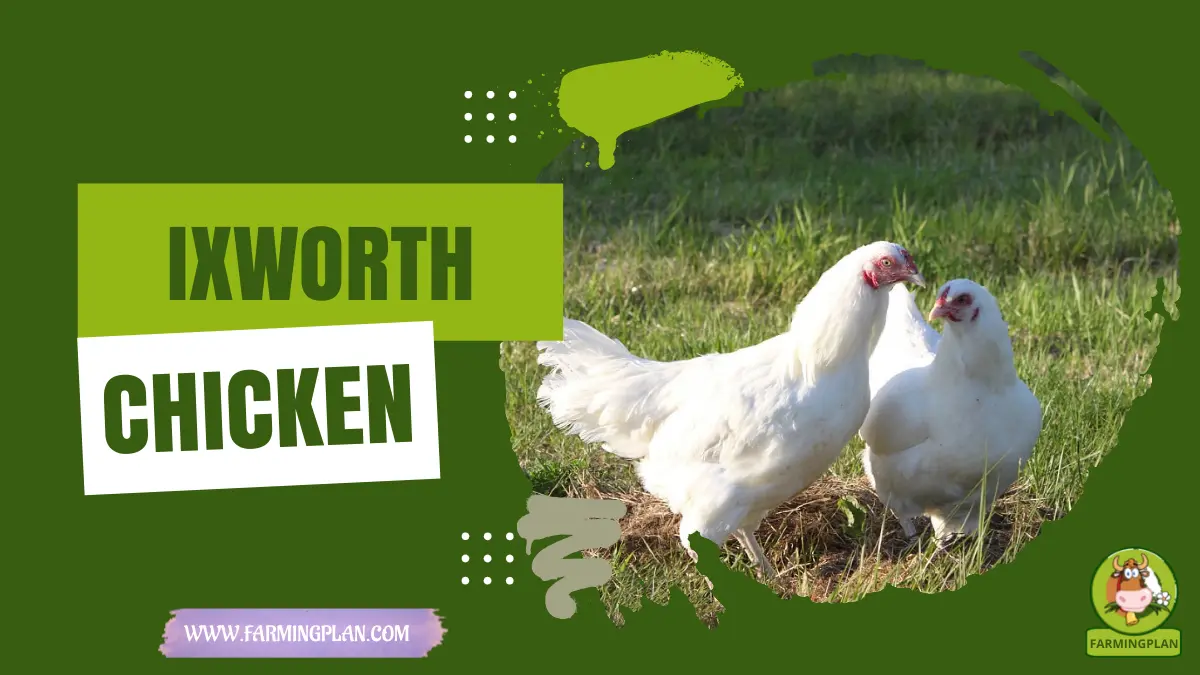
The plumage is pure snow-white throughout and sits tight against the body without excessive loose fluff. The head is broad and alert, featuring bright red wattles, red earlobes, and a neat pea comb that resists frostbite during harsh winter freezes. The beak, shanks, skin, and feet are pure white or pale horn, an important British culinary standard for table poultry.
⚡ Ixworth Chicken Waterfowl Performance Matrix
| Production Metric | Standard Benchmark | Flock Homestead Performance |
|---|---|---|
| Mature Drake Weight | 5.5–9.5 lbs | Robust keel and broad breast meat |
| Mature Duck (Hen) Weight | 4.5–8.0 lbs | High volume body capacity |
| Annual Egg Production | 180–280 eggs/year | Rich, nutrient-dense white/tinted eggs |
| Egg Weight & Shell Density | 75–88 grams | Heavy yolk percentage (32–35%) |
| Foraging Efficiency | Active pasture grazer | Consumes slugs, snails & greens |
| Cold Hardiness Threshold | Down to -10°F (-23°C) | Dense down plumage & weatherproofing |
The breast bone is long, straight, and well-covered with thick, tender meat extending all the way to the wishbone. The thighs are stout and muscular, set well apart to support the bird’s broad carriage. Wing carriage is neat and horizontal, tucked closely into the flanks, reinforcing the breed’s compact, athletic silhouette. Tracking feed intake and body condition supports long-term Ixworth Chicken performance.
Temperament, Behavior & Flock Dynamics
Despite significant Indian Game genetics, the Ixworth is remarkably calm, docile, and easy to manage. Hens are peaceful and deliberate, spending their days foraging calmly across pastures. Roosters are attentive protectors of their hens without displaying unprovoked aggression toward human caretakers. Following biosecurity best practices reduces disease risk in any Ixworth Chicken operation.
Ixworths integrate smoothly into mixed heritage flocks alongside breeds like Sussex, Dorkings, and Australorps. Their friendly nature makes them a great fit for family homesteads with children, as they can be easily hand-tamed with mealworm treats and gentle handling. Seasonal adjustments to shelter and diet keep Ixworth Chicken thriving year-round.
Dual-Purpose Utility: Table Meat & Egg Yields
As a true dual-purpose breed, the Ixworth delivers solid production on both fronts. A well-managed hen produces 160 to 200 medium to large tinted or cream-colored eggs per year, maintaining steady lay rates through late autumn and winter when many ornamental breeds take a break.
As table fowl, the Ixworth offers exceptional flavor. While commercial broilers are processed at 6 to 8 weeks, heritage Ixworth cockerels reach prime table maturity between 18 and 22 weeks. The resulting carcass features broad breast meat, fine-grained texture, thin white skin, and rich flavor that roasts beautifully. Proper record-keeping makes breeding and culling decisions easier for Ixworth Chicken keepers.
Coop Architecture & Housing Guidelines
Ixworth chickens require clean, predator-proof housing sized for their heavy frames. Follow guidelines from our chicken farming management library, providing at least 4 square feet of indoor floor space per adult bird, paired with 10 square feet in outdoor runs. Providing adequate space and ventilation prevents common stress issues in Ixworth Chicken.
Roosts should be built from 2×4 lumber with the broad 4-inch side facing upward, corners rounded, and set 18 to 24 inches off the floor. Because Ixworths are heavy birds, high roosts can lead to foot bruising and keel damage upon landing. Provide 12×12-inch nest boxes bedded with clean wood shavings positioned 12 to 16 inches above floor level.
Nutritional Science & Heritage Feeding Rations
Chicks do best on a 20% to 22% protein heritage chick starter for their first 6 weeks to support bone and muscle development. Transition to a 16% to 18% grower ration until point of lay around 20 weeks. Laying hens need a 16% layer crumble or pellet containing 3.5% calcium, balanced with phosphorus and amino acids. Understanding breed-specific traits helps maximize Ixworth Chicken longevity and output.
Keep coarse oyster shell and granite grit available free-choice in separate feeders. Roasters can be finished with supplemental cracked corn, whole oats, and skim milk during their final four weeks to enhance juiciness and fat cover. Routine preventive care saves time and lowers veterinary costs for Ixworth Chicken.
Pasture Rearing & Foraging Dynamics
Ixworths are energetic foragers that harvest a notable portion of their diet from open range. When given access to grassy pastures or orchards, they search actively for crickets, beetles, worms, and weed seeds, helping control garden pests while aerating the turf. Matching forage or ration quality to life stage optimizes Ixworth Chicken growth.
Moving mobile coops or pasture shelters regularly prevents local parasite buildup and keeps forage fresh. Compare their range behavior with the indian game chicken breed, noting the Ixworth’s broader foraging range and calmer group dynamic.
On green pasture, Ixworth chickens consume up to fifteen to twenty percent of their daily dry matter intake in fresh clover, dandelion, and grass shoots. This diverse forage intake enriches yolk pigmentation naturally, producing rich, golden-orange yolks with dense whites highly prized by home bakers and gourmet breakfast markets. Gradual dietary transitions protect digestive stability in Ixworth Chicken.
Breeding Management, Broodiness & Incubation
Ixworth hens show moderate broodiness, typically going broody in late spring. They make attentive, protective mothers, comfortably brooding clutches of 10 to 12 eggs. When brooding naturally, provide a secluded ground-level nest box away from the main flock. Selecting healthy foundation stock is the cornerstone of successful Ixworth Chicken management.
For artificial incubation, collect clean, unwashed eggs with sound shells. Incubate at 99.5 degrees Fahrenheit with 50% relative humidity, raising humidity to 70% during the final three days before hatching. Chicks hatch on day 21, emerging vigorous and ready to drink and feed within 24 hours.
Health Management & Parasite Prevention
The compact pea comb and sturdy constitution of the Ixworth provide strong natural cold tolerance. Maintain biosecurity practices to protect against common poultry diseases such as Marek’s disease, infectious bronchitis, and Mycoplasma. Good predator-proofing and dry bedding safeguard Ixworth Chicken comfort in harsh weather.
Provide deep dust baths filled with dry sand, wood ash, and food-grade diatomaceous earth to control lice and mites naturally. For national biosecurity standards, review guidelines from the USDA APHIS Poultry Health Program. Monitoring water quality and mineral balance directly benefits Ixworth Chicken vitality.
Seasonal Care & Thermal Adaptability
The pea comb gives the Ixworth an advantage over single-combed breeds during freezing winter weather, preventing comb frostbite. Ensure coops have draft-free high-level ventilation to clear moisture while keeping bedding dry. Practical hands-on husbandry ensures consistent results when raising Ixworth Chicken.
In hot summer weather, heavy-bodied white birds appreciate shade and good airflow. Provide ample shade trees, open-mesh coop windows, and cool drinking water. Adding electrolytes to waterers during severe heatwaves supports hydration.
Breed Standards & Heritage Selection
Preserving the Ixworth requires careful selection against breed faults. Disqualifications under the British Standard of Perfection include single combs, feathered shanks, yellow legs, and narrow breast width. Compare heritage breeding practices with the iowa blue chicken guide. Early intervention at the first sign of lethargy protects overall Ixworth Chicken flock or herd health.
Select breeding roosters with broad, muscular chests, straight keels, tight white plumage, and confident, gentle dispositions. Maintain breeding pens with one rooster to 6 to 8 hens to achieve high fertility rates. Structured culling and biosecurity protocols strengthen Ixworth Chicken genetic quality.
Lifecycle Nutrition & Performance Matrix
The management matrix below outlines nutritional standards, feed intake targets, and housing setups across each stage of the Ixworth Chicken’s lifecycle:
⚡ Ixworth Chicken Lifecycle & Feeding Matrix
| Life Cycle Stage | Age Range | Crude Protein (%) | Feed Intake (g/day) | Housing & Management Focus |
|---|---|---|---|---|
| Brooding Chick | 0 to 5 Weeks | 20% – 22% | 15 – 35 g | Draft-free brooder, warm heat source, clean pine shavings, fresh water |
| Grower Pullet / Cockerel | 6 to 16 Weeks | 16% – 18% | 45 – 85 g | Secure grower coop, grassy run, low perches, developmental foraging |
| Laying Hen Production | 17+ Weeks | 16% – 17% | 110 – 130 g | Clean nest boxes, calcium supplements, open pasture foraging |
| Pastured Table Cockerel | 16 to 22 Weeks | 18% – 19% | 120 – 150 g | Mobile pasture shelters, grain finishing, target liveweight 3.5 – 4.5 kg |
| Flock Wintering | Adult Maintenance | 15% – 16% | 115 – 135 g | Dry insulated coop, high ventilation, supplemental greens, warm waterer |
Farm Economics & Enterprise Budgeting
The Ixworth offers solid economic opportunities for small-scale heritage poultry operations. Day-old straight-run chicks from certified heritage stock sell for $7 to $12 each, while point-of-lay pullets fetch $30 to $45. Quality hatching eggs command $40 to $65 per dozen among rare breed enthusiasts. Maintaining clean feeders and sanitized equipment supports sustainable Ixworth Chicken care.
On the meat side, pastured heritage Ixworth roasters marketed directly to consumers and artisan butchers sell for $6.50 to $9.00 per pound hanging weight. These prices comfortably offset the extended 20-week grow-out feed costs compared to commercial broilers. Consistent daily observation helps keepers spot early changes in Ixworth Chicken health and behavior.
Direct farm-gate egg sales can generate an additional $5.00 to $8.00 per dozen for pasture-raised heritage tinted eggs. Combining seasonal meat cockerel harvests with year-round egg sales provides smallholders with steady, diversified revenue streams from a single unified heritage flock. Clean housing, fresh water, and balanced nutrition remain essential for Ixworth Chicken productivity.
Step-by-Step Hatchery & Flock Setup
Begin by sourcing stock or hatching eggs from NPIP-certified breeders dedicated to Reginald Appleyard standards. Set up clean brooding quarters with radiant heaters, fresh bedding, and balanced starter feed before chicks arrive.
Integrate pasture management protocols aligned with those in our holland chicken breed guide to maximize forage intake and flock vitality. Joining heritage poultry conservation societies helps you network with other breeders, exchange breeding roosters, and support this classic British dual-purpose breed. Tracking feed intake and body condition supports long-term Ixworth Chicken performance.
⚡ Estimated Annual Budget & Maintenance Costs (USD)
| Expense Category | Annual Cost Range (USD) | Operational Management Notes |
|---|---|---|
| Complete Layer / Grower Rations | 0 – 0 | 16–18% crude protein balanced crumbles/pellets |
| Supplemental Oyster Shell, Grit & Niacin | – | Essential for bone density and shell thickness |
| Coop Bedding & Pine Shavings | – 0 | Deep litter replenishment, moisture control |
| Health Care, Electrolytes & Biosecurity | – | Water sanitizers, dewormers & mite dust |
| Equipment Maintenance & Winter Heat | – 0 | Heated water base, nipple waterers, netting |
| Total Estimated Annual Operating Cost | 5 – 5 | Based on a typical backyard flock (6–12 birds) |
🐔 Ixworth Chicken Flock Feed & Egg Yield Calculator
Estimate daily layer feed (lbs), monthly 50-lb feed bags, coop and run requirements, and expected weekly fresh egg yield for your Ixworth Chicken flock.
Frequently Asked Questions
What is an Ixworth Chicken?
The Ixworth is a rare British dual-purpose heritage chicken created in Suffolk, England, in the 1930s by Reginald Appleyard, bred to combine the muscular table qualities of the Indian Game with reliable tinted egg production.
How many eggs do Ixworth hens lay per year?
Ixworth hens lay between 160 and 200 medium-to-large tinted, cream, or light tan eggs annually, maintaining steady laying through late autumn and winter.
Are Ixworth Chickens good for meat production?
Yes, the Ixworth was bred specifically as a premier table fowl. Cockerels reach a dressed weight of 7 to 9 pounds with broad breast fleshing, fine white meat, and thin skin that roasts exceptionally well.
What is the temperament of Ixworth Chickens?
Ixworth chickens are docile, calm, and friendly birds that thrive in backyard and pasture flocks. They are active foragers, easily tamed, and cohabit peacefully with other heritage breeds.
Expert Verdict & Next Steps
The Ixworth Chicken is an outstanding dual-purpose heritage breed that excels in both egg and meat production while remaining docile and easy to manage. Their broad breast, cold-hardy pea comb, and friendly demeanor make them a valuable addition to any sustainable homestead flock. Following biosecurity best practices reduces disease risk in any Ixworth Chicken operation.
Begin by preparing draft-free coop housing with low roosts, secure foundational stock from certified heritage breeders, and provide quality rations to enjoy productive, self-reliant poultry farming.
📚Agricultural Reference & Scientific Citations
Standards and physiological data referenced in this guide comply with American Poultry Association (APA), The Livestock Conservancy, and USDA APHIS Avian Biosecurity Standards.


