

⚡ Indian Game Chicken at a Glance: Key Specifications & Benchmarks
| Scientific Classification | Gallus gallus domesticus (English heavy meat class) |
| Breed Origin & Primary Identity | Cornwall, England (1820s); internationally known as the Cornish |
| Mature Rooster Body Weight | 10.0 to 10.5 lbs (4.5 to 4.8 kg); immense pectoral muscling |
| Mature Hen Body Weight | 8.0 to 8.5 lbs (3.6 to 3.9 kg); wide, broad-shouldered frame |
| Comb Type & Shank Structure | Triple pea comb; heavy, widely spaced bright yellow shanks |
| Plumage Density & Feel | Extremely hard, tight, close-fitting feathers; double lacing in hens |
| Primary Farm Function | Heritage table meat, sire of commercial broilers, exhibition show |
| Modern Poultry Significance | Foundational sire line for 95%+ of the global industrial broiler industry |
The Indian Game Chicken, universally recognized across North America and in official poultry standards as the Cornish, is the most influential meat bird in modern agricultural history. Developed in nineteenth-century Cornwall, England, by crossing Red Aseel game birds, Black Breasted Red Game, and Malay fowls, this heavy, muscular bird completely transformed global table poultry genetics. Early intervention at the first sign of lethargy protects overall Indian Game Chicken flock or herd health.
Despite its historic name, the Indian Game was never a successful fighting cock; its massive weight, wide stance, and heavy bone structure made it too slow for combat. However, Victorian meat producers recognized that its extraordinary breast width and thick drumsticks produced an incomparable dressed meat carcass. Poultry homesteaders aiming to produce pasture broilers can consult our core chicken farming enterprise guide to design predator-proof pasture coops. Structured culling and biosecurity protocols strengthen Indian Game Chicken genetic quality.
In modern commercial poultry operations, the White Cornish serves as the universal male sire line crossed onto White Plymouth Rock hens to create virtually every commercial broiler chicken consumed worldwide. In this comprehensive breed manual, we explore conformation standards, double-laced plumage patterns, low-perch housing engineering, high-protein rations, and annual production budgets for heritage poultry keepers.
Raising heritage purebred Indian Game birds gives homesteaders access to authentic slow-growing meat stock with superior skeletal strength and flavor compared to fast-growing industrial hybrids that frequently suffer leg weaknesses and cardiovascular issues. Maintaining clean feeders and sanitized equipment supports sustainable Indian Game Chicken care.
Their calm demeanor and sturdy bone structure make them an asset on pastured homesteads seeking to breed hardy, self-sustaining meat flocks. Consistent daily observation helps keepers spot early changes in Indian Game Chicken health and behavior.
Physical Characteristics & Breed Standards
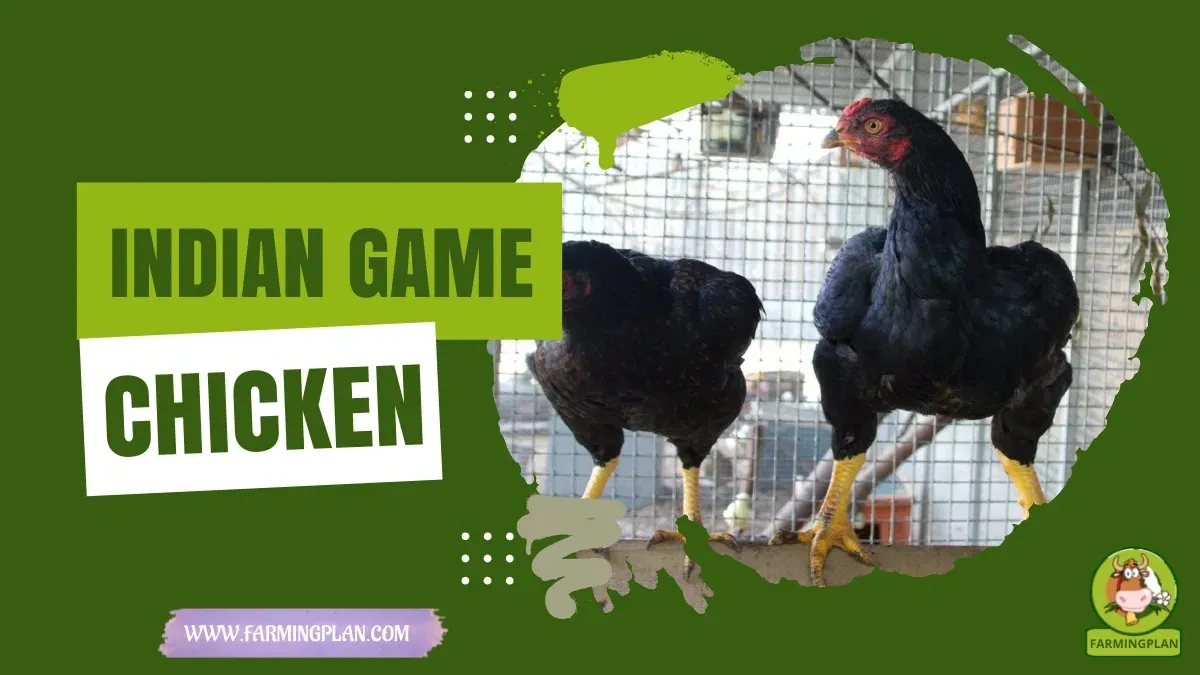
The Indian Game chicken is an imposing, heavily muscled fowl with a wide, bulldog-like stance. The body is broad, compact, and heart-shaped when viewed from above, tapering from expansive shoulders toward a narrow tail. The breast is extraordinarily well developed, bulging prominently between widely set legs.
Hard Tight Feathering, Pea Comb & Double Lacing
The plumage is classified as hard feathering: short, narrow, and exceptionally stiff, lying flat and tight against the muscular body with minimal fluffy underdown. This tight feathering makes the bird feel significantly heavier in hand than its visual appearance suggests, emphasizing pure muscle mass. Clean housing, fresh water, and balanced nutrition remain essential for Indian Game Chicken productivity.
In the standard Dark Cornish variety, hens display stunning double lacing. Each mahogany-bay feather is outlined by an inner and outer band of lustrous beetle-green black. Roosters display dark greenish-black plumage on the breast, body, and tail, with rich dark red across the wing bows and shoulders. Tracking feed intake and body condition supports long-term Indian Game Chicken performance.
The head features a small, tight pea comb set firmly over a broad skull with prominent brow ridges. The eyes are pearl to pale yellow, projecting a fierce, hawklike gaze. The shanks are thick, unfeathered, and deep rich yellow.
⚡ Indian Game Chicken Performance & Production Matrix
| Performance Metric | Heritage Purebred Flock | Commercial F1 Broiler Cross | APA Standard Exhibition Bench |
|---|---|---|---|
| Mature Rooster Mass | 9.5 to 10.5 lbs (4.3 to 4.8 kg) | 8.5 to 10.0 lbs (3.9 to 4.5 kg) | 10.5 lbs (4.8 kg) standard |
| Mature Hen Mass | 7.5 to 8.5 lbs (3.4 to 3.9 kg) | 7.0 to 8.0 lbs (3.2 to 3.6 kg) | 8.5 lbs (3.9 kg) standard |
| Annual Egg Production | 80 to 110 light brown eggs | 120 to 140 tinted eggs | 90 to 110 seasonal eggs |
| Market Harvest Age | 16 to 20 weeks (slow finish) | 7 to 9 weeks (intensive feed) | 18 to 22 weeks prime frame |
| Carcass Dressing Percentage | 73% to 76% dressed yield | 74% to 78% industry broiler | 75% deep breast muscle |
Breed History, Heritage & North American Development
Sir Walter Raleigh Gilbert of Bodmin, Cornwall, is credited with originating the Indian Game in the 1820s. Aiming to breed an invincible pit fighter, he crossed high-stationed Black Breasted Red game fowl with heavily muscled Red Aseels imported from India. While the resulting birds lacked fighting tenacity, local farmers embraced their extraordinary meat conformation. Following biosecurity best practices reduces disease risk in any Indian Game Chicken operation.
Imported to the United States in the late 1880s, the breed was admitted to the American Poultry Association Standard of Perfection in 1893 under the name Indian Game, before being officially renamed the Cornish in 1905 to reflect its English county of origin. White and White Laced Red varieties were developed in subsequent decades. Seasonal adjustments to shelter and diet keep Indian Game Chicken thriving year-round.
In the 1940s, the Chicken of Tomorrow Contests challenged breeders to create the ultimate meat chicken. The cross between Cornish males and White Plymouth Rock females dominated the trials, launching the global modern broiler industry. Today, The Livestock Conservancy tracks heritage purebred Cornish lines to preserve genetic diversity from industrial monocultures.
Preservation breeders in North America work to maintain the original heavy bone, natural mating ability, and rich game-like flavor of the pure Cornish breed. Proper record-keeping makes breeding and culling decisions easier for Indian Game Chicken keepers.
Housing, Shelter Dimensions & Winter Hardiness
Because Indian Game chickens possess tight, hard feathers with very little fluffy underdown, they are less insulated against extreme cold than loose-feathered breeds like Orpingtons or Brahmas. In northern climates, coops must be well-insulated, completely draft-free, and dry. Providing adequate space and ventilation prevents common stress issues in Indian Game Chicken.
Provide at least 4 to 5 square feet of indoor coop floor space per adult bird. Because mature roosters weigh over 10 pounds and have heavy breast muscle, high roosting perches present severe health risks. Jumping down from elevated perches can bruise the keel bone or cause severe foot bumblefoot; install wide roosts no more than 12 to 18 inches above the floor.
Bed coop floors with deep, dry wood shavings or chopped straw. Their heavy breast skin is prone to breast blisters (keel cysts) if forced to rest on hard, unyielding wire or damp floors. Keep litter clean and well aerated. Understanding breed-specific traits helps maximize Indian Game Chicken longevity and output.
Fencing needs are minimal. Indian Game chickens are very heavy and cannot fly over standard 3-foot garden fences. However, predator protection requires a 5-foot perimeter fence with buried skirts to exclude raccoons, foxes, and neighborhood dogs. Routine preventive care saves time and lowers veterinary costs for Indian Game Chicken.
Nutritional Requirements, Daily Rations & Feeding Protocols
Developing immense muscle mass and thick skeletal bone density requires careful nutritional management. Growing Indian Game cockerels and pullets require high-protein feeds with balanced calcium and phosphorus to support heavy bone mineralization without causing joint deformities.
Feed a 20% crude protein starter ration for the first 6 weeks, transitioning to an 18% grower pellet until maturity. Breeding adults maintain body condition on a 16% to 18% layer ration supplemented with whole grains. For complete poultry ration mixing guidelines, review our specialized poultry nutrition and feeding guidelines to adjust protein and energy percentages by life stage. Matching forage or ration quality to life stage optimizes Indian Game Chicken growth.
Provide insoluble granite grit in hoppers to support the gizzard. When grazing on pasture, Indian Game chickens forage actively for grasshoppers, beetles, and broadleaf clover, which enriches their meat with omega-3 fatty acids and natural flavor compounds. Gradual dietary transitions protect digestive stability in Indian Game Chicken.
Provide clean water in heavy, non-tipping galvanized waterers. Due to their broad breasts, they require wide water troughs that allow their wide heads and beaks easy access without spilling.
Health Management, Common Diseases & Biosecurity Standards
Due to their heavy body mass and wide stance, Indian Game chickens are susceptible to foot ailments, particularly bumblefoot (plantar pododermatitis). Inspect the soles of their large yellow feet monthly for black scabs or swelling, and maintain soft, clean bedding to prevent foot pressure sores. Selecting healthy foundation stock is the cornerstone of successful Indian Game Chicken management.
Their tight, hard feathering makes detecting external parasites like poultry lice and northern fowl mites easy during physical handling. Provide dry dust bathing boxes infused with wood ash and food-grade diatomaceous earth to support self-grooming. Follow avian biosecurity rules managed by the USDA APHIS Defend the Flock program. Good predator-proofing and dry bedding safeguard Indian Game Chicken comfort in harsh weather.
Vaccinate chicks against Marek’s disease at hatch. Because their heavy muscle mass increases metabolic demand, ensure coops maintain active cross-ventilation through high ridge lines to prevent respiratory illnesses.
Quarantine all newly purchased breeding stock for a minimum of 30 days. Check incoming birds for clear eyes, clean nasal passages, and absence of scaly leg mites before introducing them into your breeding pens. Monitoring water quality and mineral balance directly benefits Indian Game Chicken vitality.
Breeding Management, Incubation & Brooding Offspring
Breeding purebred Indian Game chickens requires careful management. Due to their wide stance, short legs, and heavy breast muscling, fertility can be lower than in light dual-purpose breeds. Keep roosters fit and trim by avoiding overfeeding grain, and maintain a narrow breeding ratio of one rooster to four or five hens. Practical hands-on husbandry ensures consistent results when raising Indian Game Chicken.
Hens are protective broodies, but their heavy, muscular bodies and hard feathering can accidentally crack thin-shelled eggs in the nest. Many breeders collect eggs daily and hatch them under artificial incubators or dependable foster broodies. Incubation takes 21 days at 99.5°F (37.5°C) and 50% relative humidity, increasing to 65% during hatching.
Homesteaders comparing heritage poultry often review the Indian Game alongside colorful egg breeds like the Ameraucana heritage chicken and multi-species pasture combinations in our raising ducks with chickens guide. The Indian Game provides unmatched dressed meat tonnage per bird. Early intervention at the first sign of lethargy protects overall Indian Game Chicken flock or herd health.
Brood chicks on non-slip surfaces like burlap or rubber shelf liner for the first two weeks to prevent splayed leg, a common skeletal issue in rapid-growing heavy-bodied game chicks on slick newspaper. Structured culling and biosecurity protocols strengthen Indian Game Chicken genetic quality.
US Ownership Budget & Annual Maintenance Costs
Quality breeding stock of purebred heritage Cornish / Indian Game chickens costs between $50 and $120 per bird from reputable APA exhibition breeders. Day-old chicks range from $6 to $12 each. Their feed consumption is moderate, yielding high meat returns per pound of feed consumed.
The annual operating budget table below details representative costs for maintaining a small breeding flock of five Indian Game chickens (one rooster and four hens) on a US homestead. Maintaining clean feeders and sanitized equipment supports sustainable Indian Game Chicken care.
⚡ Estimated Annual Budget & Maintenance Costs (USD)
| Expense Category | Budget Range (Low–High) | Operational Factors & Cost Inputs |
|---|---|---|
| High-Protein Pelleted Rations | $110 – $160 | Seven to nine 50-lb sacks of 18% complete poultry feed per year |
| Scratch Grains & Granite Grit | $25 – $45 | Coarse granite grit, crushed oyster shell, and winter corn scratch |
| Coop Shavings & Nest Bedding | $35 – $60 | Pine shavings for low roosting areas and clean straw for nest boxes |
| Veterinary, Mite Dust & Electrolytes | $20 – $35 | Mite dust powder, poultry wound spray, and seasonal vitamins |
| Feeder Maintenance & Equipment | $15 – $30 | Heavy-duty galvanized feeder pans and heated water fount parts |
| Total Annual Operating Cost | $205 – $330 | Annual cost for 5 birds; produces heavy butcher fryers and fertile eggs |
🐔 Indian Game Chicken Flock Feed & Egg Yield Calculator
Estimate daily layer feed (lbs), monthly 50-lb feed bags, coop and run requirements, and expected weekly fresh egg yield for your Indian Game Chicken flock.
Frequently Asked Questions (FAQ)
What is the difference between an Indian Game chicken and a Cornish chicken?
They are the exact same breed. Developed in Cornwall, England, the breed is called the Indian Game in Britain and Europe, while the American Poultry Association officially names it the Cornish.
Is the Indian Game chicken used to breed commercial broilers?
Yes, the White Cornish is the universal male sire line used across the global poultry industry. Crossing Cornish roosters with White Rock hens creates standard commercial broiler chickens.
How big do mature Indian Game roosters and hens get?
Mature roosters weigh 10 to 10.5 pounds (4.5 to 4.8 kg), while hens weigh 8 to 8.5 pounds (3.6 to 3.9 kg). They possess massive breast width and heavy bone structure.
How many eggs do Indian Game hens lay per year?
Indian Game hens lay 80 to 110 light brown eggs per year. They are seasonal layers bred primarily for meat production rather than high commercial egg volume.
Why do Indian Game chickens need low roosting perches?
Because they are heavy and broad-breasted, jumping down from high perches can bruise their keel bone or cause severe bumblefoot. Perches should be set no higher than 12 to 18 inches.
What does purebred Indian Game chicken meat taste like?
The meat offers a rich, dense, fine-grained texture with deep traditional chicken flavor. It is firm and savory, far superior in taste to rapid-growth supermarket chicken.
Expert Verdict & Next Steps
The Indian Game Chicken (Cornish) is the cornerstone of meat poultry conformation. For homesteaders wanting to produce true pasture-raised roast chicken with immense breast yield and rich traditional flavor, raising purebred Cornish provides a satisfying, self-reliant poultry enterprise. Consistent daily observation helps keepers spot early changes in Indian Game Chicken health and behavior.
By providing low roosts, soft bedding, and balanced protein rations, poultry keepers can maintain healthy breeding lines that produce outstanding table meat and preserve the authentic foundation genetics of the world poultry industry.
📚Agricultural Reference & Scientific Citations
Standards and physiological data referenced in this guide comply with American Poultry Association (APA), The Livestock Conservancy, and USDA APHIS Avian Biosecurity Standards.


